

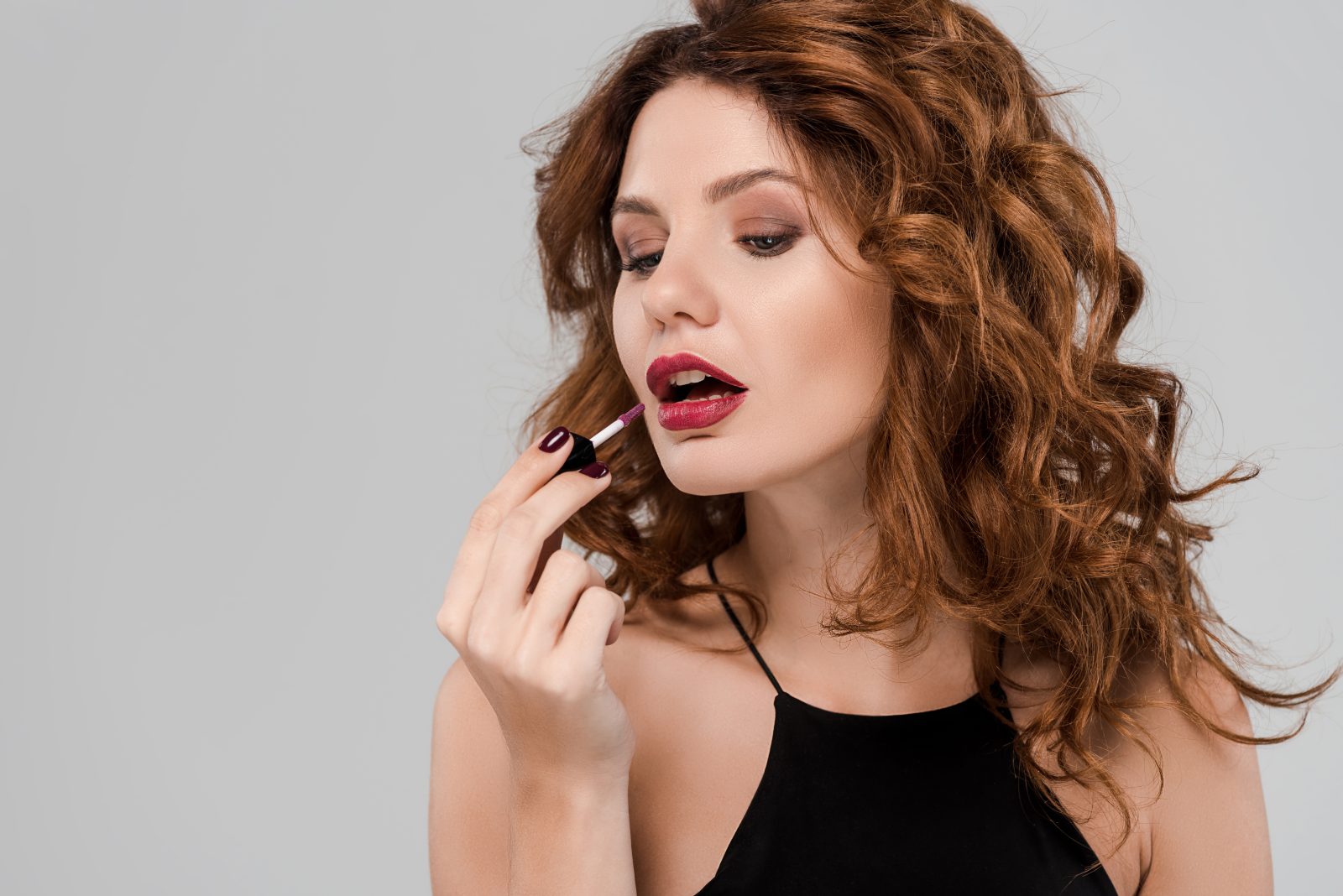
Have you picked up a new shade of lipstick recently? People often turn to this little cosmetic as an affordable pick-me-up during hard economic times , so much so that there’s an economic theory based on these splurges.
It’s called the lipstick index, coined by Leonard Lauder of makeup company Estée Lauder when lipstick sales increased during the 2000s recession.
While it may seem like splurging on non-essentials might go against some budgeting rules, the lipstick index serves as a good reminder to prioritize affordable joy in your life.
As a fan of fashion, affordable joy might include adding accessories to your wardrobe. Let’s explore this index and how you can treat yourself on a budget.
What is the Lipstick Index?
Former Estée Lauder’s chairman Leonard Lauder noticed lipstick sales boomed despite the dot-com bubble crash of the early 2000s. Lauder believed women indulged in lipstick because they couldn’t afford the bigger luxuries in a recession.
His theories were discredited by the 2008 recession when Estée Lauder sales plummeted during the housing market bubble. But his theory is picking up steam once again in the post-pandemic downturn. Despite high inflation and wage stagnation delivering a punishing cost of living to most people, plenty of consumers are splurging on frills.
Affordable Joy: The Rules of Treating Yourself
Just because data shows people splurge on small items doesn’t mean you have carte blanche to purchase every frill you want. Affordability is key here. You need to know what little things you can afford before you start filling your cart.
What is affordable might be different from one person to the next. So, rather than setting specific spending limits, let’s talk about overarching rules:
Rule #1: Know Your Budget
You won’t know if a splurge is a fun treat or a big mistake until you sit down with your finances. Track your cash flow and highlight the money you need to reserve for the big things like housing costs and savings. You can have fun with the leftover cash once you confirm you can cover these essentials.
Rule #2: Keep Credit Out of It
If your leftovers fall short of what you want, you might be tempted to dip into your credit card or line of credit.
You can technically put your small purchases on these accounts and pay them back over time, but financial advisors don’t recommend it. The longer it takes you to pay off purchases, the more interest you’ll earn.
Credit has a bad habit of luring you into spending more than just one little thing, too. Studies show people buy more (and more often) when they use credit.
If you rack up a lot of purchases, they keep your line of credit from its real purpose: a financial safety net. You should keep your line of credit clear until you need help with an urgent, unexpected expense. That way, you only pay on credit you use during an emergency.
Rule #3: Keep it Small
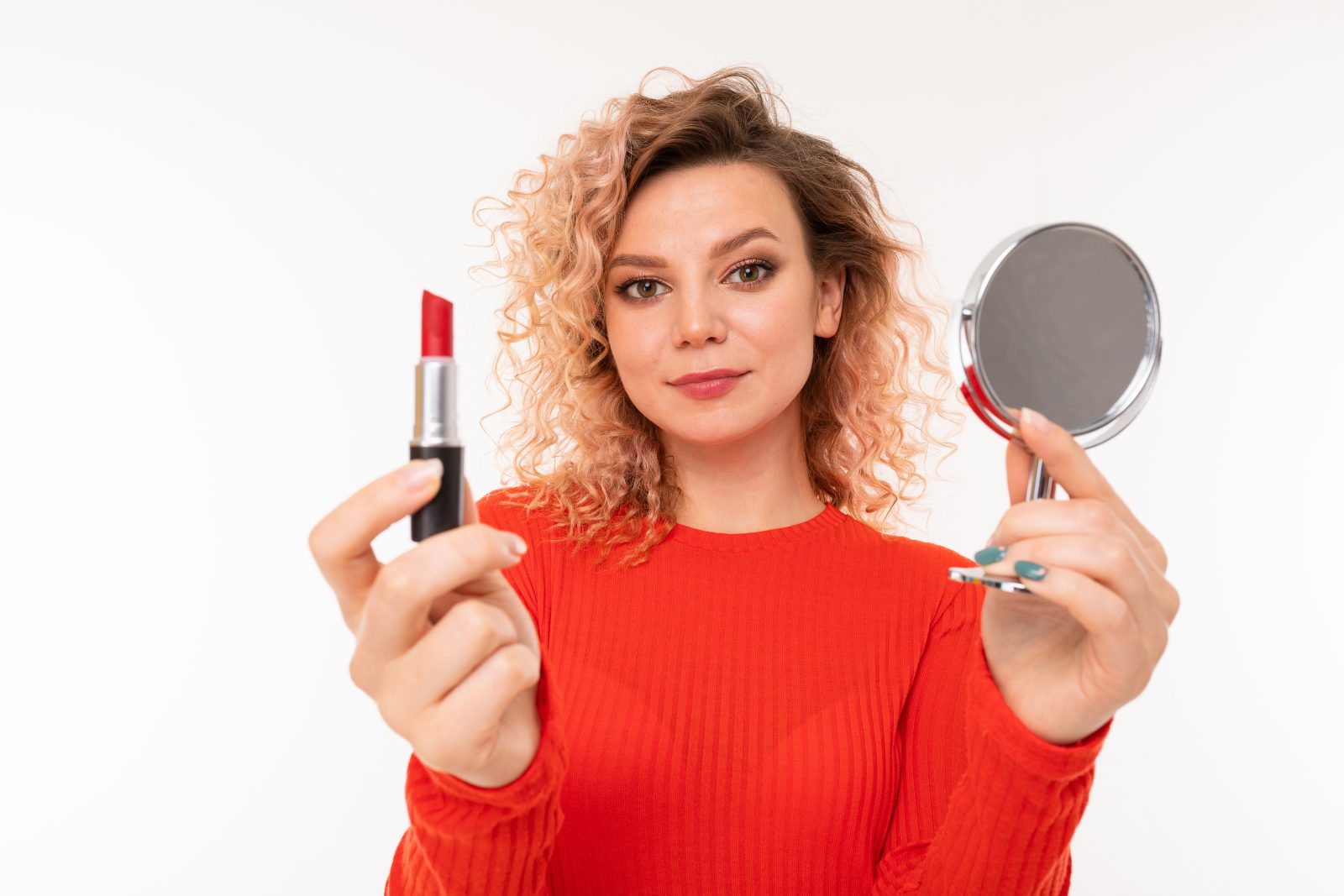
Consider the price of a lipstick tube. High-end brands like Estée Lauder can reach up to $50 per tube, while most drug-store brands are priced under $20. This highlights the concept that delight in fashion can come from small, affordable items.
Bottom Line: The lipstick index serves as a valuable reminder that joy in fashion need not equate to lavish spending. You can discover cost-effective pleasures, even in the realm of style, by adhering to sensible guidelines. To make your budget stretch even further, consider the benefits of shopping at thrift stores, taking advantage of sales, and utilizing reward points to save on purchases. These strategies can enhance your shopping experience, allowing you to indulge in little luxuries without breaking the bank.