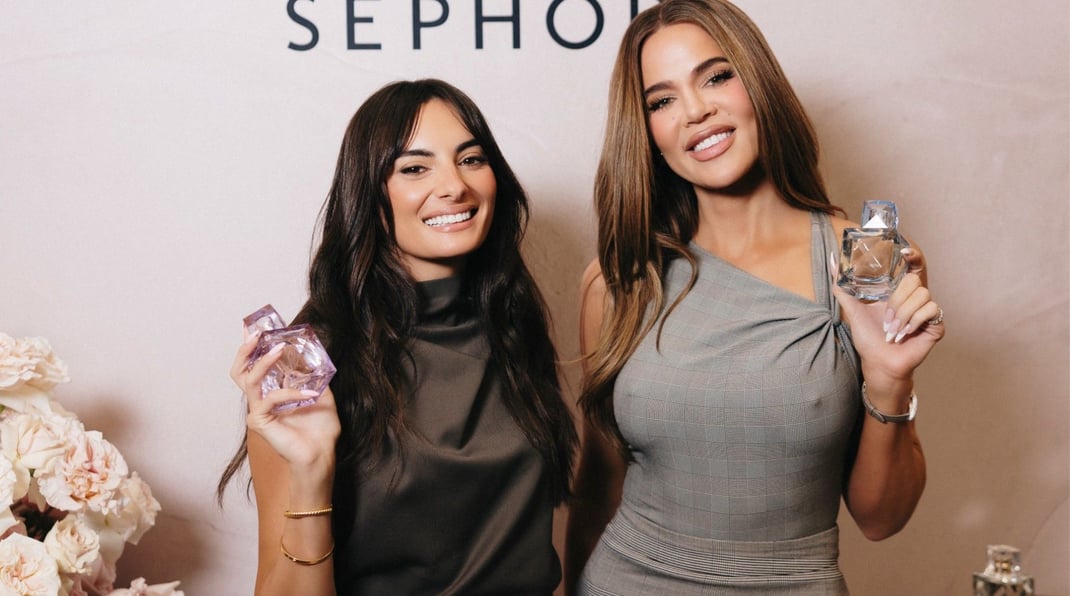

The collection debuted at Sephora on Sept. 14, 2026. Two days later, Kardashian and podcast host Paige DeSorbo marked it at the Herald Square storefront. Canada is now Sephora’s alone
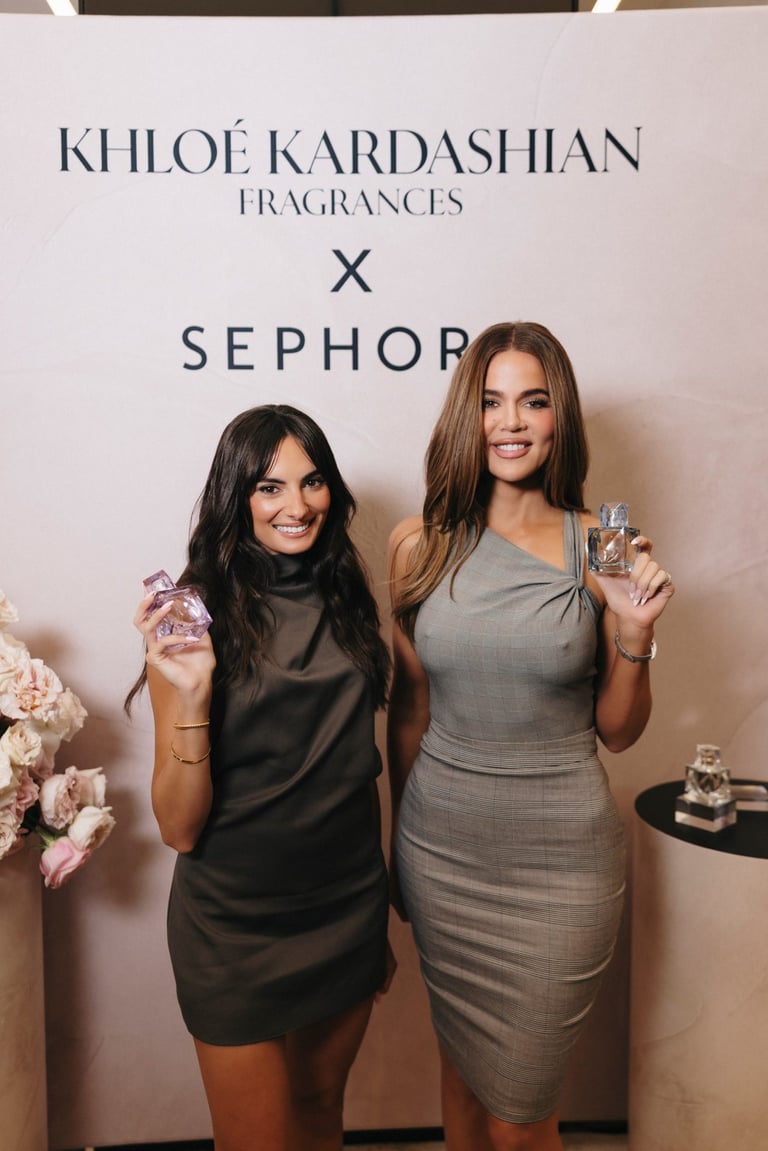
NEW YORK – Khloé Kardashian’s namesake fragrance collection is now a Sephora product, stocked in 1,300 of the retailer’s doors. The global icon and entrepreneur launched the line at Sephora on Sept. 14, 2026, and it is now available on Sephora.com and in Sephora U.S. stores and Sephora at Kohl’s locations.
Canada is different. There, Sephora is the exclusive retailer for Khloé Kardashian Fragrances, which means one chain carries the brand for an entire country.
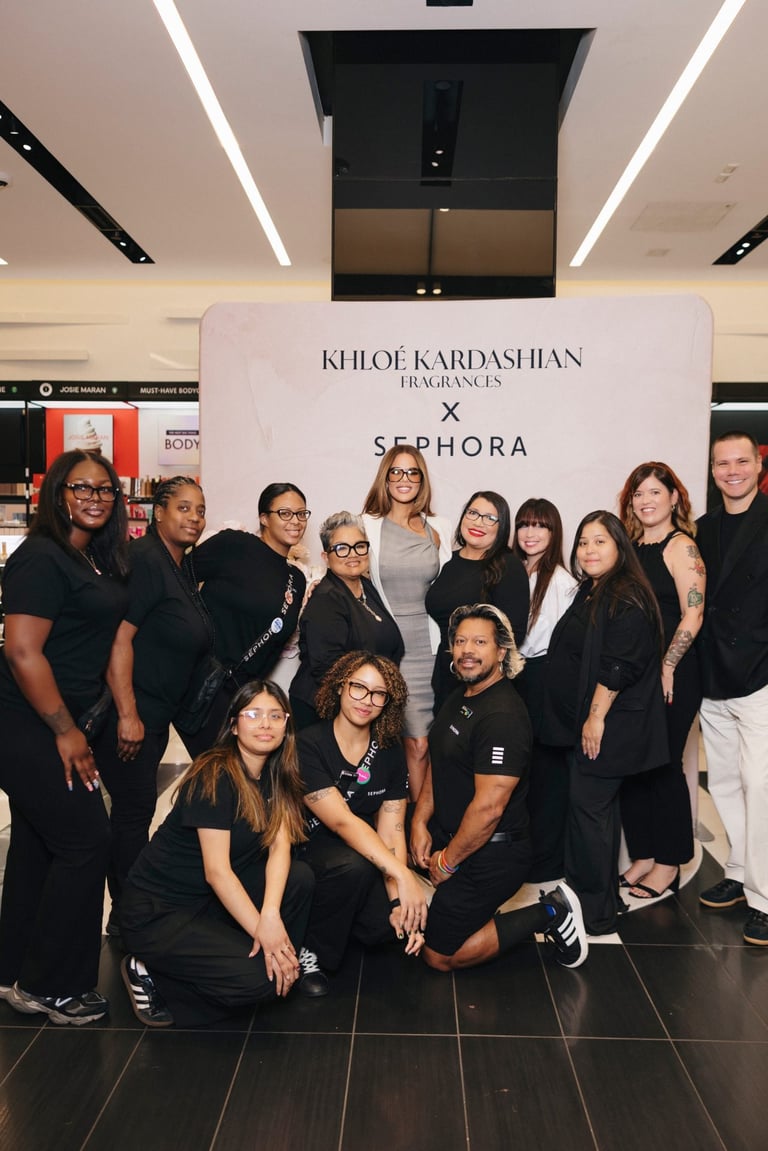
The Door Count Is the Announcement
Fragrance launches are usually measured in bottles. This one is better measured in shelf space, because it arrives as a national rollout. There is no test market, and in Canada there is no second retailer to fall back on. The collection has 1,300 doors to earn on, starting now.
A Party Two Days After the Launch
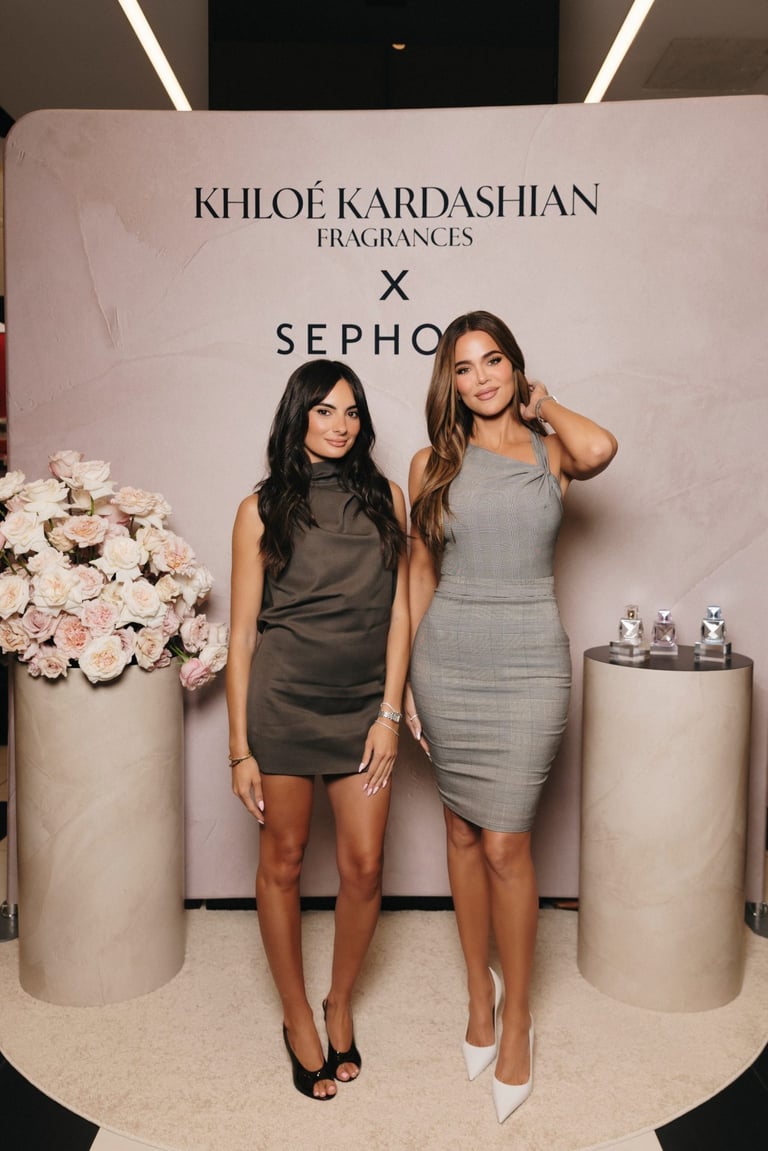
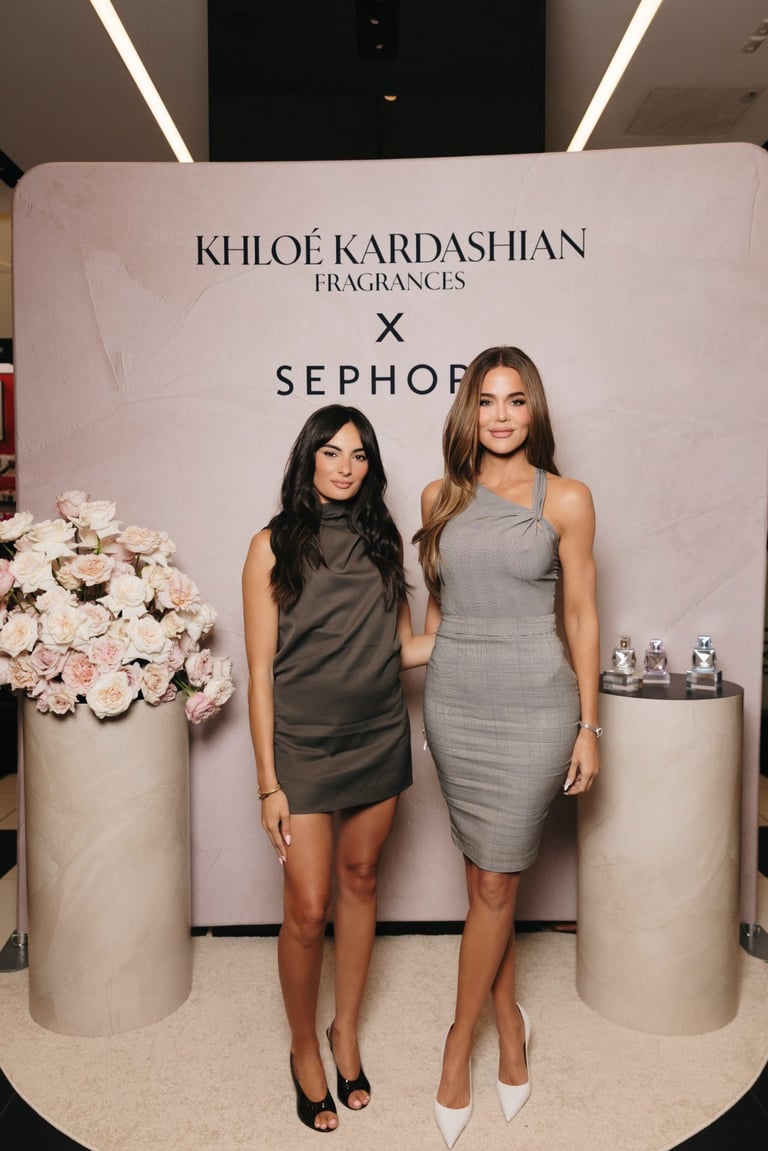
Kardashian marked the retail expansion with a private event at the Sephora Herald Square storefront on Sept. 16, co-hosted by podcast host and fashion influencer Paige DeSorbo. The timing is the tell. Staging the celebration after the collection is already on sale treats the room as a traffic driver pointed at shelves that are already stocked – a retail push dressed as a party, not the other way around.
What Sephora Bought
When a specialist retailer takes exclusivity on a celebrity-backed line, it is not simply buying inventory. It buys the founder’s audience and underwrites her next chapter through its own distribution. Kardashian’s end of that trade is a recognized name and a fragrance empire still in its growth phase. Sephora’s end is 1,300 doors and sole access in Canada. Both sides brought something the other could not easily build alone, shaping a deal meant to run for years rather than a season.
Where to Buy
The collection is available on Sephora.com and in Sephora stores. Kardashian is at @khloekardashian.
The Herald Square room emptied on Sept. 16. The shelves did not.
Photo credit: Sophie Sahara.
The Fragrance Portfolio: Scent Architecture and Price Positioning
The Khloé Kardashian Fragrance collection debuts with three distinct eau de parfum formulations, each calibrated to occupy a specific emotional and olfactory territory. The hero scent, a solar floral built around jasmine sambac and tuberose absolute, anchors the lineup at a prestige price point of $98 for 50ml and $138 for 100ml. A complementary woody amber variant introduces orris root and sandalwood for depth, while a fresh citrus-floral iteration centers on bergamot and orange blossom for daytime versatility. All three formulations were developed in collaboration with a master perfumer from a leading French fragrance house, though the brand has elected not to publicly name the nose, allowing the celebrity founder to remain the primary creative face. Packaging follows a minimalist architectural language: heavy glass flacons with magnetic caps in a neutral stone palette, designed for display longevity on vanity shelves. The pricing strategy positions the line squarely in the contemporary prestige tier, above mass-market celebrity entries but below niche artisan houses, a deliberate calibration that signals quality without alienating the core demographic. Sephora’s merchandising approach places the collection in the signature fragrance zone rather than the celebrity endcap, a placement that reinforces the brand’s aspiration to be evaluated on olfactory merit rather than name recognition alone.
Paige DeSorbo and the Mechanics of Modern Influence
Paige DeSorbo’s role as co-host signals a calculated alignment between two distinct but overlapping audience ecosystems. DeSorbo, whose ‘Giggly Squad’ podcast consistently ranks in the top lifestyle charts, brings a highly engaged millennial and Gen Z listenership that skews female, urban, and beauty-literate. Her personal style, characterized by high-low mixing and trend translation, mirrors the aspirational accessibility that the fragrance line targets. The partnership extends beyond a single evening; DeSorbo has integrated the launch into her content calendar across Instagram Reels, TikTok, and podcast ad inventory, creating a multi-touch attribution model that Sephora can track against in-store traffic and conversion data. This represents a maturation of influencer strategy: rather than a one-off sponsorship, the arrangement functions as a retail media placement with a human face. DeSorbo’s credibility in the fragrance category, established through prior candid reviews and ‘scent of the day’ segments, lends authenticity that a traditional celebrity appearance might lack. For Kardashian, the collaboration bridges the gap between her established global fame and the peer-level trust that drives purchase intent among younger consumers who discover products through creators rather than campaigns.
Canada's Exclusive Model: A Case Study in Market Consolidation
The decision to grant Sephora exclusive Canadian distribution rights for Khloé Kardashian Fragrances reflects a broader industry shift toward retail consolidation in secondary markets. Canada’s fragrance retail landscape is uniquely concentrated; Sephora operates approximately 90 locations nationwide, supplemented by a dominant e-commerce platform that captures a disproportionate share of prestige beauty spend. By eliminating multi-retailer complexity, the brand secures unified merchandising standards, coordinated marketing spend, and a single negotiating counterparty for inventory planning and markdown protection. This model reduces the operational friction of managing disparate planograms, promotional calendars, and sell-through reporting across Hudson’s Bay, Shoppers Drug Mart, and independent perfumeries. For Sephora Canada, the exclusivity creates a destination driver, a fragrance line unavailable at any competing door, which strengthens its positioning as the country’s prestige beauty authority. The risk, however, is concentration: if the partnership sours or Sephora Canada’s footprint contracts, the brand has no fallback distribution. The structure suggests both parties view this as a long-term strategic alliance rather than a transactional listing, with joint business planning sessions likely baked into the agreement to align on assortment evolution and consumer acquisition costs over a multi-year horizon.