Astrology Guide
A clear, connected reference library for understanding the structure behind horoscopes, zodiac signs and natal-chart interpretation.
Start with the structure, then follow the connections
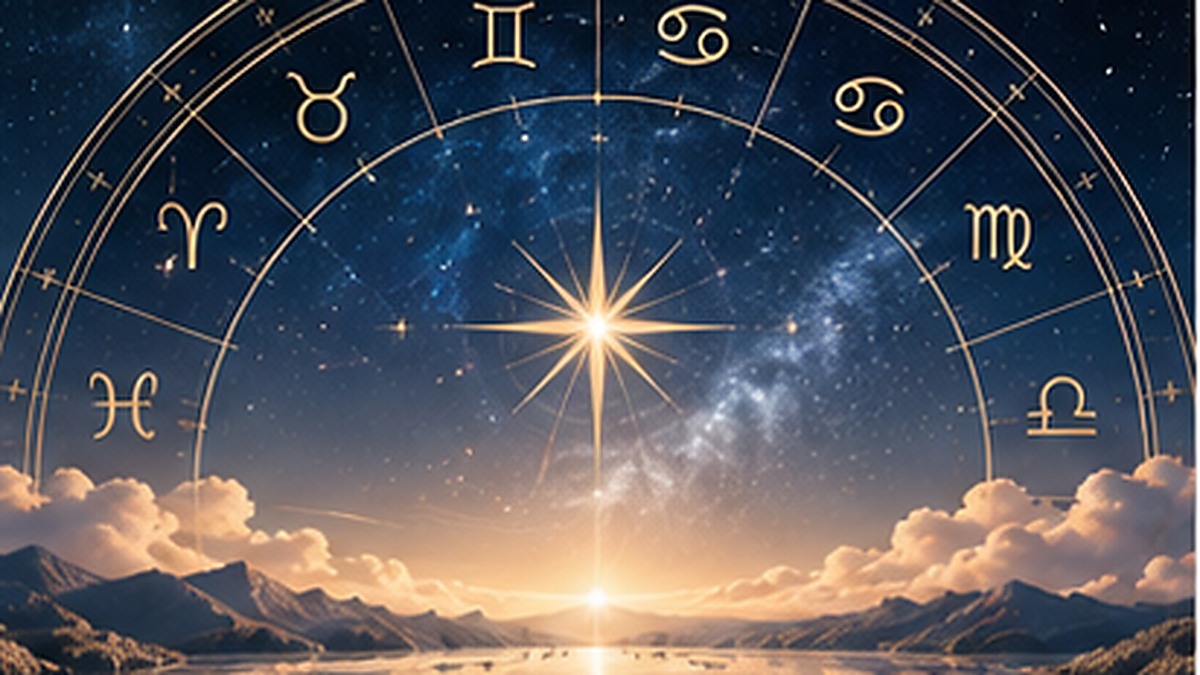
Astrology becomes easier to understand when its parts are separated before they are combined. Planets describe symbolic functions, signs describe styles of expression, houses describe life areas, and aspects describe relationships between chart factors.
These guides focus on common Western tropical astrology conventions. Astrology is an interpretive tradition rather than a scientifically validated predictive method, so NYSG presents it as a framework for reflection, symbolism and editorial exploration.
Learn Astrology Step by Step
Begin with the natal-chart framework, then move into the individual systems that make the chart readable.
Birth Chart
Learn what a natal birth chart represents, what information is needed to calculate one, and how signs, planets, houses and aspects work together.
Learn More →Sun, Moon & Rising
Understand the three placements most people use as a first doorway into a natal chart: the Sun sign, Moon sign and Rising sign.
Learn More →The 12 Houses
Learn what the twelve houses represent, why birth time matters, and how planets and signs are interpreted through life-area houses.
Learn More →Planets
A clear guide to the Sun, Moon and planets as symbolic functions in Western astrology, including personal, social and outer planets.
Learn More →Elemente
Explore Fire, Earth, Air and Water, the four elemental groups used to organize the twelve zodiac signs.
Learn More →Modalities
Learn the three zodiac modalities, Cardinal, Fixed and Mutable, and how they describe different approaches to beginning, sustaining and adapting.
Learn More →Aspects
Learn how conjunctions, oppositions, trines, squares and sextiles describe relationships between planets in a birth chart.
Learn More →Retrogrades
Understand what retrograde motion is, why planets appear to move backward from Earth, and how astrology traditionally interprets retrograde periods.
Learn More →Transits
Learn how astrologers compare the current sky with a natal chart, why slower and faster transits feel different, and how timing is interpreted.
Learn More →Moon Phases
Learn the eight Moon phases, the symbolic cycle from New Moon to waning crescent, and the difference between current and natal lunar phases.
Learn More →Zodiac Seasons
Explore how the tropical zodiac divides the year into twelve Sun-sign seasons and how elements and modalities shape each seasonal transition.
Learn More →Calculated Astrology and Provenance
Calculated astrology uses an ephemeris and explicit mathematical rules to determine positions and event times. Interpretation is a separate editorial layer; an LLM is not a source of celestial facts.
Learn More →Birth Time, Time Zones and Chart Uncertainty
A timed natal chart needs a local birth date and time, an IANA time zone and geographic coordinates. Unknown or ambiguous times must be identified; noon is not a substitute for a known birth moment.
Learn More →Whole Sign Houses and House Systems
Whole sign houses assign the entire sign containing the Ascendant to house one, with the following signs assigned to houses two through twelve. The Ascendant retains its exact degree inside the first house.
Learn More →Mondfinsternisse
A lunar eclipse occurs when the Moon passes through Earth’s shadow. Penumbral, partial and total categories describe the shadow encounter; a calculated maximum time does not establish visibility from a particular location.
Learn More →Astrology and Personal Style
Astrology-inspired style uses symbolic associations as creative prompts. It does not establish what someone must wear, how a celebrity dresses, or that a zodiac sign causes a fashion choice.
Learn More →Compatibility
Compare symbolic relationship themes without reducing people to zodiac labels.
Learn More →NYSG Astrology methodology
The reference library uses the tropical zodiac and commonly used Western astrology terminology.
Exact planetary positions, transits, retrogrades and lunar timing should come from reliable astronomical calculations before any interpretive layer is applied.
General horoscopes use a twelve-sign audience framework. Full natal interpretation requires individual birth data and a calculated chart.
These guides explain symbolic traditions and patterns. They do not claim that a placement guarantees a specific event or outcome.
Explore NYSG Astrology
Use the reference library as the foundation, then move into current readings and the broader NYSG astrology experience.
Read current Daily, Weekly, Love, Money, Career and Wellness forecasts.
Explore →Zodiac Sign GuidesExplore the enduring traits, style and structure of all 12 signs.
Explore →Compatibility LabMove from reference concepts into relationship-focused sign pairings.
Explore →Celebrity ZodiacSee how zodiac-sign content connects with designers and cultural figures.
Explore →