
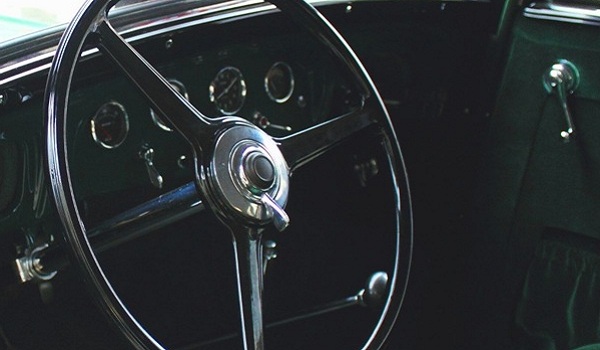

Whether you got a great deal or spent years restoring it yourself, owning a vintage automobile comes with a certain level of caretaking stress. From maintaining the engine to keeping the finish looking good as new, classic cars require a soft touch and some basic mechanical knowledge. If you’re looking forward to many years of long drives with the top down and the radio playing, here are a few tips on how to take care of a classic car.
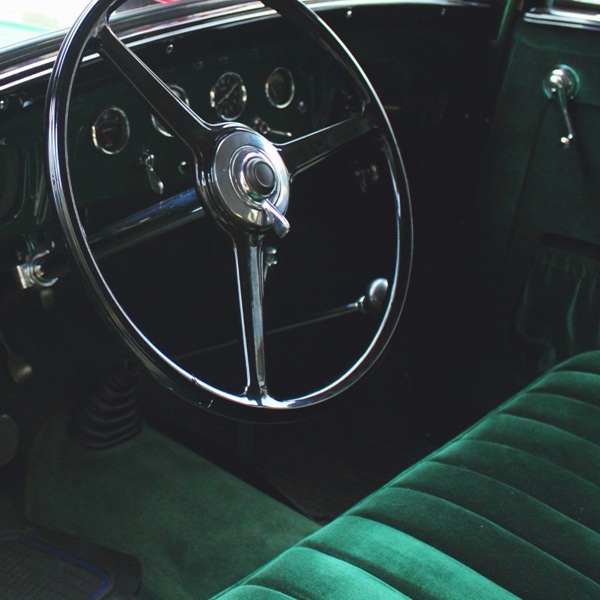
Watch the Fluids
Basic advice for maintaining any car: keep the fluids topped off and clean. Periodically check the levels on the oil, brakes, transmission, radiator, washer, and other fluids that keep the car running smoothly and relieve stress on the vehicle. Older vintage vehicles might not require power steering fluid or the like, but you should still check with your mechanic. Ensure all filters are regularly changed as well, and your car will thrive. Of course, bring it into a skilled mechanic for regular checkups.
Keep It Clean
Looks aren’t everything, but they’re certainly a big part of the appeal of owning a vintage vehicle. Store it where sunlight, precipitation, gravel, door dings, and the like can’t damage it. Cold weather is no friend of vintage cars either, decreasing tire pressure and causing wear and tear, increasing oil viscosity, and icing up fuel lines. Keep your car warm on and off the road. Finally, give it a good wash, vacuum, and wax every few weeks, just be sure to pick a cleaner with a gentle touch.
Find the Right Mechanic
You can’t bring a vintage vehicle to just any mechanic. Classic cars require specific parts and services, and your average car repair chain probably doesn’t have anyone who specializes in them. Word of mouth and great references are key. Ask for recommendations at vintage auto shows and on classic car owner forums, including active communities on platforms like Reddit and dedicated apps such as Bring a Trailer. Look for verified online reviews as well. When you contact the mechanic, make sure they have specific experience with your make and model. Finally, give the mechanic a “test run” with a small repair and see how they handle it, and you, as a customer.
Hit the Road!
Want to know how to take care of a classic car? Drive it. A vintage car is never truly happy (nor is its owner) unless you take it out for a spin every few weeks. When you put the pedal to the metal, you’re ensuring the fluids are flowing, any moisture in the engine is blown out, and all the moving parts are getting a real workout. Don’t push it too hard, of course, but make sure your classic car isn’t just a museum piece posing in your driveway or your garage. You’ve got it, flaunt it!
In 2026, many classic car owners are also turning to AI-assisted diagnostic tools and digital logbooks to track maintenance history and anticipate mechanical issues before they become costly repairs.
Protect the Bodywork and Paint
The finish on a classic car is often irreplaceable. Many vintage vehicles carry original paint that simply cannot be matched by modern formulations, making preservation a top priority. Start by investing in a high-quality, breathable car cover for indoor storage. A non-breathable cover can trap moisture against the body panels, accelerating rust from the inside out.
When washing, always use a pH-neutral soap specifically formulated for classic or vintage finishes. Avoid automatic car washes entirely, as their rotating brushes and harsh chemicals can strip wax, scratch lacquer, and damage chrome trim. Hand-wash using a soft microfiber mitt and rinse thoroughly with low-pressure water.
Rust is the single greatest threat to a classic car’s structural integrity and resale value. Inspect the undercarriage, wheel wells, door sills, and trunk floor at least twice a year. Treat any surface rust immediately with a rust converter before it penetrates deeper into the metal. Apply a fresh coat of quality automotive wax every three months to create a protective barrier against moisture and UV exposure. For chrome elements, use a dedicated chrome polish to prevent pitting and oxidation. Small investments in bodywork protection now will save significant restoration costs later.
Understand Classic Car Insurance
Standard auto insurance policies are not designed with classic cars in mind, and relying on one could leave you significantly underprotected. A general policy typically covers a vehicle at its depreciated market value, which bears little resemblance to the true worth of a meticulously maintained or restored vintage automobile.
Agreed value coverage, offered by specialist insurers such as Hagerty, Grundy, and American Collectors Insurance, ensures that in the event of a total loss, you receive the full insured amount without depreciation deductions. This is the preferred standard among serious collectors and restorers.
Before choosing a policy, document your vehicle thoroughly. Photograph every panel, the interior, the engine bay, and the undercarriage. Keep receipts for all restoration work, parts purchases, and professional services. Compile a detailed maintenance log that establishes the car’s condition and provenance. Some insurers will require an independent appraisal, which is a worthwhile exercise regardless of coverage requirements.
Review your policy annually, particularly after completing any restoration work or acquiring rare parts, as these improvements increase the vehicle’s value and should be reflected in your coverage limits. Mileage restrictions often apply to classic car policies, so confirm that the terms align with how frequently you plan to drive.
Use Modern Technology to Your Advantage
Caring for a classic car does not mean rejecting every modern tool at your disposal. In 2026, a growing number of collectors and enthusiasts are integrating technology into their maintenance routines with excellent results, and the approach is worth adopting.
Digital maintenance logbooks, available through platforms and apps dedicated to classic car ownership, allow you to record every service interval, parts replacement, and inspection in one organized, searchable record. This history adds provenance and increases resale value considerably. Prospective buyers and insurers alike place a premium on documented care.
AI-assisted diagnostic tools can now help identify early warning signs in engine behavior, fluid conditions, and electrical systems, even in vehicles that predate onboard diagnostics entirely. Portable OBD adapters paired with vintage-compatible diagnostic apps give owners a clearer picture of what is happening under the hood between professional mechanic visits.
Online communities remain an invaluable resource. Forums, dedicated subreddits, and platforms such as Bring a Trailer host discussions where experienced owners share sourcing tips for rare parts, recommend trusted specialists, and offer advice on model-specific quirks. Treat these communities as an extension of your support network, because caring for a classic car is genuinely a collective endeavor among people who share a passion for automotive history.