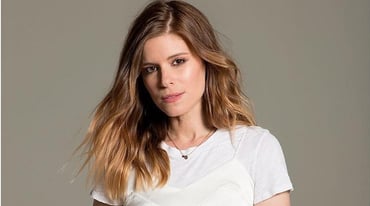



Mia Khalifa was born on February 10, 1993, in Beirut, Lebanon. Mia Khalifa moved to the U.S. at just 8 years old. Growing up in Maryland, she was your classic overachiever: reserved, brainy, and goal-driven.
She later graduated from the University of Texas at El Paso with a history degree, proving early on that she was never one to settle for ordinary.
Before the fame , and long before the internet turned her into a global headline , Mia was just a young woman chasing the American dream.
Mia Khalifa’s Explosive Porn Career
In October 2014, Khalifa made a decision that would change her life forever: she entered the adult film industry.
Mia Khalifa porn career lasted only three months, but it shattered records. She quickly shot to the #1 spot on major adult platforms like Pornhub, and a single controversial video , featuring her wearing a hijab , catapulted her into a global firestorm.
All over a few months of work, she would later deeply regret.
Mia Khalifa has since been outspoken about her experiences. She earned only around $12,000 from her films, a staggering contrast to the multi-millions her videos generated for others. She’s clarified that she feels exploited by an industry that refuses to let her move on.
Strong Take: Mia Khalifa’s story isn’t just about adult entertainment , it’s about how the internet unfairly immortalizes women for mistakes they should have been allowed to outgrow.
Mia Khalifa’s Career Beyond Porn
When Khalifa walked away from adult entertainment, she didn’t fade into obscurity , she fought to rebuild herself.
She dived into sports commentary, joining shows like “Out of Bounds” by Complex News and collaborating with outlets like RoosterTeeth.
Mia showed the world she wasn’t just a viral name , she was intelligent, quick-witted, and could talk sports better than most “experts” on TV.
Today, her massive social media following (millions strong across Instagram, TikTok, and Twitter) proves her staying power. She’s also become a voice for women’s rights, mental health, and body positivity , using her platform for real-world impact.
Mia Khalifa’s Fashion Glow-Up: From Viral Sensation to Style Queen
Forget what you thought you knew about Mia Khalifa’s style.
Gone are the provocative, hypersexualized outfits of her past. Today’s Mia is all about minimalist sophistication and boss-woman energy.
Her go-to looks include:
- Tailored blazers and chic neutral tones
- High-end streetwear , oversized hoodies, ripped jeans, and luxury sneakers
- Elegant evening gowns that scream confidence without shouting for attention
Every look tells a story: Mia Khalifa owns her narrative , and her wardrobe backs it up.
Her fashion evolution is more than aesthetics; it’s a visual reclaiming of agency and autonomy. Instagram is her runway, and trust us , every curated photoshoot, every candid moment , screams rebirth.
Lights, Camera, Empowerment: Mia’s Stunning Photoshoots
Today’s Mia Khalifa doesn’t pose for shock value , she models for empowerment.
Her recent photoshoots reflect strength, maturity, and a woman in charge of her image.
Whether she’s dripping in high fashion or stripped back to natural beauty, Mia’s modern photoshoots reveal a woman in complete control of her destiny. Audiences are responding: Her posts rack up millions of likes and shares, proving that people love seeing her thrive on her terms.
Lifestyle Goals: Inside Mia Khalifa’s World
Behind the glam, Mia Khalifa lives a life rooted in wellness, travel, and advocacy.
- Fitness First: Mia shares intense gym sessions, healthy recipes, and real talk about body image.
- Mental Health Warrior: She openly promotes therapy and destigmatizes mental health conversations , a rare and decisive move for someone with her platform.
- Global Explorer: Whether basking on a Maldives beach or strolling the streets of Paris, Mia Khalifa documents every adventure with wit and wonder.
In her personal life, Khalifa’s relationships have also been public, sometimes painfully so. After a brief early marriage, she later married Robert Sandberg, a Swedish chef, in 2020 before parting ways amicably in 2021.
Through it all, Mia remains candid about love, heartbreak, and learning from mistakes , again proving she’s a voice worth listening to.
Mia Khalifa is no longer just a viral sensation. She’s a businesswoman, a social advocate, a style icon, and a symbol of owning your narrative, no matter what the world throws at you.
https://www.instagram.com/p/DICIKSIKPj6/
https://www.instagram.com/p/DGdIoa5Kx_q/
https://www.instagram.com/p/DGY1E1QK-df/
https://www.instagram.com/p/DFqqfo4RMBK/
https://www.instagram.com/p/DEm1CjYxZtK/
https://www.instagram.com/p/DDhqiFWxliC/
https://www.instagram.com/p/DCzm1XbRZ3Y/
https://www.instagram.com/p/C_-zEI4xeNH/
https://www.instagram.com/p/C_nnL95RGzA/
https://www.instagram.com/p/C_thEpaxzSP/
https://www.instagram.com/p/C7PLO0oJdAI/
https://www.instagram.com/p/C3iWazdLYGi/
https://www.instagram.com/p/C0ZioSKLnww/
https://www.instagram.com/p/Cxxj9pauEqe/
https://www.instagram.com/p/CwD0hSQJTSw/
https://www.instagram.com/p/CuZlUXHreXt/
https://www.instagram.com/p/Ct8uUWxOvVO/
https://www.instagram.com/p/Csv71jGu3L_/
https://www.instagram.com/p/CtHYLMVLrYK/
https://www.instagram.com/p/CrdhhS6OlkD/
https://www.instagram.com/p/CrJTw-XJdTU/
https://www.instagram.com/p/Cn428Y_OrFZ/
https://www.instagram.com/p/CmHq13euEFV/
https://www.instagram.com/p/ChA9_Ngv92Y/
Photo Credit: @miakhalifa
Business Ventures and Digital Entrepreneurship
Mia Khalifa has strategically leveraged her digital prominence into a diversified business portfolio that extends well beyond sponsored content. She co-founded Sheytan, a jewelry label that blends Middle Eastern heritage motifs with contemporary streetwear aesthetics, positioning the brand at the intersection of cultural narrative and modern luxury. The venture reflects her commitment to reclaiming cultural symbols on her own terms, with pieces often selling out within hours of release. Beyond fashion, Khalifa has navigated the creator economy with precision, launching a subscription-based platform that offers subscribers direct access to unfiltered commentary, behind-the-scenes content, and lifestyle curation. This model allows her to monetize her audience directly, circumventing traditional media gatekeepers and algorithmic volatility. She has also invested in early-stage consumer brands and served as a strategic advisor for Web3 projects, demonstrating a sophisticated understanding of digital asset ecosystems. Her business decisions consistently prioritize ownership and intellectual property control-lessons learned from an early career where she held neither. By treating her personal brand as an enterprise rather than a persona, Khalifa has established a template for creator-led capitalism that emphasizes longevity, equity, and narrative sovereignty.
Advocacy for Industry Reform and Performer Rights
Khalifa has emerged as one of the most visible advocates for structural reform within the adult entertainment industry, channeling her experience into legislative and cultural advocacy. She has testified before lawmakers and collaborated with organizations such as the Free Speech Coalition and the National Center for Missing & Exploited Children to push for stricter age-verification protocols, mandatory contract transparency, and the implementation of “right to be forgotten” frameworks for performers seeking to exit the industry. Her advocacy centers on the disparity between the perpetual revenue generated by legacy content and the one-time compensation performers receive-a dynamic she describes as predatory licensing rather than labor. Khalifa has also spoken candidly about the psychological toll of digital permanence, advocating for platform accountability regarding non-consensual distribution and deepfake proliferation. Her willingness to engage in nuanced policy discussions, rather than relying solely on personal narrative, has elevated the discourse from tabloid fodder to labor rights conversation. She regularly amplifies the voices of lesser-known performers who lack her platform, framing the issue as systemic rather than individual. This work positions her not merely as a critic of her past, but as an architect of safeguards for future generations of creators navigating high-exposure, low-protection digital economies.
Cultural Identity and the Diaspora Dialogue
Khalifa’s Lebanese heritage remains a throughline in her public evolution, informing both her aesthetic sensibilities and her sociopolitical commentary. She has used her platform to draw attention to the humanitarian crises in Lebanon, particularly following the 2020 Beirut port explosion, mobilizing fundraising efforts and amplifying on-the-ground reporting from local journalists. Her engagement extends beyond crisis response; she routinely highlights Lebanese designers, musicians, and culinary traditions, framing cultural preservation as resistance against erasure. This duality-navigating Western fame while maintaining an unapologetic connection to her roots-resonates deeply with the global Lebanese diaspora and broader MENA communities. Khalifa has addressed the complexity of representing a conservative culture in secular, hyper-visible spaces, acknowledging criticism from traditional quarters while refusing to perform contrition for her autonomy. Her jewelry brand, Sheytan, literally meaning “devil” in Arabic, reclaims a term historically used to police women’s behavior, transforming stigma into subversion. By weaving Arabic calligraphy, evil-eye motifs, and regional craftsmanship into luxury goods, she constructs a third space where heritage and modernity coexist without dilution. This cultural fluency distinguishes her from peers who treat identity as aesthetic; for Khalifa, it is an operational framework that guides partnerships, philanthropy, and public discourse.
Media Presence and Podcast Evolution
Mia Khalifa has translated her cultural fluency into a sustained media presence that defies the typical lifecycle of internet celebrity. Since 2021, she has co-hosted “Time Out with Mia Khalifa,” a podcast produced in partnership with iHeartRadio that blends sports analysis, pop-culture commentary, and candid interviews with athletes, musicians, and fellow creators. The format allows her to control the tempo and tone of conversations, a deliberate departure from the soundbite-driven appearances that defined her early post-industry years. Episodes routinely chart on Apple Podcasts’ sports and society lists, reflecting a listenership that values her unvarnished perspective on everything from NFL quarterback play to the mechanics of influencer contracts. She has also served as a recurring correspondent for Complex Sports and contributed long-form essays to Penthouse and Playboy, reclaiming editorial space in publications that once marginalized performers. By treating audio and print as strategic pillars rather than promotional afterthoughts, Khalifa has built a media asset class that generates recurring revenue and deepens audience loyalty. This diversification insulates her from platform algorithm shifts and reinforces her positioning as a commentator whose authority derives from lived experience, not borrowed expertise.
Philanthropy and Humanitarian Initiatives
Khalifa’s philanthropic work operates with the same strategic intentionality that defines her business ventures. Following the 2020 Beirut port explosion, she launched a targeted fundraising campaign through her jewelry brand, Sheytan, directing one hundred percent of proceeds from a limited-edition collection to the Lebanese Red Cross and grassroots relief organizations. The initiative raised over $100,000 in its first week, leveraging her global audience for measurable humanitarian impact. She has since formalized a recurring donation model, allocating a fixed percentage of monthly subscription revenue to rotating causes that include refugee legal aid, mental health access for sex workers, and youth arts programs in underserved Lebanese communities. Khalifa partners exclusively with organizations that publish transparent financial reporting, refusing performative activism in favor of accountable capital deployment. She also serves as an advisory board member for Not Your Porn, a UK-based campaign advocating for stricter content moderation and performer protections on adult platforms. By embedding philanthropy into her revenue architecture rather than treating it as episodic charity, she models a creator-economy framework where influence compounds into structural support for vulnerable populations. This approach has drawn recognition from Forbes and Fast Company for its innovation in influencer-led social impact.
Legal Battles and Intellectual Property Advocacy
Khalifa’s most consequential battles have unfolded in courtrooms and copyright offices, where she has challenged the infrastructure that profits from her image without consent. In 2019, she filed a trademark application for her legal name and stage name, securing federal registration that enables enforcement against unauthorized merchandise, deepfake proliferation, and commercial misappropriation. She has issued hundreds of DMCA takedowns against platforms hosting non-consensual reuploads, and in 2021 joined a class-action lawsuit targeting MindGeek (parent company of Pornhub) alleging systemic failure to remove verified illegal content. The litigation seeks to establish precedent for performer copyright ownership in perpetuity clauses, arguing that contracts signed under financial duress and informational asymmetry are unconscionable. Khalifa has also petitioned the U.S. Copyright Office to expand the Digital Millennium Copyright Act’s safe harbor provisions to include mandatory performer verification workflows. Her legal strategy extends beyond personal redress; she funds pro bono representation for performers pursuing similar claims through a dedicated legal defense initiative. These efforts have contributed to policy changes at major platforms, including stricter upload verification and accelerated removal timelines. By treating intellectual property as a labor right rather than a commercial privilege, Khalifa is reshaping the legal architecture of the creator economy.
Mia Khalifa Net Worth and the Reality of Celebrity Wealth
Search interest around Mia Khalifa net worth remains high, yet public estimates should be treated with caution. Celebrity wealth figures published online are rarely based on audited financial records, and they often overlook taxes, management fees, business expenses, investments, and the fluctuating value of creator-led income. Khalifa has publicly disputed the assumption that her brief adult-film career made her wealthy, stating that she received limited compensation during that period.
Her financial position today is more accurately understood through the modern creator economy. Income for a public figure at her scale can come from brand partnerships, direct-to-fan subscriptions, paid appearances, media projects, licensing, fashion collaborations, and independently owned products. Unlike a conventional salary, these revenue streams can change substantially from year to year.
The more important story is ownership. Khalifa’s public evolution reflects a deliberate move toward work that gives her greater control over her name, image, audience, and commercial terms. That distinction matters in an era when visibility is often mistaken for financial security. Her career illustrates that digital fame has value only when the person generating attention has meaningful participation in the business behind it.
A New York Lens on Mia Khalifa's Personal Style
Mia Khalifa’s current wardrobe speaks fluently to a New York fashion sensibility: polished but practical, expressive without looking overworked, and built around strong individual pieces. Her looks often balance clean tailoring with off-duty staples, including structured outerwear, fitted tops, vintage-inspired denim, leather accessories, and statement eyewear. It is a formula that translates naturally from a downtown dinner to a fashion-week-adjacent event.
What makes the style direction compelling is its restraint. Rather than relying on a single trend cycle, Khalifa uses proportion, texture, and confident styling to create impact. A sharp blazer can be paired with relaxed trousers, while a simple dress becomes more directional through boots, a compact bag, or sculptural jewelry. This approach makes her visual identity feel personal instead of costume-driven.
For global audiences, the appeal is equally clear. Her fashion choices draw from streetwear, contemporary luxury, and Mediterranean-inflected glamour without reducing any of those influences to a cliché. The result is a wardrobe that feels international and wearable. It also reinforces the central theme of her public reinvention: image can be edited, refined, and claimed on one’s own terms.
Digital Image, Consent, and Responsible Celebrity Coverage
Mia Khalifa’s career raises a broader question for media, platforms, and audiences: what obligations come with sharing a public figure’s image? A photograph posted to social media may be widely visible, but visibility does not erase the need for context, attribution, consent, or respectful editorial judgment. This is especially relevant for women whose names have been shaped by sensationalized search culture.
Responsible coverage should distinguish between current, self-published fashion imagery and material that relies on outdated or exploitative associations. Crediting photographers and creators where information is available, linking to original posts, and avoiding misleading captions are basic standards. Publications should also be alert to manipulated images, impersonation accounts, and AI-generated content that can blur the line between authentic editorial material and harmful fabrication.
For readers, media literacy is part of modern style culture. Following verified accounts, checking image sources, and resisting the urge to amplify invasive content all help create a more ethical digital environment. Khalifa’s experience demonstrates why this matters. A person’s past may inform public interest, but it should not become a permanent license to disregard their present work, personal boundaries, or right to direct their own image.
Beauty Philosophy and Skincare Rituals
Khalifa approaches beauty with the same intentionality that defines her wardrobe: less spectacle, more substance. Her routine centers on barrier repair, consistent sun protection, and targeted treatments rather than trend-chasing. She has spoken openly about managing melasma and post-inflammatory hyperpigmentation, conditions exacerbated by years of heavy stage makeup and inconsistent care. Her morning regimen typically pairs a gentle antioxidant serum with a mineral SPF 50, while evenings introduce retinol or prescription-strength actives cycled to prevent sensitization. She favors fragrance-free formulations from brands that publish clinical data, and she credits regular professional microneedling and laser sessions for maintaining texture.
Makeup, when she wears it, serves to amplify rather than mask. A cream blush, tinted brow gel, and a single swipe of high-shine balm constitute her daily uniform. For events, she leans into a diffused smoky eye or a classic red lip, executed with precision but never rigidity. Khalifa has also used her platform to normalize cosmetic transparency, discussing dissolvable filler and Botox without shame or evangelism. This candor extends to her partnerships; she aligns only with brands that disclose ingredient concentrations and avoid fear-based marketing. By treating skin health as a long-term investment rather than a corrective project, she models a beauty philosophy rooted in agency, education, and sustainability-values that resonate across the global audiences who look to her for more than outfit inspiration.
Navigating Algorithmic Volatility and Platform Risk
Khalifa’s career offers a masterclass in platform diversification, a necessity for any creator whose visibility has been weaponized against them. She learned early that audience access mediated by opaque algorithms is a liability, not an asset. Her response has been systematic: she directs traffic from Instagram and TikTok to owned channels including a subscription platform, a newsletter, and a dedicated community server where she controls the terms of engagement. This infrastructure proved decisive during multiple high-profile shadowbans and content-flagging incidents, episodes that would have decimated a less prepared creator. She has also negotiated direct licensing agreements for her likeness, ensuring that brand partnerships include data-portability clauses and revenue-sharing models tied to first-party metrics rather than platform-reported impressions.
Beyond self-preservation, Khalifa advocates for structural reform. She has consulted with policy teams at major platforms on creator safety tools, pushing for appeal transparency, human review escalation paths, and monetization protections during disputed enforcement actions. Her testimony before congressional staffers on the SHIELD Act and similar legislation emphasized that deplatforming disproportionately targets marginalized creators, particularly women of color and sex workers. By treating platform risk as an operational variable rather than an act of god, she has built a business model that survives algorithmic whims. For the emerging generation of digital entrepreneurs, her architecture-owned audience, diversified revenue, legal redundancy-functions as a blueprint for durability in an ecosystem designed for impermanence.
Mentorship and the Next Generation of Creators
Khalifa has quietly formalized a mentorship pipeline for creators navigating high-exposure transitions, particularly those exiting adult entertainment or surviving viral infamy. Through a private collective she launched in 2022, she connects early-career talent with entertainment attorneys, financial planners, trademark specialists, and crisis-communications strategists-resources she lacked during her own pivot. The program operates on a referral basis, vetting participants for commitment to long-term brand building over short-term monetization. Alumni have launched independent media companies, negotiated favorable exit clauses from predatory management contracts, and secured ownership of their content libraries. Khalifa hosts quarterly workshops covering contract negotiation, tax structuring for international income, and boundary-setting with audiences.
Her approach rejects the savior narrative. She positions herself as a conduit for information asymmetry reduction, not a gatekeeper of opportunity. Participants sign confidentiality agreements but retain full autonomy over their creative direction. Khalifa also amplifies their launches across her channels, providing distribution without equity demands. This model has drawn interest from creator-economy funds and academic researchers studying labor mobility in digital markets. By investing in systemic knowledge transfer rather than individual patronage, she addresses the structural isolation that makes performers vulnerable to exploitation. The initiative reflects her broader thesis: lasting cultural change requires infrastructure, not just inspiration. For a publication rooted in New York’s fashion and media ecosystems, her work underscores that the most valuable currency in the attention economy is not reach, but the ability to convert reach into sovereign, sustainable careers.