
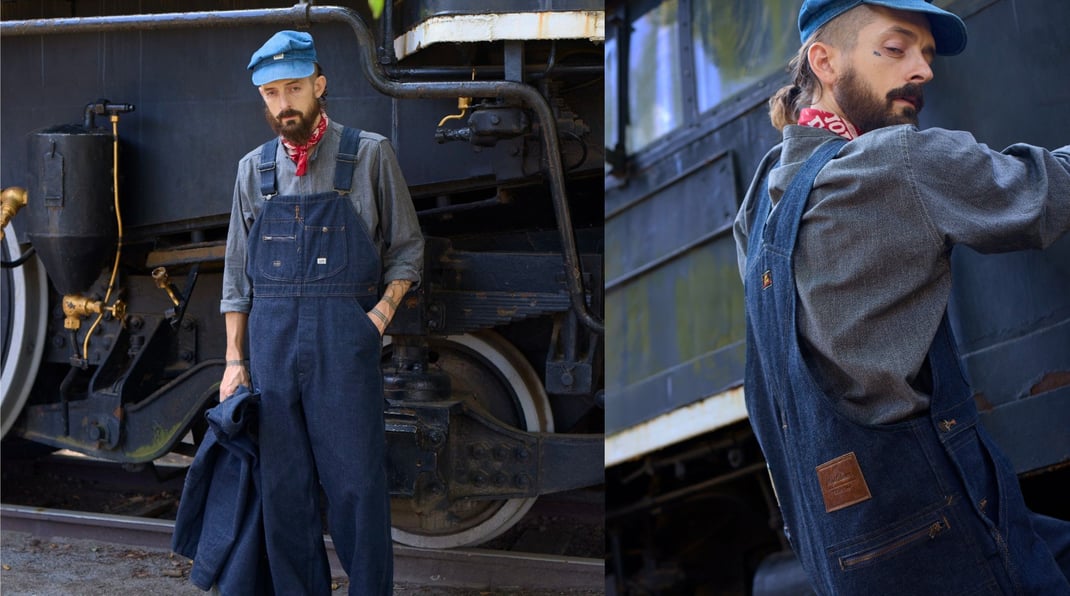

A 10-piece Lee collaboration built on a deliberately uneven Japanese selvage reached U.S. and European retail in late September.
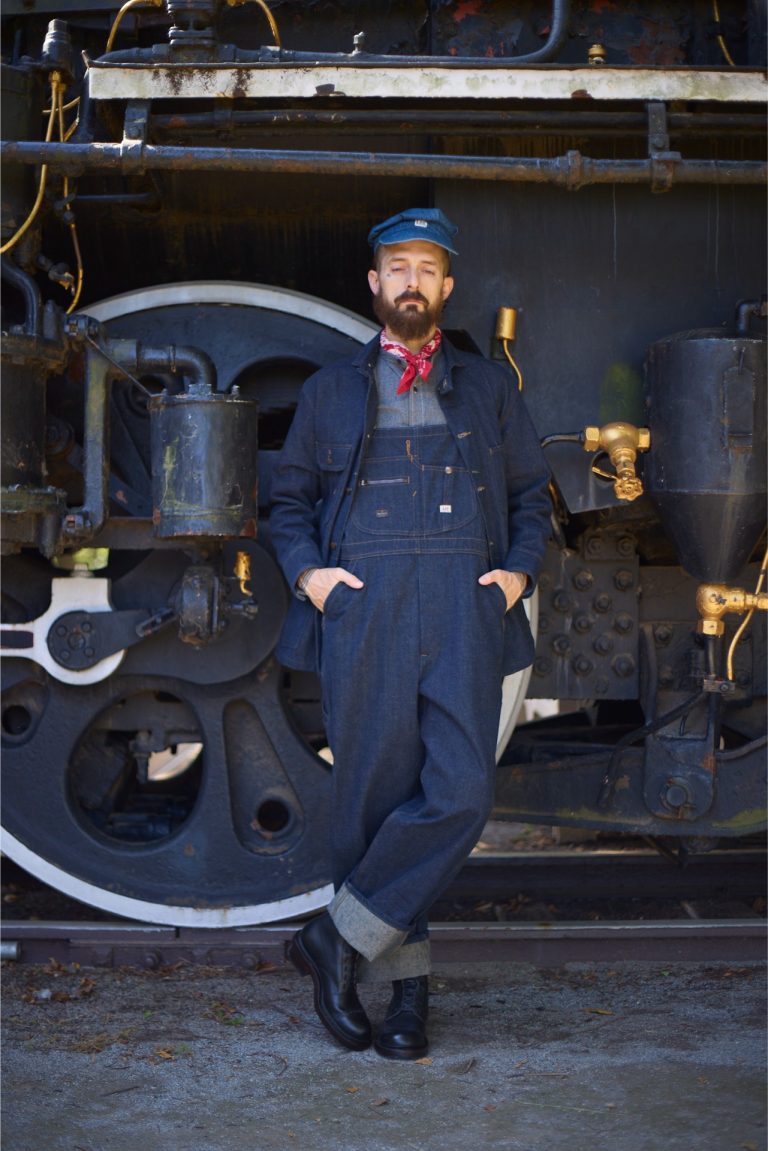
Lee’s collaboration with Nigel Cabourn’s OX’ed Silver label reached Lee.com in the United States and Europe on Sept. 24, roughly three months after the British designer died at 77. What was built as a heritage capsule now functions as a closing entry in a five-decade career spent arguing that workwear patterns deserve the same archival treatment as tailoring.
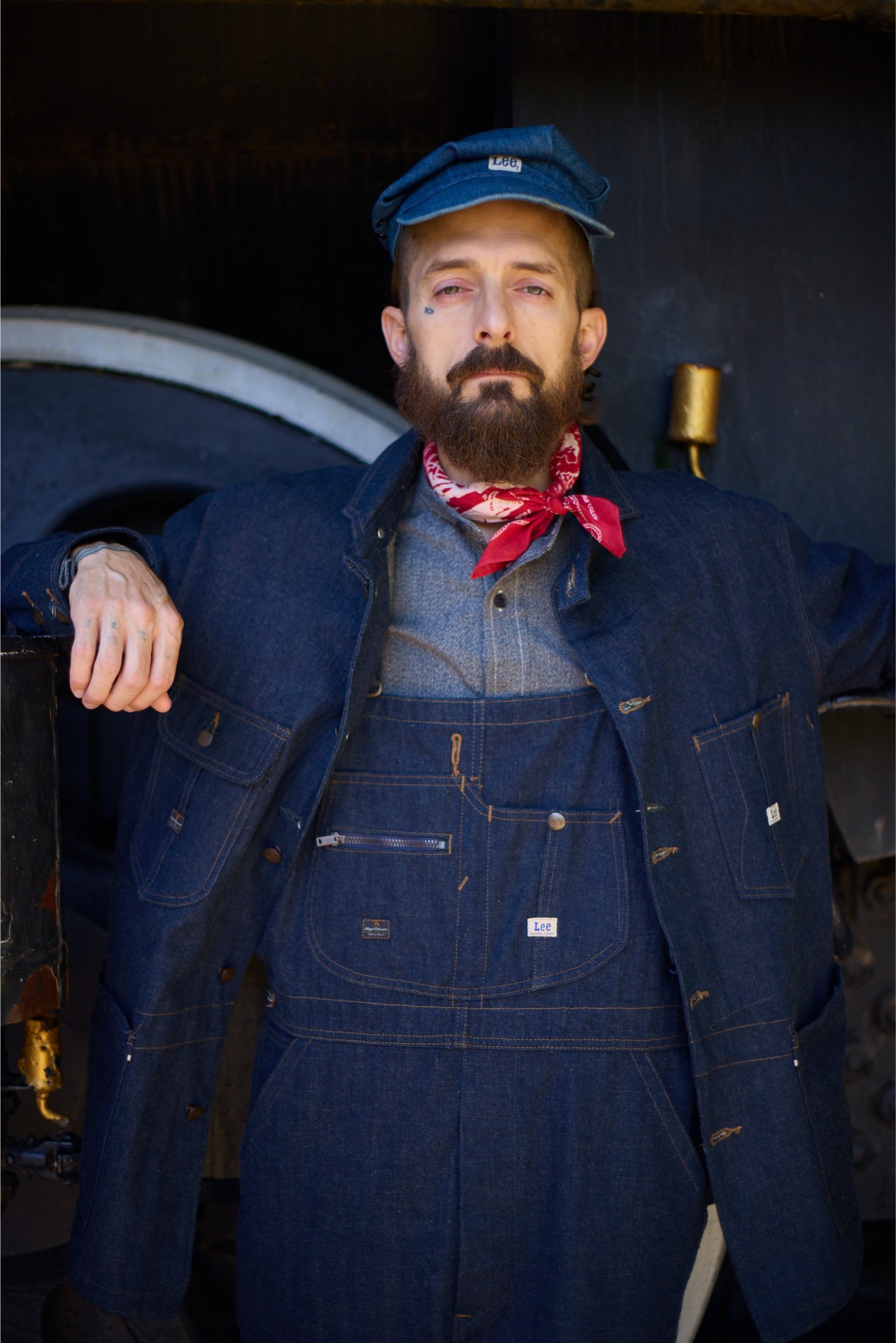
The 10-piece collection reworks Lee styles from the 1920s through the 1940s: the 91J Loco Jacket, the 101J jacket, the 91B overall and the 101 jean. All of it is made in Japan.
A Collection That Became a Coda
Cabourn’s death was announced on Instagram on June 12 following a period of illness. He had launched his first label, Cricket, while studying at Newcastle College of Art and Industrial Design, built his own-name brand through the 1980s, and was named Designer of the Year in 1985. He stayed in Newcastle rather than relocating to London, and his method stayed constant: buy the original garment, study its construction, then rebuild it rather than reference it.
That method is visible in the language Lee used to announce the capsule, which speaks about him in the past tense.
“Nigel Cabourn had a distinct approach to fabrication and construction and a passion for workwear,” said Sedgwick Cole Jr., Lee global design director. “Each piece tells part of Lee’s history while highlighting the artistry of Japanese denim.”
Cabourn’s commercial base had long been Japan, where his labels operate under a licensing arrangement with Marubeni across roughly a dozen stores. OX’ed Silver, his heritage suiting line, is the vehicle for this collection and the one carrying his design vocabulary forward.
Brurry Denim, Engineered to Be Inconsistent
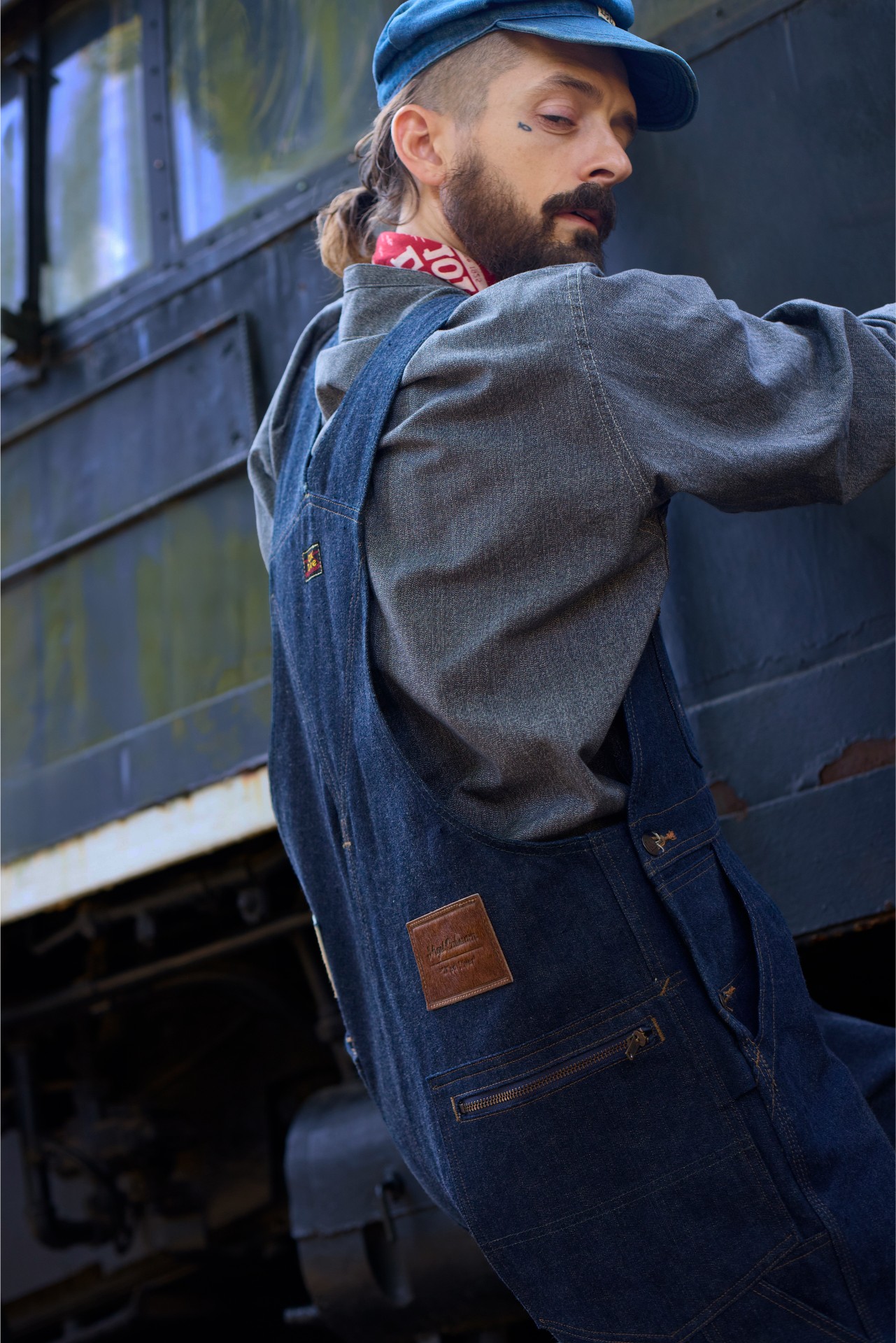
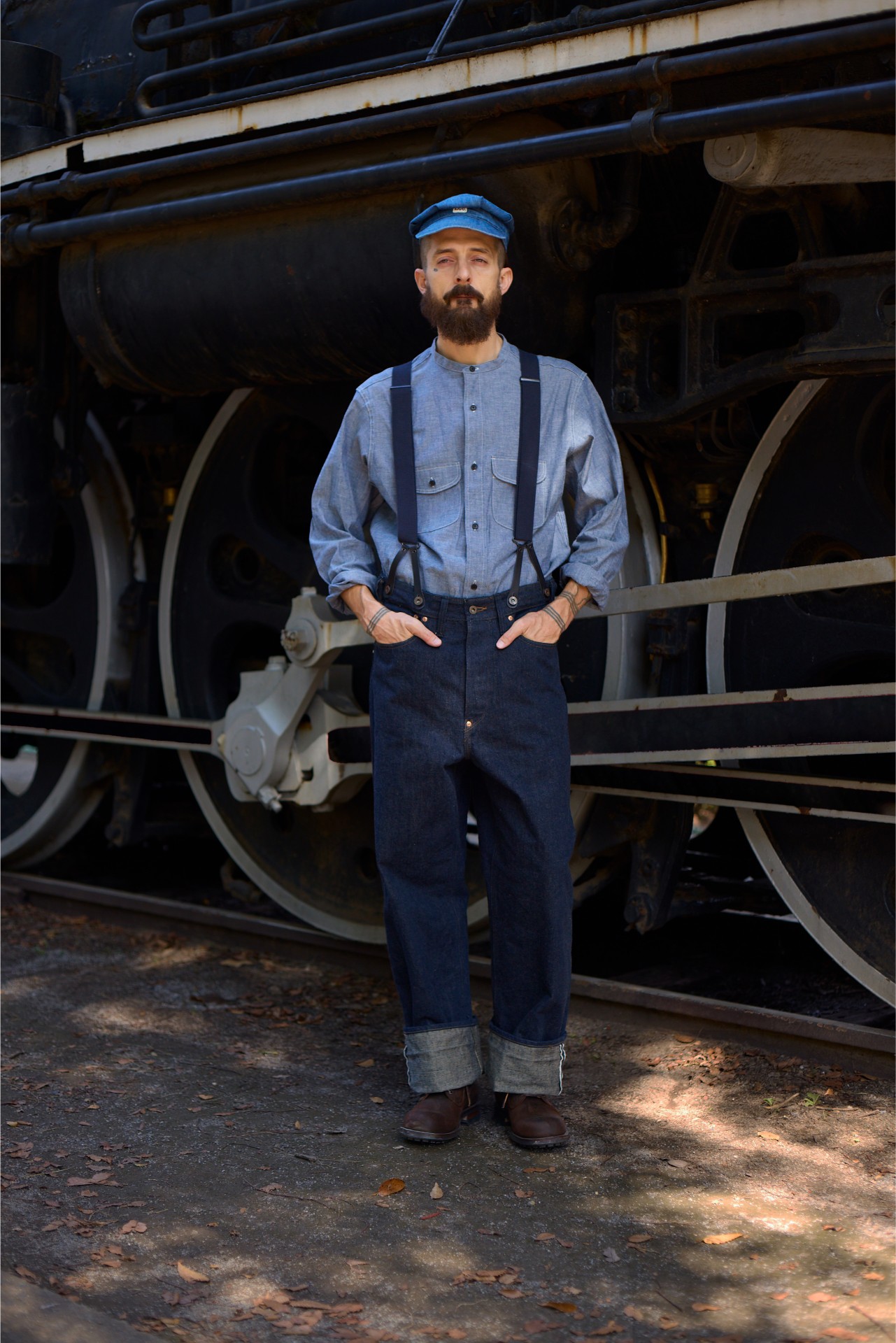
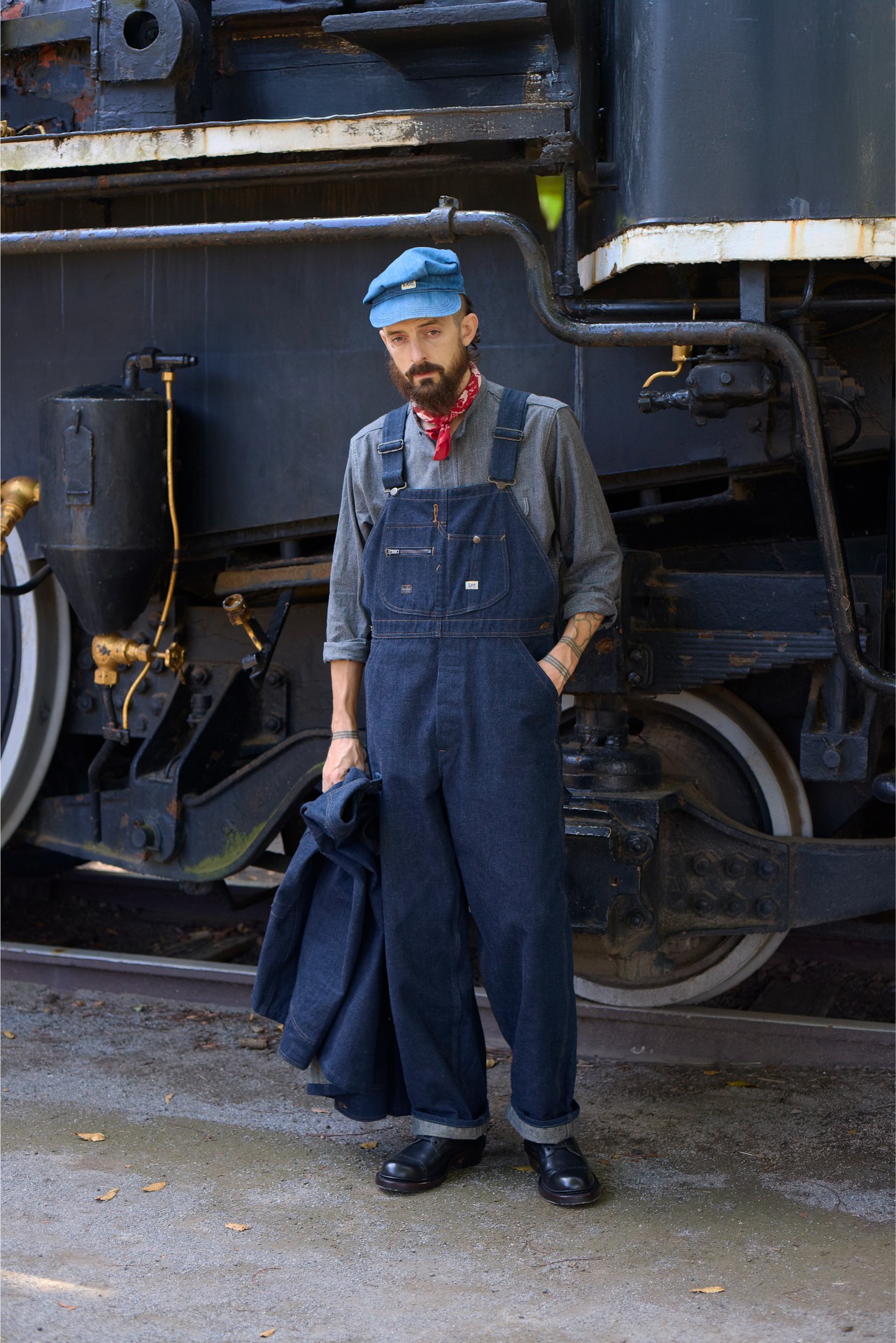
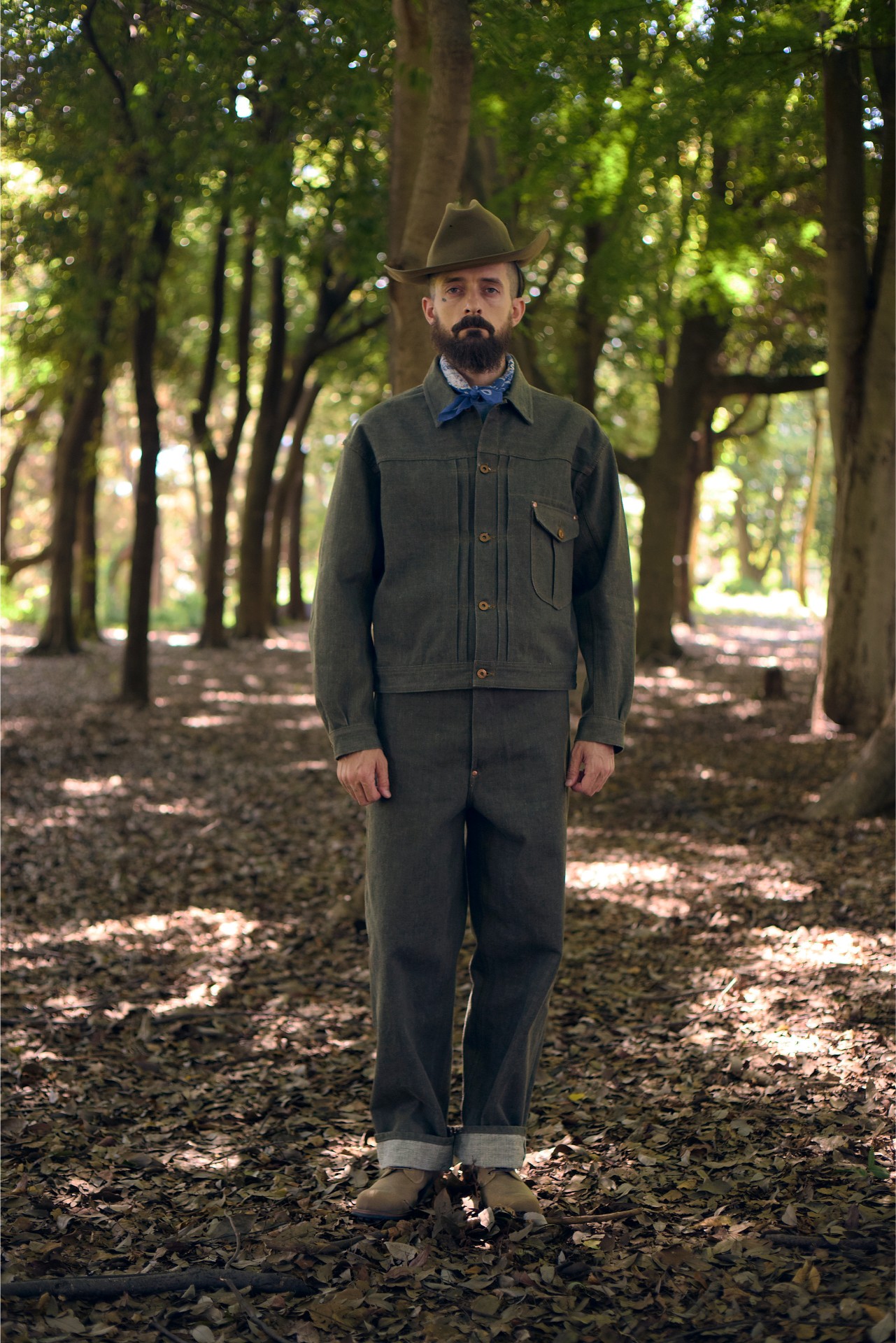
The capsule’s technical centerpiece is Brurry denim, a selvage fabric developed for OX’ed Silver and debuting here. It is spun from intentionally uneven yarns so that fading and wear patterns diverge from garment to garment.
The name is a deliberate misspelling, and the designer who developed it explained why.
“I was inspired by European vintage garments from the 1920s and their fabric imperfections: irregular, unstable and beautifully inconsistent,” said Zuki, head of design at Nigel Cabourn OX’ed Silver. “Normally, it would be spelled Blurry, but I changed the L to an R to give it a sense of instability.”
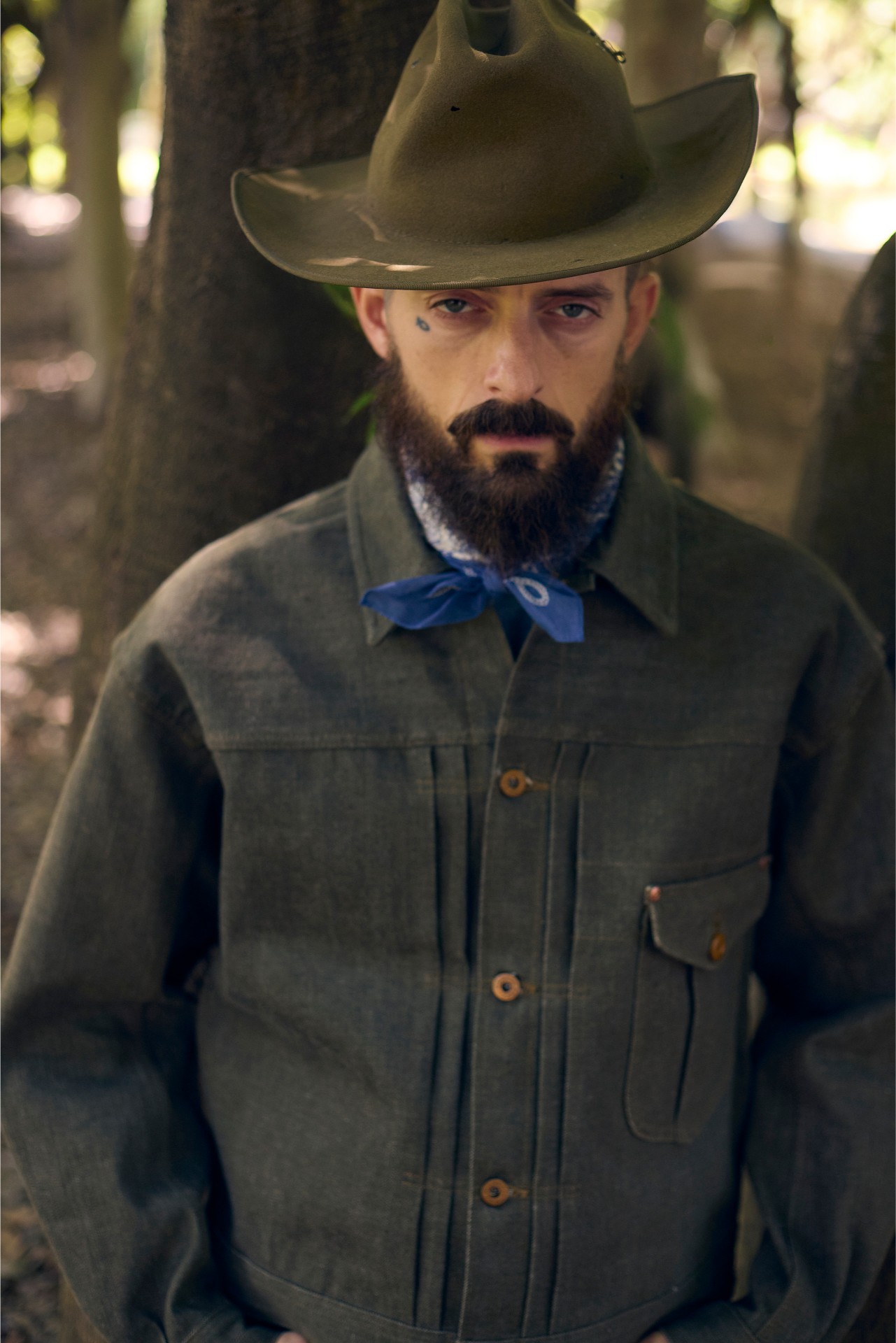
Three dye processes run through the collection. Hank-dyed yarns take indigo deep into the core before tannin and iron mordants deepen the tone. Rope dyeing and sulfur dyeing appear elsewhere. Cheese-dyed yarns produce the olive colorway. The denim is woven on modified vintage shuttle looms in both right-hand and left-hand twills, and several styles combine the two so the weaves age at different rates.
The engineering runs counter to most mass denim production, which spends considerable effort suppressing yarn irregularity. Here the irregularity is the specification.
Three Trades, Three Decades
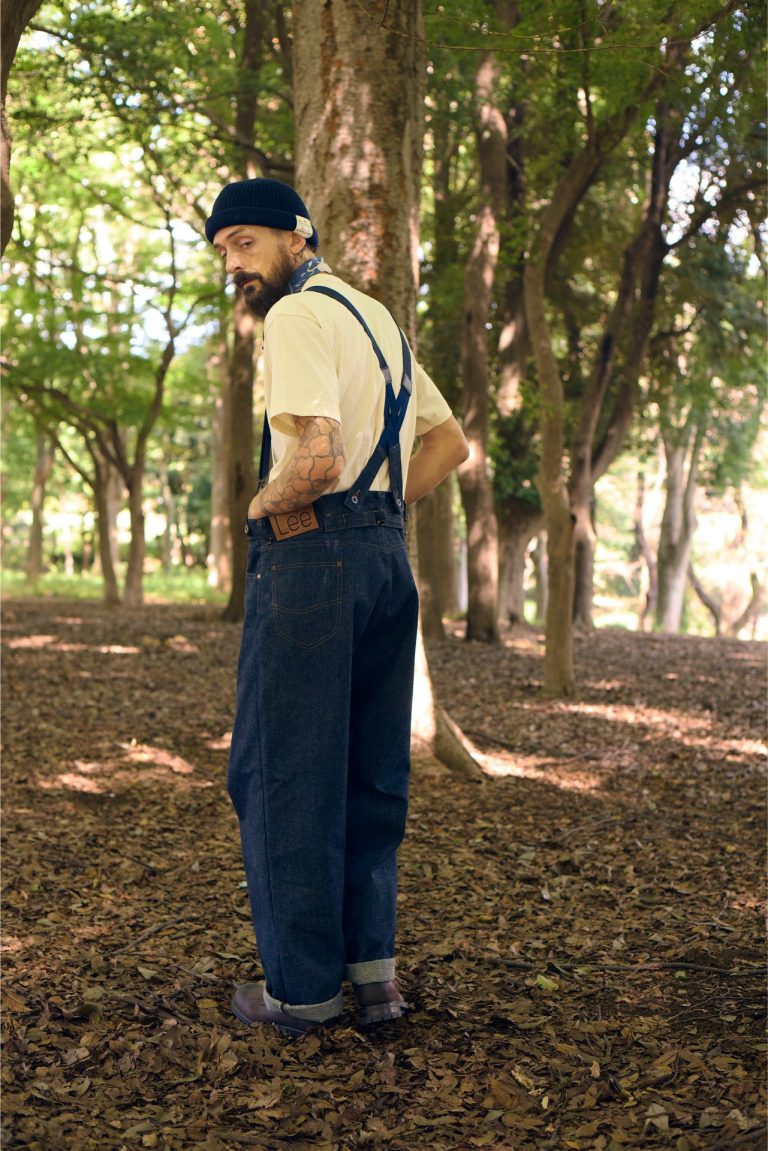
The line is organized by occupation. Railway Man covers 1925 to 1939 and includes the Loco Jacket, an overall and a 101 jean, with period-correct buttons, hair-on-hide patches and suspender attachments. The matching work shirt takes a spread collar borrowed from European fishermen’s jackets and dual spade chest pockets, cut in hank-dyed indigo chambray and a black-based salt-and-pepper fabric.
Ranch Worker covers the early 1940s and reworks the 101J jacket and button-fly jean, pairing the leather waist patch and pleated-front jacket with laurel wreath buttons and exposed selvage.
Rodeo Clown draws on 1943 to 1946 and reimagines the Cowboy 101-Z zip-fly jean as an oversized trouser with a rear waistband cinch and suspender attachments. Both later series come in rope-dyed indigo and cheese-dyed olive.
What the Capsule Does for Lee
For Kontoor Brands, the exercise sits inside a familiar heritage playbook: license the archive to a specialist with credibility in the Japanese denim market, price the output well above mainline, and let the collaboration carry the brand’s historical claim at a volume the core business cannot.
The timing is the useful part. Lee’s 101 line is in its 101st year, and the capsule puts the franchise in front of a collector audience that buys on construction detail rather than brand recall. Whether Lee extends the OX’ed Silver relationship is the open question, and it now depends on how the label operates without its founder.
What is already settled is the fabric. Brurry denim was built so that no two garments age alike, which means the collection will keep producing new versions of itself long after the designer who specified it.