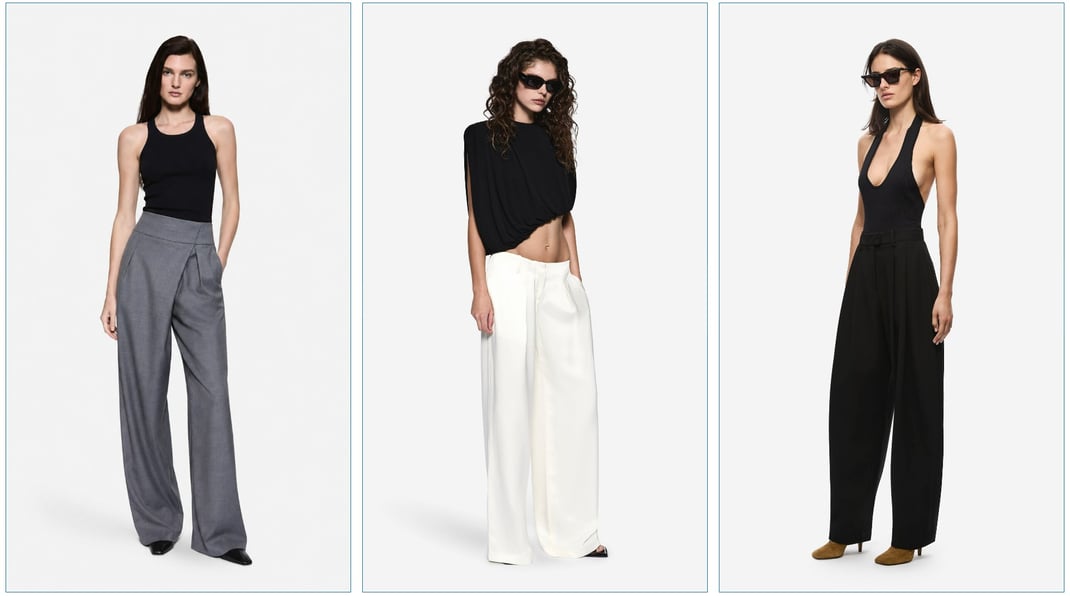

Some wardrobe pieces earn their space because you wear them constantly. A great pair of pants is one of them. The same pair can look relaxed enough for Saturday morning, polished enough for the office, and sophisticated enough for dinner, provided you know what to pair with it.
The trick isn’t owning dozens of different styles. It’s understanding how proportions, fabric, footwear, and layers change an outfit. Once you’ve found a few pairs of women’s pants that fit well and work with the rest of your wardrobe, creating outfits for different occasions becomes much easier.
Instead of thinking of pants as belonging to one particular dress code, think of them as the foundation of an outfit. Here’s how to make that foundation work harder.
1. Keep Casual Outfits Simple
Casual dressing tends to look best when it doesn’t appear overly considered. Straight-leg or relaxed pants paired with a simple T-shirt, tank, or lightweight knit can create an outfit that feels effortless without looking sloppy.
Footwear does much of the work here. Sneakers immediately make tailored pants feel more relaxed, while flat sandals or loafers can create a slightly smarter finish.
Pay attention to proportions as well. If your pants are particularly wide or loose, a more fitted or tucked-in top can create balance. With slimmer pants, you have more room to experiment with oversized shirts and relaxed knits.
2. Make Your Workwear Feel Less Predictable
Office dressing doesn’t have to mean repeating the same combination of black trousers, a white shirt, and a blazer.
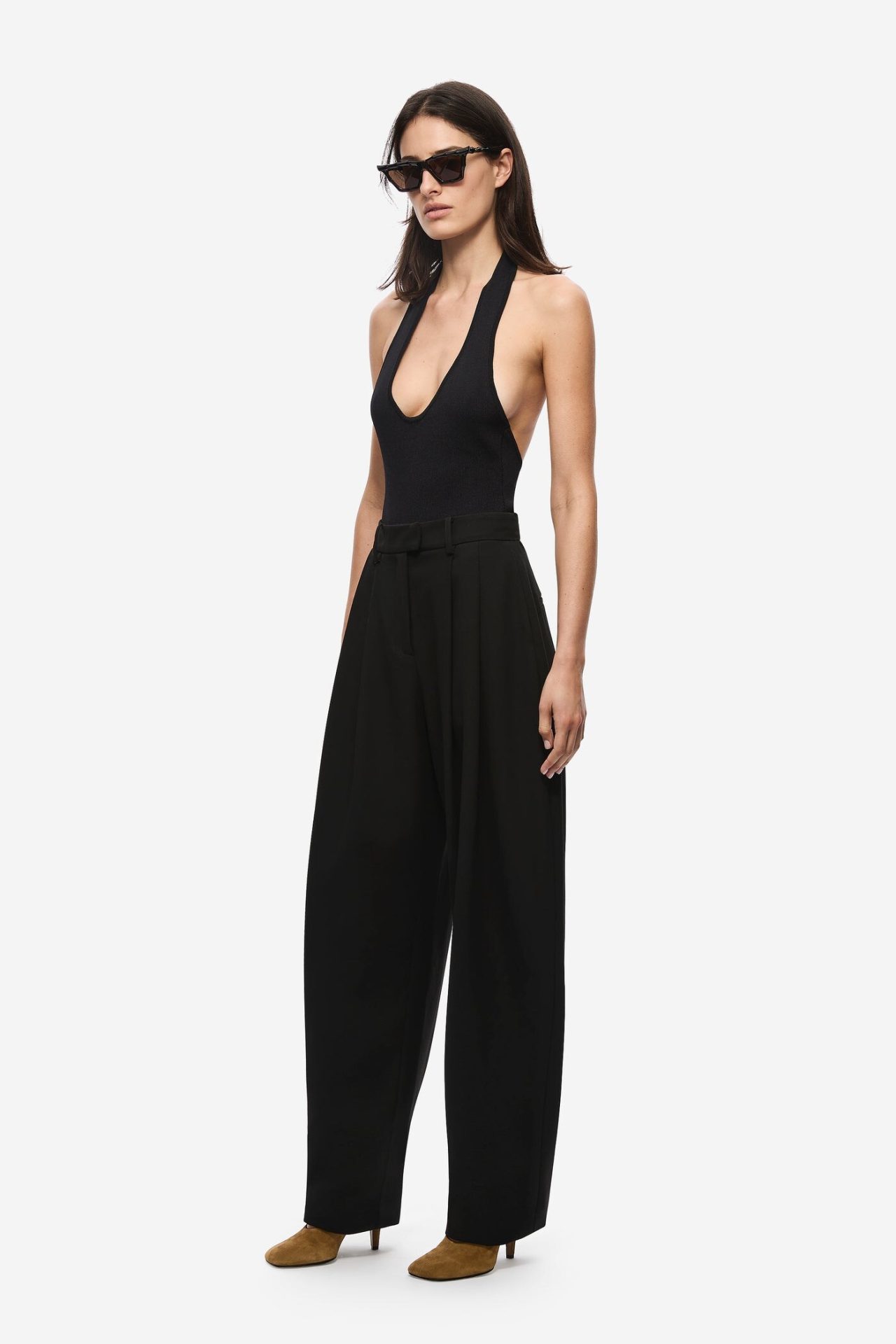
Start with a well-cut pair of tailored pants, then introduce personality through the pieces around them. A fine knit, structured blouse or tucked-in shirt can all work, while loafers, ankle boots or a low heel can change the character of the outfit.
You can also experiment with color. Navy, chocolate, cream, olive and muted neutrals are often just as versatile as black while making a work wardrobe feel less uniform.
If your workplace is relatively relaxed, try pairing tailored pants with a high-quality plain T-shirt and blazer. It sits comfortably between formal and casual without looking underdressed.
3. Take Pants From the Office to Dinner
When you don’t have time for a full outfit change, focus on swapping the pieces that draw the most attention.
Changing your shoes, top, and accessories can completely alter the appearance of the same pants. Swap a work shirt for a fitted top, add jewelry, and replace practical daytime shoes with heels or a sleek boot.
A jacket can make a difference too. Removing a corporate-looking blazer, or swapping it for a cropped jacket, can instantly make the outfit feel less like workwear.
This is where relatively simple pants become particularly useful. Neutral colors and clean silhouettes provide more freedom to change everything around them.
4. Dress Them Up for an Event
Pants can be just as appropriate for dinners, parties and celebrations as a dress.
For a more formal look, fabric becomes important. Flowing materials, sharp tailoring and interesting textures tend to feel more elevated than everyday cotton or casual denim.
Try pairing wide-leg or tailored pants with:
- A fitted or structured top
- A silk or satin-style blouse
- Statement jewellery
- A small clutch or structured bag
- Heels or elegant flats
Rather than adding every dressy element at once, choose one or two points of interest. A dramatic top might need very little jewelry, while a simple monochrome outfit gives you more freedom with accessories.
5. Pay Attention to Where the Hem Falls
One small detail can make an otherwise great outfit look awkward: the wrong pant length.
The ideal hem depends largely on the shoes you’re wearing. Full-length wide-leg pants may look great with heels but bunch around sneakers. Cropped pants can work beautifully with flats or loafers but may sit strangely with certain ankle boots.
When trying on pants, think about the shoes you’re most likely to wear with them. If you find a pair you love, tailoring the hem can also be worthwhile. A small alteration can make an inexpensive pair look considerably more polished.
6. Use the Third-Piece Trick
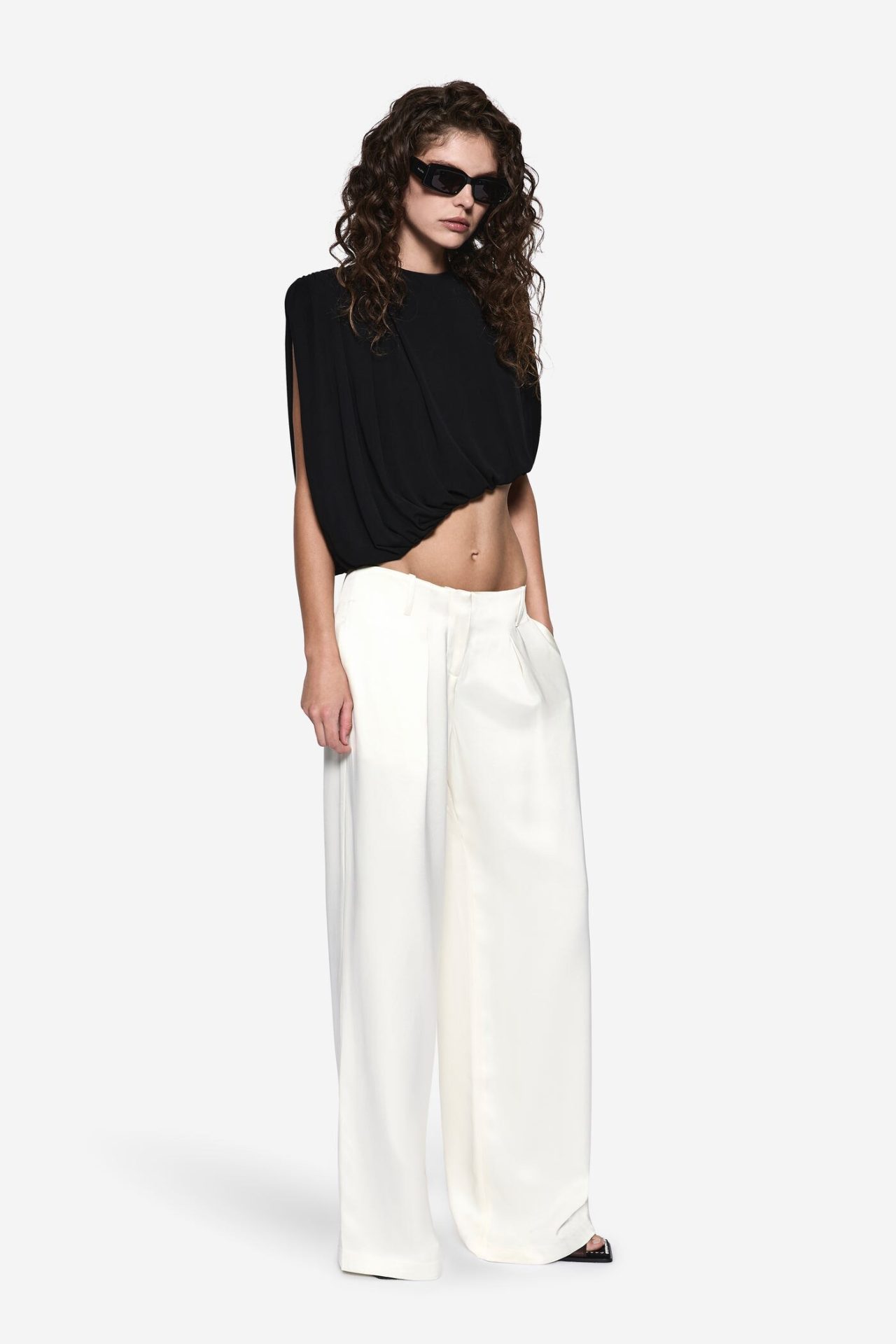
If an outfit consisting of pants and a top feels unfinished, adding one more layer often solves the problem.
That “third piece” might be a blazer, cardigan, overshirt, vest or lightweight jacket. It introduces another shape or texture and can make very simple basics feel like a deliberate outfit.
The approach is particularly handy when traveling. A small collection of interchangeable pants, tops and layers can create far more combinations than packing separate outfits for every day.
7. Build Around the Way You Actually Dress
It’s tempting to buy for an imaginary version of your life. You might love dramatic tailoring or ultra-formal pieces in the fitting room, but they won’t add much value if you spend most of the week in casual settings.
Look at what you genuinely do. If you divide your time between work, weekends, and occasional dinners, prioritize pieces that can move comfortably between those situations.
A versatile wardrobe isn’t necessarily large. When the fit is right, and the pieces work together, a few thoughtfully chosen pairs of pants can give you dozens of combinations. That’s ultimately the goal: fewer mornings staring at a full 옷장 and wondering why you still have nothing to wear.