
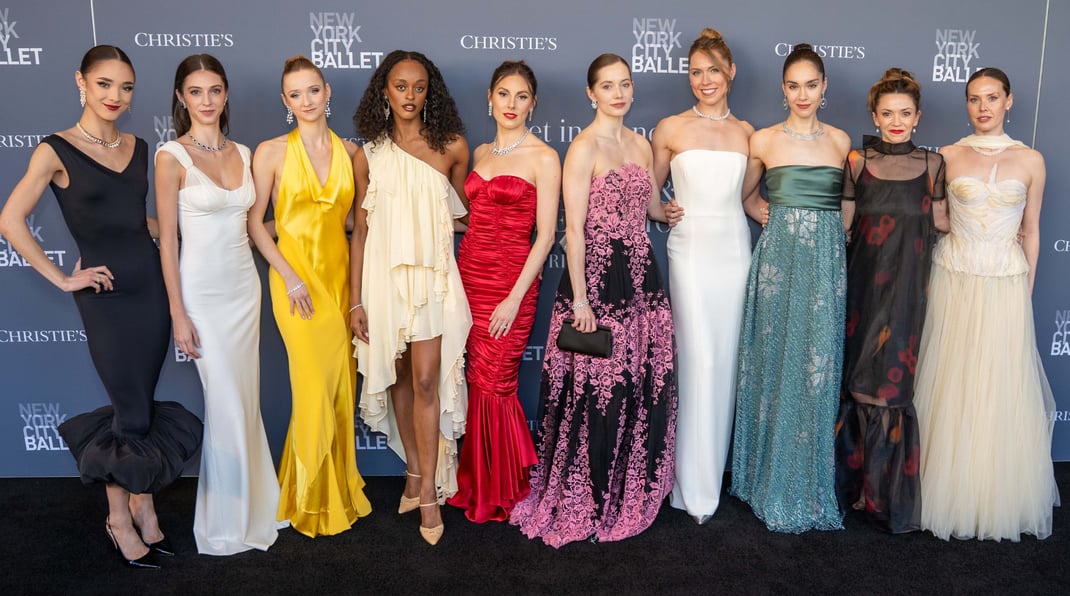

At Lincoln Center, Tiler Peck’s new work, Balanchine’s 다이아몬드, and a quietly polished red carpet made the case for glamour with discipline
There is a particular kind of light at Lincoln Center in May. It catches on glass, on black satin, on the rim of a champagne flute, and for a moment the city seems to soften around its own reflection. On Thursday evening, the New York City Ballet’s 2026 Spring Gala gathered that light and gave it shape: first on the red carpet outside the David H. Koch Theater, then in the hush of the auditorium, where movement, music, and legacy carried the night forward. The gala, titled Set in Stone: Creation & Preservation, featured a world premiere by NYCB principal dancer Tiler Peck and concluded with George Balanchine’s 다이아몬드, the grand finale of Jewels.
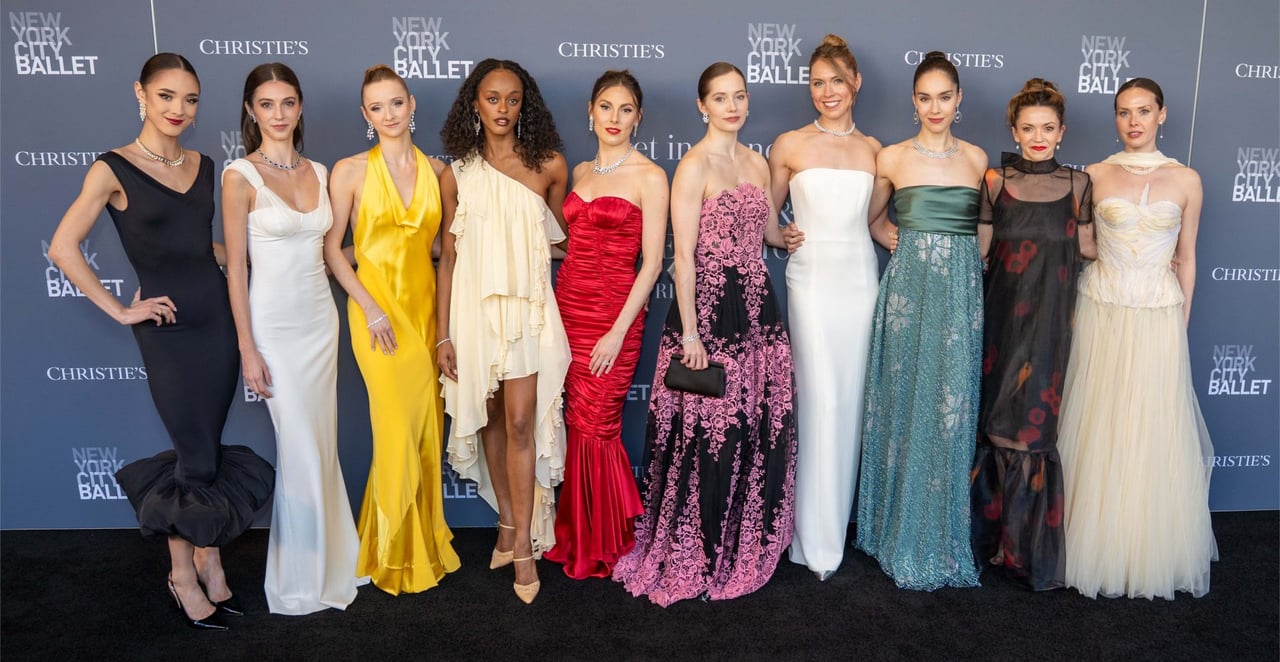
The evening’s premise was unusually clear. This was not simply a gala with a performance attached, nor a celebrity event borrowing cultural gravity from ballet. It was a dialogue between inheritance and authorship. Peck’s new work, her second commission for the company, was set to Édouard Lalo’s Symphonie Espagnole in D Minor and featured violinist Hilary Hahn performing with the New York City Ballet Orchestra. The piece brought together more than 30 dancers, with costumes by Robert Perdziola and lighting by Brandon Stirling Baker. Opposite it stood Balanchine’s 다이아몬드, set to Tchaikovsky’s Symphony No. 3, a work that still seems to understand grandeur not as excess, but as architecture.
That tension, the new gesture beside the preserved jewel, gave the night its emotional charge. Ballet, at its best, has always known how to make discipline look weightless. The same could be said of the strongest fashion in the room.
A Red Carpet That Understood the Assignment
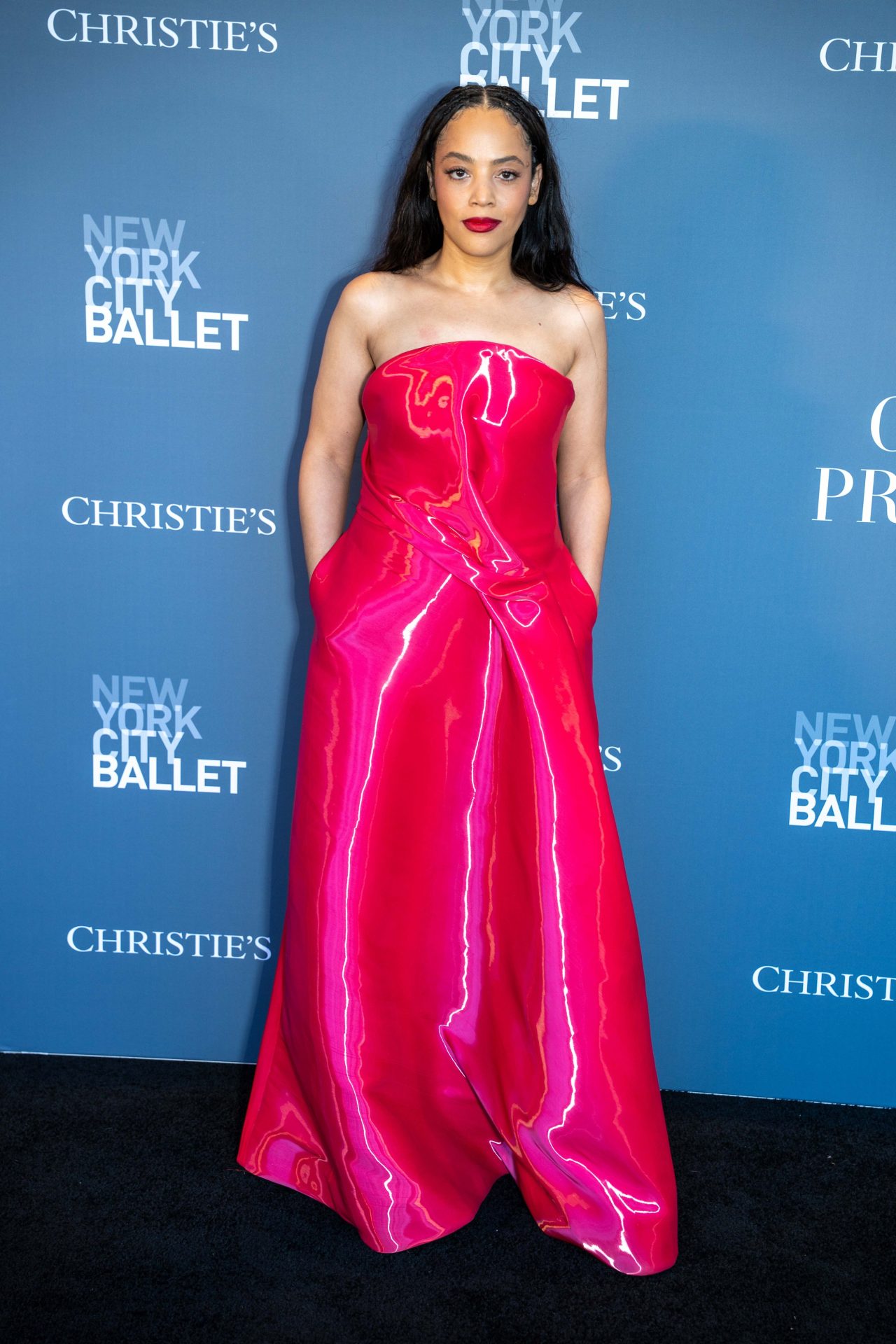
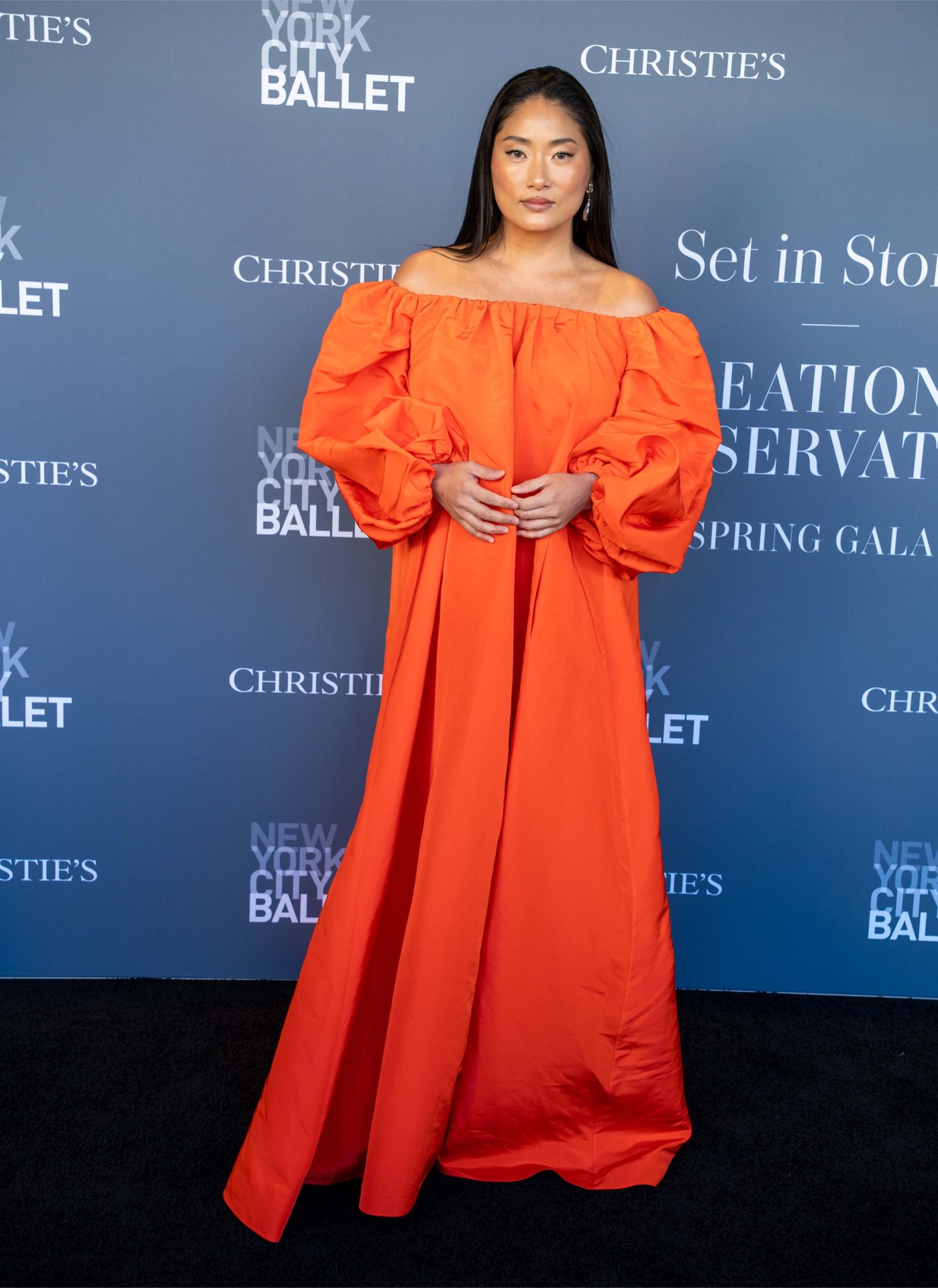
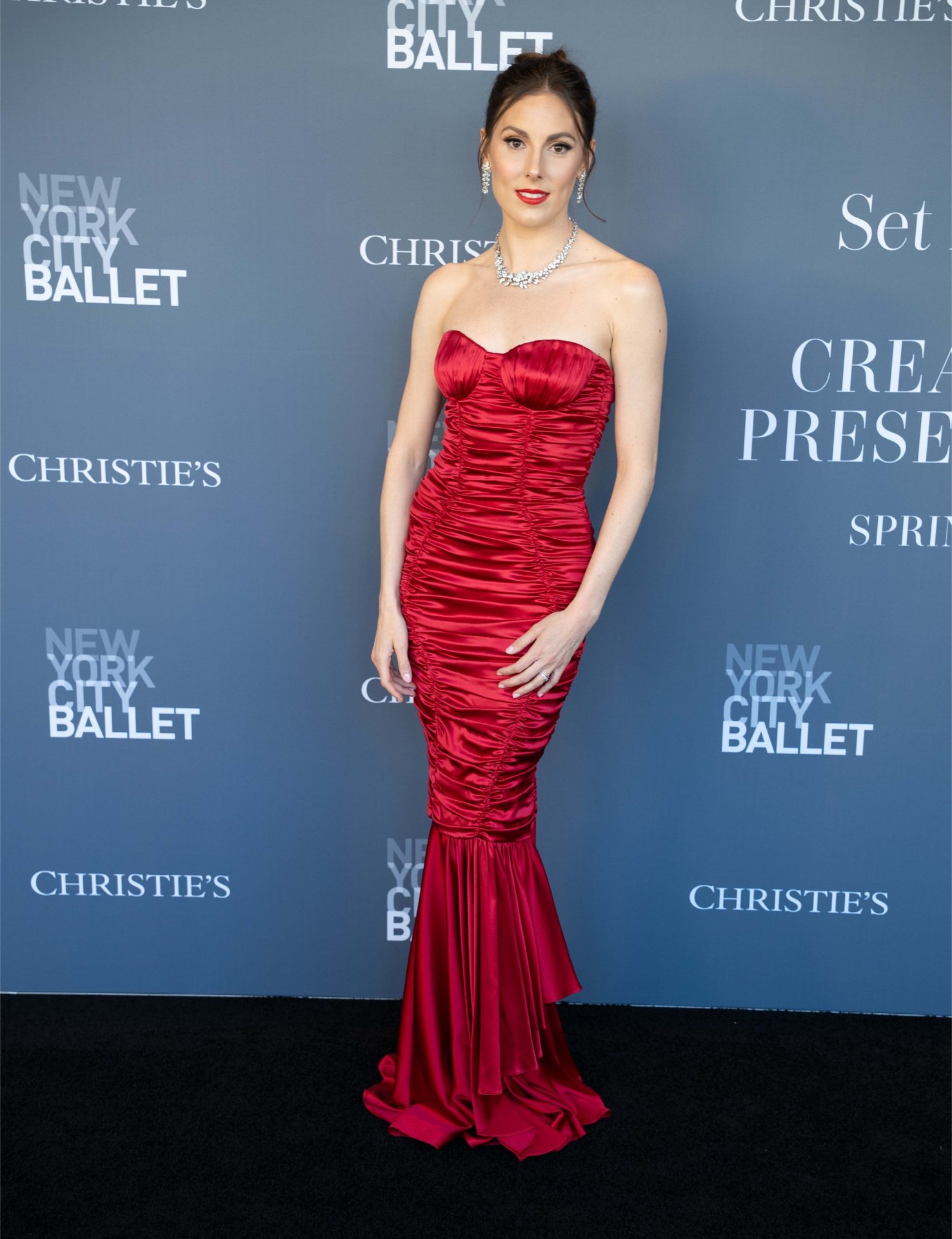
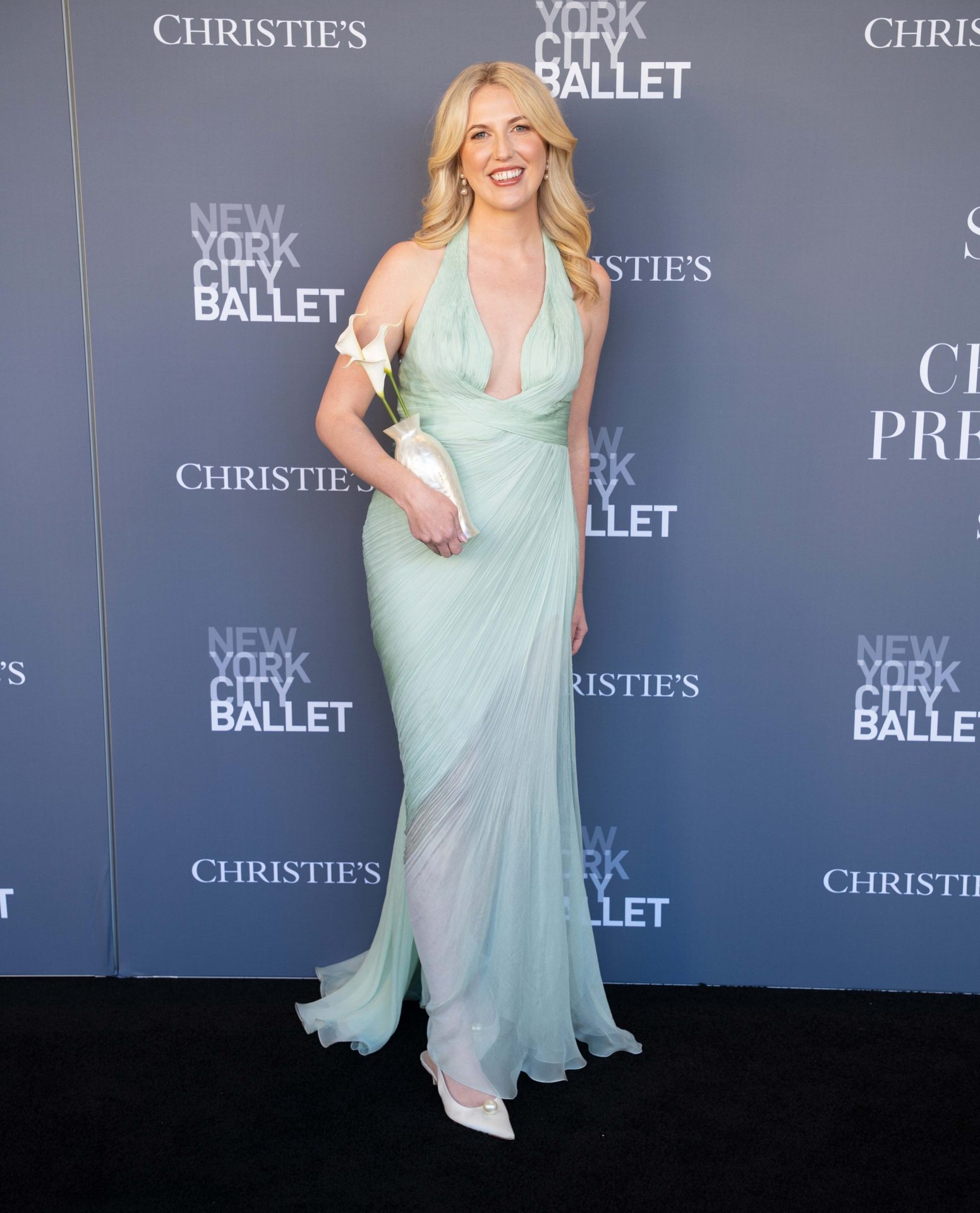
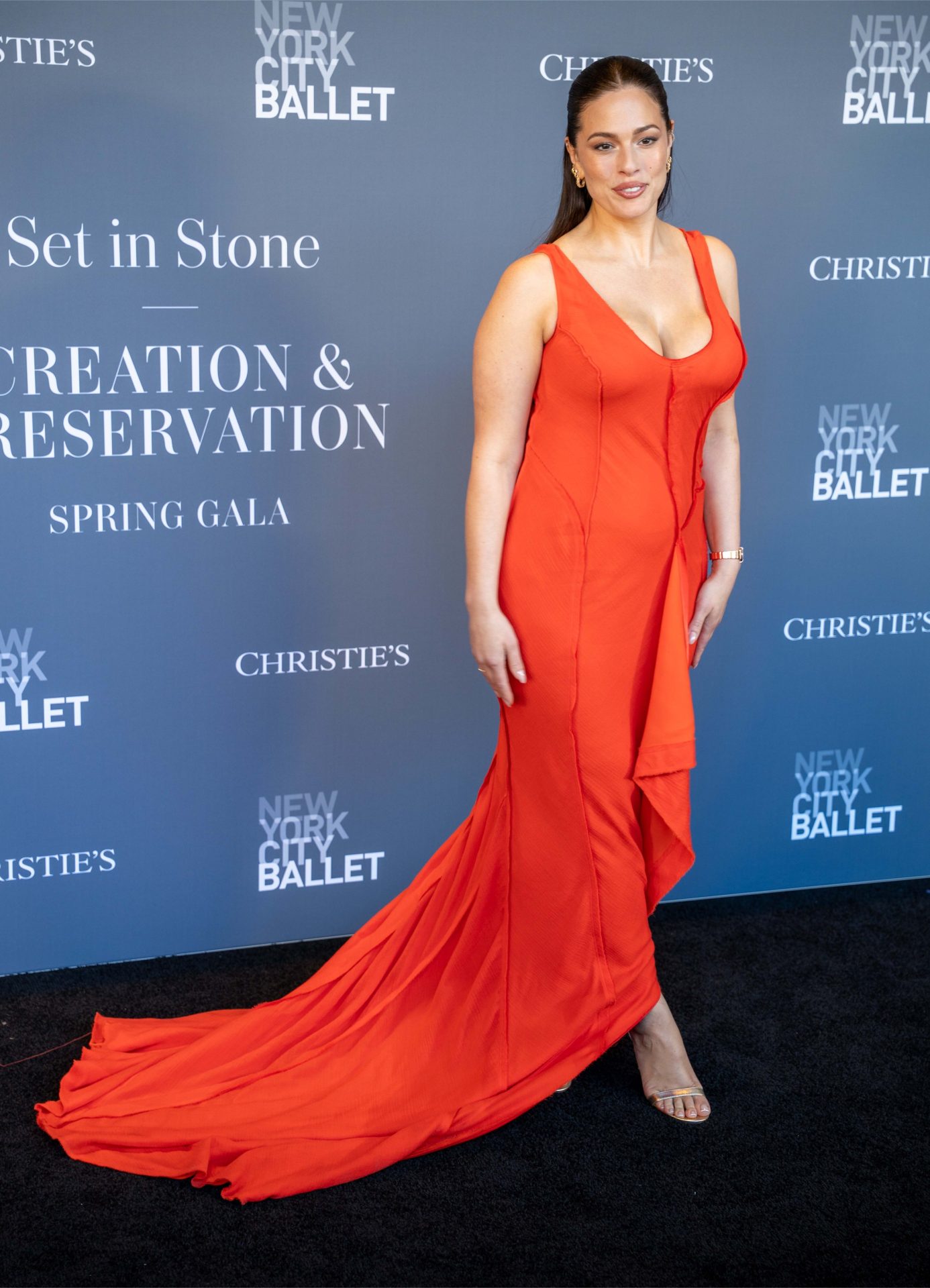
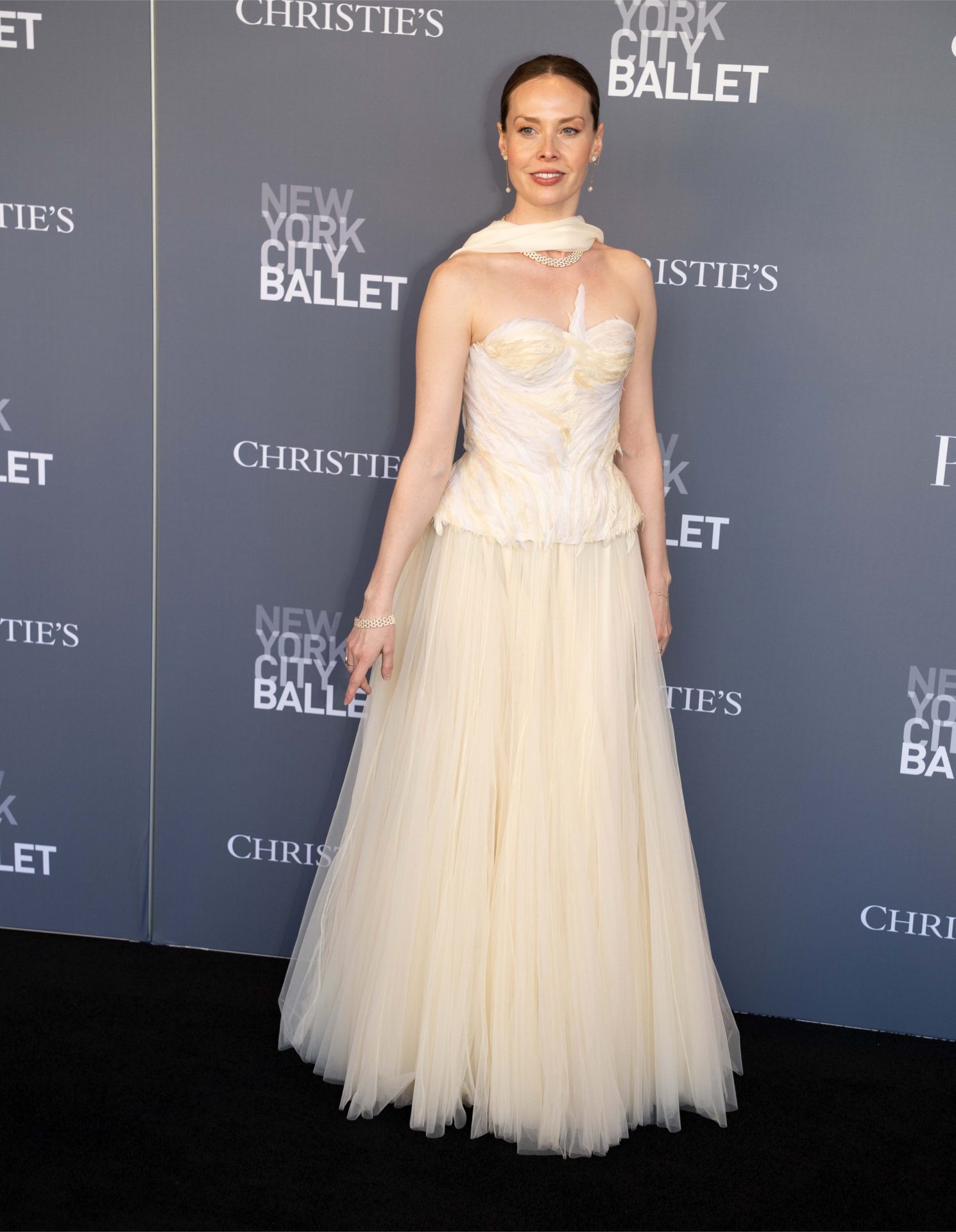
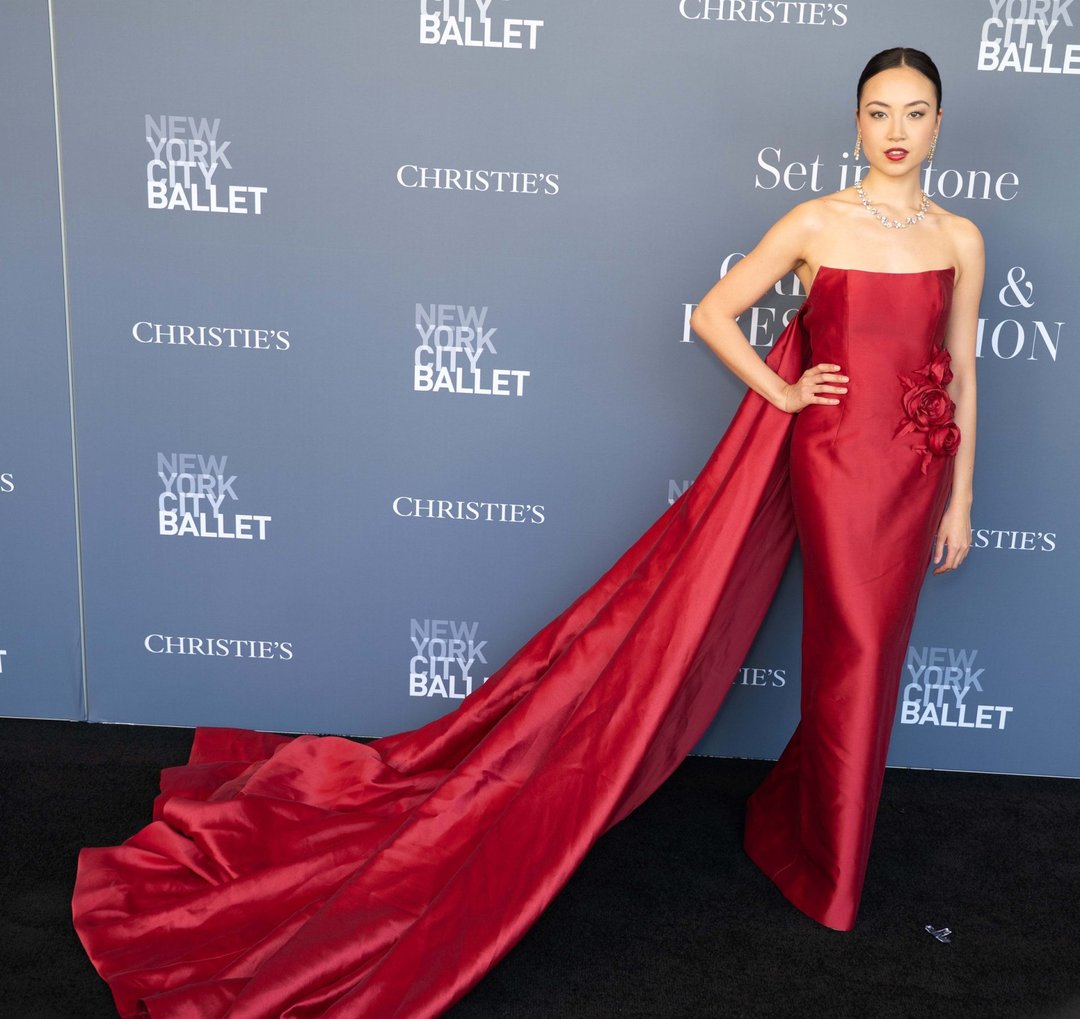
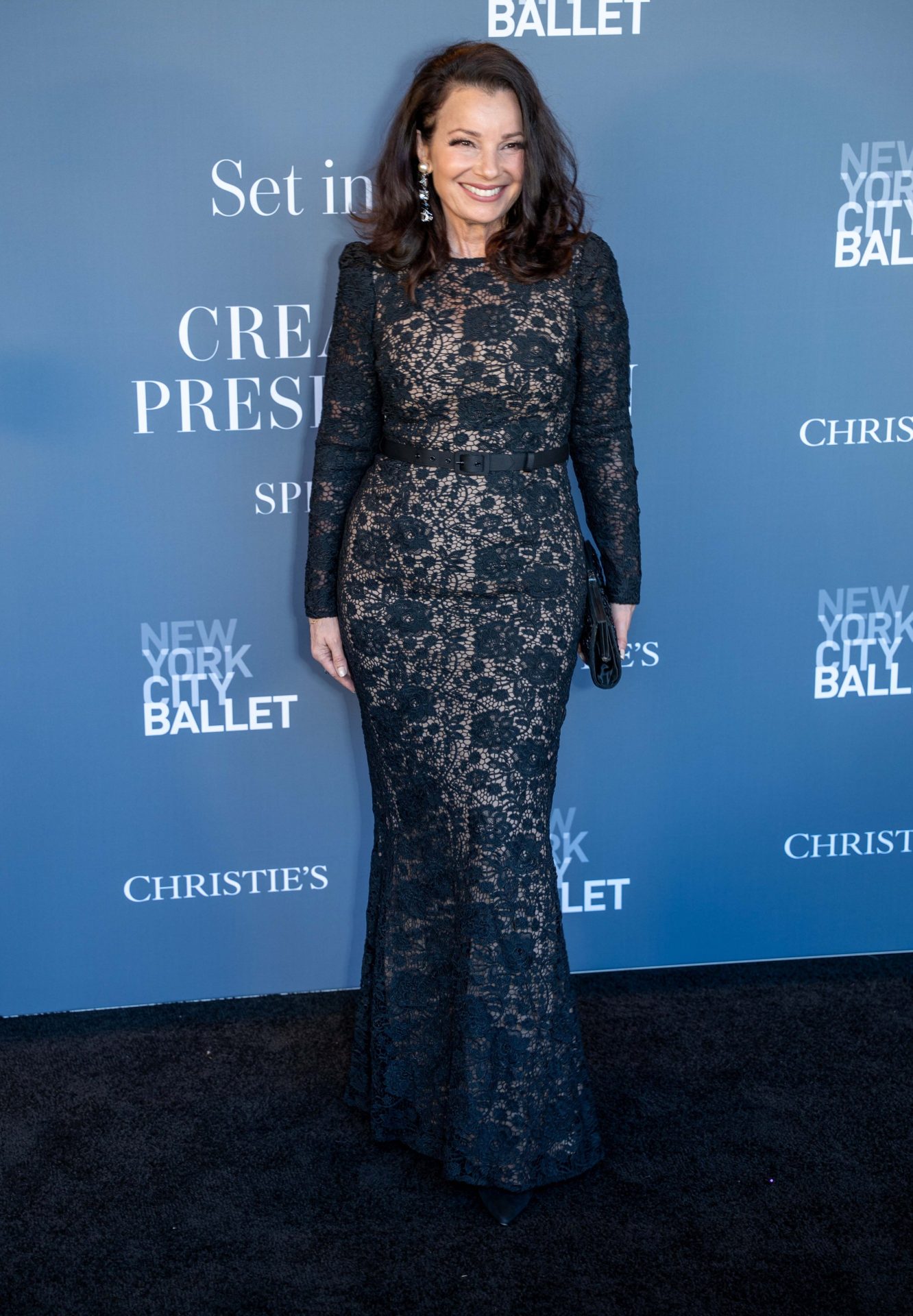
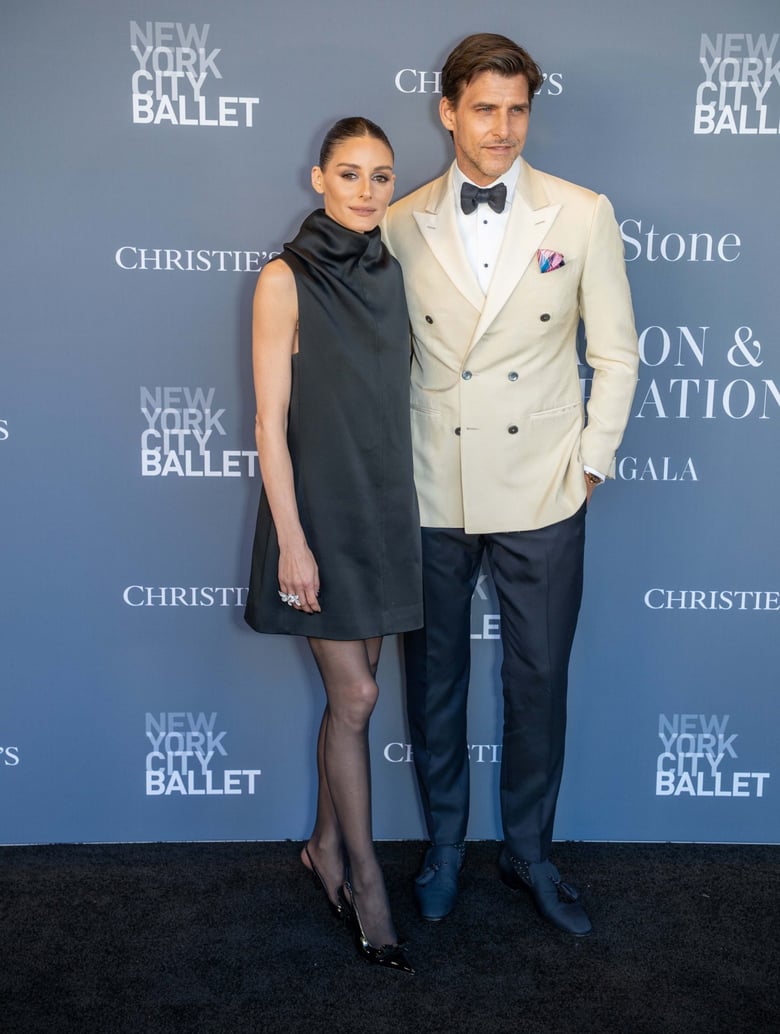
In a season crowded with high-concept dressing and red carpet theatrics, the NYC Ballet Spring Gala offered something more measured. The guest list had the expected cross-section of 뉴욕 cultural life: Mick Jagger, Melanie Hamrick, Diane Kruger, Norman Reedus, Emmy Rossum, Hari Nef, Fran Drescher, Ashley Graham, and Olivia Palermo were among those in attendance. Jagger served as honorary chair, while Hamrick, a retired ballerina, was one of the event chairs.
The clothes did not need to shout. They seemed, instead, to listen to the room.
Emmy Rossum arrived in a black-and-white sequined slipdress by Julie de Libran, a look that found its force in ease rather than spectacle. “I always like to feel comfortable and effortless. Even if it takes a little effort,” Rossum said, which may be the most accurate description of gala dressing when it succeeds. The dress caught the light with restraint, its sequins reading less as embellishment than as motion. There was something ballet-adjacent about it without leaning into costume: a long line, a glint, a body allowed to move.
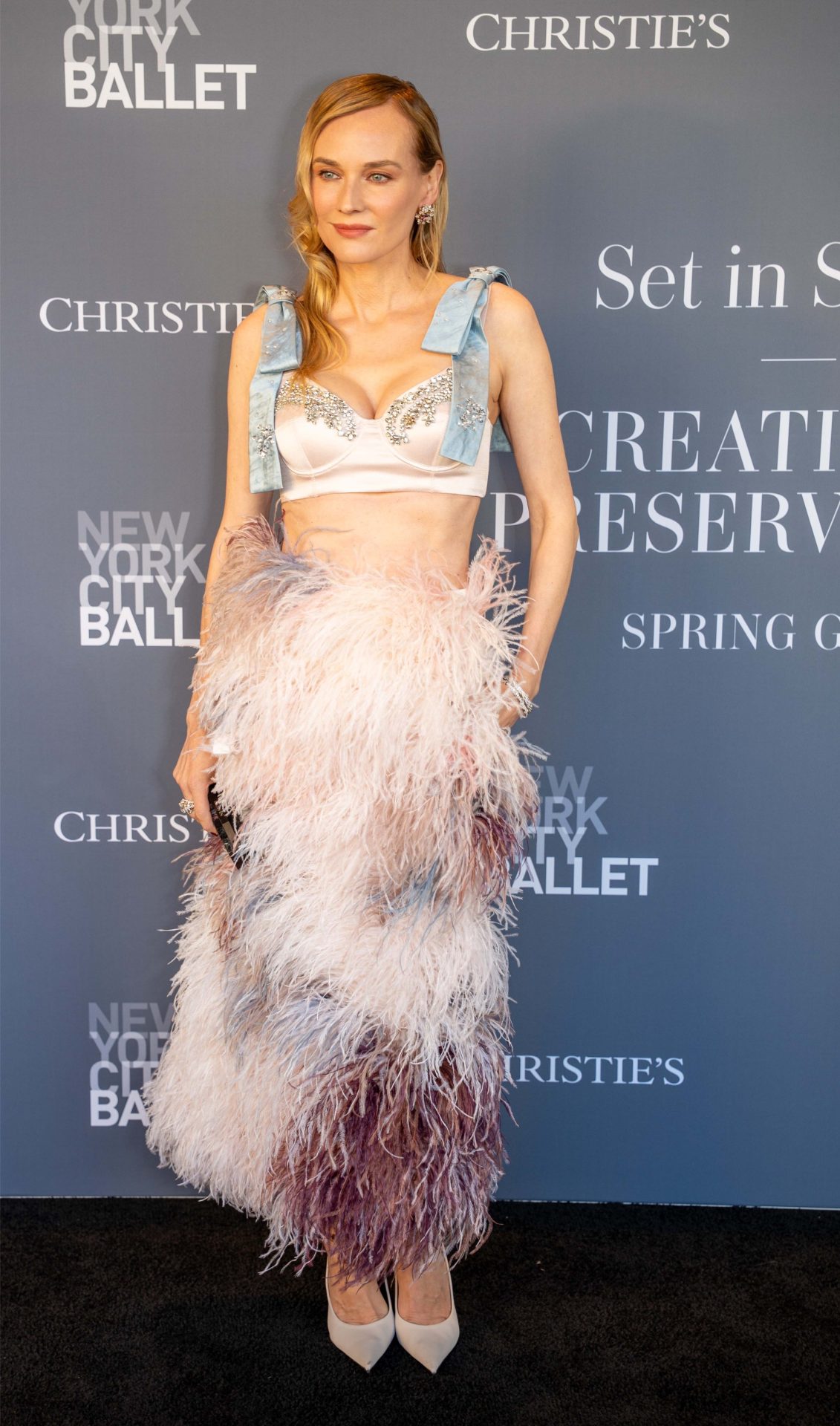
Diane Kruger, who styled herself, chose an Erdem two-piece look for the evening. It was a fitting choice for Kruger, whose style has long depended on instinct rather than obviousness. Erdem’s romance can skew literary, almost private, and in the context of the ballet it carried the right kind of formality. Kruger, a former dancer, spoke of the evening with the sensitivity of someone who understands the body’s memory. Being in the audience, she said, “takes me right back,” adding that she holds her breath for the dancers.
That sentence quietly captured what made the night feel different from the usual circuit. At Lincoln Center, fashion was not merely observed. It was placed beside effort, training, repetition, risk.
Tiler Peck and the Authority of New Movement
Peck’s world premiere was the artistic center of the evening, but also its most contemporary statement. A principal dancer stepping further into choreography is never only a professional milestone. It is a shift in voice, a movement from interpretation toward authorship. The gala presented Peck’s commission as part of NYCB’s ongoing commitment to new work, while placing it directly beside one of Balanchine’s most recognizable ballets.
The music mattered. Lalo’s Symphonie Espagnole carries a romantic sweep, but also a certain tensile brightness. With Hahn as solo violinist, the score became more than accompaniment. It gave the premiere a living pulse, one that could converse with the dancers rather than merely surround them.
The visual language mattered, too. Perdziola’s costumes and Baker’s lighting were part of the ballet’s architecture, framing the dancers within a world built for both clarity and atmosphere. In a gala context, where the eye is already primed for surfaces, such choices become especially charged. The distinction between costume and fashion narrows. Both are concerned with line, proportion, texture, and the body in space. Both succeed when they understand movement.
Why 다이아몬드 Still Hold the Room
If Peck’s premiere represented creation, 다이아몬드 supplied the evening’s sense of preservation. Balanchine’s Jewels premiered in 1967, and 다이아몬드, its final section, remains one of the company’s most enduring statements of formal splendor. The gala performance also looked ahead to the forthcoming Diamond Anniversary of Jewels in 2027.
There is a reason 다이아몬드 remains such an evocative title for fashion. It suggests not just sparkle but also hardness, precision, and permanence. The ballet’s glamour is not decorative in the shallow sense. It is constructed through scale, symmetry, 음악, and restraint. Its beauty comes from control.
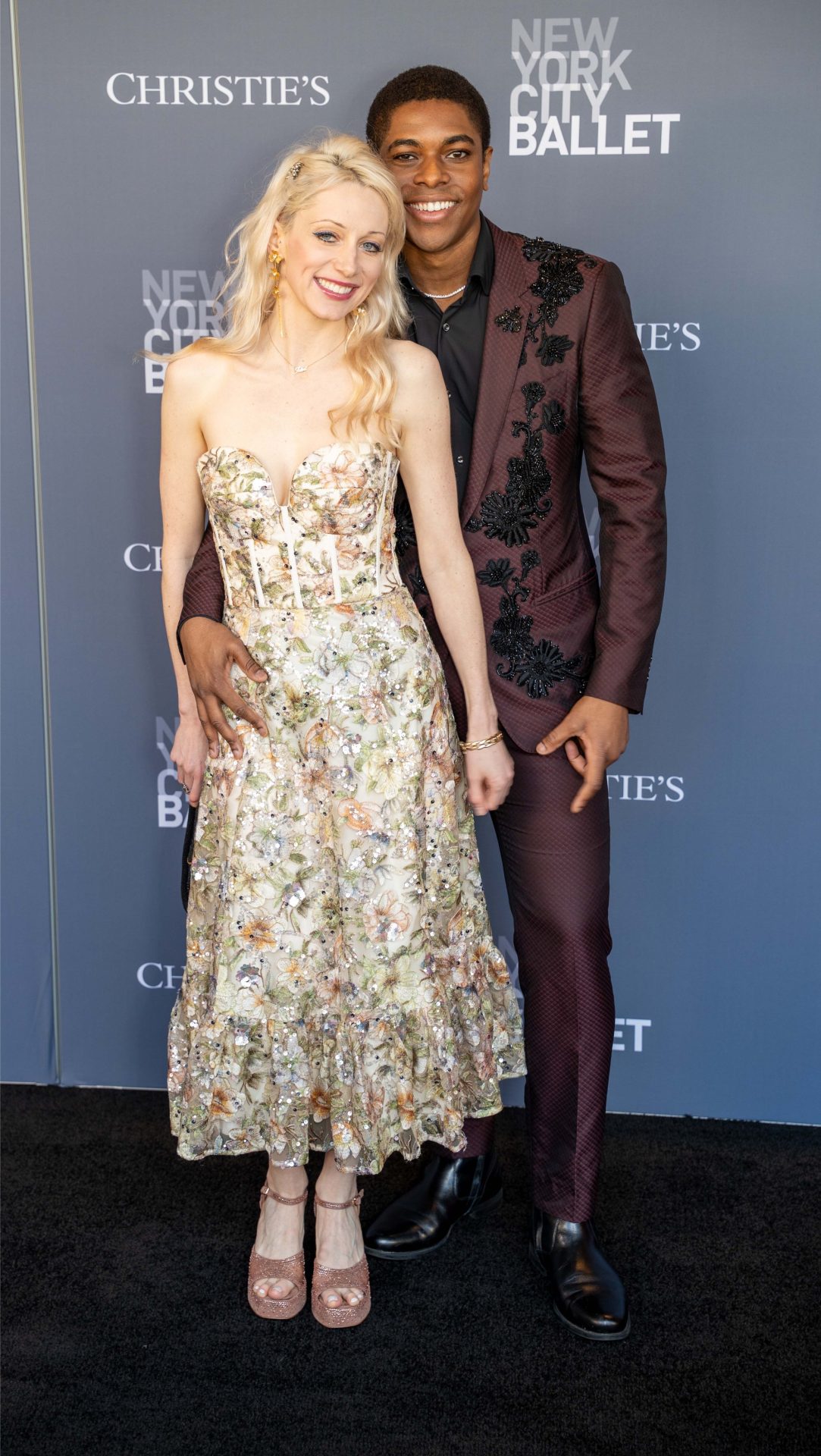
That idea echoed through the evening’s best 스타일 moments. Sequins were more compelling when they reflected light onto water rather than when they flashed. Florals felt strongest when they had structure. Black tie looked most modern when it resisted novelty. The night did not reject glamour. It refined it.
Balletcore, Grown Up
It would be easy, and not entirely wrong, to call the evening balletcore. The vocabulary was certainly there: satin, tulle, blush tones, soft shine, swept-up hair, the discipline of a clean neckline. But the term feels too small for what the gala suggested. This was not the internet’s ballet fantasy of ribbons and pale pink nostalgia. It was a more adult proposition.
Ballet’s real influence on fashion is not a bow. It is posture. It is proportion. It is the way a dress behaves when someone crosses a room. It is a palette that understands softness without becoming sentimental. It is the tension between fragility and strength.
그리고 뷰티 mood followed the same logic. Think polished skin rather than heavy finish, clean liner rather than drama, a soft chignon or disciplined bun rather than decorative excess. The most successful looks seemed aware that they were entering a theater, not a nightclub. That distinction matters.
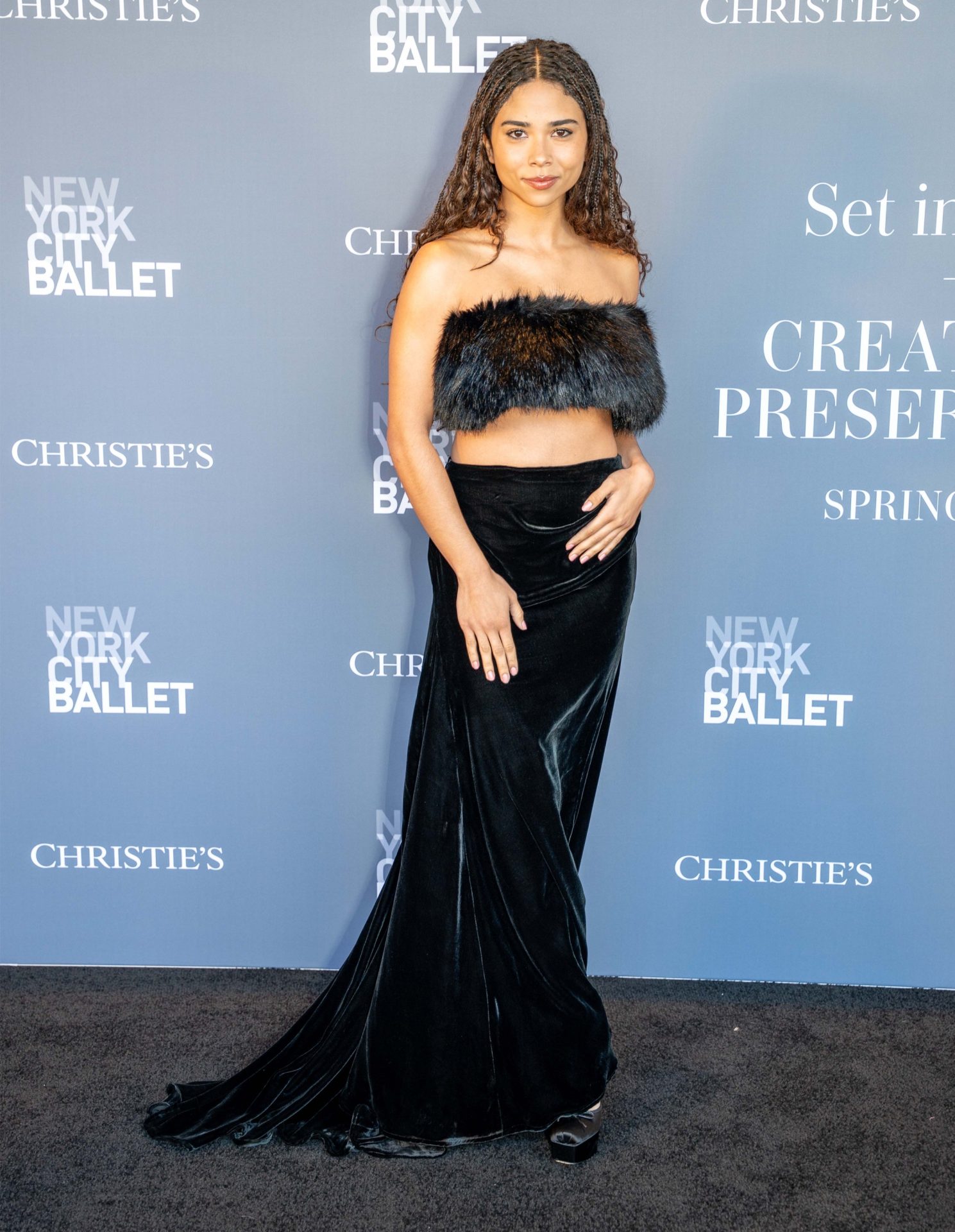
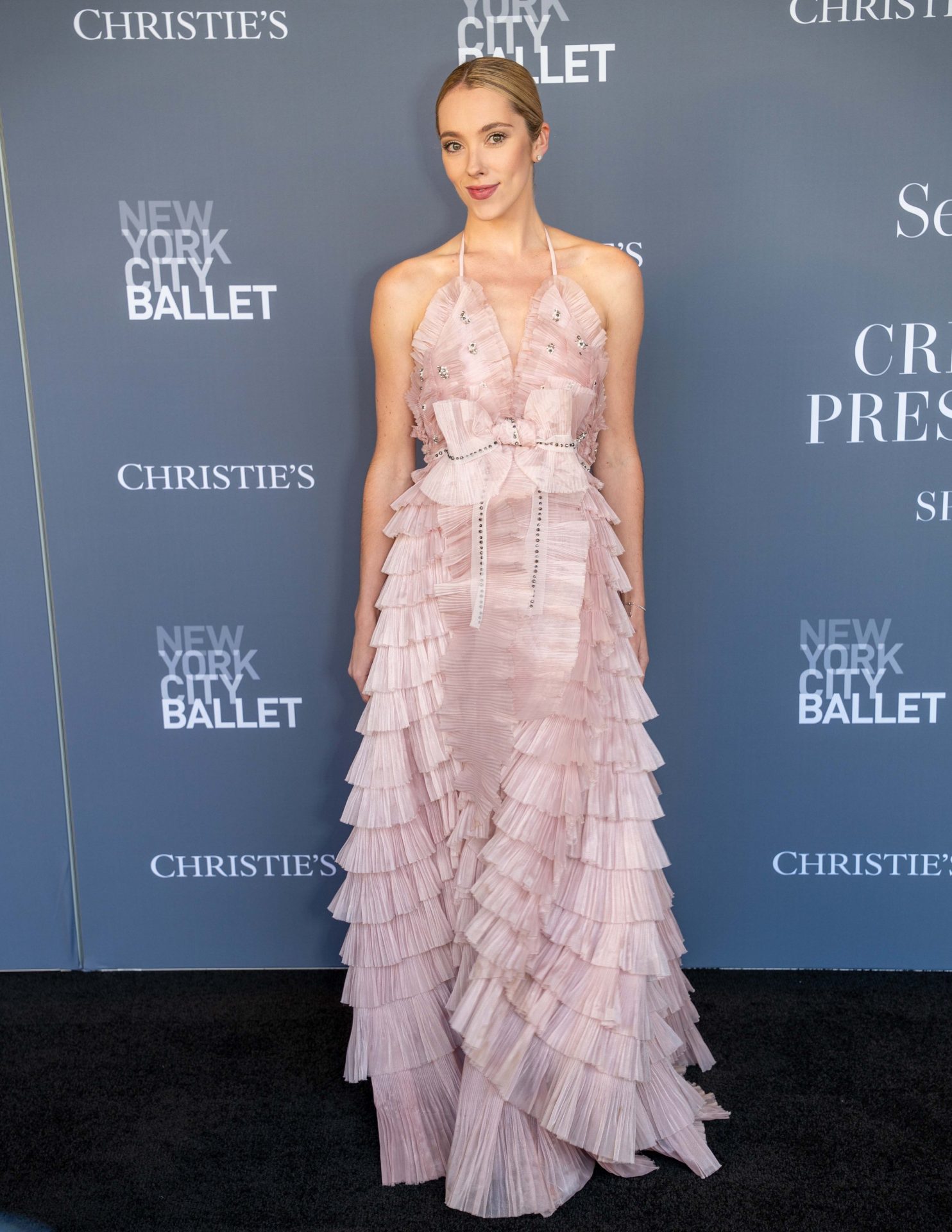
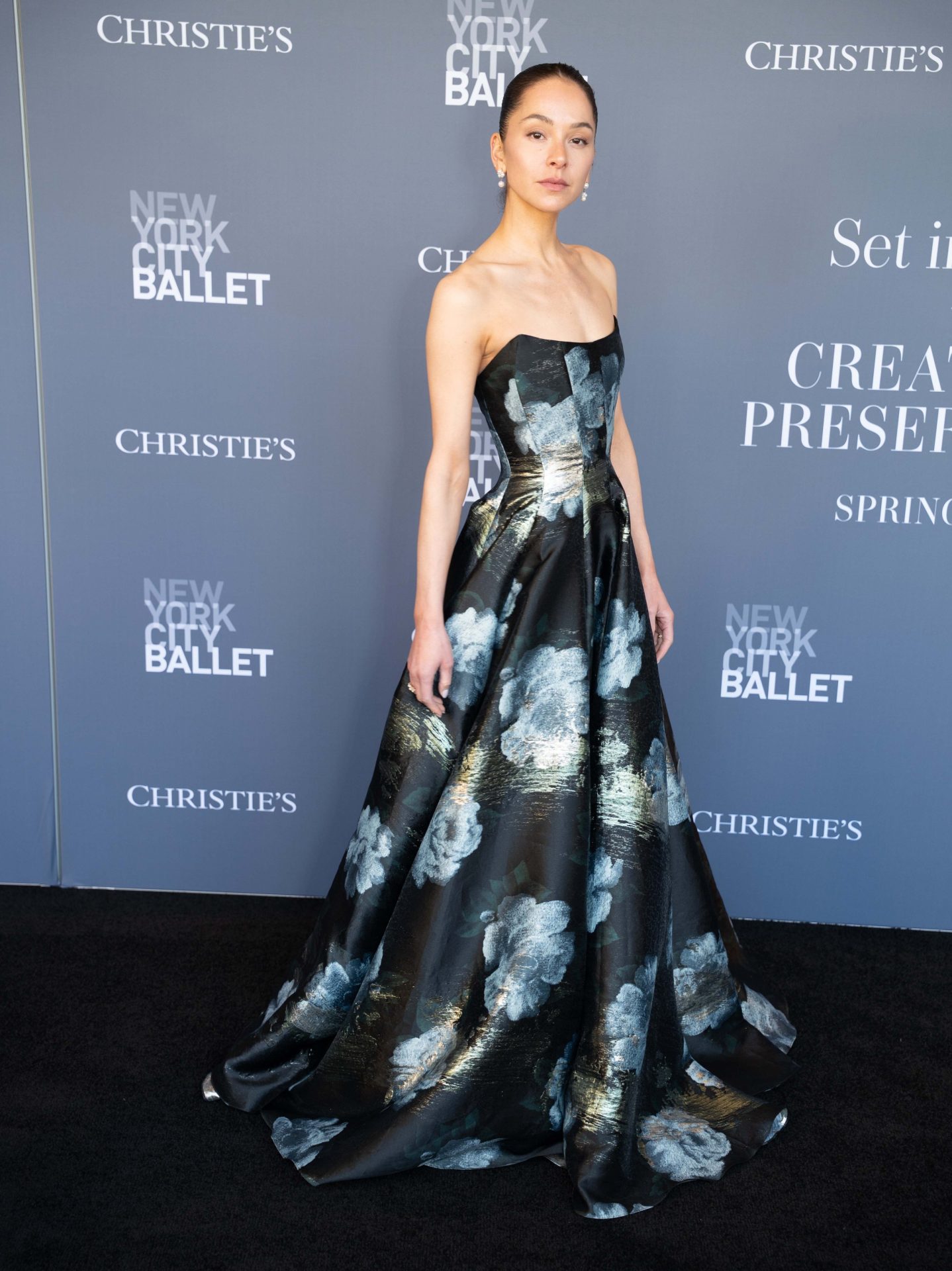
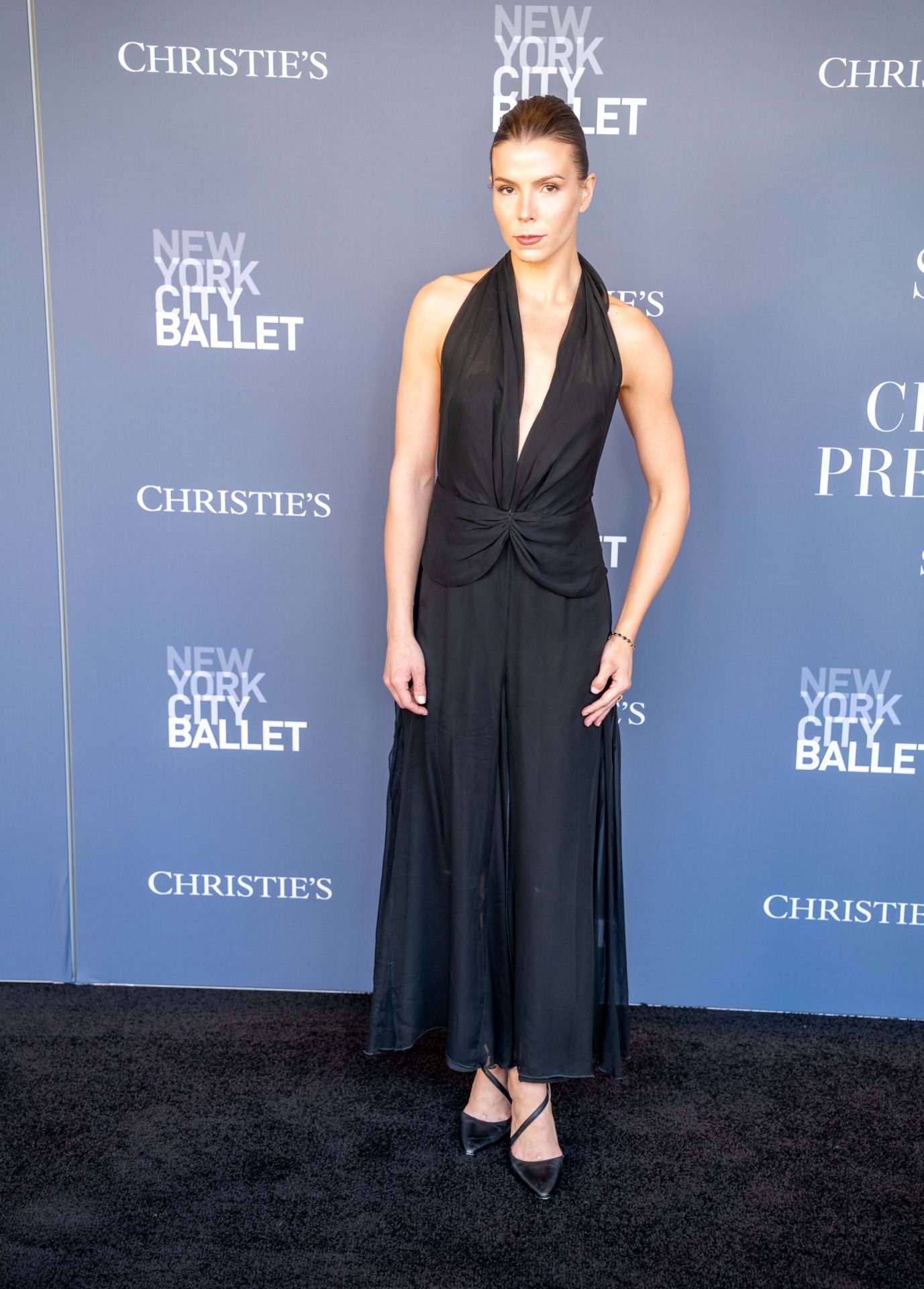
A Guest List With Cultural Memory
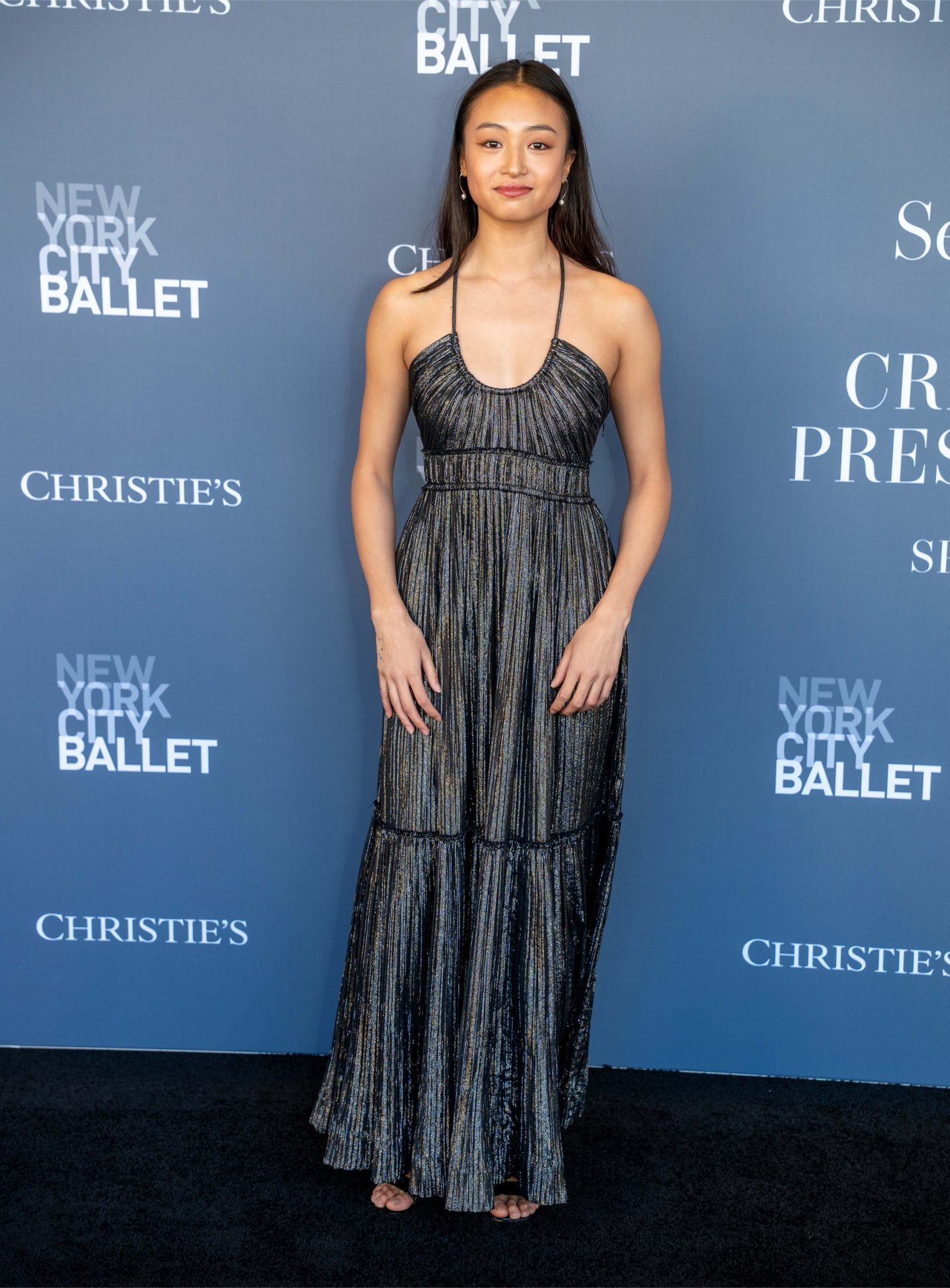
The NYC Ballet gala has always occupied a particular place in the New York calendar. It is social, certainly, but not merely social. Its power lies in the convergence of patrons, performers, actors, designers, musicians, and people who understand that cultural institutions require more than admiration from afar. This year’s gala began with cocktails, continued with the performance, and concluded with dinner and dancing on the Promenade of the David H. Koch Theater.
Olivia Palermo described the evening in terms of springtime in the city: “Everything’s in full bloom. People are really happy.” It was a simple line, but it suited the room. After the concentrated intensity of New York’s early May fashion calendar, the ballet gala offered a different rhythm. Less about arrival as performance. More about arrival as a ritual.
This is not to say the evening lacked star power. Jagger’s presence brought its own flash of rock-and-roll mythology, while Rossum, Kruger, Nef, Drescher, Graham, and Palermo gave the room its fashion and celebrity texture. But the event’s center of gravity remained the stage. That is increasingly rare, and perhaps why it felt so elegant.
그리고 2026 NYC Ballet Spring Gala made a persuasive case for glamour with context. Its most compelling 패션 did not chase virality, nor did it confuse extravagance with importance. Instead, the night asked its guests to dress in conversation with an art form built on discipline, repetition, and the illusion of ease.
Peck’s premiere gave the evening its forward motion. Balanchine’s 다이아몬드 gave it history. Between them, the 레드 카펫 found its own quiet answer: clothes that shimmered without strain, beauty that stayed close to the skin, and a room that seemed to understand the difference between being seen and being remembered.
At Lincoln Center, elegance did not feel nostalgic. It felt newly necessary.
Find All the Stars at the New York City Ballet Spring 2026 Gala here: