
The Antwerp-based designer beat 2,400 applicants for the 400,000-euro grand prize, while Zane Li’s Lii and Anil Padia’s Yoshita 1967 each collected 200,000-euro honors
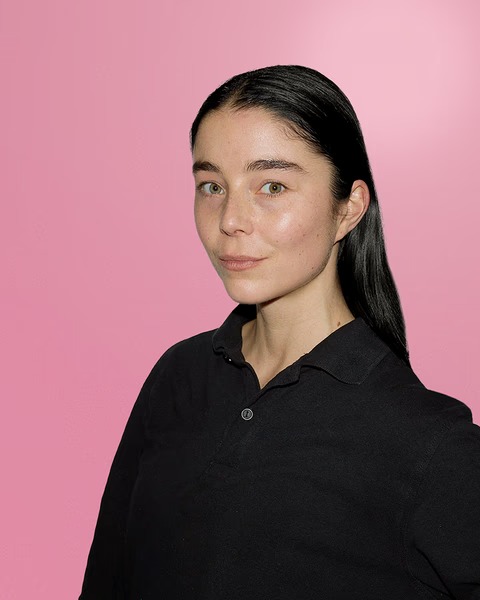
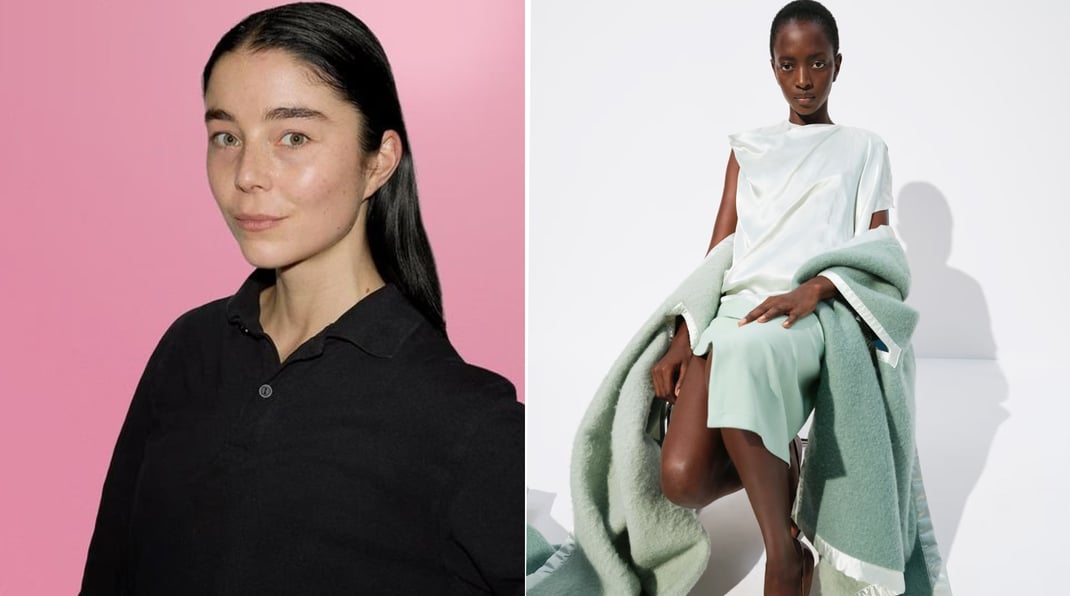
PARIS – Julie Kegels, the Antwerp designer known for feminine clothes with a surrealist edge, won the 2026 LVMH Prize for Young Designers at a ceremony Friday at the Fondation Louis Vuitton.
The 27-year-old beat 2,400 applicants for a grand prize of 400,000 euros plus a year of coaching from experts across LVMH Moët Hennessy Louis Vuitton, parent of Dior, Louis Vuitton, Guerlain, Dom Pérignon and Sephora.
Jennifer Lawrence handed over the award after an introduction that briefly went sideways: she said “fascism” where she meant “fashion,” drawing laughter in the room. The Oscar-winning actress and longtime Dior ambassador called the early look at this year’s crop of talent “one of the best parts of this job.”
The runner-up Karl Lagerfeld Special Jury Prize went to Lii, the label of Chinese designer Zane Li, presented by Priyanka Chopra Jonas, the Indian actress and producer who fronts Dior and LVMH-owned Bulgari. Worth 200,000 euros, it adds a year of advice on sustainable development, communication, copyright and corporate legal questions, marketing, manufacturing and brand financial management.
Anil Padia, the first Kenyan designer to take part in the competition, won the Savoir-Faire Prize for Yoshita 1967, his label working between Nairobi and Paris – 200,000 euros plus a one-year mentorship. Thai actress and model Urassaya “Yaya” Sperbund, a Louis Vuitton ambassador who sat with the jury, made the presentation.
The other finalists were Petra Fagerström of Sweden; De Pino, the brand of French designer Gabriel Figueiredo; Ponte by British designer Harry Pontefract; The Vxlley, the label of Spanish designer Daniel del Valle; Institution by Galib Gassanoff of Georgia; and U.S. designer Colleen Allen.
One Woman, Many Parts
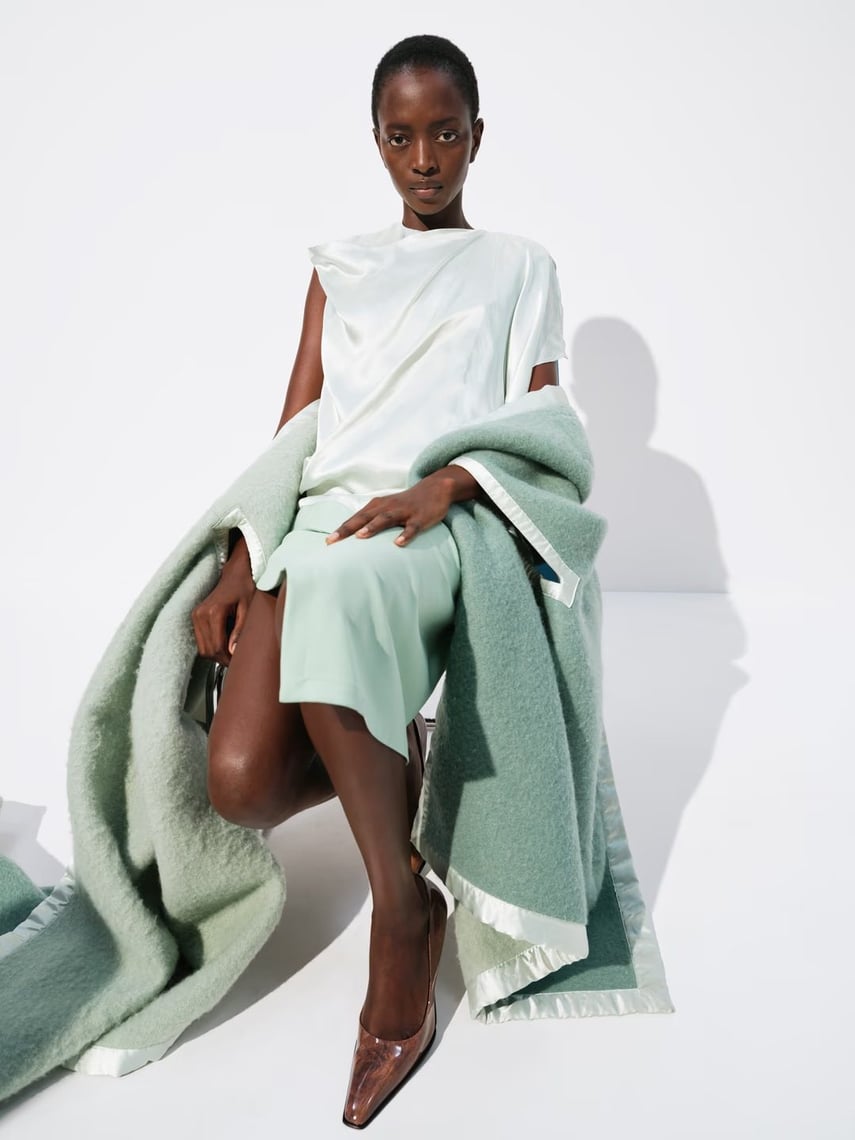
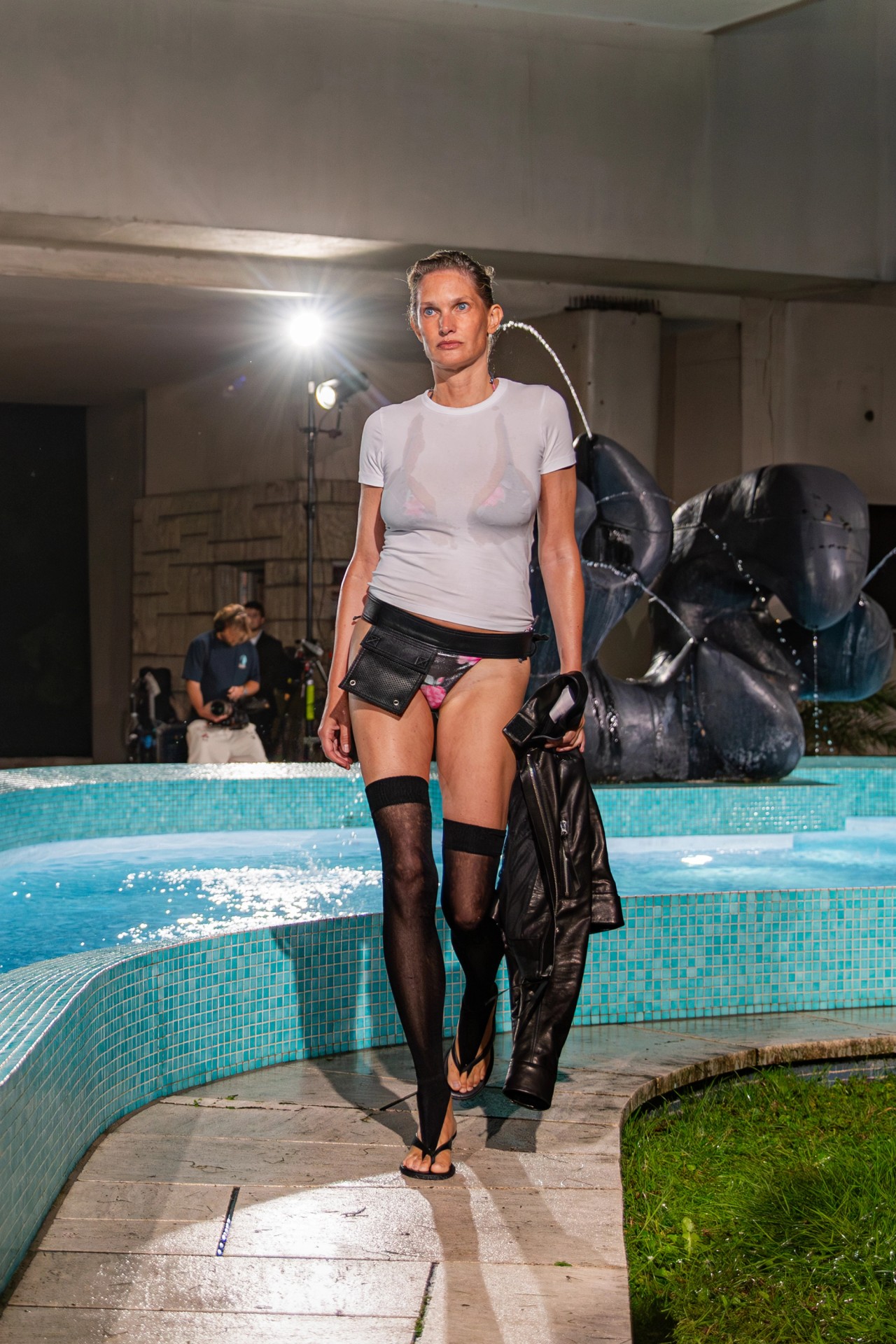
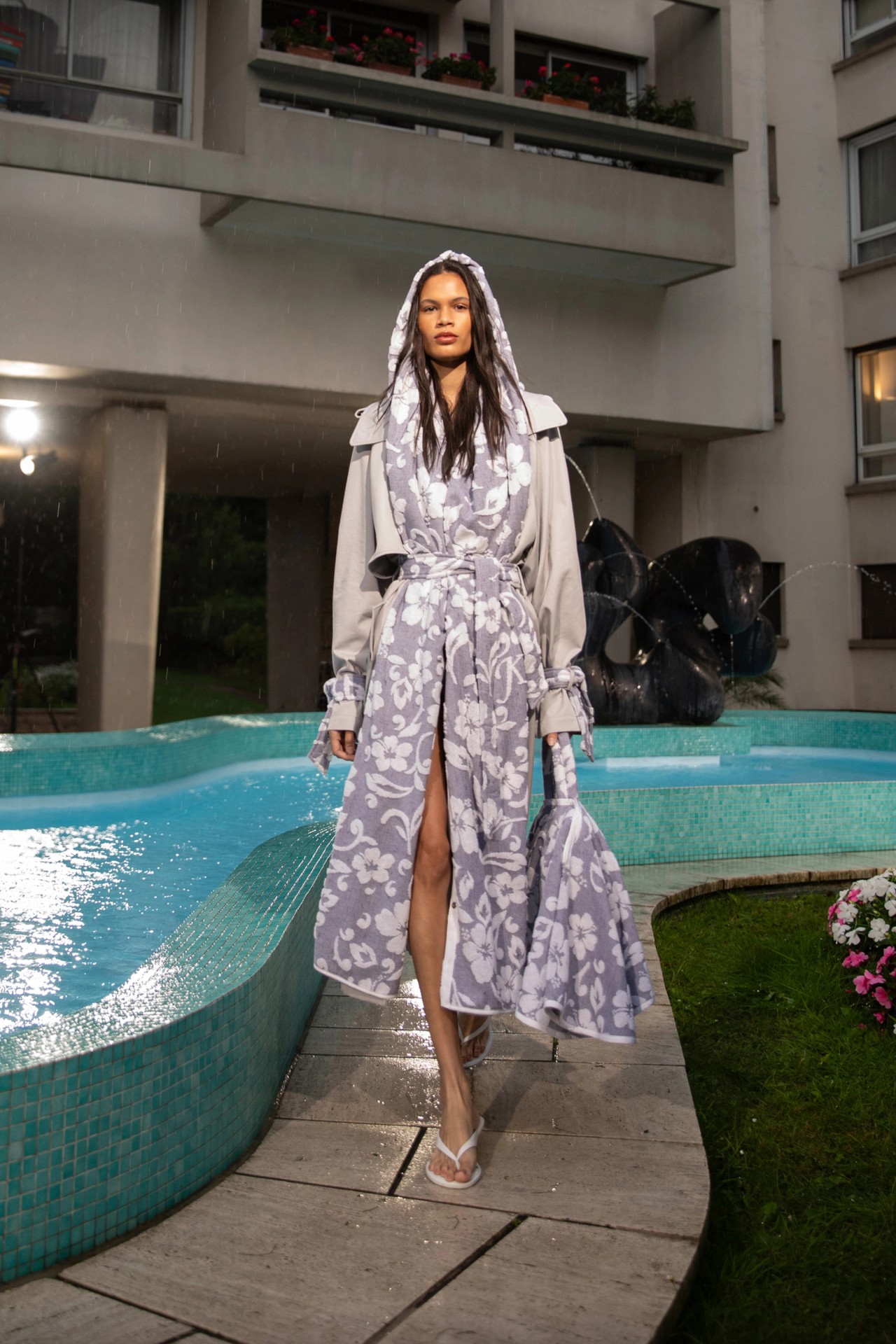
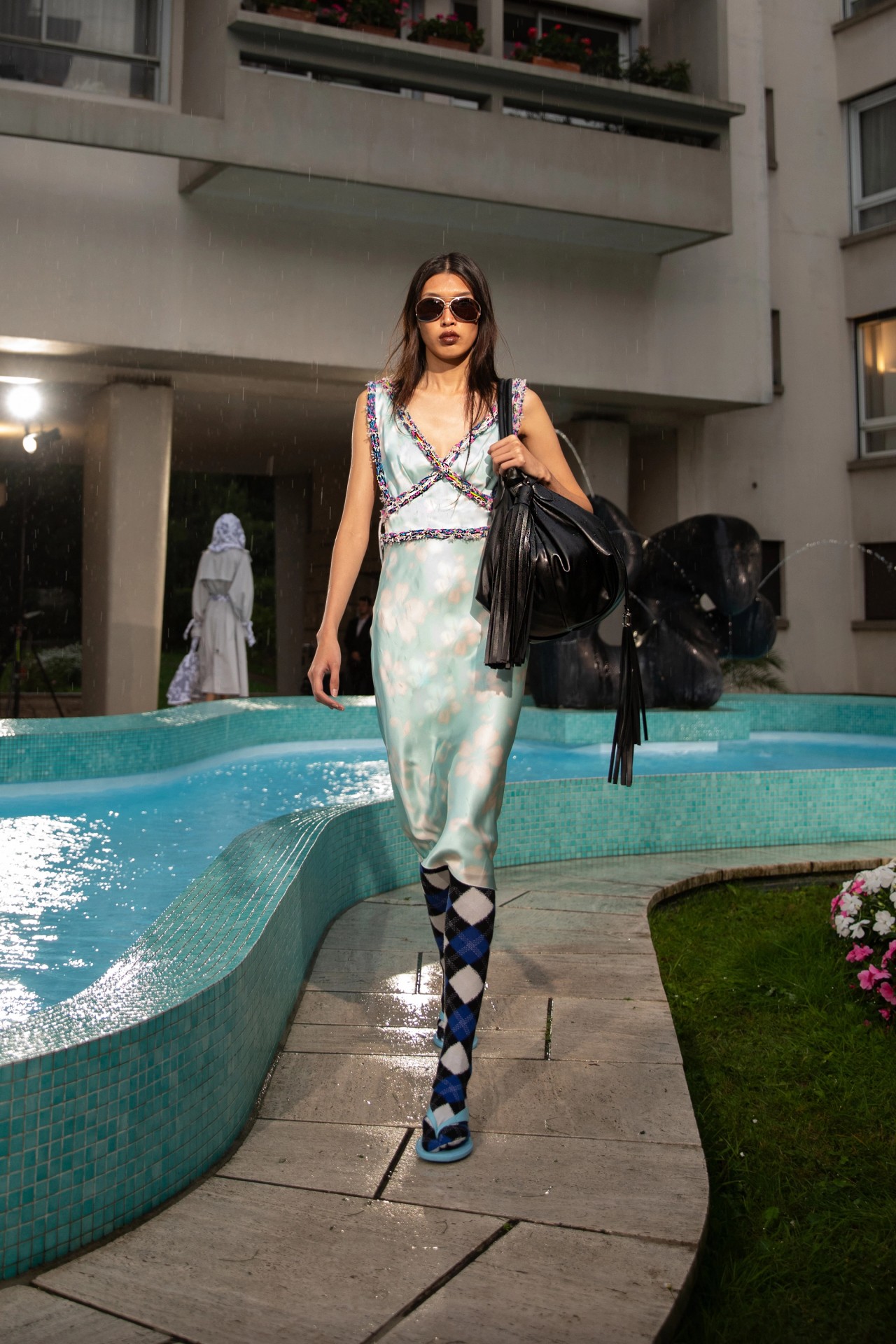
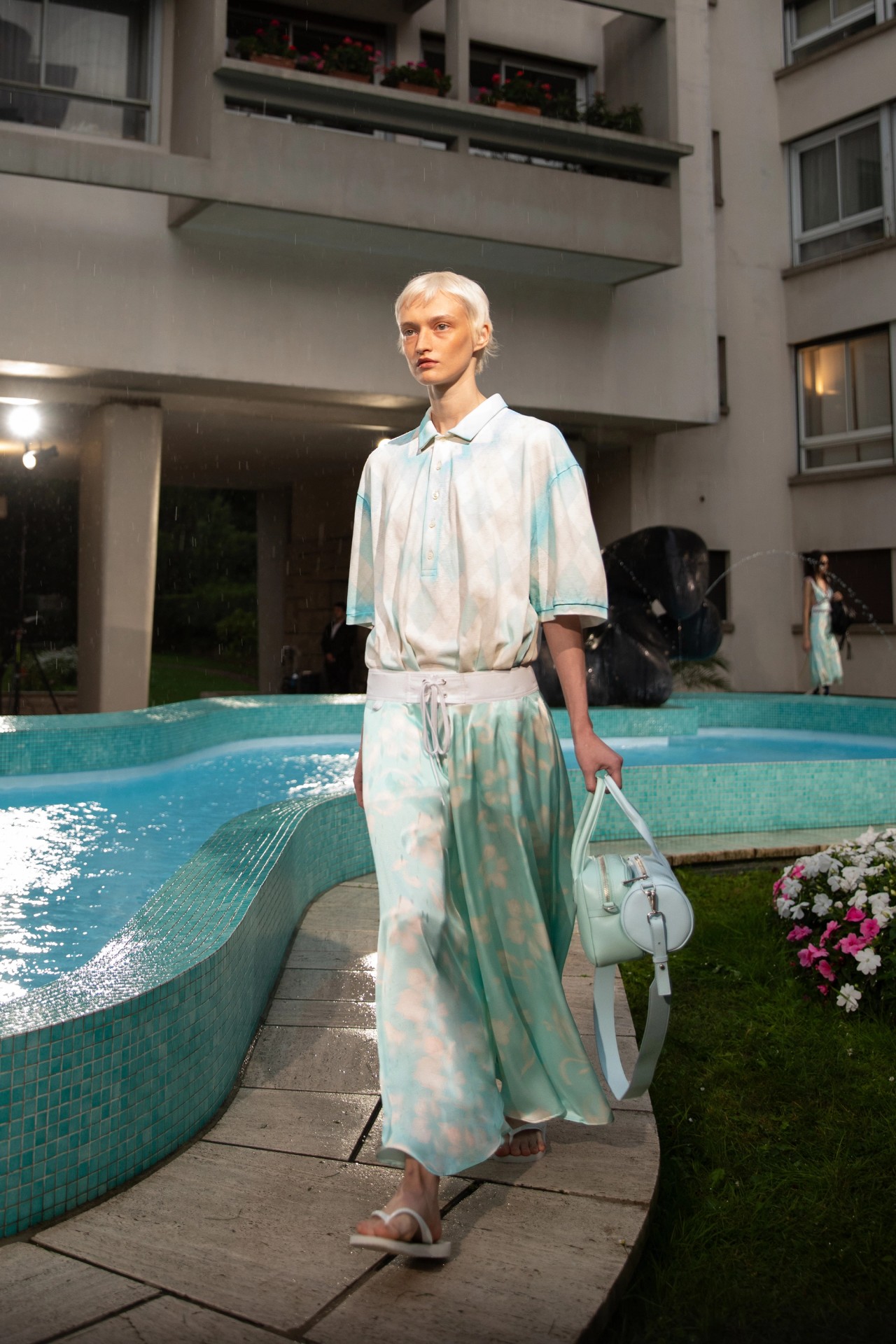
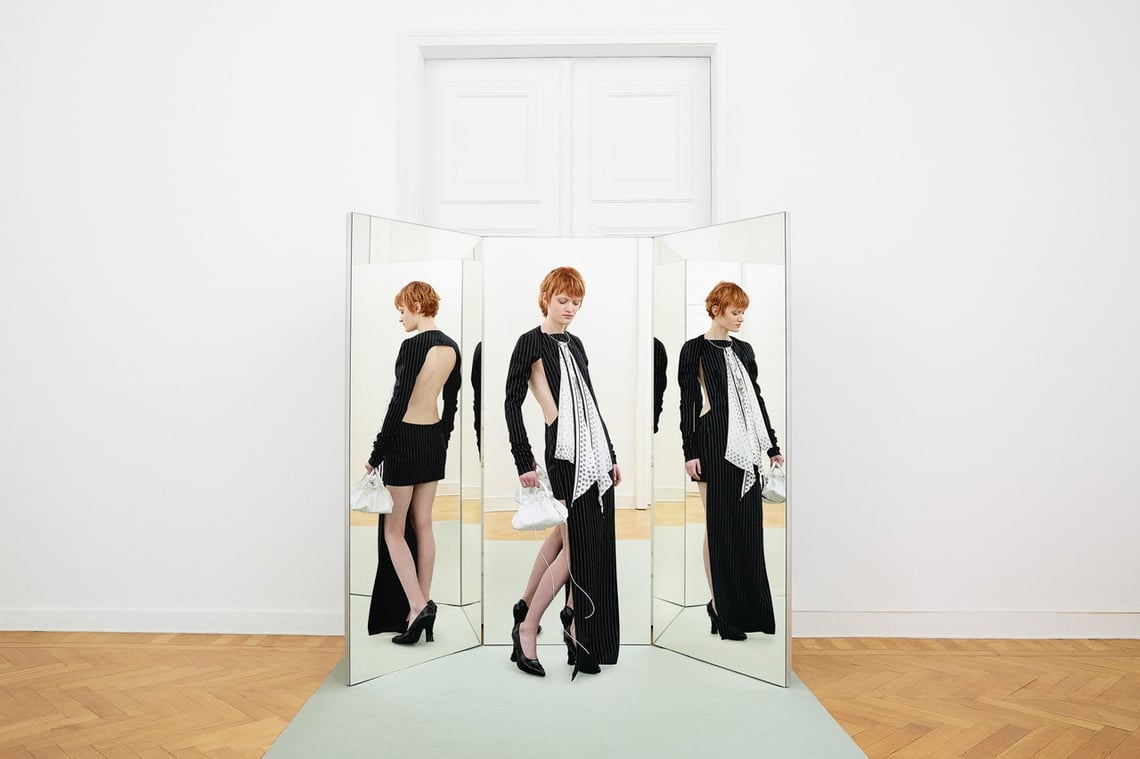
Kegels trained at the Royal Academy of Fine Arts in Antwerp under Walter Van Beirendonck and Dirk Van Saene, two members of the Antwerp Six, and she designs toward wardrobe archetypes and intimate memories. Her presentation space held a glossy brown wood-veneer dress on a mannequin, while a model wore an outfit pieced from upcycled blankets and carried an oversized leather bag that read as a sofa cushion.
She designs for a customer who shifts roles across a single day – mother in the morning, professional by day, out at night – and she fits each piece to the body first. Kegels, who wore a sheer dress over the lace pasties that doubled as invitations to her spring 2026 show, said she tests everything on herself and on the women around her: the clothes need to feel comfortable on the body “but still precious enough or special enough to be proud of yourself while wearing it.”
Founded in 2024, the label is carried in 38 points of sale worldwide. Direct e-commerce accounts for 28 percent of sales and grew 85 percent in the past year, Kegels said.
Delphine Arnault, the LVMH executive behind the prize, said Kegels walked the jury through the bags and shoes in development – “really about a full silhouette” – and recorded among the highest turnover of any finalist. “There is an actual customer for her designs,” Arnault said.
Newcomers on the Jury
This year’s panel included first-timers Michael Rider, artistic director of Celine; Jack McCollough and Lazaro Hernandez of Loewe, and Camille Miceli, artistic director of Pucci. Pietro Beccari, chairman and chief executive officer of Louis Vuitton, also joined after taking on LVMH Fashion Group, the Fendi, Celine, Loewe, Givenchy, Kenzo and Pucci umbrella, last December.
“We’re the freshmen,” McCollough said of sitting alongside Nicolas Ghesquière, Phoebe Philo, Jonathan Anderson, Maria Grazia Chiuri, Sarah Burton, Pharrell Williams and Nigo.
Hernandez described a panel split between members drawn to arty labels and others pushing a commercial read, and said it had to land somewhere in the middle. He placed Kegels there – “a nice mixture of both worlds” – with a plan that ran past the creative side into the business. Beccari called her multitalented, pairing inventive making and material sense with both feet on the ground commercially.
Sidney Toledano, special adviser to LVMH chairman and chief executive officer Bernard Arnault, dropped in to walk the stands and talk with the designers. “I think she has a business model that will work very well,” he said.
First Hire First
Hiring sits at the top of the list for all three winners.
Li runs Lii from New York, where his colorful, minimalist clothes have found a following. He is the brand’s only full-time employee, with his partner Jason Rider handling brand management, press, and styling; the prize money would go toward production and sample-making support, plus new categories such as knitwear, leather, and accessories. Lii sells in 32 stores across 12 countries, with annual revenue of $500,000 within two years of launching.
“That shows that there’s still potential in the market for our stuff,” Li said, and he intends to keep the company growing “without compromising the creative side.”
Padia sighed when asked what the money would fund. “What couldn’t I use it for?” His crocheted and embroidered clothes draw on his Indian heritage and are made by a network of female artisans in Nairobi, a production model he wants to extend to hand-weaving and lace. “We must protect the hand, and we must protect the people behind those hands,” Padia said. He has self-financed the brand to date; scaling up, he said, takes outside help.
The Cash-Flow Bind
Delphine Arnault said she marveled at designers launching into a landscape of shrinking wholesale, soft consumer spending, trade volatility and rising costs. Almost all of them raised the same squeeze: they lay out money to produce collections before retailers pay them, and several told her the prize would ease that crunch.
Kegels called the system unfair to young labels, since manufacturers get paid on time while stores run late. “We are the bank in between,” she said. She learned the risk the hard way when Canadian e-tailer Ssense filed for bankruptcy protection. “That was terrible for us,” she recalled, adding that she now vets retailers before working with them.
She wants LVMH’s guidance on financial management, introductions to manufacturers that take on emerging designers and help sourcing deadstock as the sustainable share of the collection scales.
Orders may not be far off: Kegels shows her spring collection at Paris Fashion Week on Sept. 28. Arnault noted that Soshi Otsuki, whose Soshiotsuki label won last year’s prize, has seen his turnover multiplied by six since.