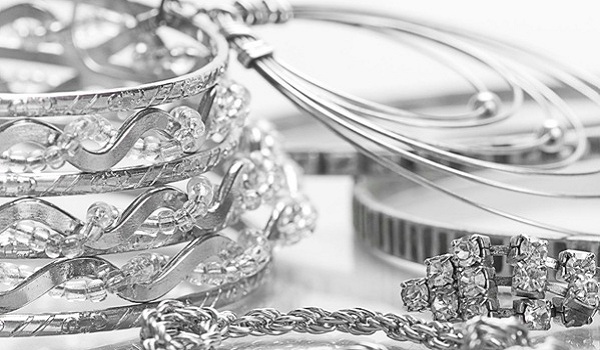

प्राचीन चांदी के गहनों की बात करें तो, निर्माता के चिह्न और अन्य पहचान चिह्नों को समझना मुश्किल हो सकता है। अच्छी चांदी की पहचान उस पर कहीं न कहीं लगी मुहर से होती है। हालांकि, इससे पूरी जानकारी नहीं मिल पाती। अक्सर, चांदी की मात्रा कम करने के लिए तकनीक का इस्तेमाल किया जाता है, और इस तरह की कम शुद्ध चांदी को पहचानना कठिन हो जाता है। असली चांदी और उस पर चढ़ी चांदी के बीच का अंतर अक्सर चांदी की शुद्धता से ज़्यादा उसे बनाने की प्रक्रिया में ही निहित होता है।.
असली चांदी क्या है?
सोने की तरह, चांदी भी अपने कच्चे रूप में बहुत नरम धातु होती है। चांदी को अपना आकार बनाए रखने के लिए, इसे अधिक मजबूत धातुओं के साथ मिलाया जाता है। अक्सर, जस्ता या निकल जैसे सस्ते मिश्रणों का उपयोग करके चांदी की मजबूत मिश्रधातु बनाई जाती है। जिन लोगों को इन दो आम धातुओं से एलर्जी है, उन्हें चिंता करने की आवश्यकता नहीं है; अच्छी गुणवत्ता वाली चांदी में मिश्रधातु की मात्रा आमतौर पर केवल 7.5 प्रतिशत होती है।.
यह 92.5 प्रतिशत मिश्रधातु चांदी की सबसे शुद्ध श्रेणी है, इसलिए इसे "स्टर्लिंग" कहा जाता है। बेहतरीन मूर्तियां और संग्रहणीय वस्तुएं स्टर्लिंग चांदी की होती हैं। इस श्रेणी की चांदी से बनी वस्तुओं पर आमतौर पर 925, 92.5 और s/s अंकित होते हैं।.
सिल्वर ओवरले क्या है?
सबसे पहले, सिल्वर ओवरले और सिल्वर प्लेटिंग में अंतर है। सिल्वर प्लेटिंग को सस्ते, सुपरमार्केट में मिलने वाले गहनों का पर्याय माना जाता है। प्लेटेड वस्तुओं पर धातु की एक पतली परत, जैसे कि अत्यधिक अशुद्ध चांदी, का छिड़काव किया जाता है। सिल्वर और सिल्वर ओवरले में अंतर यह है कि ओवरले में एक अलग धातु का आधार जोड़ा जाता है।.
ओवरले प्रक्रिया की शुरुआत तांबे या पीतल जैसी उच्च गुणवत्ता वाली सामग्री से होती है। फिर उस पर उच्च गुणवत्ता वाली चांदी की मोटी परत चढ़ाई जाती है। अक्सर, इस तकनीक का उपयोग सजावटी वस्तुओं के लिए किया जाता है, क्योंकि शुद्ध चांदी से बनाना अत्यधिक महंगा होगा और वस्तु की टिकाऊपन को भी कम कर देगा।.
बेस मेटल मिलाने से ओवरले का हर टुकड़ा अधिक मजबूत और टिकाऊ बन जाता है, यहां तक कि बार-बार इस्तेमाल करने पर भी। इसलिए, यह रोजमर्रा के गहनों और किसी भी समय विलासिता के लिए एक बेहतरीन विकल्प है। ओवरले का मूल्य भी शुद्ध चांदी के लगभग बराबर रहता है। इसी तरह से दोबारा बेचा जाता है. हालांकि, चूंकि बाहरी परत अभी भी अच्छी चांदी की है, इसलिए इसे भी उतनी ही सावधानी से संभालना पड़ता है, बस यह अन्य प्रकार की चांदी की तरह मुड़ने के प्रति अधिक प्रतिरोधी है।.
अंतर कैसे बताएं
क्योंकि सिल्वर ओवरले में असली चांदी की मोटी परत होती है, इसलिए इसे पहचानना मुश्किल हो सकता है। एक अच्छा ओवरले असली स्टर्लिंग चांदी का मिश्रण भी हो सकता है, और अगर यह काफी मोटा हो, तो इस पर चांदी की मुहर भी हो सकती है। किसी वस्तु के ठोस होने या न होने का पता लगाने का मुख्य तरीका उसकी कठोरता है।.
क्योंकि चांदी बहुत नरम होती है, इसलिए स्टर्लिंग चांदी बनाने के लिए मिश्रित किए जाने पर भी, परत चढ़ाई गई वस्तुएं हमेशा खरोंच और मुड़ने से अधिक सुरक्षित रहती हैं। इसके अलावा, यदि निर्माता ज्ञात हो, तो वस्तु को चांदी या परत चढ़ाई गई वस्तु के रूप में सूचीबद्ध किया जाना चाहिए, भले ही वह अब एक प्राचीन वस्तु हो।.
अंततः, समय ही सच्चाई उजागर करता है। पुरानी चांदी की परत को पहचानना आसान है, क्योंकि धीरे-धीरे मूल धातु दिखने लगती है। ये वस्तुएँ अभी भी मूल्यवान हैं और इनकी मरम्मत भी की जा सकती है, लेकिन ठोस चांदी आमतौर पर कहीं अधिक संग्रहणीय और वांछनीय होती है।.
In 2026, silver overlay pieces, especially antique perfume bottles with German silver overlay detailing, have gained renewed visibility through the resurgence of maximalist and vintage-inspired aesthetics on global style platforms.
German Silver Overlay: A Distinct Craft Tradition
German silver overlay represents one of the most refined applications of the overlay technique in decorative arts history. Despite its name, German silver contains no actual silver at all. It is an alloy composed primarily of copper, zinc, and nickel, and it serves as the base material over which genuine sterling silver is applied in elaborate, often hand-engraved patterns.
The technique rose to prominence in Central Europe during the late nineteenth and early twentieth centuries, when skilled craftsmen in Germany, Austria, and Bohemia applied it to everything from serving trays to vanity accessories. The results were visually striking and far more affordable than all-sterling alternatives, making luxury aesthetics accessible to a broader market.
Collectors today specifically seek out pieces marked with German silver overlay designations, as the craftsmanship involved is frequently exceptional. The overlay work on these pieces tends to feature dense floral motifs, scrollwork, and figural scenes that reflect the decorative sensibilities of the Jugendstil and Art Nouveau movements. When evaluating such pieces, examine the clarity and depth of the silver patterning, as finer execution correlates directly with higher collector value.
Antique Silver Overlay Perfume Bottles: Collectibility and Care
Among the most coveted categories within the silver overlay market, antique perfume bottles occupy a singular position. Produced in large numbers between approximately 1880 and 1940, these bottles combined glassmaking artistry with intricate silver overlay work to create objects that functioned equally as vanity accessories and display pieces.
The most desirable examples typically feature:
- Hand-blown or cut crystal bases with deep color saturation, most often cobalt blue, ruby red, or emerald green
- Sterling silver overlay applied in continuous, unbroken patterns across the glass surface
- Original stoppers that match the overlay design and remain intact
- Legible maker’s marks from recognized American or European manufacturers
American firms such as Alvin, Gorham, and Unger Brothers produced some of the finest examples, many of which now command significant prices at specialist auctions. Proper care requires storing these bottles away from direct sunlight, which can degrade both the glass and any residual fragrance oils that may have leached into the stopper over decades. Cleaning should be approached with extreme caution; a soft, dry cloth is almost always the safest option, as moisture can work beneath the silver layer and cause adhesion failure over time.
What Is Sterling Silver Overlay Worth Today?
Understanding the current market value of sterling silver overlay pieces requires separating two distinct sources of worth: the intrinsic metal value and the collector or aesthetic premium. Because the silver layer in an overlay piece is thinner than that of a solid sterling object, the raw metal content is lower, and this is reflected in melt value calculations. However, collector demand frequently pushes market prices well above melt value for pieces with documented provenance, strong decorative quality, or association with notable makers.
In contemporary markets, the resurgence of maximalist and vintage-inspired aesthetics, particularly visible across global style platforms and editorial fashion, has renewed interest in ornate silver overlay objects. Antique silver overlay perfume bottles and vanity sets appear with increasing frequency in high-end interior styling features and luxury resale environments.
Key factors that influence value include:
- The thickness and quality of the silver overlay itself
- The condition of both the base material and the silver layer
- The prominence and legibility of any maker’s mark
- Rarity of the specific form or pattern
- Provenance documentation, particularly for pieces linked to notable estates or periods
Buyers entering this market for the first time are advised to consult established dealers who specialize in American or European decorative silver, as authentication expertise is essential to making sound acquisitions.