

The British lingerie house cast the supermodel opposite photographer Steven Klein for a campaign built around a single car, a lacquered chair and a new archetype it’s calling the Neo-Diva
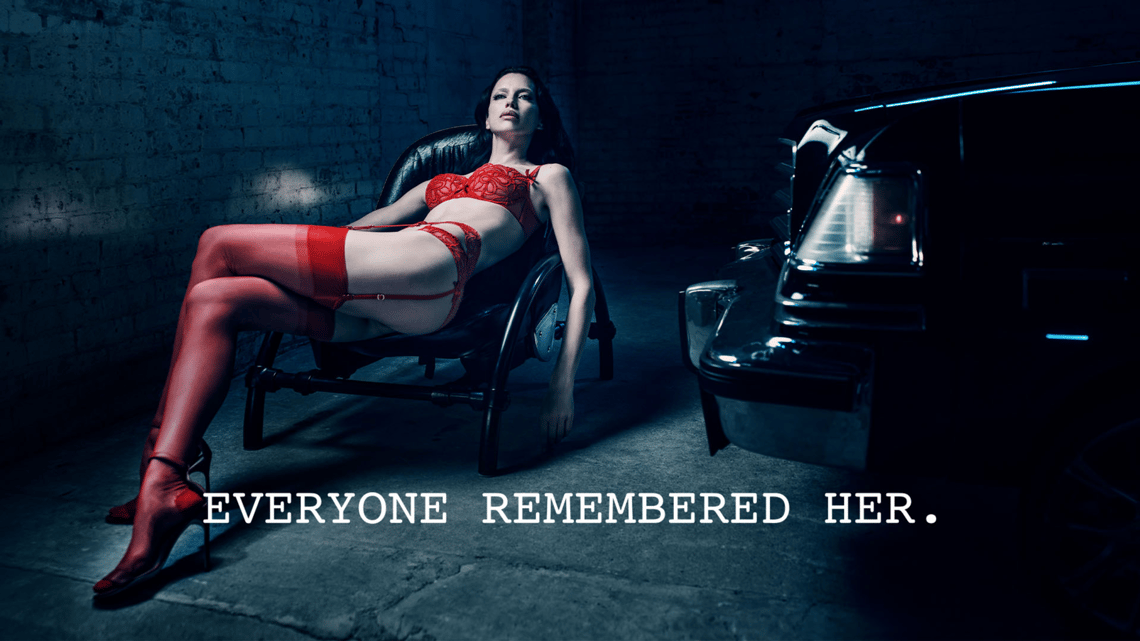
NEO-DIVA: Agent Provocateur has named Irina Shayk the face of its fall 2026 campaign, tapping Steven Klein to shoot it and Patti Wilson to style it under the creative direction of Sarah Shotton.
The images center on a stripped-down set – a parked car and a single lacquered chair – lit in contrast against dark backdrops. Shayk appears in silk stockings, embroidered lace and lacquered metal accents across the shoot, which the brand is using to introduce a figure it calls the “Neo-Diva.” “Irina has an extraordinary presence and confidence,” Shotton said. “There was something incredibly powerful about watching her become the Agent Provocateur Woman.”
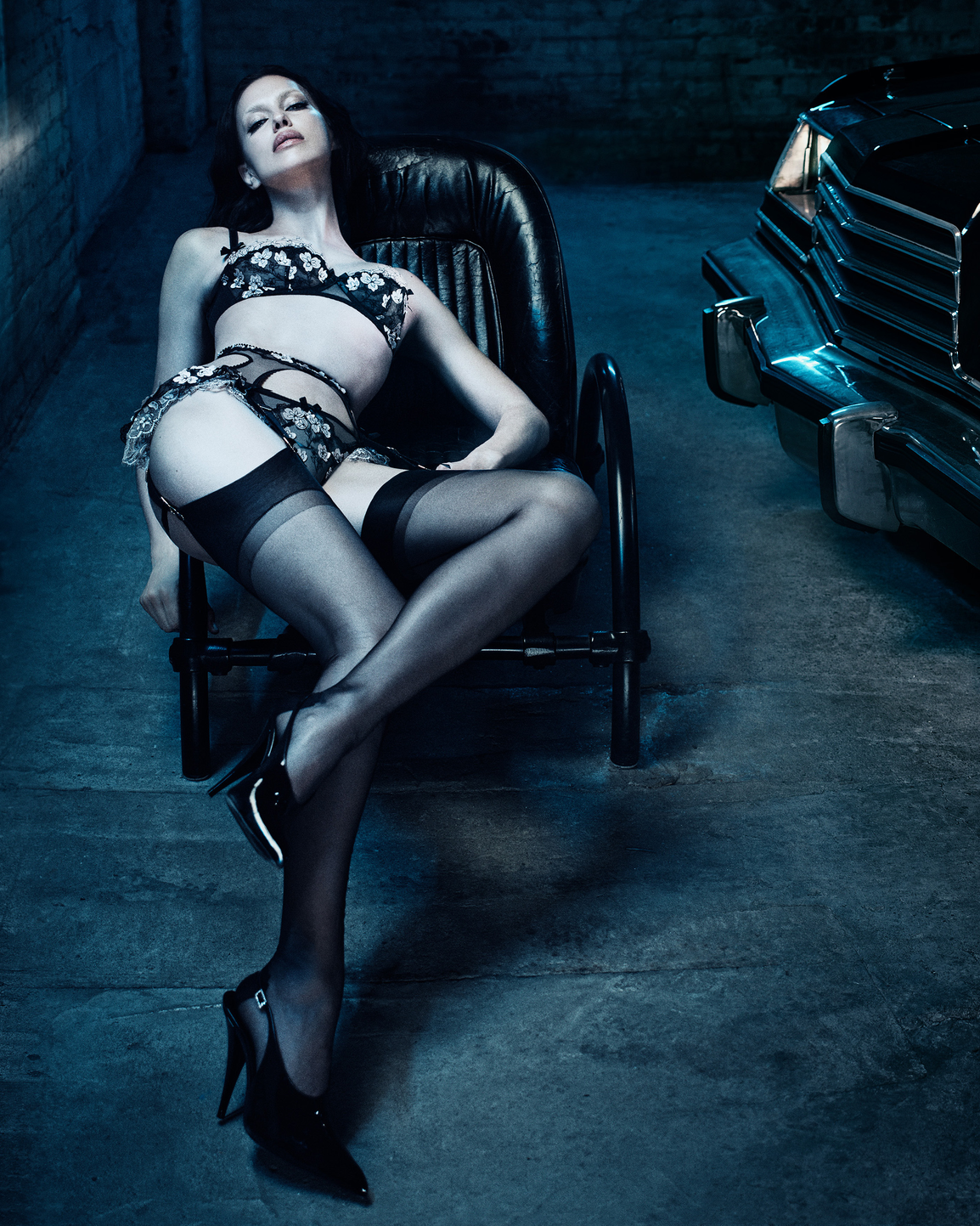
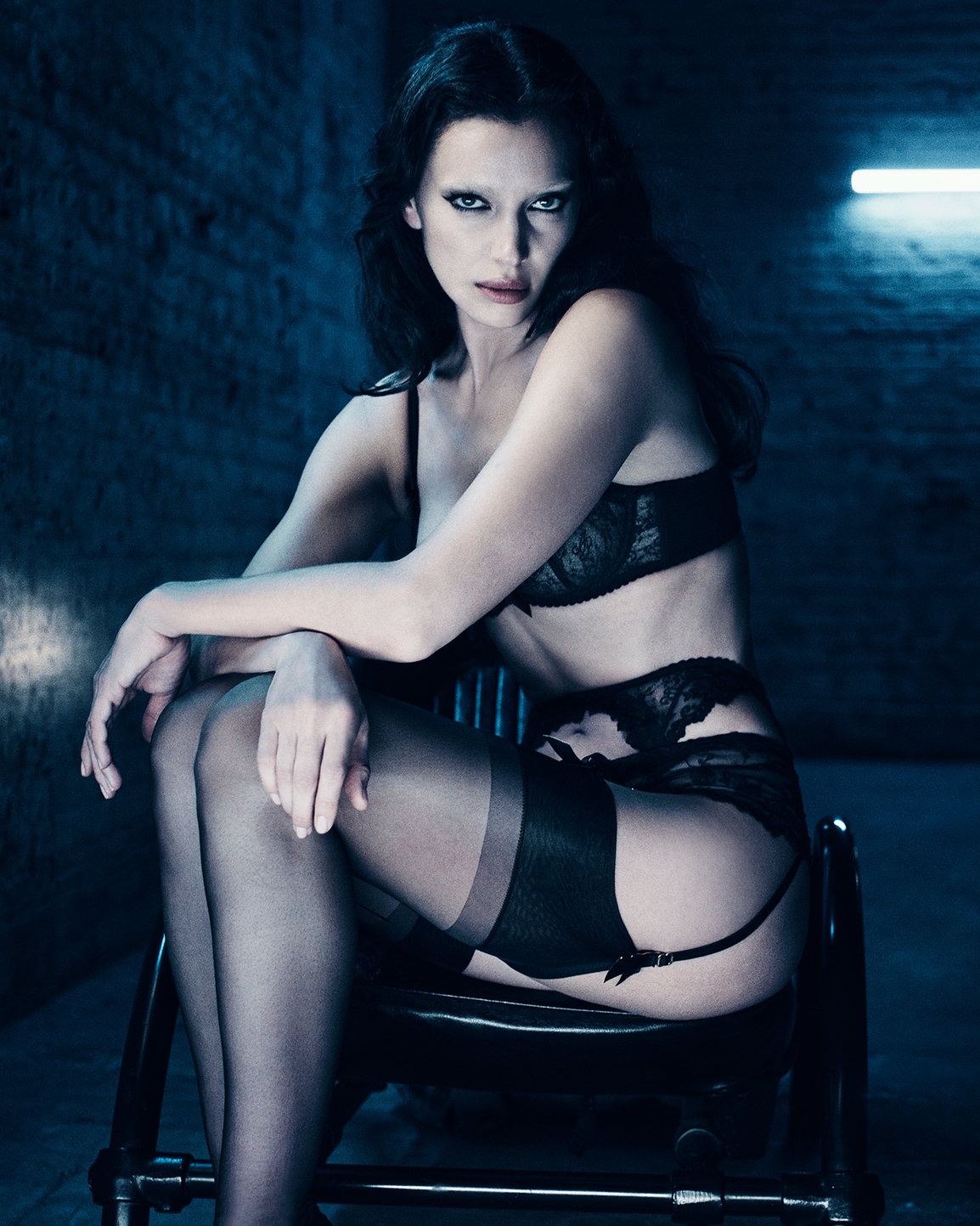
The pieces built around the campaign include the Josephina bodysuit, done in Italian stretch-lace with a monogram detail and floral embroidery. Agent Provocateur has positioned the collection around lingerie worn as outerwear as much as underneath it – a foundational layer rather than a hidden one, per the brand’s own framing of the shoot.
Shotton has tied the casting to a generational pitch: an “AP native” customer who grew up around the label through their mothers and is now old enough to wear it herself, inheriting the brand’s attitude without needing to perform it. The campaign is live now on Agent Provocateur‘s site and in its stores under the line “Everyone remembered her.”

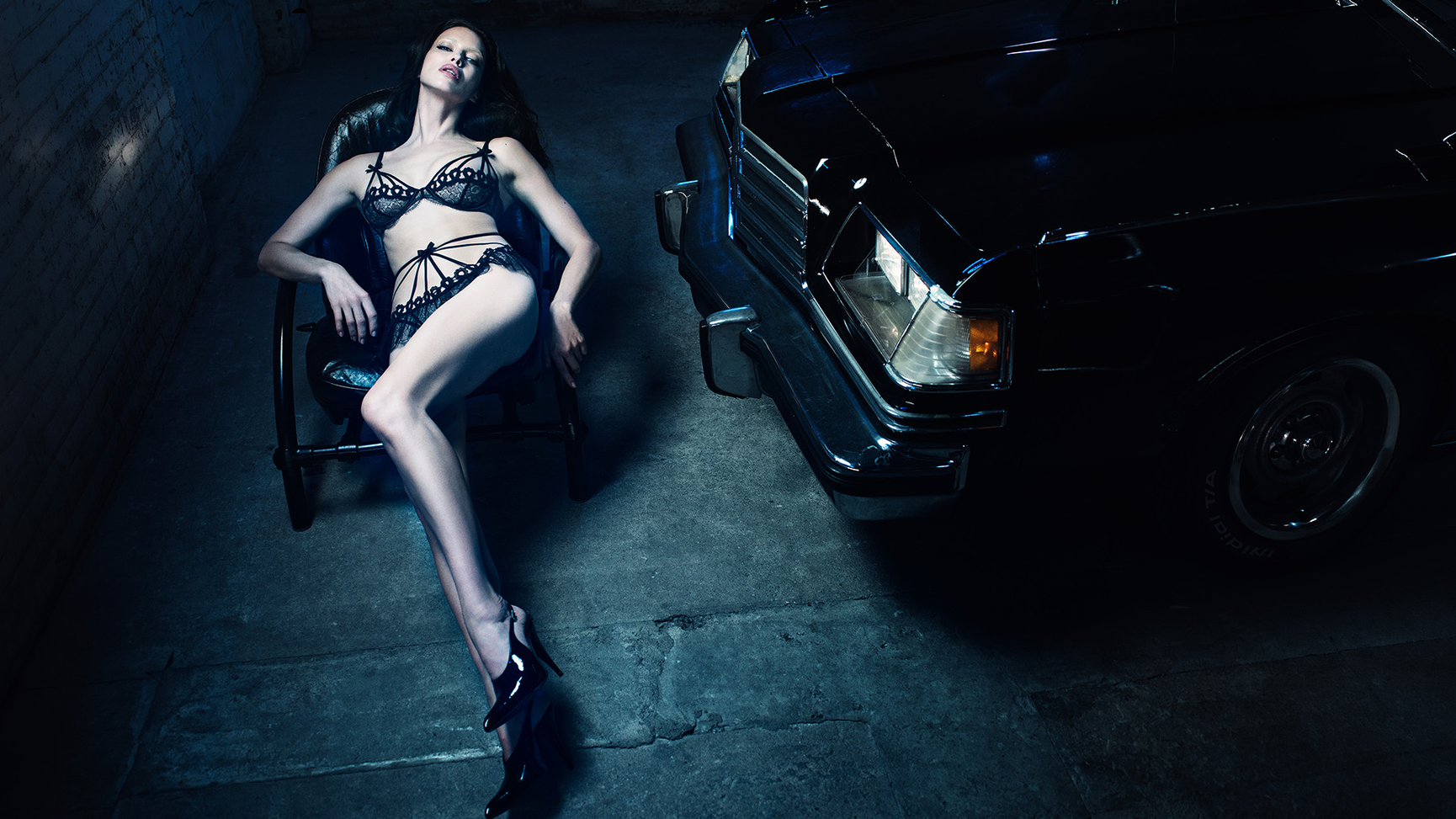
The casting continues a run of high-profile campaign talent for Agent Provocateur – the brand has fronted recent seasons with Paris Hilton and Maya Jama – and lands in a stretch when fashion press has been paying Agent Provocateur unusually close attention, following a look the brand did with Addison Rae earlier this year.
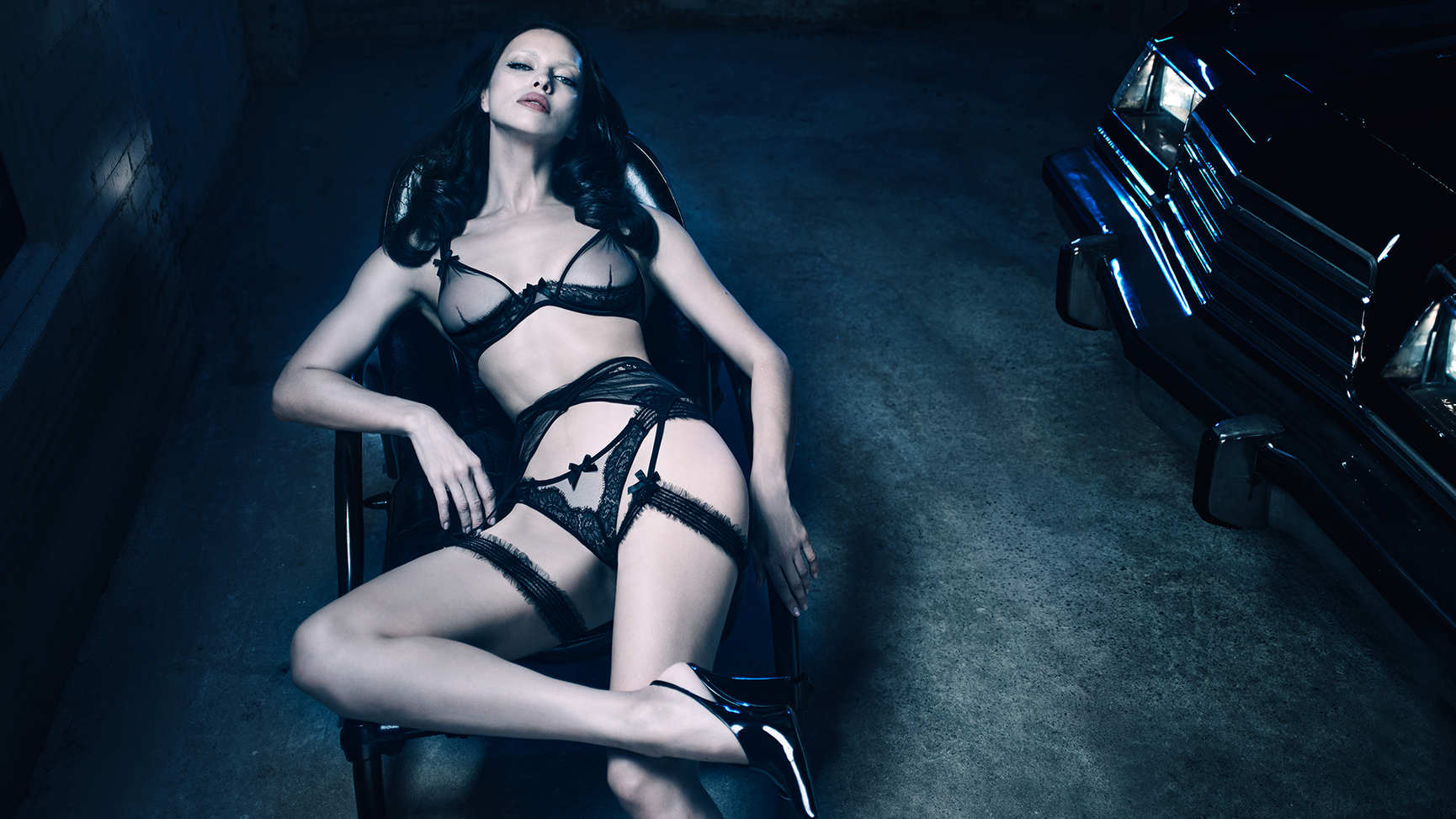
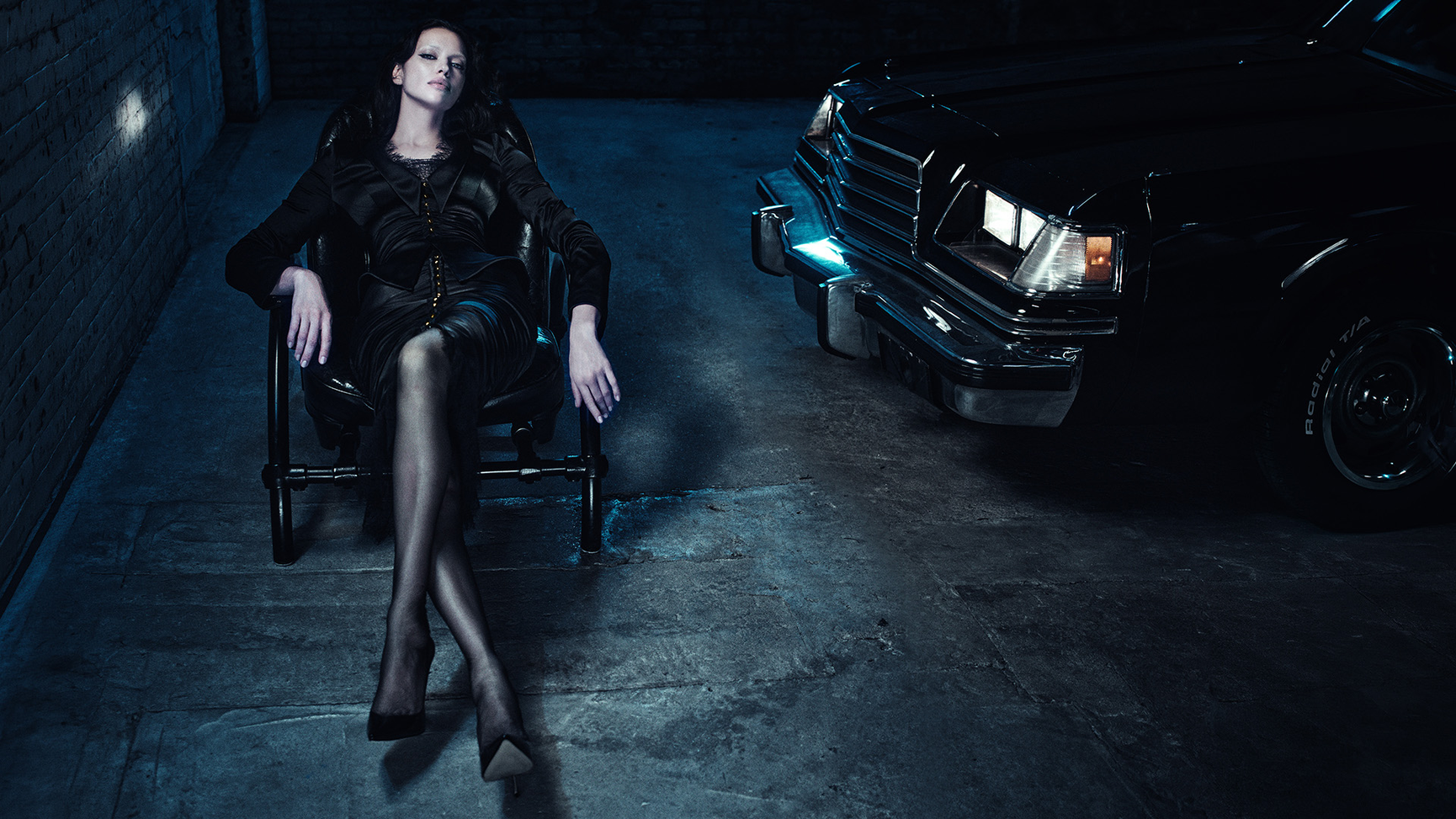
Irina Shayk‘s other current campaign work runs in a different register entirely: she also stars in Marella’s fall 2026 advertising, shot by Mark Kean, built around the Italian brand’s tailored “Hero Blazer” worn with nothing underneath it.
Images Courtesy of Agent Provocateur
Weitere Neuigkeiten zu Markenkampagnen:, Victoria’s Secret Puts Joyride Summer Collection in Overdrive as Lace Push-Up Returns
Deconstructing the Neo-Diva Archetype
With the Neo-Diva, Sarah Shotton moves beyond the brand’s established vocabulary of seduction to propose a woman who commands the room before she speaks. The archetype rejects the performative femininity often associated with lingerie advertising in favor of something nearer to armored self-possession. In the campaign film, Shayk does not pose for the lens so much as she occupies the frame; the lacquered chair and the parked car function less as props than as extensions of her architecture. This shift aligns with a broader cultural recalibration where power dressing has migrated from the boardroom shoulder pad to the intimate architecture of the bodysuit. Shotton has described the Neo-Diva as “unapologetically visible,” a phrase that doubles as a mission statement for a label historically coded for the private sphere. By centering Italian stretch-lace, floral embroidery, and lacquered metal hardware on silhouettes designed to be seen, the collection argues that vulnerability and authority are not mutually exclusive. The Josephina bodysuit, with its monogram detail, serves as the thesis piece: a garment constructed with the rigor of tailoring but the syntax of lingerie, ready to sit beneath a blazer or stand alone under a coat.
Steven Klein and the Cinematic Language of Control
The choice of Steven Klein as photographer is a deliberate signal. Known for his high-contrast, almost forensic approach to the body, Klein has long treated fashion imagery as a stage for psychological tension rather than mere display. His work for Agent Provocateur AW26 strips the narrative to its scaffolding: a car, a chair, a woman, shadow. The darkness surrounding Shayk is not empty; it is active negative space that forces the eye onto the texture of embroidery, the sheen of silk stockings, the cold glint of metal hardware. Klein’s palette, oscillating between deep noir and saturated jewel tones, mirrors the collection’s own duality, lingerie as both shield and signal. Patti Wilson’s styling reinforces this restraint. There is no clutter, no extraneous accessory to dilute the focus on construction. The result is a campaign that feels closer to an independent film short than a traditional lookbook, inviting the viewer to project their own narrative onto the Neo-Diva while the clothes retain their sovereignty. This visual strategy positions Agent Provocateur alongside the few houses, such as Saint Laurent under Vaccarello or Mugler under Casey Cadwallader, that use campaigns to build mythology rather than simply move product.
The Inheritance Strategy and Generational Continuity
Shotton’s reference to the “AP native” customer reveals a sophisticated retention strategy disguised as casting intuition. The brand is betting on a demographic that grew up seeing Agent Provocateur bags on their mothers’ vanities, absorbing the label’s coded language of British eccentricity and sexual confidence through osmosis. This inherited familiarity lowers the barrier to entry for a price point that sits firmly in the luxury tier; the customer does not need to be sold on the mythos because she has already internalized it. The campaign tagline, “Everyone remembered her,” operates on two frequencies: it describes the Neo-Diva’s effect on a room, and it nods to the brand’s own cultural persistence. In an era where lingerie startups chase virality through algorithm-friendly minimalism, Agent Provocateur leans into maximalist heritage, embroidery, hardware, and a specific kind of theatricality that cannot be replicated by a direct-to-consumer upstart. The casting of Shayk, a model whose career spans the transition from print supermodel to digital icon, bridges that timeline perfectly. She embodies the continuity Shotton is selling: a woman who has never needed to perform the part because she has always lived inside the frame.