

In a city where personal style is part of the culture, confidence can be one of the most valuable accessories, and sometimes, it starts with the way you wear your hair.
Hair does more than frame the face. It influences how we see ourselves, how we present ourselves, and how we approach personal style. For someone experiencing hair loss, changes in density or a receding hairline can feel like more than a cosmetic concern. They can influence everything from the hairstyles they choose to how they feel looking in the mirror.
That’s why hair restoration can be more than a procedure. For many, it’s a personal investment in appearance, confidence, and the way they want to present themselves.

What Is Confidence Worth?
For someone considering hair restoration, the financial cost is only part of the equation. The other is what they hope to gain from the experience.
In the United States, hair transplants typically cost between $7,000 and $15,000. The price of a procedure can vary based on factors including the surgeon, technique, number of grafts required, and procedure complexity.
But a price tag doesn’t capture the entire value of the decision.
For some, the return may be feeling more comfortable in photographs. For others, it could mean wearing hairstyles they had previously avoided, spending less time thinking about thinning hair, or simply feeling more at ease with their appearance.
These benefits are personal and can’t be guaranteed. A hair transplant isn’t a shortcut to confidence or a promise of professional or social success. But for someone whose hair loss has affected their self-image, restoration can become part of a broader investment in how they want to look and feel.
And when the goal is a natural result, the conversation extends beyond cost to precision, artistry, and long-term planning.
Why Precision Matters
Hair transplantation may be a medical procedure, but achieving an aesthetically pleasing result also requires an artistic eye.
The objective isn’t simply to add as many grafts as possible. Hair needs to be placed thoughtfully to complement the individual’s features and create a natural transition between restored and existing hair.
That starts with the hairline.
No universal hairline works for everyone. Facial proportions, forehead shape, age, existing density, hair characteristics, and anticipated future hair loss can all influence its design. Even the angle and direction of individual grafts can affect the final appearance.
The goal isn’t to make it obvious that someone has had work done. Ideally, the result simply looks as though it belongs to them.
A Bespoke Approach to Hair Restoration
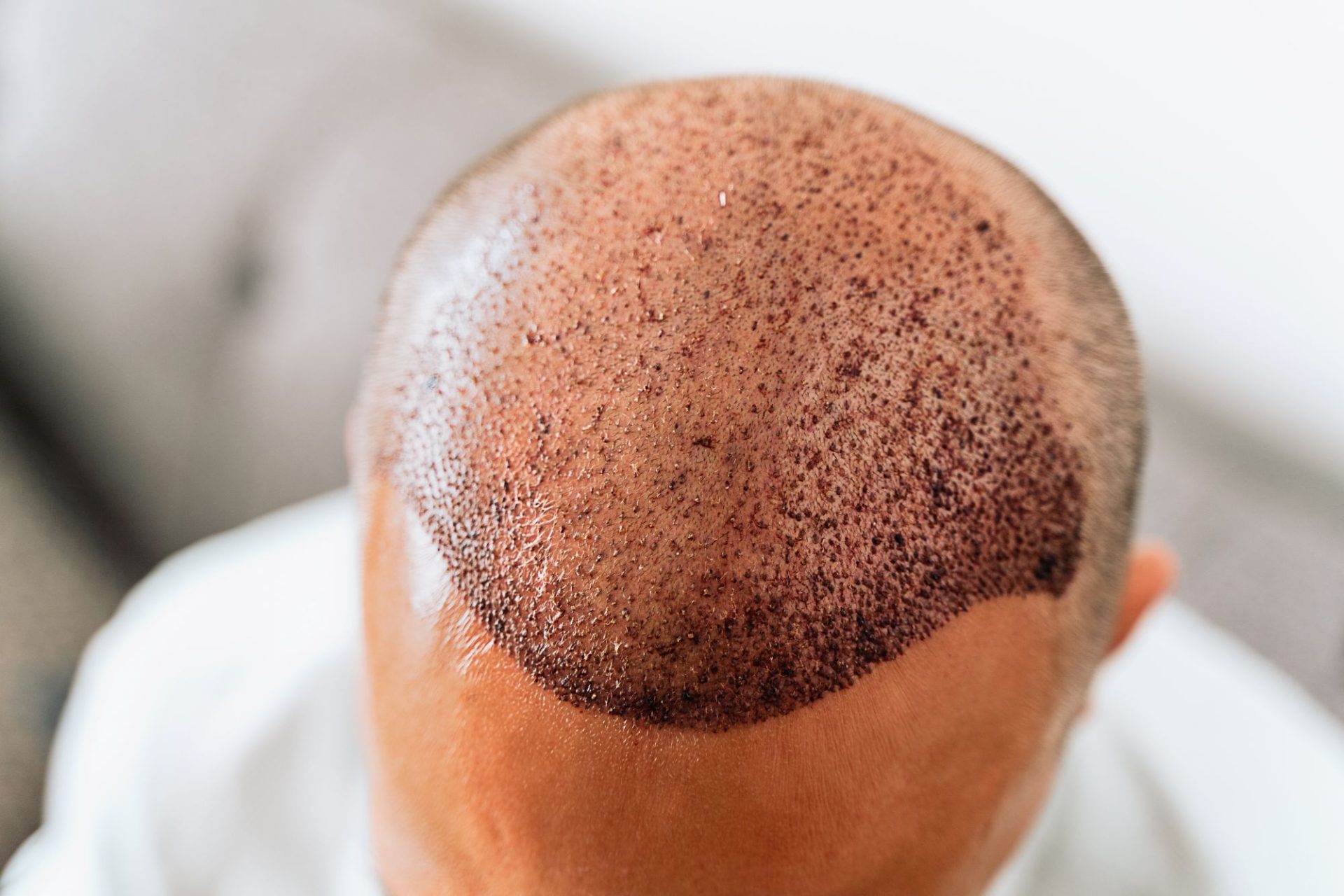
Precision hair restoration parallels bespoke tailoring.
An off-the-rack suit is designed to fit a broad range of people. A tailored suit, by contrast, is built around one individual – their proportions, measurements, and preferences.
Hair restoration requires a similar level of personalization. No two faces or patterns of hair loss are exactly alike. A thoughtful approach considers an individual’s facial structure, age, existing hair, donor supply, and aesthetic goals, as well as the overall health of the hair, rather than applying the same template to everyone.
That’s also why price alone can be a poor measure of value.
The least expensive procedure isn’t necessarily the best investment, just as the most expensive isn’t automatically the best. Experience, surgical technique, aesthetic philosophy, and long-term planning can matter far more.
The economics of hair restoration, then, aren’t simply about what someone pays. They’re about what they’re investing in—and how thoughtfully that result is designed.
The Best Result Is the One Nobody Notices
Ultimately, the artistry of hair restoration comes down to precision and restraint.
Technology and surgical techniques continue to evolve, but tools alone don’t determine an aesthetic outcome. Designing a hairline, understanding facial proportions, placing grafts in harmony with existing hair, and planning for future changes all require judgment.
The most compelling results aren’t necessarily the most dramatic. They’re natural, proportionate, and personal.
In that sense, precision hair restoration has more in common with fashion and design than it might initially seem. The best work doesn’t overwhelm the person wearing it. It complements them.
The goal isn’t to become someone else or turn back the clock. It’s to create a result that feels consistent with who you are—and perhaps gives you the freedom to stop thinking about your hair quite so much.
Because the ultimate return may have little to do with the number of grafts or the price on the invoice.
It may simply be the feeling of looking in the mirror and recognizing yourself again.