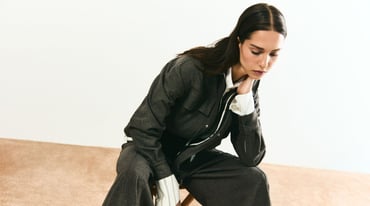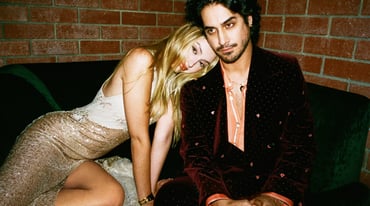
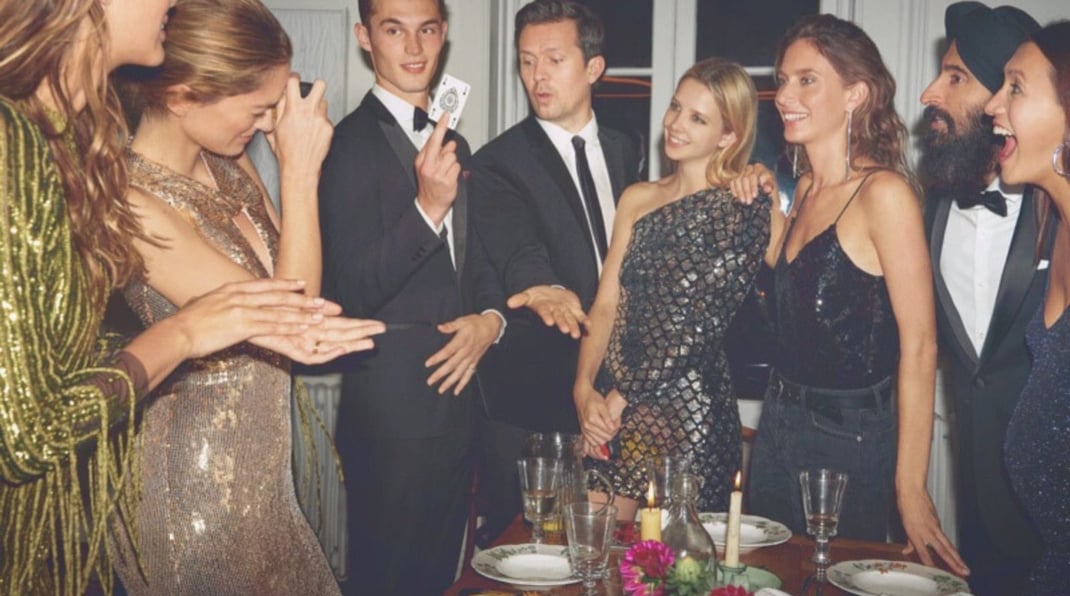

In a world where first impressions are pivotal, dressing appropriately for an occasion is more than a matter of style, it’s a language. The clothes we choose to wear speak volumes about our understanding of social etiquette, professionalism, and personal identity. From gala dinners to casual meet-ups, every event has an unspoken dress code that guides us in making sartorial choices. This article aims to demystify the various dress codes, helping you navigate through a myriad of social and professional settings with ease and elegance.
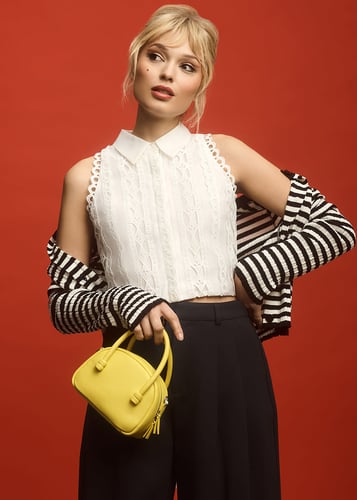
Understanding Dress Codes
At its core, a dress code is a set of guidelines that suggests how one should be dressed for a particular occasion or setting. While some dress codes are explicit, outlined in event invitations or workplace policies, others are more nuanced, and understood through cultural norms and traditions. Understanding and adhering to these codes not only shows respect for the occasion and hosts but also enhances personal presentation, boosting confidence and comfort. When comfort is the ultimate priority, consider a muslin dress.
Formal Dress Codes
Black Tie
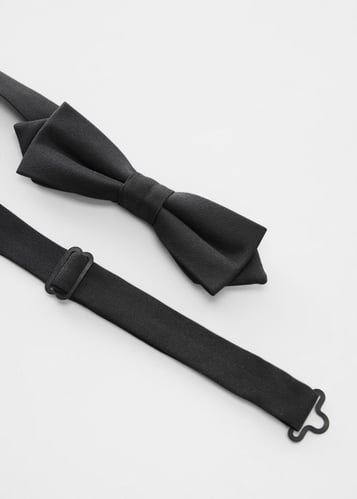
Synonymous with evening events, the black tie dress code is epitomized by the tuxedo for men and evening gowns for women. Reserved for ceremonies, upscale weddings, and formal banquets, this dress code exudes sophistication and timeless elegance. Men should opt for a classic black tuxedo, a white dress shirt, a black bow tie, and polished dress shoes. Women can choose long evening gowns, often accessorized with elegant jewelry and clutches.
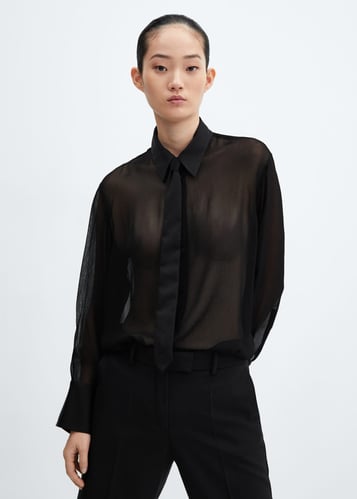
Tie shirt with satin details

Classic bow tie with microstructure
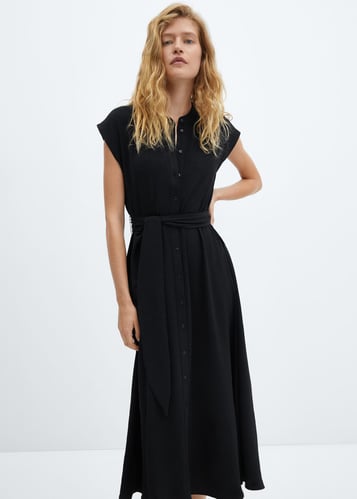
Midi shirt dress
Semi-Formal Dress Codes
Cocktail Attire
Cocktail attire strikes a balance between formal and casual, suitable for parties, receptions, and certain social functions. Men can wear a dark suit and tie, while women have the freedom to experiment with shorter elegant dresses and playful accessories.
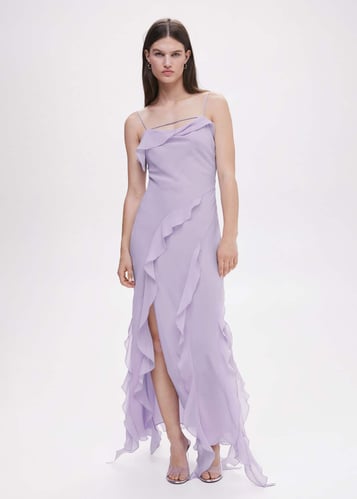
Ruffled detail dress
Tuxedo suit jacket
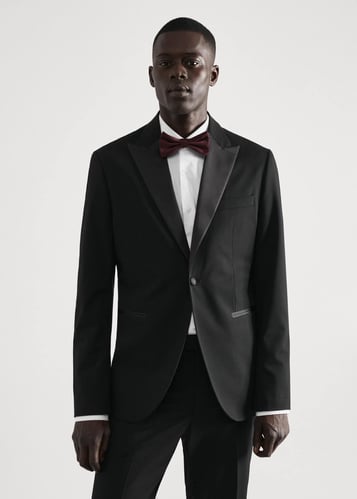
Suit blazer with satin details
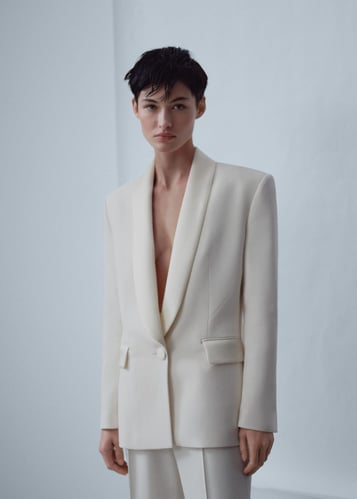
Business Formal
A step down from cocktail attire, business formal is often required in corporate settings, conferences, and business dinners. For men, it involves a suit and tie, leaning towards conservative colors. Women can opt for tailored suits, formal business dresses, or skirts with blouses.
Business Casual and Smart Casual
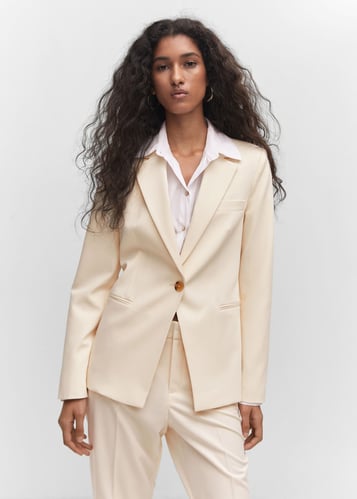
Navigating the fine line between business casual and smart casual can be challenging. Business casual is more relaxed than business formal but still maintains a professional look. Think of tailored pants, skirts, and blazers. Smart casual, on the other hand, allows more room for personality. It’s a mix of casual and business attire – chinos, skirts, blouses, and jackets, without the need for full suits.
Fitted suit blazer
Houndstooth straight mini-skirt
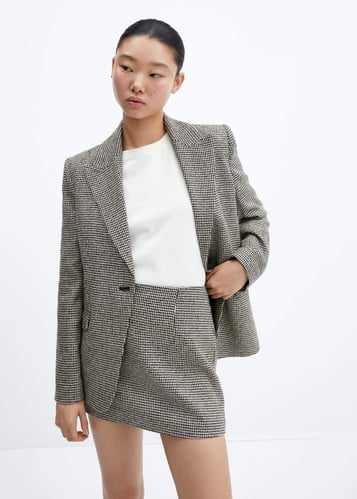
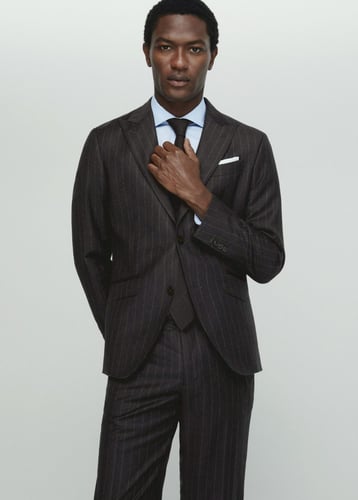
Pinstripe virgin wool suit blazer
Casual Dress Code
The casual dress code is all about comfort and personal style while maintaining an element of polish. This dress code is common for informal gatherings, casual Fridays at work, or while running errands. For men, this could mean jeans or khakis paired with polo shirts or casual button-downs. Women might choose dresses, casual skirts, or trousers paired with tops or sweaters. The key is to keep it tidy, avoiding anything too flashy, overly revealing, or sloppy.
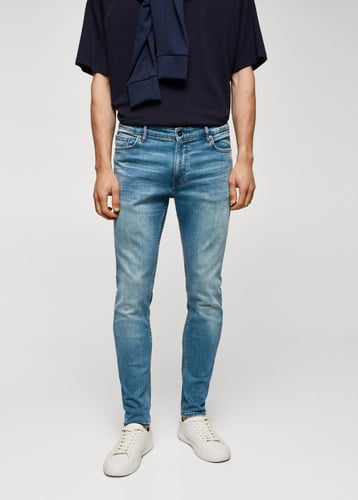
Jude skinny-fit jeans
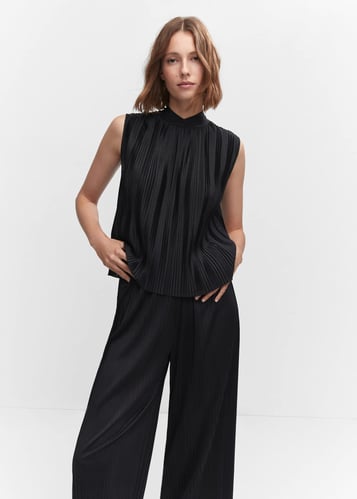
Pleated bow top
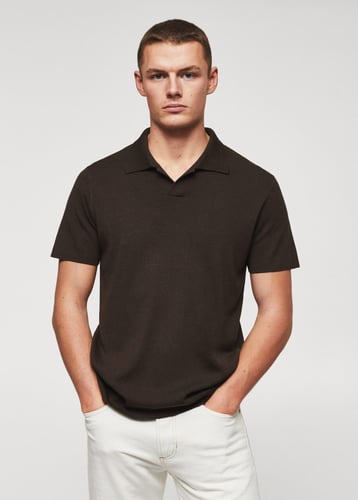
Fine-knit polo shirt
Themed Dress Codes
Themed dress codes add a fun twist to events, requiring guests to dress according to a specific concept or era. This could range from ‘Roaring 20s’ and ‘Hollywood Glam’ to ‘Beach Party’. Adhering to a themed dress code shows creativity and enthusiasm for the event. Research is essential to ensure your outfit aligns well with the theme while maintaining a balance between costume and style.
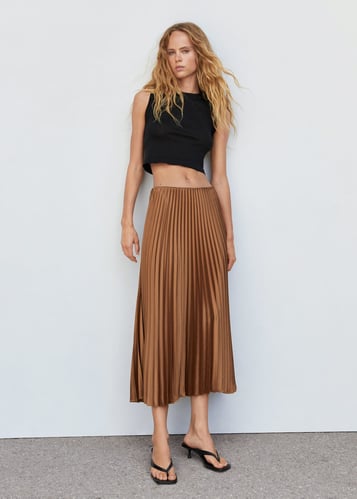
Pleated midi skirt
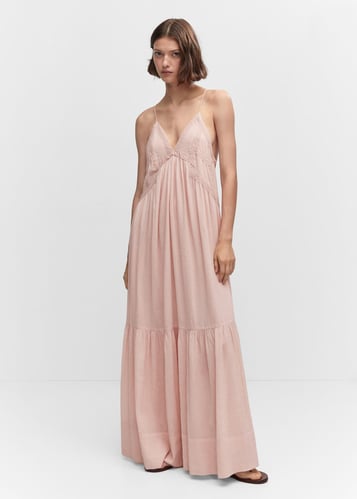
Maxi-dress with lace details
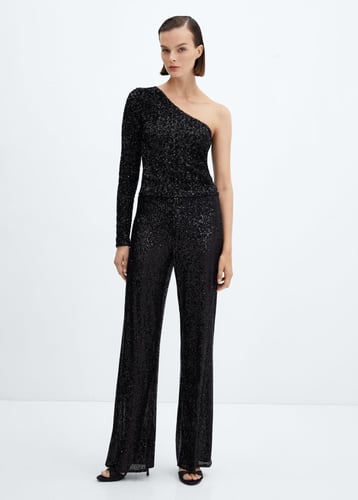
Asymmetric sequin top
Seasonal Dress Codes
Dress codes often adapt to the changing seasons. For summer events, lighter fabrics and brighter colors are appropriate, while winter calls for darker hues and heavier materials. For instance, a summer wedding might call for a light linen suit or a floral dress, whereas a winter gala would be more suited to velvets and gowns with shawls or fur wraps.
Cultural Dress Codes
Cultural dress codes are significant in certain social and religious contexts. It’s important to be aware of and respect these dress codes when attending cultural ceremonies or events. This might include traditional attire specific to a culture or modest dress for religious events. Being culturally sensitive and informed is key to showing respect and appreciation for diverse customs and practices.
Dress Codes for Special Occasions
Special occasions like weddings, galas, and award ceremonies often come with specific dress code requirements. These events are opportunities to showcase high fashion and elegance. For weddings, consider the venue and time of day – a beach wedding calls for a different attire than a church wedding. For galas and award ceremonies, formal or semi-formal attire is usually appropriate, allowing for glamorous gowns, tailored suits, and sophisticated accessories.
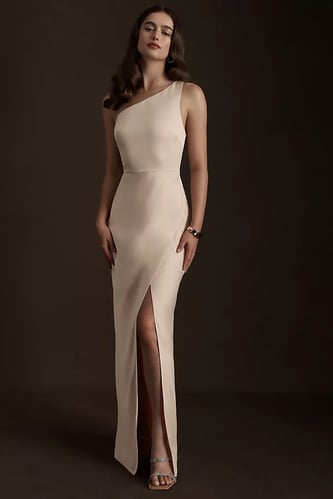
BHLDN Dylan One-Shoulder Satin Side-Slit Gown
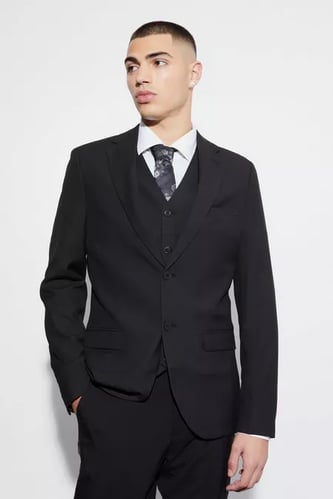
SKINNY SINGLE BREASTED SUIT JACKET
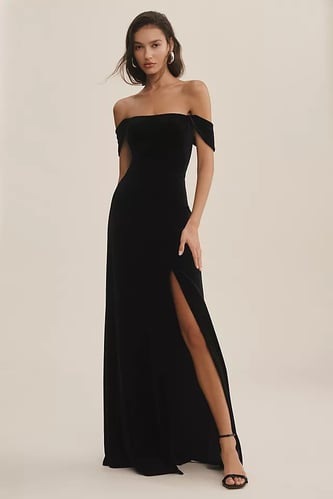
Jenny Yoo Issa Off-The-Shoulder Stretch Velvet Column Gown
Tips for Dress Code Etiquette
Navigating dress codes goes beyond just choosing the right outfit; it’s also about understanding and practicing good etiquette. Here are some tips:
- Always err on the side of being slightly overdressed rather than underdressed.
- Pay attention to the details mentioned in the invitation. If it says ‘black tie optional’, it means formal attire is preferred but not mandatory.
- When in doubt, ask the host or others attending the same event for guidance.
- Remember, it’s not just about clothes. Grooming, hygiene, and overall presentation are equally important.
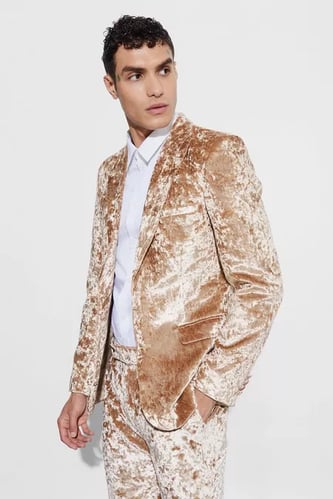
SKINNY FIT CRUSHED VELVET BLAZER
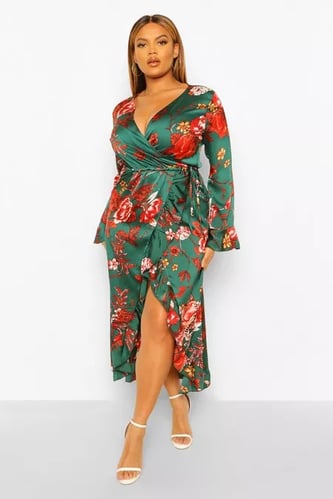
PLUS FLORAL RUFFLE WRAP DRESS
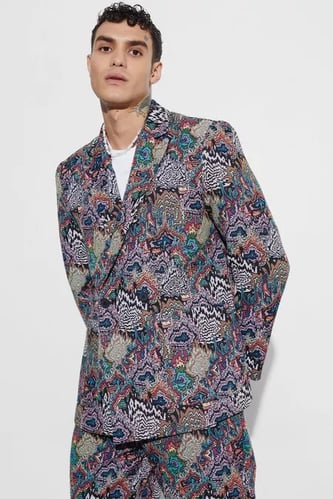
RELAXED FIT DOUBLE BREASTED TAPESTRY BLAZER
Accessorizing for Different Dress Codes
Accessories can make or break an outfit. They should complement and enhance the overall look without overpowering it.
- For formal events, choose subtle and elegant accessories like cufflinks, tie pins, or a classic watch.
- Women can opt for statement jewelry, clutches, and scarves to add personality to formal outfits.
- In casual settings, go for fun and functional accessories like hats, belts, or colorful bags.
The Future of Dress Codes
The concept of dress codes is constantly evolving with fashion trends, cultural shifts, and the changing nature of work and social events.
- With the rise of remote work and digital meetings, ‘video call attire’ has become a new category.
- Sustainability and ethical fashion are also influencing dress codes, with an emphasis on quality and eco-friendly choices.
Conclusion
Understanding and adhering to dress codes is not just about following rules; it’s about expressing respect, confidence, and your personal style. Whether you’re dressing for a formal gala or a casual get-together, the right attire can enhance the experience and leave a lasting impression. Remember, elegance is not only in the outfit but in how you carry yourself with grace and confidence in any setting.