

Bumper Pull Trailers vs. Gooseneck Trailers: Making the Right Choice
When it comes to choosing the right trailer for your hauling needs, two popular options often come into play: bumper pull trailers and gooseneck trailers. Whether you’re a casual camper, a ranch owner, or a business owner requiring heavy-duty transportation, understanding the differences between these two types of trailers can help you make an informed decision. This article will explore the key features, advantages, and disadvantages of both trailer types, ultimately guiding you toward the best choice for your specific needs.
What Are Bumper Pull Trailers?
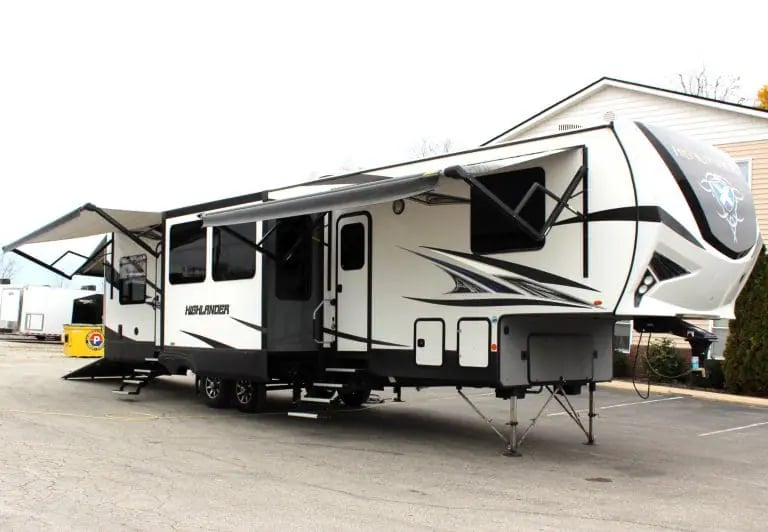
Bumper pull trailers, also known as tag-along trailers, are among the most common types of trailers used today. These trailers connect to a vehicle via a hitch attached to the rear bumper or frame. The connection is simple, with the trailer’s coupler locking onto the ball mount of the hitch.
One of the primary reasons bumper pull trailers are so popular is their ease of use. Most vehicles, including smaller trucks, SUVs, and even some cars, are equipped with a tow hitch that can accommodate a bumper pull trailer. They’re versatile, with various sizes and capacities, and they’re often used for lighter loads such as camping gear, ATVs, and small equipment. They are also favored for recreational use, particularly for those who only need a trailer on occasion.
Bumper pull trailers are generally more affordable compared to their gooseneck counterparts, making them a good choice for those who are looking for a budget-friendly option. Additionally, they are relatively easy to maneuver, which is an appealing feature for individuals who may not have extensive towing experience. However, the major limitation of bumper pull trailers lies in their towing capacity. These trailers are better suited for lighter loads, as their design does not offer the same stability or strength as a gooseneck trailer.
What Are Gooseneck Trailers?
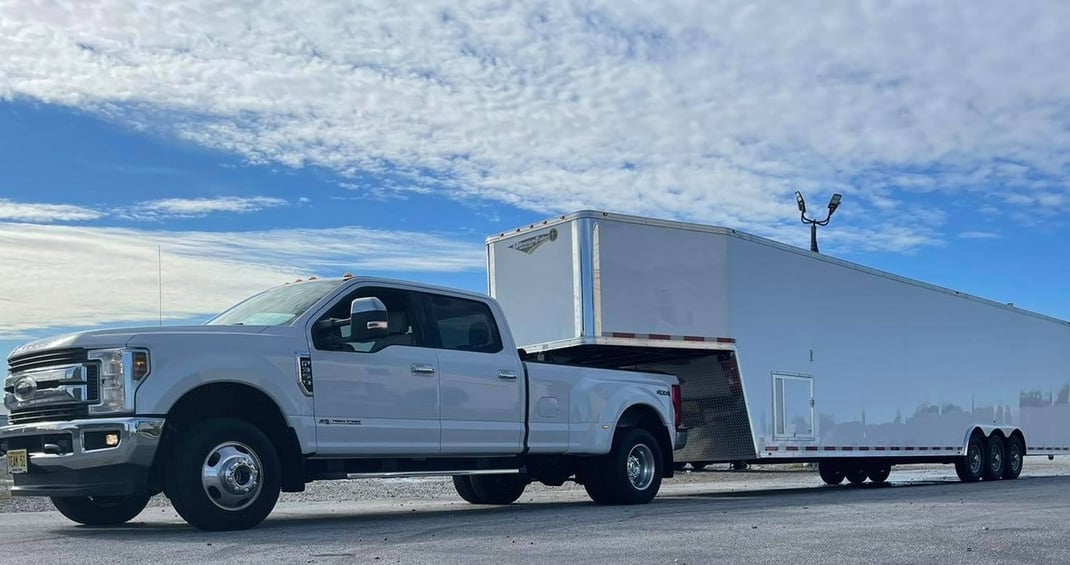
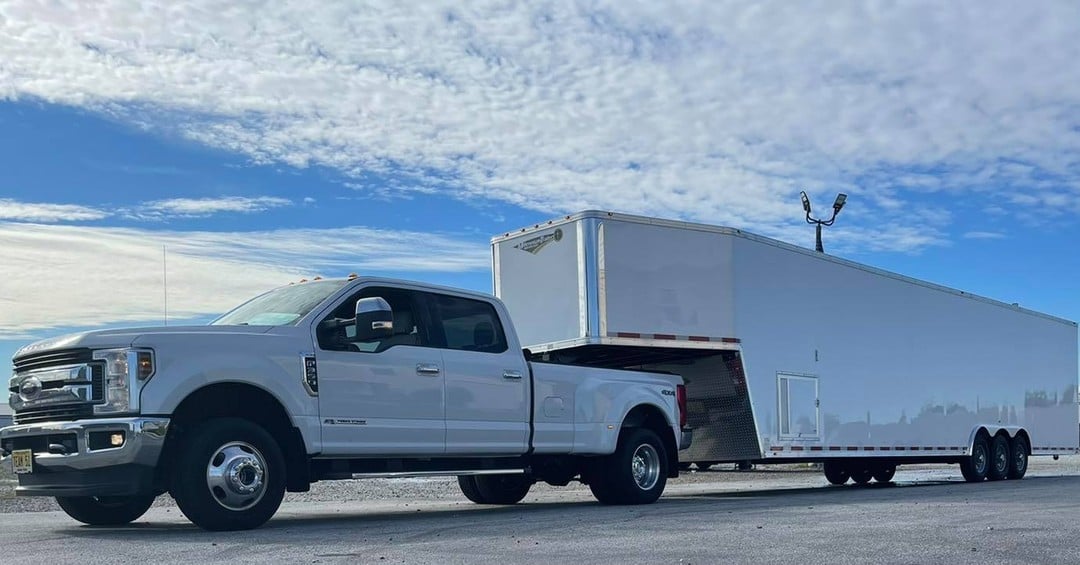
Gooseneck trailers, on the other hand, are designed to connect to the bed of a truck using a hitch that is mounted inside the truck bed, typically located near the front of the bed itself. The hitch is referred to as a “gooseneck” due to its shape, which resembles a curved neck. This type of connection provides a higher degree of stability, which is one of the biggest advantages of gooseneck trailers.
These trailers are commonly used for heavier loads, such as livestock, construction equipment, and other large items that require more robust towing capabilities. Gooseneck trailers offer a much higher towing capacity compared to bumper pull trailers, making them a preferred option for businesses and individuals who regularly transport heavy or oversized loads. The hitching system allows for better weight distribution, which helps ensure the vehicle is more stable, reducing the potential for sway while on the road.
One popular variant of gooseneck trailers is the gooseneck trailer with living quarters. These trailers provide a unique blend of functionality, offering both a reliable towing option for heavy-duty equipment and the comfort of a living space. Often used by travelers, ranchers, and event-goers, gooseneck trailers with living quarters are equipped with features such as beds, kitchens, and bathrooms, making them ideal for long trips, camping, or mobile homes.
Key Differences Between Bumper Pull and Gooseneck Trailers
The primary difference between bumper pull and gooseneck trailers lies in their connection points and the resulting impact on towing dynamics. Bumper pull trailers connect to the rear bumper or frame of the towing vehicle, while gooseneck trailers connect to the bed of a truck. This design difference influences several important factors, including towing capacity, stability, and maneuverability.
When it comes to towing capacity, gooseneck trailers generally outperform bumper pull trailers by a significant margin. Their design allows for better weight distribution, making them ideal for hauling heavy loads. A bumper pull trailer, while sufficient for lighter loads, is not built for the same level of weight management and may be prone to instability when towing heavier objects.
Stability is another area where gooseneck trailers shine. Thanks to the hitch placement within the truck bed, the trailer’s weight is more evenly distributed, reducing the chances of swaying or fishtailing while driving. This is particularly noticeable when towing at high speeds or in gusty conditions, where bumper pull trailers may struggle.
Choosing the Right Trailer for Your Needs
Choosing between a bumper pull trailer and a gooseneck trailer largely depends on your specific needs. For someone who plans to use a trailer occasionally for lighter tasks, such as transporting camping gear or small equipment, a bumper pull trailer is likely the best choice. It offers ease of use, affordability, and compatibility with a variety of vehicles.
For those who need to haul larger loads or transport heavy-duty equipment regularly, a gooseneck trailer may be the better investment. These trailers are built to handle much higher weights and provide greater stability on the road, making them ideal for commercial use, agricultural hauling, or transporting livestock.
الخاتمة
The decision between a bumper pull trailer and a gooseneck trailer boils down to your specific needs, towing requirements, and budget. If you need a versatile, affordable option for light-duty tasks, a bumper pull trailer is an excellent choice. However, if you need a heavy-duty solution for frequent, large hauls, a gooseneck trailer will provide the stability, towing capacity, and durability required for the job.