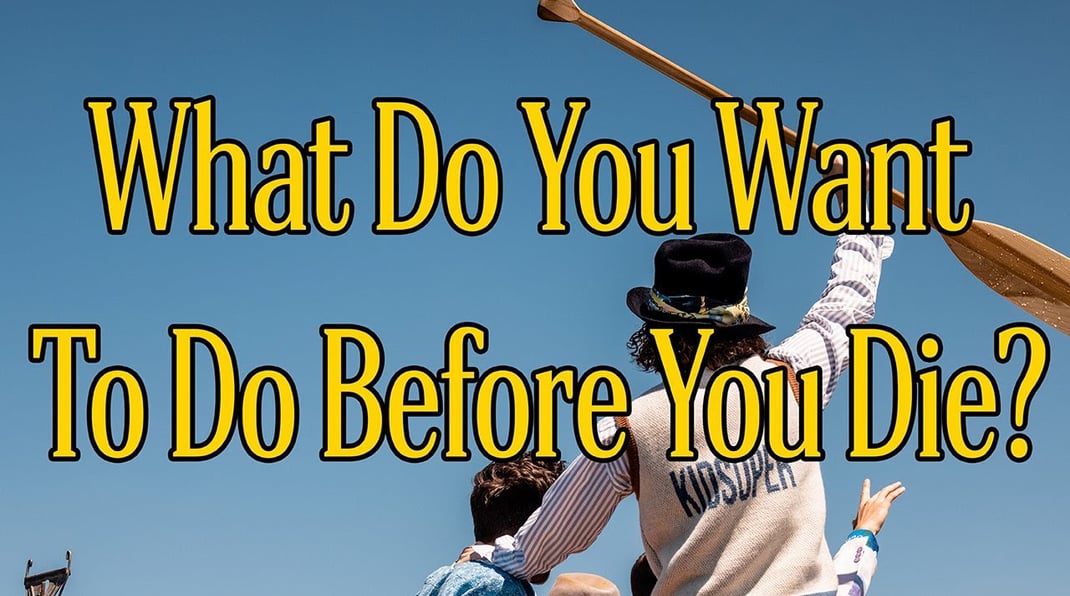

As the world reopened following the pandemic, this proved to be among the final virtual Paris Fashion Week presentations, marking the close of a brief but creatively charged era in fashion presentation. The virtual fashion show setting proved to be a genuinely democratic format, one that prioritized ideas, feelings, and emotions over the logistical weight of physical productions, a quality that still resonates when revisiting this work in 2026. When it comes to Fashion Week in Paris if you rent a palace of a building, hire the top models and get all the it people to come then it is a success, with virtual money did not buy success and it was a perfect place for the underdog to come out on top. From the stop motion fashion show to our short film we we were constantly reinventing what people deemed a fashion show… in my mind the possibilities are endless. You can do anything and film it, wear the clothes, and it can fit the criteria of a virtual fashion show. For this concept I was brainstorming and asking all my friends what is the one thing you one do if you could do anything? Fashion show budgets are pretty high so the limits are somewhat endless. I kept asking different people and getting different and interesting answers. I realized this was the interesting part of the whole concept. Why not ask people what they want to do before they die and go help them do it. We set up a booth in Washington Square Park and started asking away, 300 people later and we were overwhelmed, excited and had a lot to prepare. It was a crazy undertaking but a beautiful one at that, every person we randomly met on the street ended up being incredible in their own right. What a beautiful video and concept.
Thank you all and can’t wait for the next idea.
Director: Colm Dillane and Kenny Shimm
Executive Producer: David Wept and Colm Dillane
Producer: Farah Idrees and David wept
Production Manager: Jagger Corcione
Director of Photography: Federico Tamburini
1st AC / Camera Op: Karleah Del Moral
1st AC: Nada Stjepanovic
2nd AC / Paris Unit DP: Alex Chan
Steadicam Op: Sabrina Marki
B Cam Op: Jesse Bronstein
Drone Op: John Callejas
Drone Op: Roman Dubchak
Gaffer: Claire Halloran
Gaffer: Josh Sheehan
Sound: Ernesto Pantin
Sound: Errol Basdeo
Sound: Samantha Cohen
Sound: Mauricio Escamilla
Stylist: Lucy Boogaerts
PA: Sean Shields
PA: Dale Horton
PA: Will Ryan
PA: Kyle Isler
PA: Zena Khafagy
PA: Fred Rodriguez
PA: Kobe Benn
PA: Ryan Gil
PA: Jess Zambrano
PA: Kevin Tobi
PA: Akil Mavruk
PA: Devontae Bennett
PA: Derek Hill
PA: Daniel Acheampong
PA: Jaydon Flotterton
PA: Josh Starling
PA: Eddie Force
BTS: Erik Lauchie
Stills: Mike Vitelli
Editor: Kenny Shimm, Colm Dillane, and Nicholas Sossi Romano
Assistant Editor: Kevin VP
Sound Design: Ayo Douson
Music by: Kenneth Cash, 1ofurfriends, Mike Baretz, Rasmus , and e madonna
Hollywood Anderson
Colorist: Houmam
___________________
Makeover Guy: Kris Timothy
Skydiver #1: Ryan Reynolds
Skydiver #2: Trish Georges
Skydiver #3: Mkullu Ndetto
Skydiver #4: Jerico Abreu
Family #1: Jose Fernandez
Family #2: Gimardy Lara
Family #3: Alondra Brea
Family #4: Franklyn Brea
Family #5: Margarita Cruz
Family #6: Gisela Fernandez
Family #7: Marcial Lara
Family #8: Aciel Brea
Blind Date #1: Jascinth Thompson
Blind Date #2: Garry Archbold
Mountain Climber: Taty Geneste
Performer #1: Abby T
Performer #2: Ally Sianga
Performer #3: Anthony Natoli
Performer #4: Hollywood Anderson
Paris Mother: Savitri Douglas
Paris Son: Kevin Douglas
Rafter #1: Colm Dillane
Rafter #2: Eric Madonna
Rafter #3: Adham Foda
Rafter #4: Safa Gaw
Looking back from 2026, the KidSuper SS22 presentation is now widely cited in fashion academia and industry retrospectives as a defining example of how the pandemic-era virtual format elevated independent designers who lacked the runway budgets of legacy houses.
Colm Dillane and the KidSuper Identity: Brooklyn Creativity on a Global Stage
KidSuper is the creative project of Colm Dillane, a Brooklyn-born designer, artist, and filmmaker whose work consistently blurs the boundaries between streetwear, fine art, and performance. Founded out of a dorm room at NYU, the brand built its reputation not through institutional backing or industry connections but through relentless experimentation and a genuine community of collaborators rooted in New York City culture. By the time the SS22 collection arrived, KidSuper had already established itself as one of the most exciting independent voices in American fashion, earning recognition from the LVMH Prize and cultivating a global following that spanned streetwear enthusiasts, contemporary art collectors, and fashion insiders alike.
What separates Dillane from many of his peers is his insistence on treating the fashion show not as a commercial vehicle but as a medium for storytelling. The SS22 presentation is a natural extension of that philosophy. Rather than staging a conventional runway in a borrowed Parisian venue, he turned the concept of a collection into a question, and then took that question directly to the public. This approach reflects a consistent through line in the KidSuper body of work: the belief that the most interesting material comes from real people living real lives, not from the curated aesthetics of the fashion establishment.
Washington Square Park as Runway: Community, Spontaneity, and the Spirit of New York
The decision to set up a booth in Washington Square Park was not incidental. The park sits at the heart of Greenwich Village and has functioned for generations as one of New York City’s most democratic public spaces, a place where students, artists, tourists, chess players, musicians, and activists converge without agenda or hierarchy. By planting the project there and asking 300 strangers a single, open-ended question, Dillane effectively made the park itself a casting location, a production studio, and a philosophical statement about where fashion inspiration should originate.
The responses the team collected were, by Dillane’s own account, genuinely surprising in their range and emotional weight. Some participants wanted to perform; others wanted to reunite with family members or experience physical adventures like skydiving and white-water rafting for the first time. The resulting film documents the team actually fulfilling those wishes, which transforms the project from a passive survey into an act of service and connection. This is where the SS22 presentation transcends fashion and enters the territory of social practice art. The clothes are present throughout, worn naturally within each scenario rather than displayed, which gives the collection an organic credibility that no conventional runway could replicate. Looking back from 2026, this methodology reads as prescient, anticipating a broader industry shift toward values-driven, experience-centered brand storytelling.
Legacy and Influence: How KidSuper SS22 Reshaped Expectations for Independent Fashion Presentations
The KidSuper SS22 film is now regularly referenced in discussions about the lasting impact of the pandemic-era virtual fashion week format. When physical shows were suspended, the industry defaulted to digital presentations that ranged from polished but sterile brand films to genuinely inventive short cinema. KidSuper occupied a category of its own, producing work that held up not simply as a fashion document but as a compelling piece of filmmaking with emotional resonance independent of its commercial context.
For smaller and emerging designers, the presentation demonstrated a replicable logic: constrain the budget, expand the concept. The production required a large crew and genuine logistical coordination across multiple locations and activities, but its power derived from the idea rather than from expensive sets or celebrity appearances. This distinction matters because it offered a template that prioritized creative conviction over financial scale, which is a meaningful proposition for independent designers competing for attention alongside legacy houses with resources that dwarf their own.
Industry observers and fashion educators have pointed to this project as evidence that the virtual format, far from being a compromise, could function as a genuinely superior vehicle for certain kinds of storytelling. As Paris Fashion Week returned to in-person presentations, many of the lessons absorbed during this period, including the value of cinematic narrative, authentic casting, and location-driven production, continued to influence how forward-thinking designers approached their seasonal communication strategies.