
https://www.youtube.com/watch?v=yLeQH_AwEh8
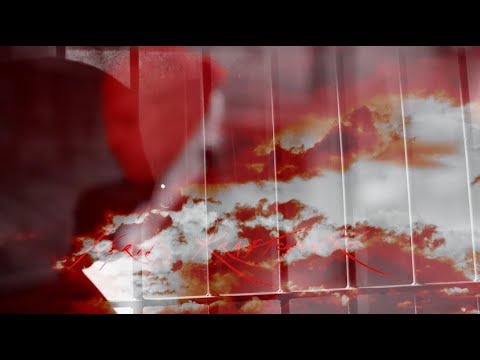
An immersive digital psychodrama performance.
In 2026, Kraftchenko's 'Isolation Streets' continues to be cited in academic and curatorial discussions as a defining example of how digital fashion performance navigated the boundaries of identity, grief, and collective trauma during a period of global disruption.
The Concept Behind Isolation Streets
Ingrid Kraftchenko’s Isolation Streets NO SEASON ’21 emerged from one of the most disorienting periods in recent cultural memory. Conceived and realized during the height of pandemic-era social withdrawal, the project takes its title literally and philosophically: streets emptied of human presence become psychological landscapes, and the absence of a conventional season speaks directly to the collapse of fashion’s traditional calendar under conditions of global lockdown.
Rather than producing a collection in the orthodox sense, Kraftchenko constructed an immersive digital psychodrama, a term that signals both the theatrical and clinical dimensions of the work. The performance draws on psychodrama’s roots in therapeutic role-play and existential exploration, applying that language to the highly aestheticized world of contemporary fashion. The result is a work that refuses easy categorization: it functions simultaneously as a garment presentation, a performance art piece, and a meditative document of collective psychological rupture.
The decision to forgo seasonal designation was itself a deliberate provocation. In an industry structured almost entirely around the rhythm of Spring/Summer and Autumn/Winter cycles, declaring no season was a refusal to participate in commercial time. It positioned the work outside the logic of sell-through and trend, placing it squarely within the territory of cultural statement and long-form artistic inquiry.
BFC Discovery Lab and the Platform for Radical New Voices
Kraftchenko’s selection for the British Fashion Council’s Discovery Lab underscored the initiative’s central mission: to identify and amplify designers whose work operates at the intersection of fashion, art, and critical thought. Launched to support emerging talent navigating an industry that was itself in structural freefall during 2020 and 2021, the Discovery Lab provided not only visibility but a legitimate institutional framework for work that might otherwise struggle to find an audience within mainstream fashion media.
For Kraftchenko, the platform was particularly significant. Her practice is not easily accommodated within the conventions of runway presentations or lookbook imagery. By supporting Isolation Streets as a digital video work, the BFC Discovery Lab signaled a broader willingness to reimagine what a fashion presentation could be. The piece circulated as a standalone video, demanding engagement on terms set by the artist rather than by the commercial logic of a press preview or a buyer appointment.
This institutional endorsement also carried geographic weight. Kraftchenko, working across cultural and linguistic contexts that inform her design sensibility, found in the BFC a platform with genuine international reach. The Discovery Lab’s positioning within London Fashion Week gave the work access to a global curatorial and critical audience at a moment when digital distribution had become the primary, and in many cases the only, channel for fashion communication.
Legacy and Critical Reception in Fashion and Art Discourse
In the years since its release, Isolation Streets NO SEASON ’21 has accumulated a critical afterlife that extends well beyond its original moment of presentation. Academic writing on pandemic-era fashion has returned to the work repeatedly as an example of how the discipline processed collective trauma not through escapism or optimism, but through direct confrontation with grief, stillness, and the uncanny quality of deserted urban space.
Curators working at the boundary of fashion and contemporary art have cited the piece as evidence that the video essay and digital performance formats, long associated with visual art practice, had been meaningfully absorbed into fashion’s own vocabulary. The work’s influence is visible in subsequent digital presentations by other emerging designers who have adopted psychodramatic and narrative structures as alternatives to the conventional presentation format.
By 2026, Kraftchenko’s project occupies a specific position in curatorial and scholarly discussions about identity construction, the body in isolation, and fashion’s relationship to historical trauma. It is referenced not simply as a response to a particular moment, but as a methodological model: a demonstration that fashion can produce knowledge about human experience rather than merely illustrating it. That distinction, between fashion as illustration and fashion as inquiry, is precisely what gives Isolation Streets its enduring critical relevance and what continues to draw students, researchers, and practitioners back to its unsettling, carefully composed imagery.