

What a Premium Dog Harness Brand Should Offer Beyond Basic Gear
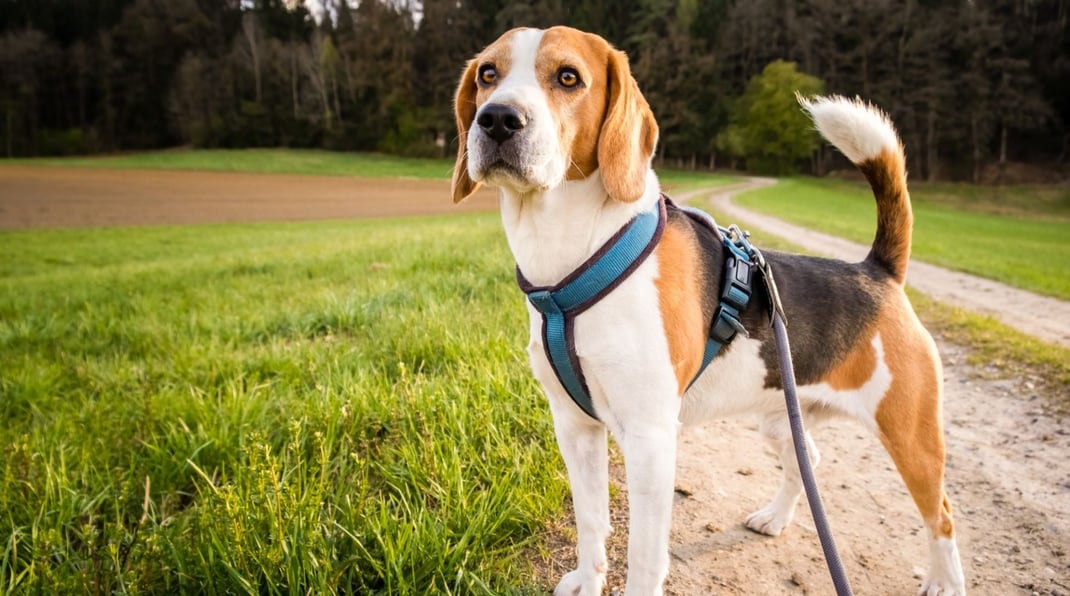
A dog harness should do more than attach a leash to a pet. Its construction affects pressure distribution, shoulder motion, skin comfort, and handler control. A well-made model can reduce strain during walks, support safer restraint, and remain comfortable through changing activities. Premium equipment earns its value through details that owners notice over time, including accurate sizing, dependable hardware, breathable materials, simple cleaning, and practical guidance for daily use.
Fit Comes First
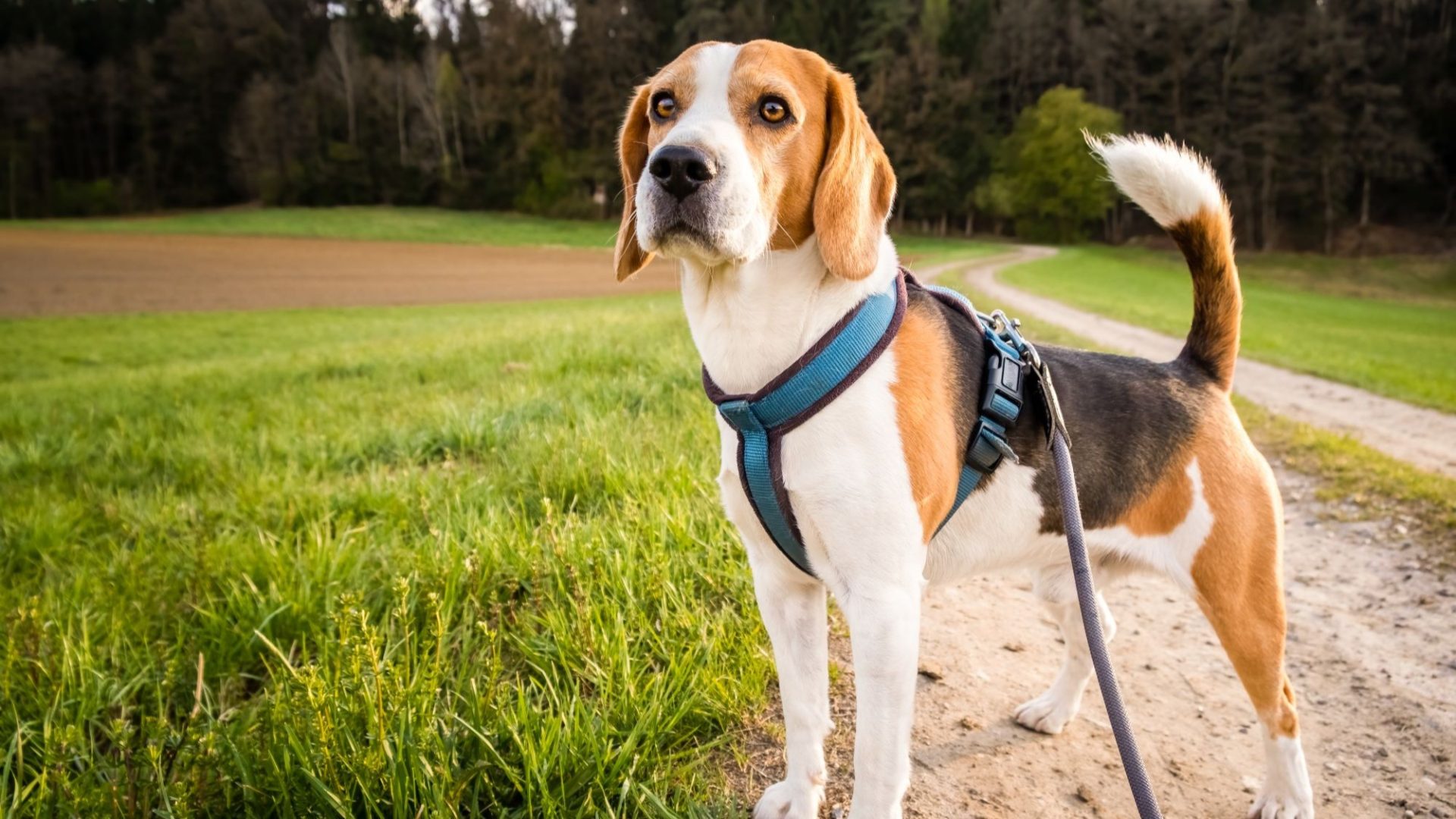
Chest circumference, neck position, and strap placement determine whether a harness protects or irritates. A useful sizing guide should explain where to measure, how much room to allow, and which body shapes may need adjustments. Canada Pooch, for example, offers harness options that reflect the need for secure positioning during routine walks. Clear fitting instructions help prevent rubbing, slipping, restricted motion, and pressure near the throat.
Movement Support
A dog should be able to extend the forelimbs, rotate the shoulders, and turn without resistance. Harness panels must sit behind the front legs, not across sensitive tissue or the windpipe. During climbing, trotting, or sudden changes in direction, balanced construction helps spread force across the chest. Flexible materials can preserve mobility while keeping the garment stable on different body types.
Safer Control
Attachment points influence how force travels through the body. A front ring may help redirect a persistent pull, while a back ring suits calm walking patterns. Dual connection options can support training or add control near traffic. Secure buckles, reinforced seams, and strong webbing matter during abrupt movement. Each part should remain easy to operate without adding excessive weight or uncomfortable bulk.
Comfort for Long Wear
Skin irritation often begins at the edges, especially behind the elbows or across the sternum. Soft binding, smooth seams, and breathable panels can reduce friction during repeated use. Light padding may improve pressure distribution, as long as it doesn’t trap heat or restrict motion. Dogs should be able to sit, lie down, sniff, and walk naturally. Comfort supports calmer behavior by reducing physical distraction.
Materials and Care
Webbing should resist stretching, fraying, and moisture absorption after repeated exposure. Hardware must tolerate tension without becoming difficult to release. Washable fabric is valuable because harnesses collect dust, saliva, grass, and road residue. Care instructions should state whether machine washing is safe, how to dry the item, and what signs indicate it needs replacement. Routine inspection can identify weakened stitching before a failure occurs.
Weather Readiness
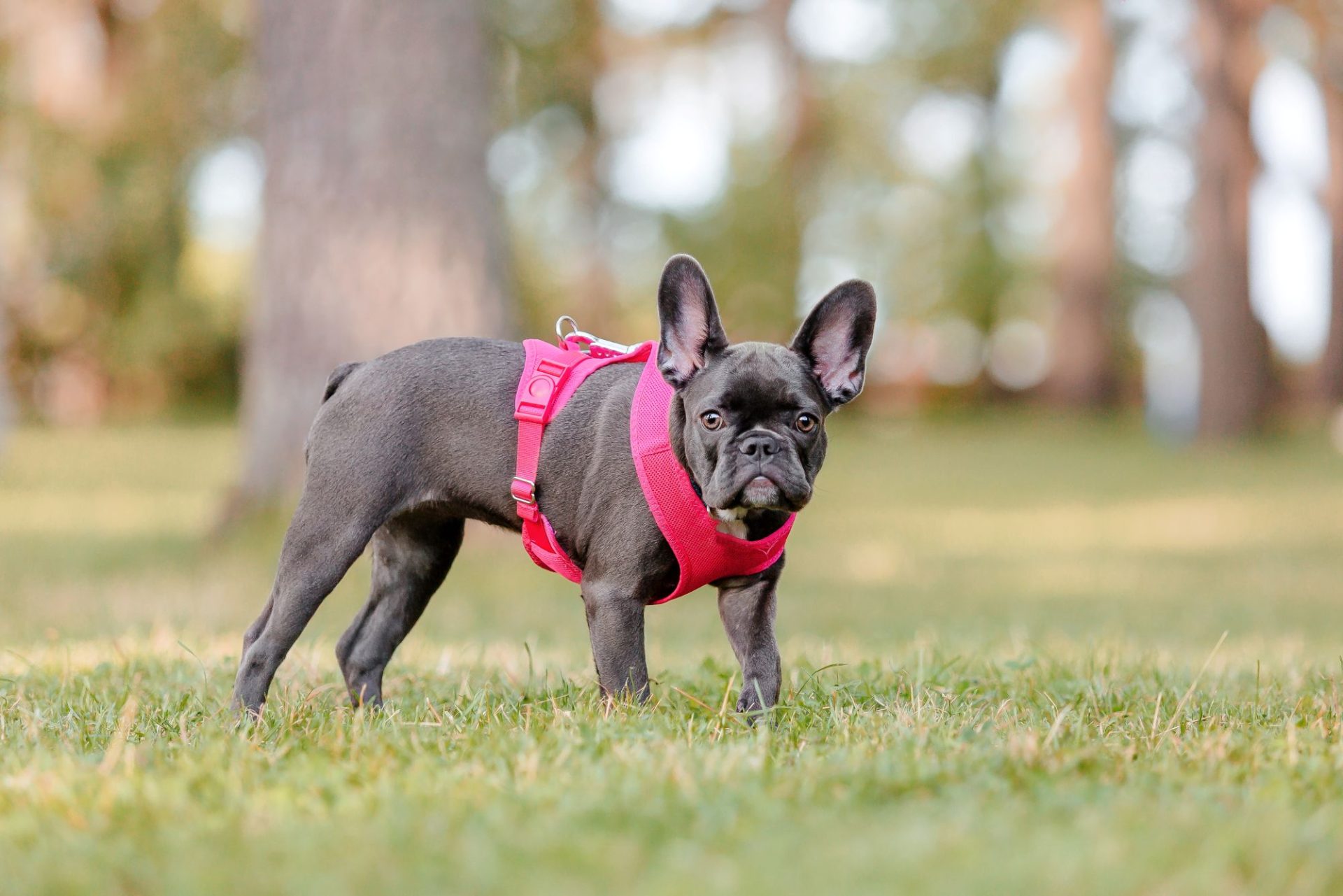
Temperature and precipitation affect how a dog tolerates clothing. Breathable fabric helps reduce heat retention during summer exercise, while water-resistant surfaces limit saturation in light rain. Reflective sections can improve visibility during low-light walks. Cold-weather users may need enough adjustment space for a coat, but excess looseness creates escape risk. Seasonal guidance helps owners choose equipment for their climate and activity.
Clear Sizing Help
Numbers alone rarely solve fitting questions. A strong guide should include measuring diagrams, adjustment photographs, and examples for narrow, deep, broad, or compact chests. Owners can check three points after placement: two fingers beneath each strap, a centered chest panel, and clear space behind the elbows. These checks reduce rubbing and unwanted movement. Practical instructions also lower the chance of an unsuitable purchase.
Service Builds Trust
Product quality includes the assistance available before and after checkout. Customer support should address measurements, exchanges, washing, hardware concerns, and appropriate use. Straightforward policies let owners assess risk before ordering. Product pages should state materials, attachment locations, care limits, and intended activities without inflated promises. Honest communication reflects a safety-first approach and gives families useful information for long-term decisions.
Beyond Basic Gear
A premium harness should fit into real routines, including neighborhood walks, veterinary visits, road trips, and outdoor exercise. Useful extras may include replacement components, visibility details, adjustable layers, or compatible walking equipment. The strongest products also account for changing body size, coat thickness, and activity demands. Value comes from repeated comfort, reliable restraint, and simple maintenance, not appearance alone.
Conclusion
A premium dog harness brand should address anatomy, movement, skin protection, handling, weather, and maintenance in equal measure. Accurate measurements help prevent pressure points, while suitable attachment options improve control without compromising comfort. Durable materials protect the investment, and clear service policies support informed decisions. These standards turn a basic restraint into dependable daily equipment, giving dogs room to move and owners greater confidence during ordinary outings.