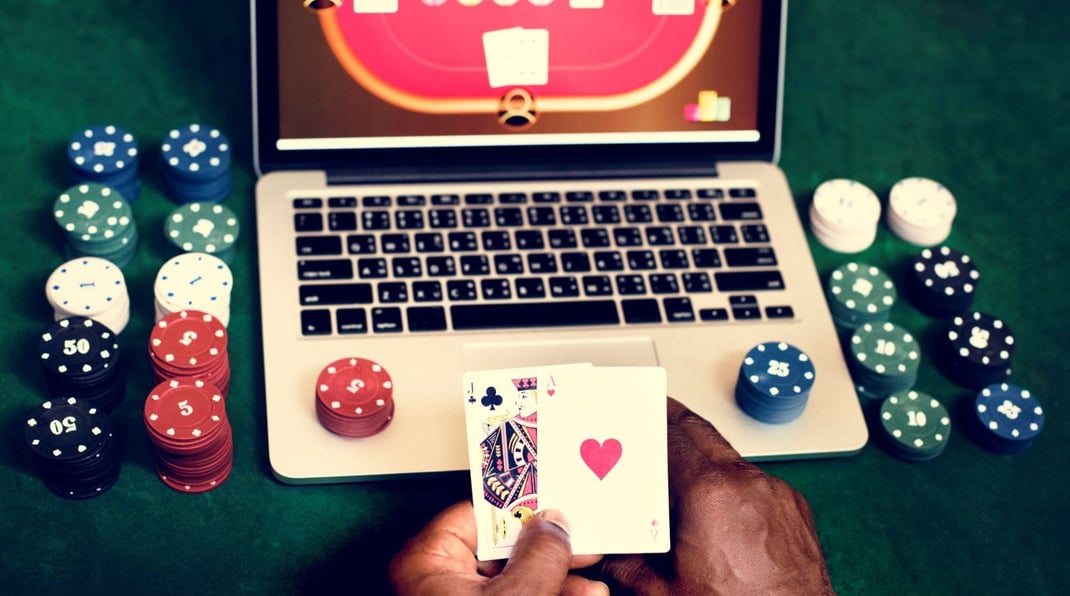

New tech has woven itself right into the fabric of online slot game design—maybe even more than some folks expected. Lately, it seems like immersion, customization, and that kind of effortless, absorbing play are at the heart of what’s shifting in the scene. Developers are grabbing at whatever’s next: flashy visuals, little interactive bits, and ways to make every spin feel sort of… personal, in a way. Revenue? If Statista’s recent estimate is even close, online slots might bring in over $100 billion this year. But, hmm, it’s not just about money—there’s the matter of how virtual reality, artificial intelligence, and blockchain tech are quietly (or not so quietly) working their way into major studios’ playbooks. As smartphones and tablets edge out older hardware, expectations ramp up too. Designs have to pop, load fast, hold attention, or well, people just swipe away. Maybe what it means to play—or even win—online is starting to look different, and not just a little.
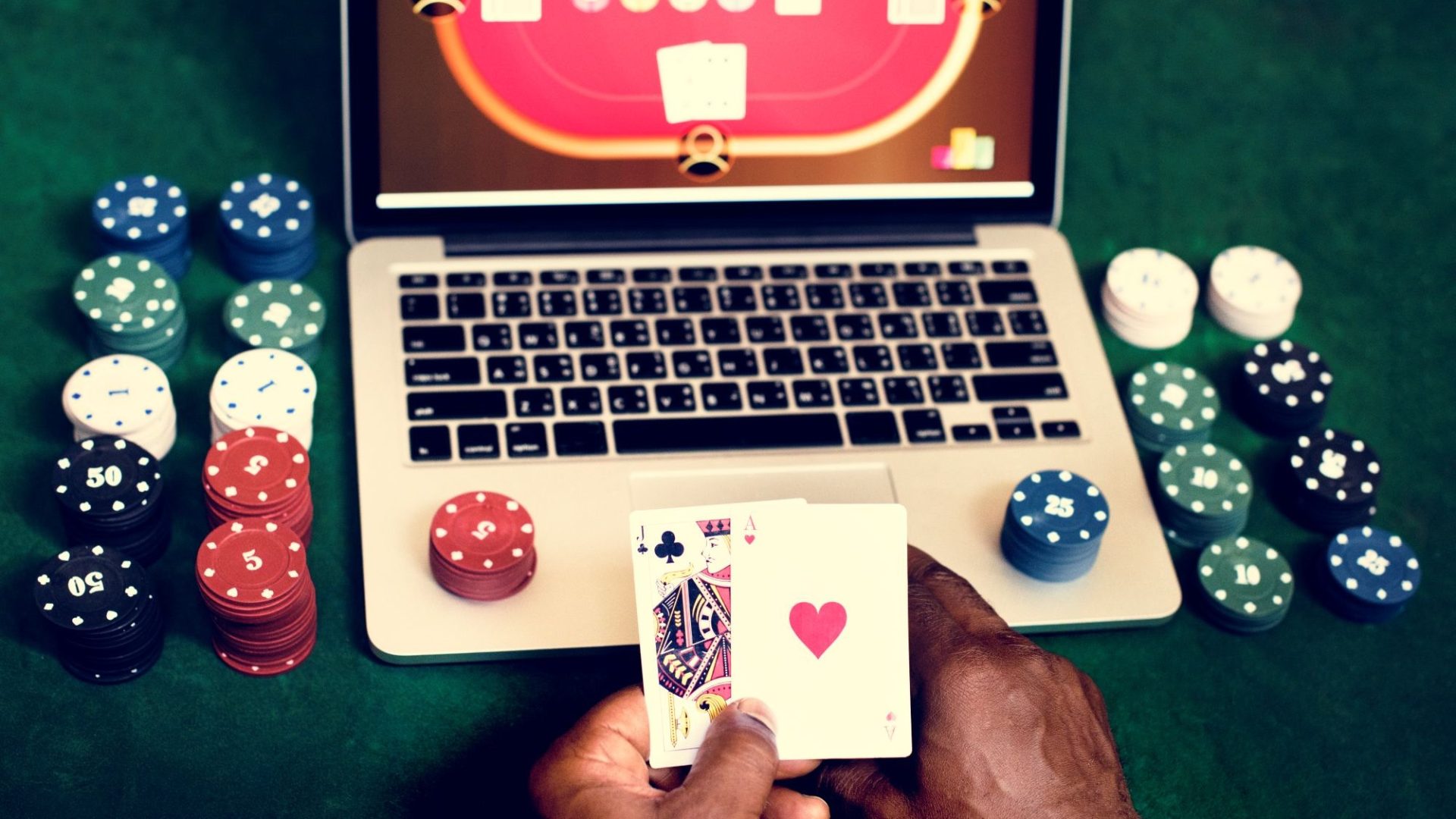
Immersive visual technology leads new slot experiences
Pushing for more realism is, honestly, a big thing right now. Virtual reality (VR) and augmented reality (AR) are getting attention; they’re starting to change what anyone expects out of online gaming. Nobody seems thrilled with just old-school reels these days. With VR, you can step into a digital casino, complete with spaces that are—at least on good days—pretty convincing. SDLCCorp points out that leading studios use VR for stuff like lighting that changes with the room, or sounds that echo like you’re really there.
As for AR, its role looks a little different: overlaying digital symbols on your actual surroundings, layering the game over your daily environment. Lower Bucks Times reported that with AR, things like interactive symbols actually respond to your movements or taps, which may make everything feel way more alive. Designers, it appears, are chasing engagement as much as anything—turning just tapping a button in online slots into something closer to a hands-on experience, sometimes surprisingly so. Maybe the bar for “realism” is about to jump higher than folks expect.
Personalization and fairness through machine intelligence
Artificial intelligence—well, it’s hard to ignore just how much it’s shaping how games are built. Lately, AI has been busy behind the scenes: watching habits, suggesting tailored bonuses, switching up themes, even recommending challenges if it looks like things are getting stale for a player. Algorithms sweep through billions of actions, learning what keeps people coming back.
And, the sentence about online slots platforms deploy complex algorithms to study player patterns, then tweak in-game events to maintain excitement or reward loyalty. So, GammaStack makes the claim that this data-heavy approach translates into better retention and satisfaction, perhaps nudging people to stick around longer. What’s also interesting—AI isn’t just changing the looks or sounds, but it powers randomized gameplay under the hood. Modern random number generators, most likely, are less about predictable outcomes now; in theory, this levels the odds and makes each spin a bit more of a wild card.
Blockchain drives security and transparent gameplay
Security? These days, it almost feels non-negotiable. Blockchain tech, slowly at first but with more speed lately, is giving online slots a stronger backbone—the ledgers it creates don’t seem easy to tamper with, at least from what’s being reported. GammaStack suggests privacy-focused players tend to lean toward decentralized options because it hands back some control over where their data goes. Cryptocurrency in slots is no longer just some weird side offering—Bitcoin and Ethereum deposits have shown up for quick, low-fee play.
SDLCCorp apparently tracked a 30% bump in slot sites using blockchain wallets from 2021 to 2024, which is… significant. For many users, having each wager recorded publicly could be reassuring—or, for some, possibly off-putting, depending on how much they care about traceability. Without middlemen, there’s supposedly less room for error. As more regulators seem to look at blockchain as a compliance tool, reliable payouts and traceable transactions might be the standard sooner than later.
Mobile-first design and advanced graphics set the standard
When you dig through analytics, almost 70% of slot play seems to come from phones and tablets. Makes sense, right? Developers, noticing the shift, focus efforts on building for small screens from the get-go—vertical layouts, snappy loading, even gestures that feel natural for phones. The line between decorative and essential for graphics is blurring. Ultra-HD animations, shake effects, all those tricks—they’re not just frills anymore. Live dealer games now use multiple camera feeds and assets that border on photo-realistic, bringing the table (sort of) to your living room or lunch break. Sound cues, touch feedback, fluid buttons—every last detail seems designed to keep you in the loop. Then there’s the gamification piece—leaderboards, multi-tier rewards, mini goals nestled inside the game itself—that nudges folks to stick around “just another spin or two.” Studios swap out themes like fashion brands update collections: limited-edition reels, seasonal effects, trendy colors. Style, oddly enough, is shaping how much buzz a new slot generates.
Responsible play remains critical
If there’s one thread developers can’t really let slip—even with all these glitzy upgrades—it’s player safety. Tech might open the door for all sorts of features, but at base, responsible gaming is still the priority. There are systems now: deposit caps, daily time limits, self-exclusion tools, much of it run by AI that quietly monitors play for red flags or risky patterns.
Regulators still push for openness—blockchain audits, posted payout percentages, tools made to give players clarity. It’s probably wise for anyone spinning the reels to pause sometimes, check in with themselves, and use what’s available to stay in the driver’s seat. Some might argue that as slots transform, the responsibility to play mindfully—and keep things fair—ought to evolve too.