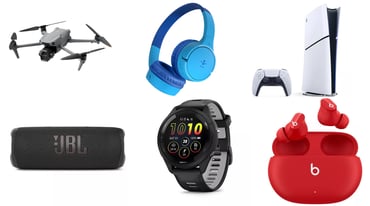


Walk into any store, scroll through any online marketplace, or wander down a busy street, and one thing becomes crystal clear: we live in an era of individuality. Consumers are no longer satisfied with generic products that look, feel, and function the same as those of everyone else. They want something more personal, something that carries a story, something that makes them feel seen. And this is where custom products step in – not just as novelties, but as potent symbols of identity, creativity, and aspiration.
The transformation of a simple sketch into a product that resonates as a status symbol is one of the most fascinating shifts in modern business. It’s a story that blends artistry, technology, consumer psychology, and cultural trends. What once started as a doodle in a notebook or a daydream in the back of someone’s mind can now evolve into a tangible item that captures attention and sparks desire on a global scale. From fashion and footwear to technology, home décor, and even the branding of machines, custom products are no longer confined to niche markets; they are driving mainstream demand.
In this article, we’ll uncover how ordinary ideas become extraordinary icons through customization, why this movement matters, and how industries, from luxury goods to custom vending machine wraps, are riding this wave of personalization to create powerful connections with their audiences.
The Evolution of Customization
Customization isn’t new. For centuries, people have sought ways to distinguish themselves from the crowd. Royal families commissioned tailor-made garments, artisans crafted one-of-a-kind jewelry, and homeowners displayed custom furniture as markers of prestige. What has changed is accessibility.
In the past, customization was limited to the wealthy. Today, advances in digital design, manufacturing, and distribution have democratized the process. Anyone with an idea, no matter how small, can bring it to life. A sketch on paper can be turned into a 3D design. A design can be laser-etched, embroidered, printed, or wrapped onto a product. What once required months of craftsmanship can now be accomplished in hours or days with the aid of technology.
This accessibility has blurred the line between consumers and creators. We’re no longer just buying what companies make; we’re co-creating with them. And in many cases, we’re using custom products to transform our personal visions into objects that feel iconic.
From Vision to Reality: How Ideas Become Icons
The journey from idea to icon often begins with something deeply personal. A consumer sees a gap in the market, has a passion they want to express, or wants an item that feels uniquely theirs. They sketch, conceptualize, or imagine it, and through the power of customization, it becomes a reality.
Take, for example, the sneaker industry. Once dominated by mass-produced designs, it’s now a playground for personal expression. Brands like Nike and Adidas have adopted customization platforms that enable buyers to select colors, materials, and even add personal initials. What starts as a sketch on an online configurator can become a pair of shoes that reflects individuality. The result isn’t just footwear – it’s a symbol of status, creativity, and identity.
This same principle applies across countless industries. In tech, custom phone cases allow us to carry personal art in our pockets. In fashion, embroidered initials on a handbag elevate it from a mere accessory to an icon. In business, branding tools like custom vending machine wraps transform ordinary equipment into eye-catching, identity-rich statements that attract attention and enhance perceived value.
The magic lies not just in the product itself, but in the transformation, the journey from ordinary to unforgettable.
Why Custom Products Resonate
To understand why custom products become icons, we need to dig into consumer psychology. At the core, humans crave identity and recognition. We want to feel unique, yet also connected. Customization fulfills both desires simultaneously.
When a product reflects our personal choices, it becomes a mirror of our identity. That’s why people pay more for monogrammed luggage, personalized jewelry, or even custom vending machine wraps with bold designs that signal ownership and creativity. These items are more than functional – they are emotional.
Custom products also create status. In a world flooded with mass production, scarcity and uniqueness carry weight. Owning something that no one else has – or you designed that – immediately elevates its value in the eyes of peers. What was once just a product becomes a status symbol, a conversation starter, a piece of personal branding.
The result is a deeper connection between the consumer and the product. Unlike generic items that are easily forgotten, custom products stay with us. They become part of our story. And in today’s culture of sharing and social media, they also become part of how others perceive us.
The Role of Technology in Customization
Technology is the great enabler of the custom product revolution. Digital design tools, on-demand printing, and AI-driven personalization platforms have made it easier than ever for both businesses and consumers to create bespoke items.
With 3D printing, a small-scale designer can turn sketches into prototypes and final products without expensive manufacturing facilities. With online configurators, consumers can preview designs in real time before making a purchase. AI can even suggest personalized designs based on a customer’s past choices or social media activity.
On a larger scale, entire industries are being reimagined through tech-driven customization. The automotive world now offers custom interiors and paint jobs that can be configured online. Retailers utilize AR to enable shoppers to visualize personalized products in their own homes. Even in vending, the rise of custom vending machine wraps shows how technology and creativity can merge to rebrand equipment and transform it into mobile billboards for businesses or personal ventures.
This seamless integration of technology ensures that the path from sketch to symbol is faster, more accessible, and more creative than ever before.
Customization in Branding: Turning Products into Icons
For businesses, custom products aren’t just about meeting consumer desires – they’re about creating brand icons. Customization allows companies to extend their identity into every interaction and touchpoint with customers.
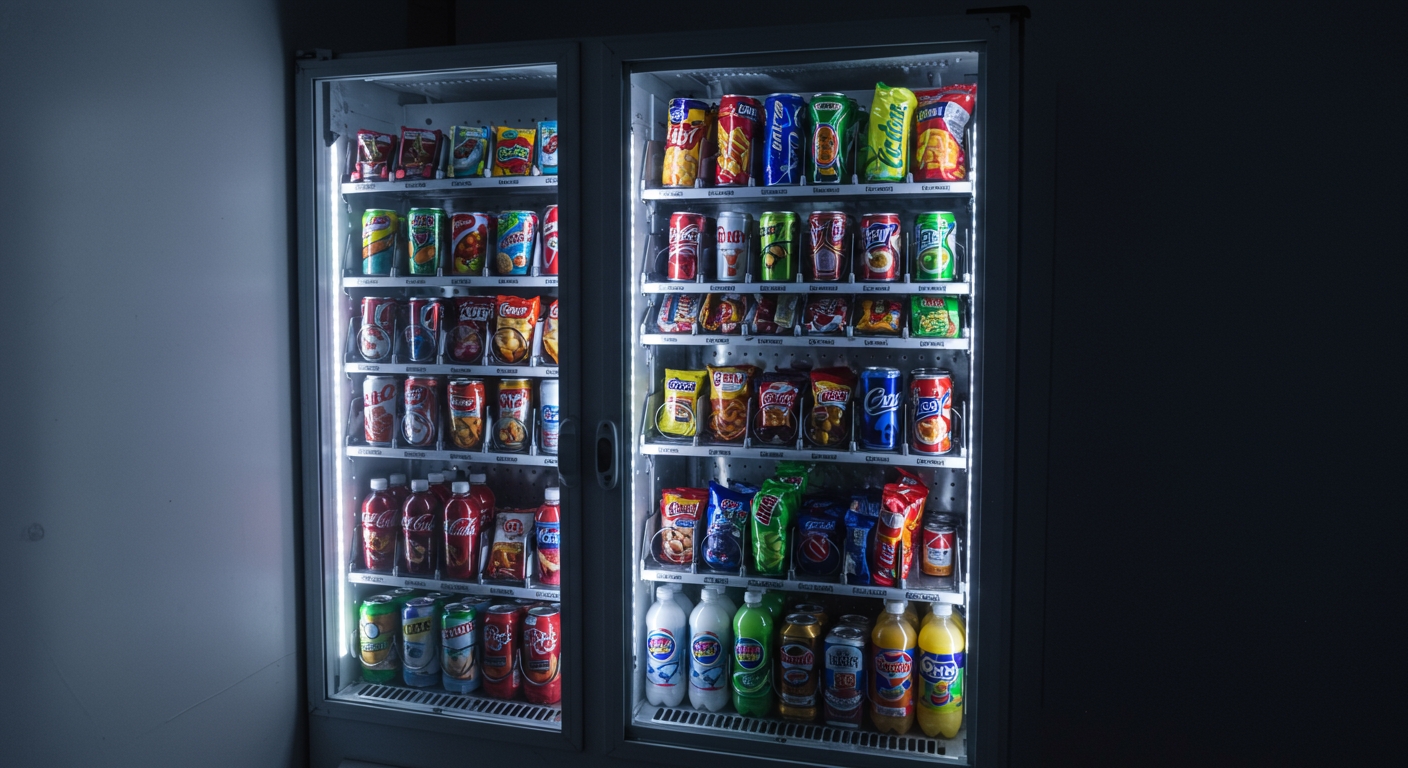
Think about the power of a custom-branded coffee cup or tote bag. It’s not just merchandise – it’s a walking advertisement, a symbol of brand culture. The same goes for larger-scale applications. Imagine a row of vending machines. Alone, they’re functional. But with custom vending machine wraps featuring bold logos, unique colors, and creative designs, they instantly stand out. They’re no longer just machines; they’re statements of brand personality.
This transformation is what turns a business from invisible to iconic. By incorporating individuality into their products, companies can connect with customers on a personal level and differentiate themselves in crowded markets.
From Niche to Mainstream: The Future of Custom Products
What was once considered a niche trend is rapidly becoming the new normal. Consumers expect personalization, and businesses are racing to deliver it. Whether through tailored online shopping experiences, customizable packaging, or full-scale bespoke products, the future is undoubtedly one of customization.
We’re moving into a world where mass customization is the standard. Imagine buying a car and having the ability to configure every detail digitally before purchase – or ordering furniture that arrives already tailored to the dimensions and colors of your space. These scenarios aren’t just possible – they’re already happening.
Even vending, a space once thought to be purely utilitarian, is undergoing this shift. Operators now use custom vending machine wraps not only for branding, but also for personalization that aligns machines with specific environments, such as schools, gyms, or corporate campuses. A simple wrap transforms a machine into a stylish, relevant icon that resonates with its intended audience.
This is the broader lesson of customization: it takes something ordinary and imbues it with meaning, turning it into something extraordinary.
Challenges in the Custom Product Movement
Of course, the path to personalization isn’t without obstacles. Businesses must balance customization with scalability. Offering endless variations can complicate production and fulfillment. Maintaining consistency while delivering uniqueness requires careful systems and technologies.
There’s also the challenge of authenticity. Customization works best when it feels personal, not gimmicky. Consumers are quick to sense when an offering is shallow, such as slapping a name on a generic product without genuine thought. To create true icons, businesses must design with intention and depth.
Finally, cost can be a barrier. While technology has reduced expenses, some custom products still command premium prices, limiting accessibility. The challenge moving forward is to democratize personalization further, making it accessible to all, rather than just a select few.
Why Custom Products Are Here to Stay
Despite challenges, the momentum behind customization is undeniable. It speaks to something deeply human: the desire to stand out, to be recognized, to own something that feels distinctly ours. This cultural and emotional resonance ensures that custom products won’t fade away; they’ll only grow stronger.
For individuals, custom products offer a way to bring their vision to life, to turn sketches into icons. For businesses, they offer a strategy to create deeper connections and stand out in saturated markets. And for industries like vending, tools like custom vending machine wraps prove that even the most functional objects can be transformed into symbols of creativity and identity.
In essence, customization is no longer just about products – it’s about storytelling. Every custom product tells a story: of the creator, the consumer, and the shared journey that brought it to life. And stories, as we know, are what transform objects into icons.
Conclusion
The path from sketch to status symbol is no longer reserved for the elite or the few. It’s a journey that anyone can take – whether you’re an artist designing shoes, a business branding everyday equipment, or an entrepreneur transforming vending machines with custom vending machine wraps.
Customization has become the heartbeat of modern commerce. It redefines value, elevates identity, and turns the ordinary into the extraordinary. As teknoloji continues to push the boundaries of what’s possible, we’ll see even more products evolve from personal visions into cultural icons.
The revolution of custom products isn’t just about aesthetics or novelty. It’s about empowerment. It’s about proving that ideas – no matter how simple – can be brought to life in ways that inspire, connect, and resonate. And when that happens, a sketch isn’t just a sketch anymore. It becomes a symbol. It becomes unforgettable.