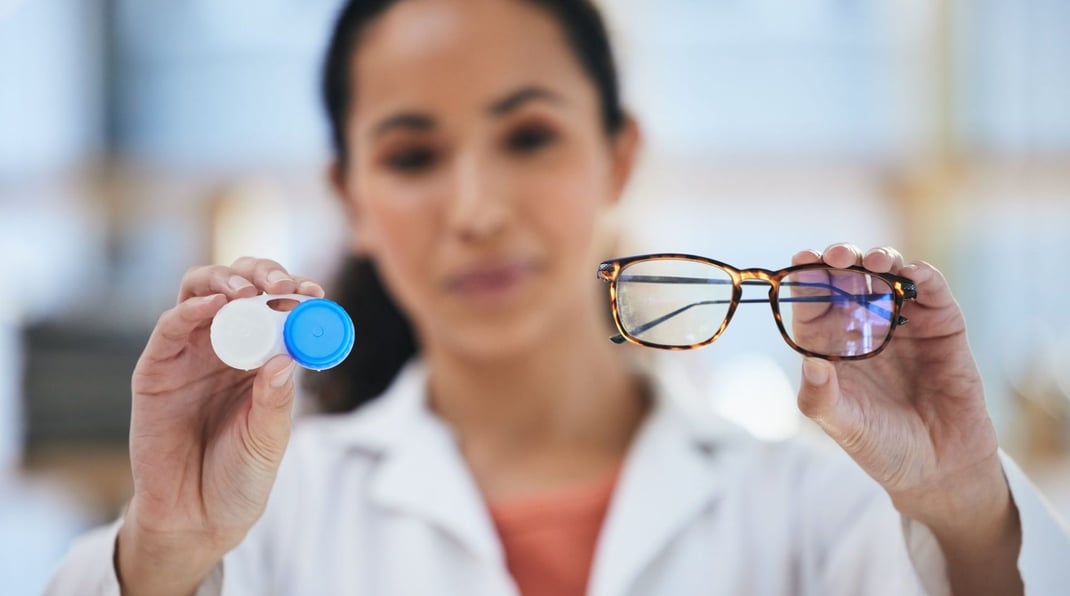

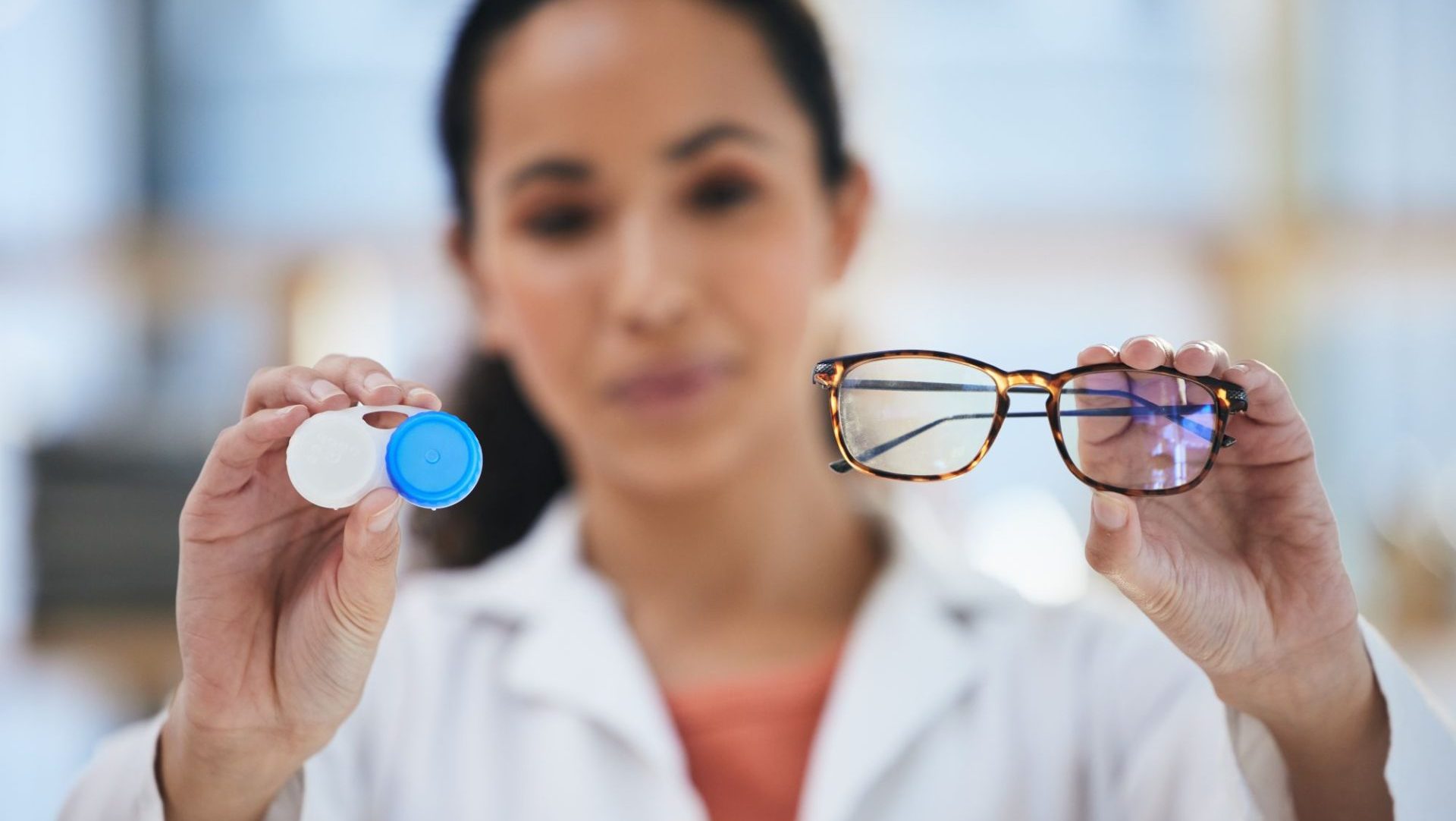
There is an ease to contact lenses that glasses cannot quite imitate. They leave the face open, keep the focus on makeup or skin, and make sunglasses simpler. For a dinner reservation, a long workday, a photo-heavy event, or just the pleasure of not having to adjust frames every few minutes, contacts can feel like the cleaner choice.
But the best routines tend to be the ones that look good and feel sustainable. Contact lenses sit directly on the eye, which means they require more than a sense of style. They ask for clean hands, proper storage, the right wearing schedule, and enough honesty to know when your eyes would prefer a break.
Marc S. Werner, MD, from Stahl Eyecare Experts, explains that people searching for an eye doctor on Long Island often want clear vision without sacrificing comfort, appearance, or flexibility. That balance matters. Contact lenses and glasses are not rivals. They are tools, and the healthiest choice often depends on the day, the eyes, and the routine around them.
A Beautiful Look still needs a Healthy Surface
Contacts can make vision feel seamless. There are no frames to coordinate, no lenses fogging when you step inside from the cold, no reflection in photos, and no visual interruption when you are applying eyeliner or choosing a pair of statement earrings. That freedom is real.
Still, the eye’s clear surface has its own needs. The cornea, the transparent front part of the eye, depends on oxygen, a stable tear film, and protection from irritation. A contact lens can be safe and comfortable when it fits properly and is worn as directed, but it is not something the eye should have to tolerate endlessly.
The U.S. Food and Drug Administration classifies contact lenses as medical devices, not beauty accessories, even when worn for cosmetic purposes [1]. That distinction matters because fit, prescription, oxygen flow, and hygiene all affect whether lenses remain comfortable and safe over time.
Daily wear can also make small issues easier to ignore. A little dryness before lunch. Slight redness after a long day. The temptation to stretch a pair of lenses beyond the recommended length. A quick rinse in whatever is nearby. None of these habits may feel dramatic in the moment, but the eye notices patterns.
For style-conscious wearers, this can be a helpful reframe: protecting the eye’s surface is part of the look. Clear, comfortable eyes make makeup sit better, make long days feel easier, and keep vision from becoming another source of distraction.
Why Hygiene is Non-Negotiable with Contact Lenses
Contact lens care is not glamorous, but it is one of the most important parts of wearing them well. The Centers for Disease Control and Prevention advises contact lens wearers to wash and dry their hands before handling lenses, keep lenses away from water, clean and store lenses properly, and replace the lens case regularly [2].
Water is a particular concern. Contacts should not be exposed to water from showers, pools, hot tubs, or taps. The CDC warns that combining contact lenses with water can raise the risk of eye infections because water can contain microorganisms that do not belong in the eye [3].
The contact lens case also deserves more attention than it usually gets. It is easy to think of it as a small accessory tossed into a cosmetic pouch or medicine cabinet, but it is part of the hygiene system. The old solution should be discarded rather than topped off. The case should be cleaned and air-dried as directed, then replaced on schedule [2].
There is also the question of decorative or colored lenses. Fashion loves transformation, and a change in eye color can feel like the final detail in a look. But the FDA warns that all contact lenses, including decorative lenses, require a prescription, and lenses sold without a prescription can cause harm [4]. That applies even when the lenses do not correct vision.
The easiest way to think about contact hygiene is this: contacts belong in a clean, controlled routine. Not in a rushed bathroom sink moment. Not in a makeup bag without a case. Not in overnight wear unless specifically prescribed for it. Not in water. The routine does not have to be complicated, but it does have to be consistent.\
The Signs your Eyes may need a Break

The eye is good at giving subtle feedback before a problem becomes obvious. The challenge is that many people keep wearing contacts despite the warning signs because the day is busy or the look feels unfinished.
Redness, stinging, burning, unusual tearing, light sensitivity, discharge, pain, blurred vision, or the feeling that something is stuck in the eye should not be brushed aside. The CDC advises contact lens wearers to remove their lenses and contact an eye care provider if they experience eye pain, discomfort, redness, or blurred vision [2].
Dryness is another common signal. It may show up after hours on a laptop, under office lighting, on flights, in air-conditioned spaces, or after wearing contacts longer than planned. Sometimes the answer is a different lens type, a revised wearing schedule, artificial tears approved for contact lens use, or more days of wearing glasses. Sometimes the eye needs a professional evaluation to rule out a larger issue.
The most important habit is not forcing the lens to work when the eye is clearly asking for space. If a lens suddenly feels uncomfortable, do not try to “push through” for the sake of a meeting, dinner, or outfit. Remove it, use glasses if available, and follow professional guidance.
This is where having an updated pair of glasses becomes more than a backup plan. It gives you the option to respond to irritation without feeling stranded. That flexibility is part of long-term eye health. It also takes pressure off contact lenses to be the perfect choice every single day.
Contact lenses can be wonderful for movement, styling, events, and a lens-free face. But comfort should not have to compete with appearance. If your eyes are repeatedly red, dry, light-sensitive, or uncomfortable, they are not being difficult. They are giving you useful information.
How Glasses Can Protect Your Routine, not Interrupt It
Glasses have become one of the most expressive accessories a person can own. A fine wire frame, a sharp acetate shape, a barely there silhouette, or an oversized pair can change the entire mood of a look. They can be intellectual, minimal, glamorous, severe, playful, or quietly luxurious.
They can also protect the Rhythm of your Eye Care Routine.
A glasses day gives the eye’s surface a rest from contact lens wear. It can be especially useful after a late night, during allergy season, when your eyes feel dry, or on a day built around screens rather than movement. Glasses also make it easier to use certain eye drops, avoid lens contamination during makeup application, and skip the small hygiene risks that come with rushed handling.
This does not mean glasses are automatically healthier than contacts in every situation. Well-fitting contacts, used correctly, can be a safe and comfortable choice for many people. The point is that long-term eye health often benefits from options. A person who owns only contacts may keep wearing them when their eyes are irritated. A person with both contacts and glasses can choose based on comfort, setting, and the day’s requirements.
For people who care about personal style, this can become a more intentional wardrobe decision. Contacts may be right for the evening dress, the clean beauty look, the workout, or the sunglasses moment. Glasses may be right for the writing day, the red-eye flight, the morning after too little sleep, or the week when your eyes feel sensitive.
Regular eye exams help make those choices smarter. They can confirm whether lenses still fit properly, whether the prescription has changed, whether dryness needs attention, and whether glasses, contacts, or another vision correction option makes sense for the way a person actually lives.
Stahl Eyecare Experts provides eye exams, contact lens care, and ophthalmology services in Garden City, Hauppauge, and Manhattan, helping patients make vision choices that account for comfort, eye health, and daily жизнь. For some people, that may mean better contact lens habits. For others, it may mean leaning on glasses more often, updating a prescription, or exploring whether another option is appropriate.
The most polished choice is not always the one that disappears on the face. It is the one that lets you move through the day with clear vision, comfortable eyes, and a routine you can actually maintain.
References:
[1] U.S. Food and Drug Administration. (2019, October 28). Contact lenses. FDA.
[2] Centers for Disease Control and Prevention. (2025, May 27). Preventing eye infections when wearing contacts. CDC.
[3] Centers for Disease Control and Prevention. (2025, May 27). Healthy habits: Keeping water away from contact lenses. CDC.
[4] U.S. Food and Drug Administration. (2024, October 22). Decorative contact lenses for Halloween and more. FDA.