
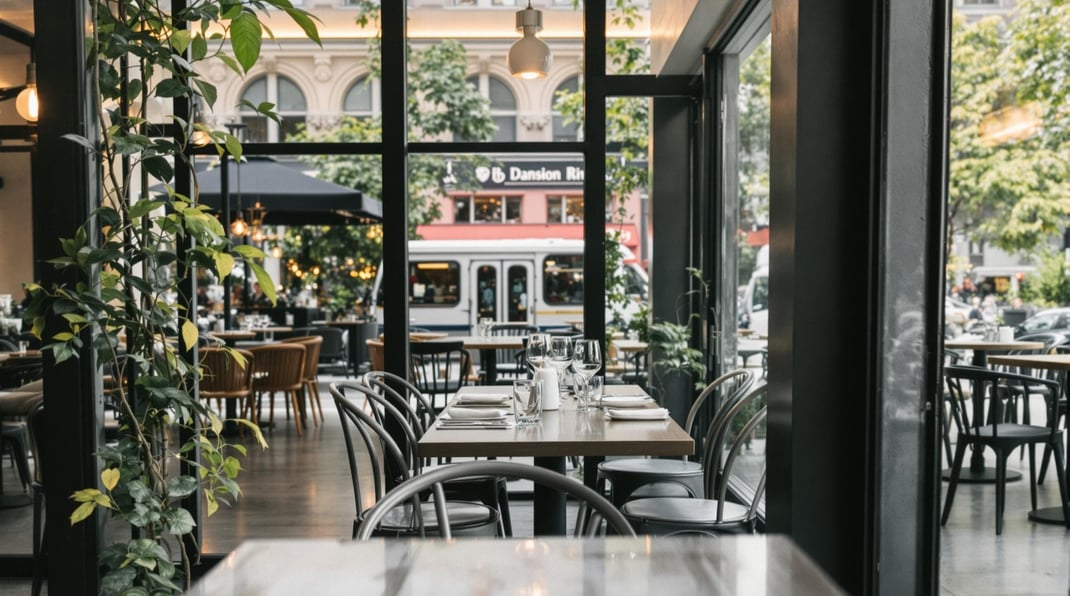

An increasing awareness of sustainability and environmental issues has led to a significant shift in the restaurant industry in recent years. Among the many components of a restaurant’s operations, furniture, more significantly, tables, is a sometimes disregarded yet vital component. Sustainable restaurant tables are crucial for mitigating their adverse environmental effects and attracting the growing number of patrons who appreciate eco-friendly business practices. This article explores the significance of sustainable restaurant tables, including their components and methods, as well as the benefits they offer to both companies and the environment.
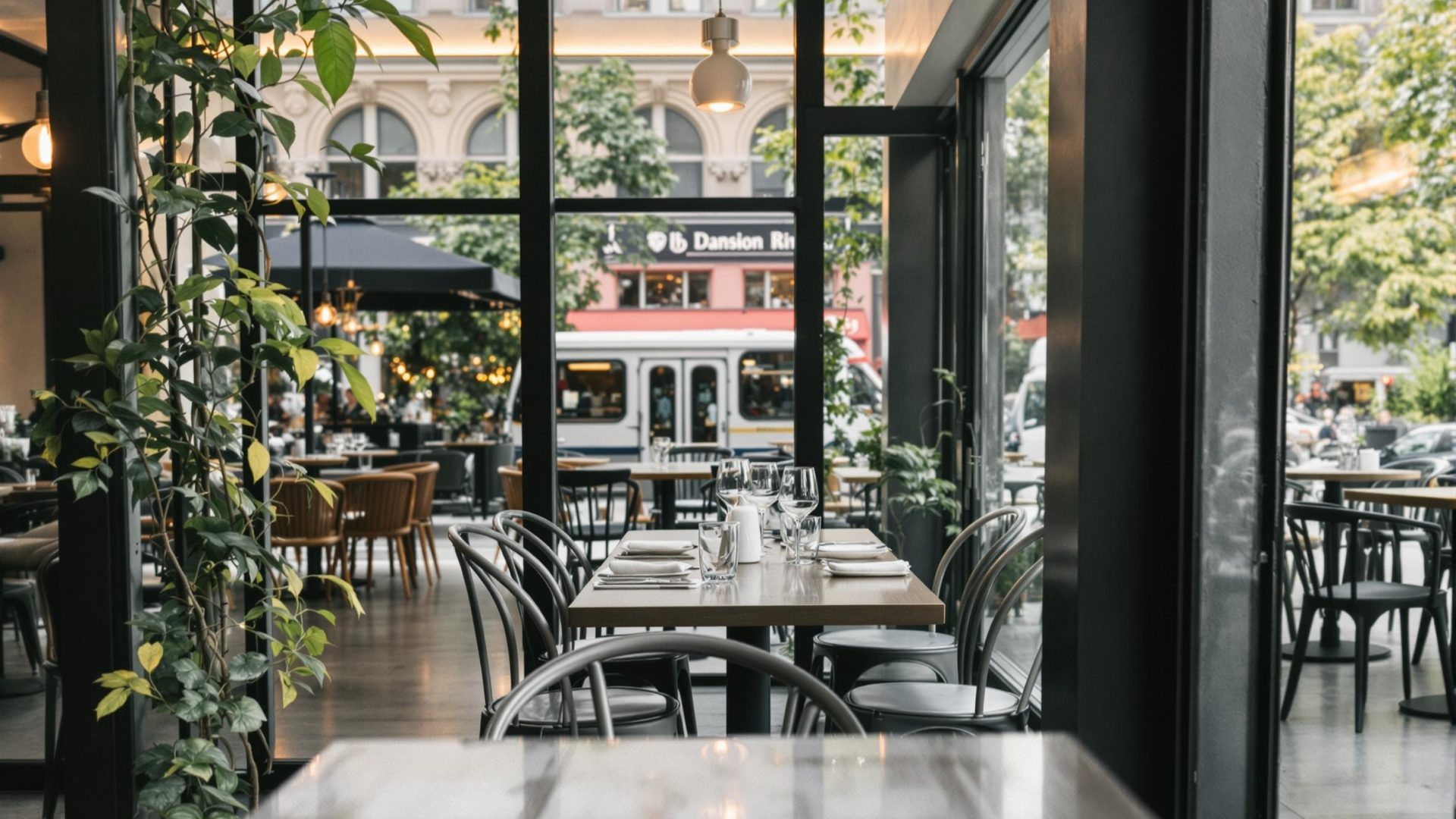
Importance Of Sustainable Restaurant Table
In the restaurant business, sustainability encompasses various methods, including the use of organic and locally sourced food, as well as reducing waste and energy consumption. However, a restaurant’s overall environmental friendliness depends significantly on the sustainability of its furniture, particularly its tables. Since restaurant tables are frequently used and worn, sustainability and durability are crucial considerations.
Conventional restaurant tables are often constructed with materials that have a significant negative impact on the environment. For example, tables constructed from non-renewable resources, such as metals and certain plastics, contribute to pollution and resource depletion during both manufacture and disposal. Furthermore, poisonous chemicals used to polish and varnish tables may leak dangerous materials into the surrounding air. On the other hand, sustainable restaurant tables are designed with an emphasis on minimizing their environmental impact at every stage of their lifecycle, from manufacturing to disposal.
Material For Sustainable Table
A key component of creating sustainable restaurant tables is the selection of materials. A variety of environmentally friendly materials can be used to create tables that are both long-lasting and eco-conscious.
Repurposed Wood
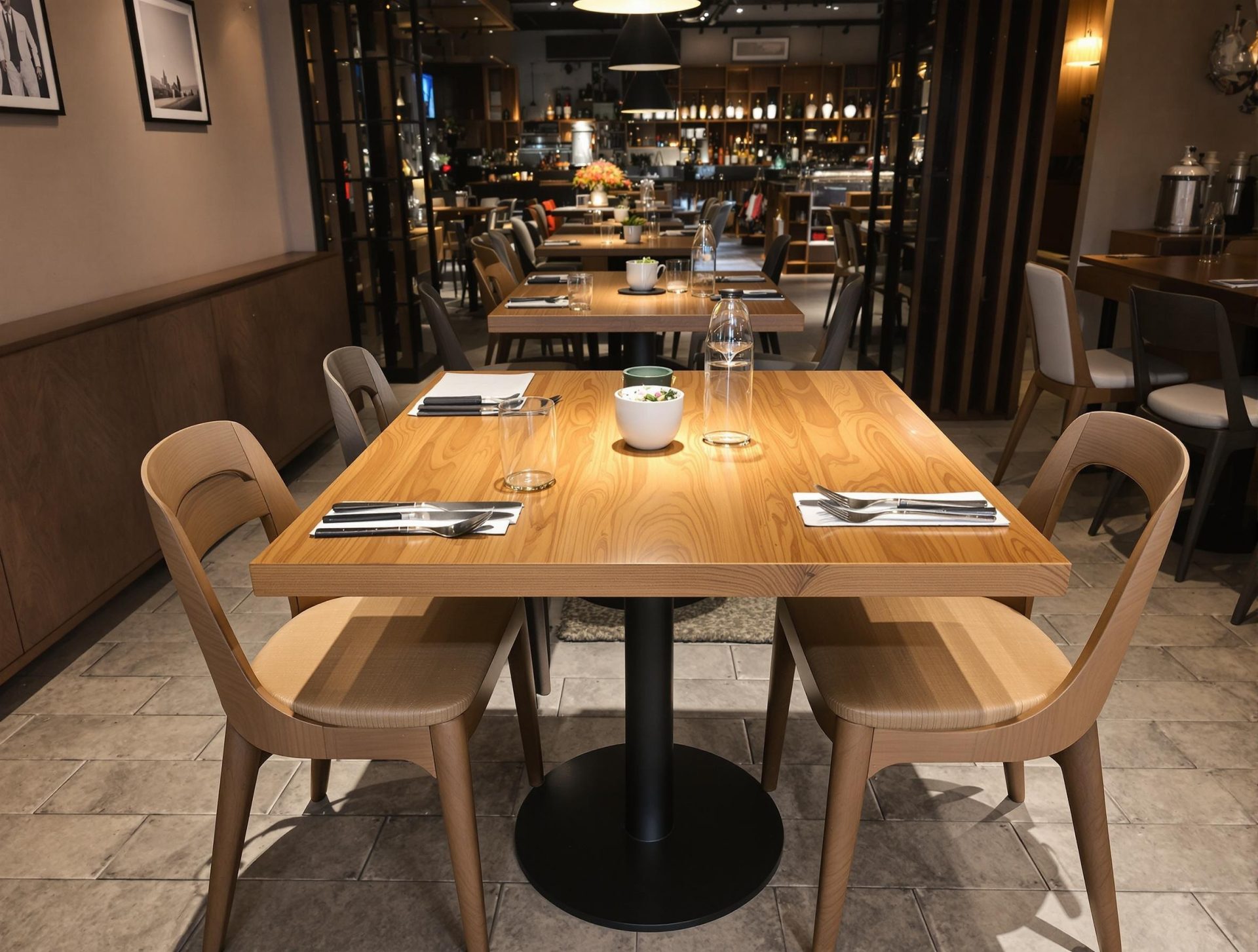
Reclaimed wood is one of the most widely used materials for environmentally friendly restaurant tables. It entails reusing wood that would otherwise be thrown away from ancient houses, barns, and other structures. In addition to reducing the need for new wood, reclaimed wood tables offer a distinctive, rustic look that can enhance a restaurant’s ambiance. Each piece of reclaimed wood’s unique history and personality lend authenticity and appeal to the eating experience.
Bamboo
Another great material for environmentally friendly restaurant tables is bamboo. It is a highly renewable resource because it grows significantly faster than conventional hardwoods and can be harvested without harming the ecosystem over time. Due to its strength and resilience, bamboo is an ideal material for tables that are subjected to frequent use. Bamboo’s inherent resistance to dampness and pests also lessens the need for chemical treatments, adding to its sustainability.
Recycled Material
Reclaimed metal and plastic tables are becoming increasingly common in environmentally friendly restaurant design. By diverting garbage from landfills, these materials help lower the need for virgin resources. While recycled plastic tables are adaptable and low-maintenance, recycled metal tables often have an industrial, contemporary appearance. By promoting the circular economy and minimizing the environmental impact of new material production, both alternatives demonstrate a commitment to sustainability.
Sustainable Production
Sustainable restaurant tables are made with environmentally responsible production techniques and eco-friendly material selection. These methods include using ecologically friendly adhesives and coatings, minimizing waste, and reducing energy consumption.
Energy-Efficient Production
To minimize their carbon footprint, producers of environmentally friendly restaurant tables often employ energy-efficient production techniques. This may entail powering manufacturing plants using sustainable energy sources, such as solar or wind power. It’s also critical to optimize industrial processes to reduce waste and energy consumption. By implementing these methods, manufacturers can significantly reduce the environmental impact of table production.
Low Voc Finish
Hazardous volatile organic compounds (VOCs) are frequently included in furniture paints, stains, and finishes. These substances have the potential to off-gas into the atmosphere, endangering the health of both employees and clients by adding to indoor air pollution. Low- or no-volatile organic compound (VOC) finishes, which are safer for the environment and human health, are used on sustainable restaurant tables. Though they don’t have the same detrimental effects on the environment, these finishes offer the same protection and beauty as conventional choices.