
Malloni FW 26/27 – Dual Dreaming: The Flower Code
The Flower Code fashion film Autumn/Winter 2026-2027 Collection
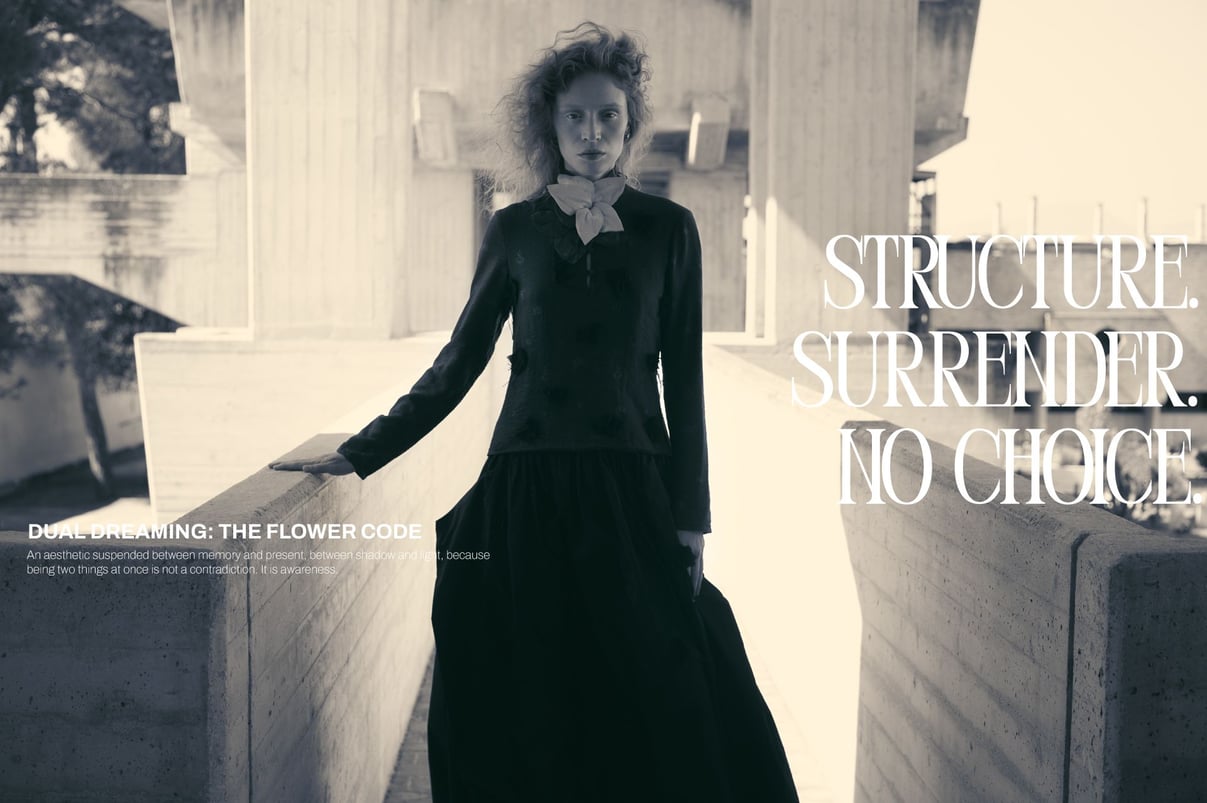
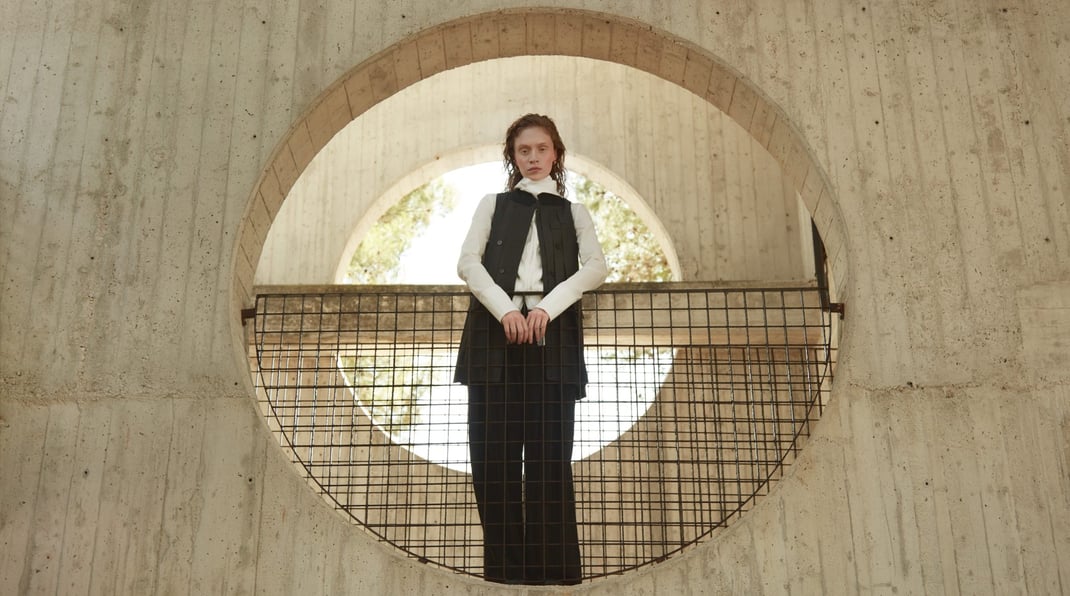
Malloni’s Autumn/Winter 2026-2027 campaign takes shape through The Flower Code, a fashion film that translates the identity of the collection into a visual narrative. It carries the brand’s imaginative world onto the screen, shaping it into a story held in suspension between reality and dream.
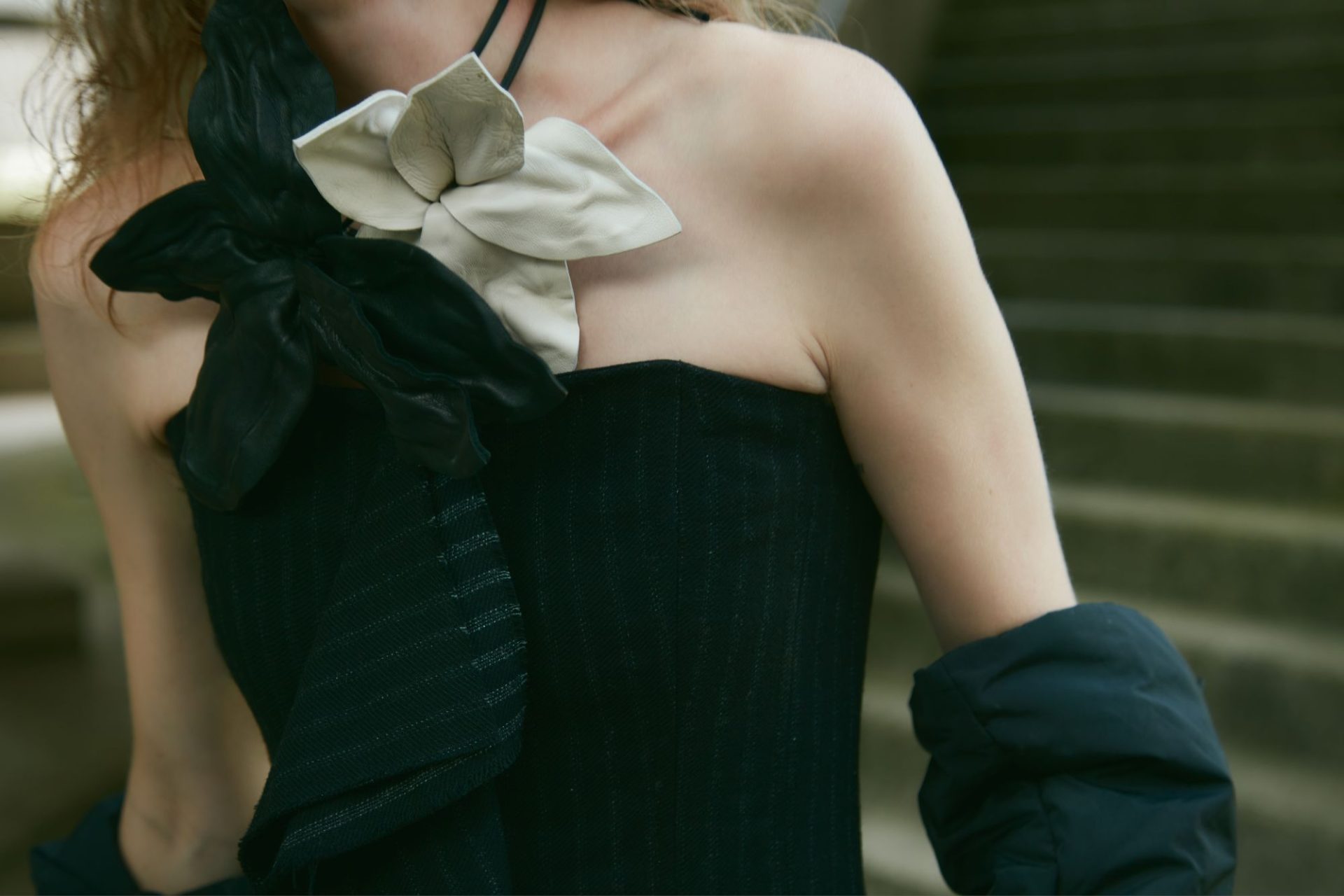
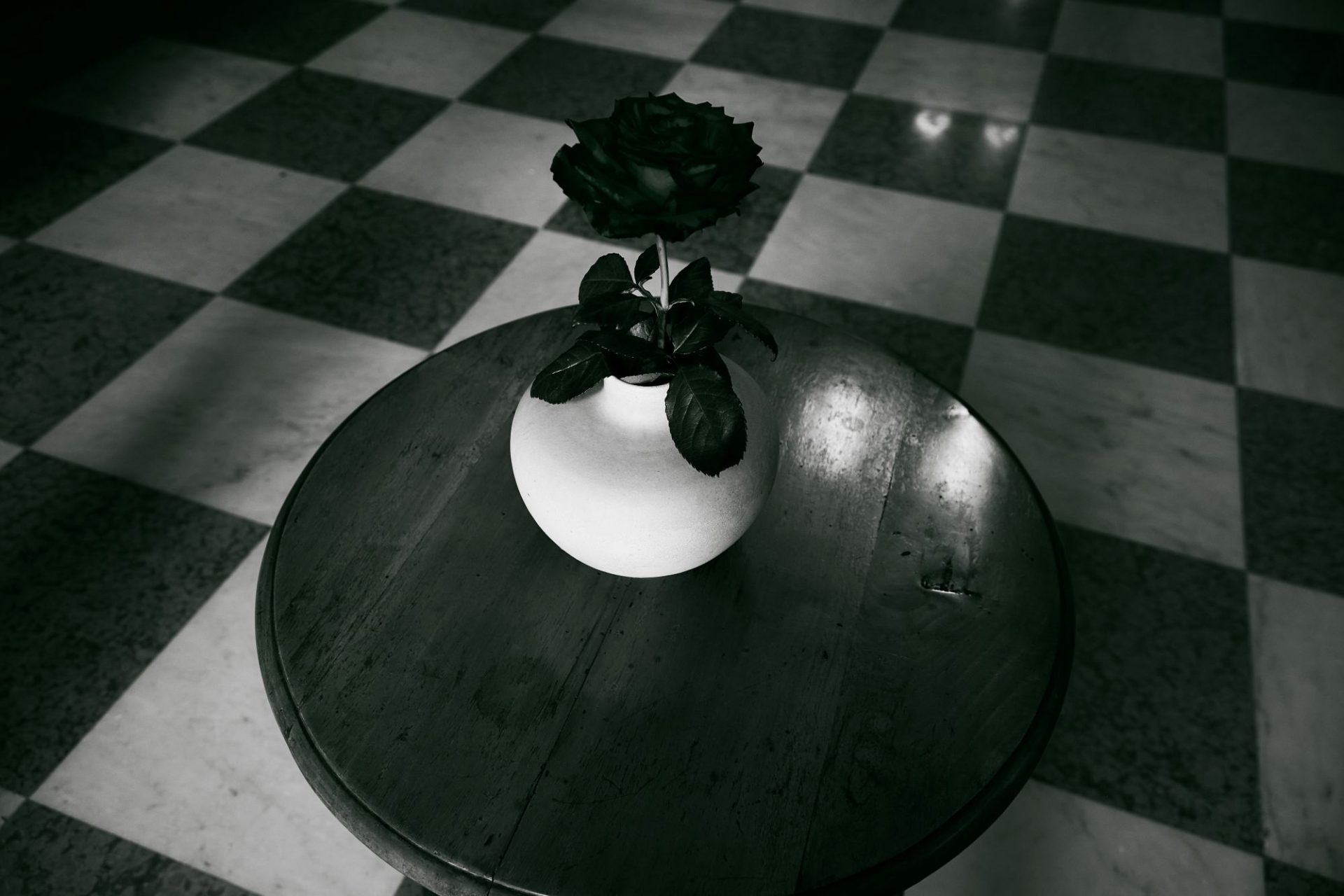
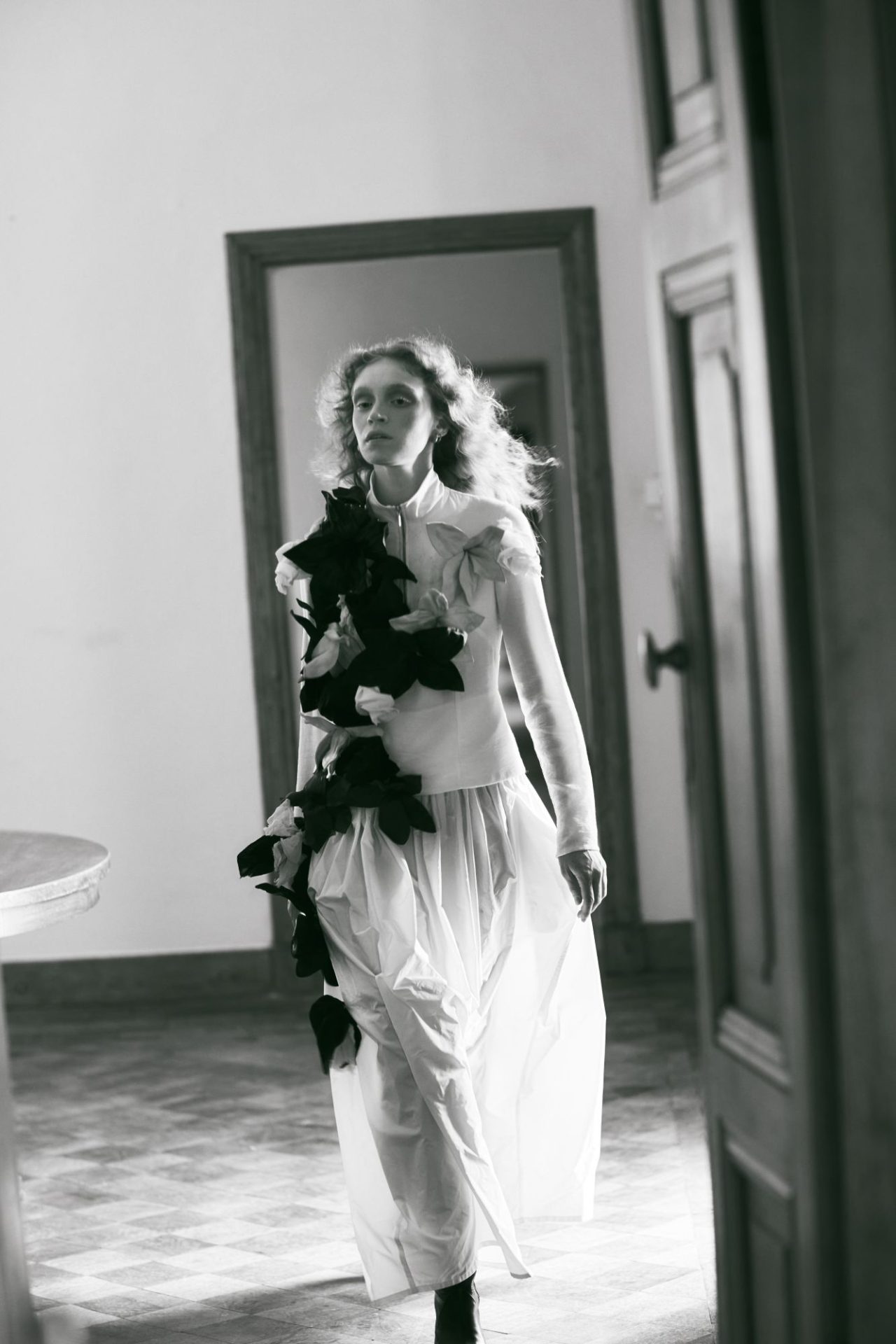
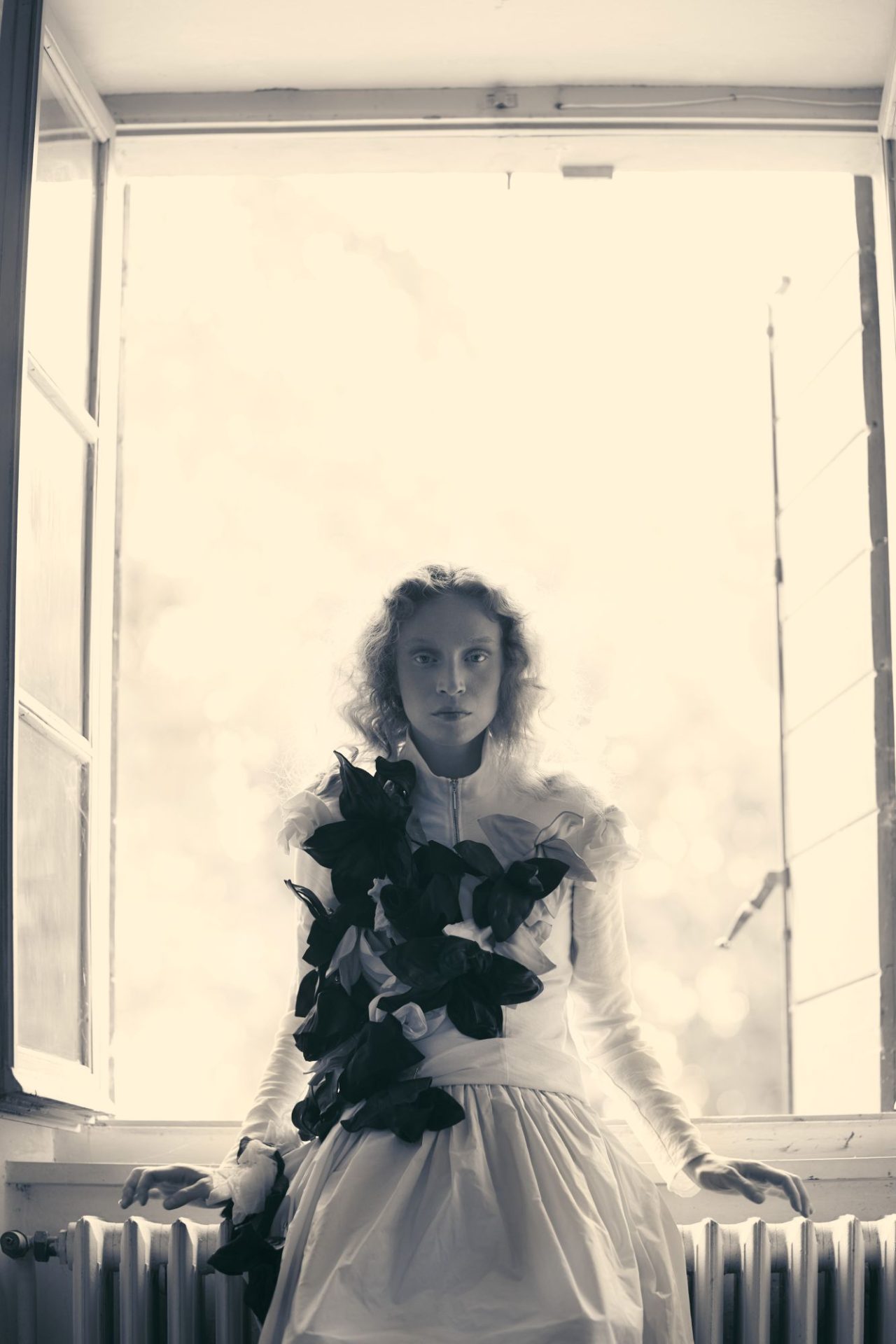
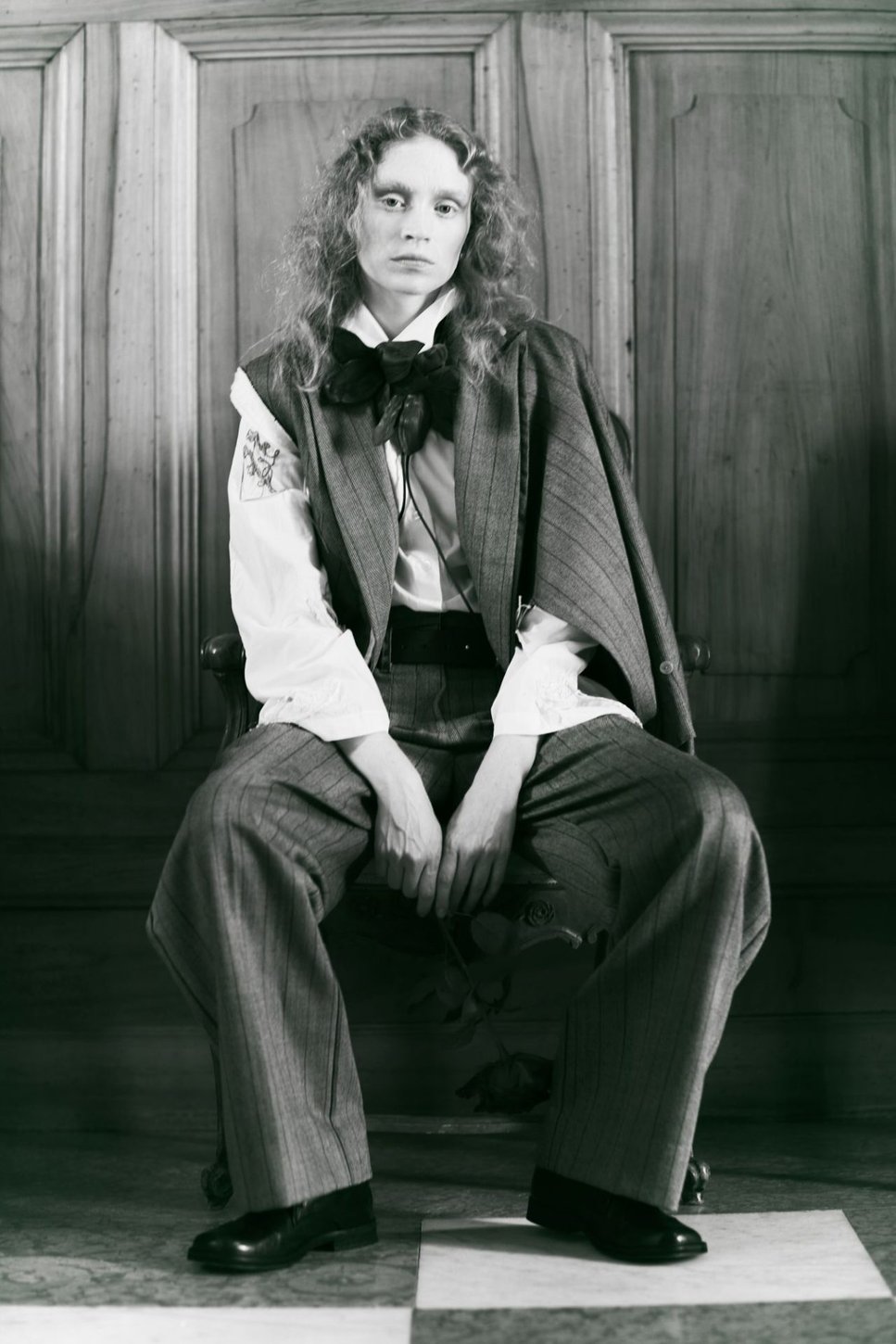
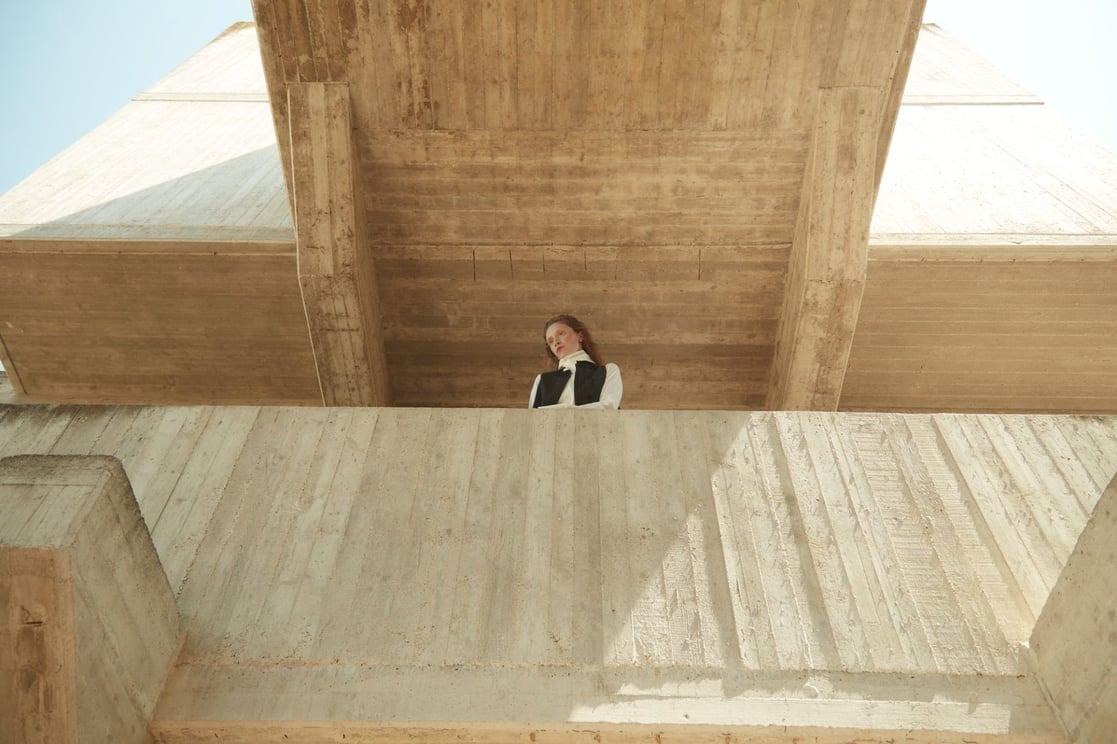
The FW26/27 campaign is a dreamlike journey between two opposing dimensions: one geometric and radical, the other romantic and decadent, drawn together by a single element that runs through them both, a flower.
The flower is the key. To touch it is to choose between rigour and softness, between instinct and control, and between what is shown and what stays hidden. The protagonist learns to use it and, through it, learns to recognize herself as whole in all her complexity.
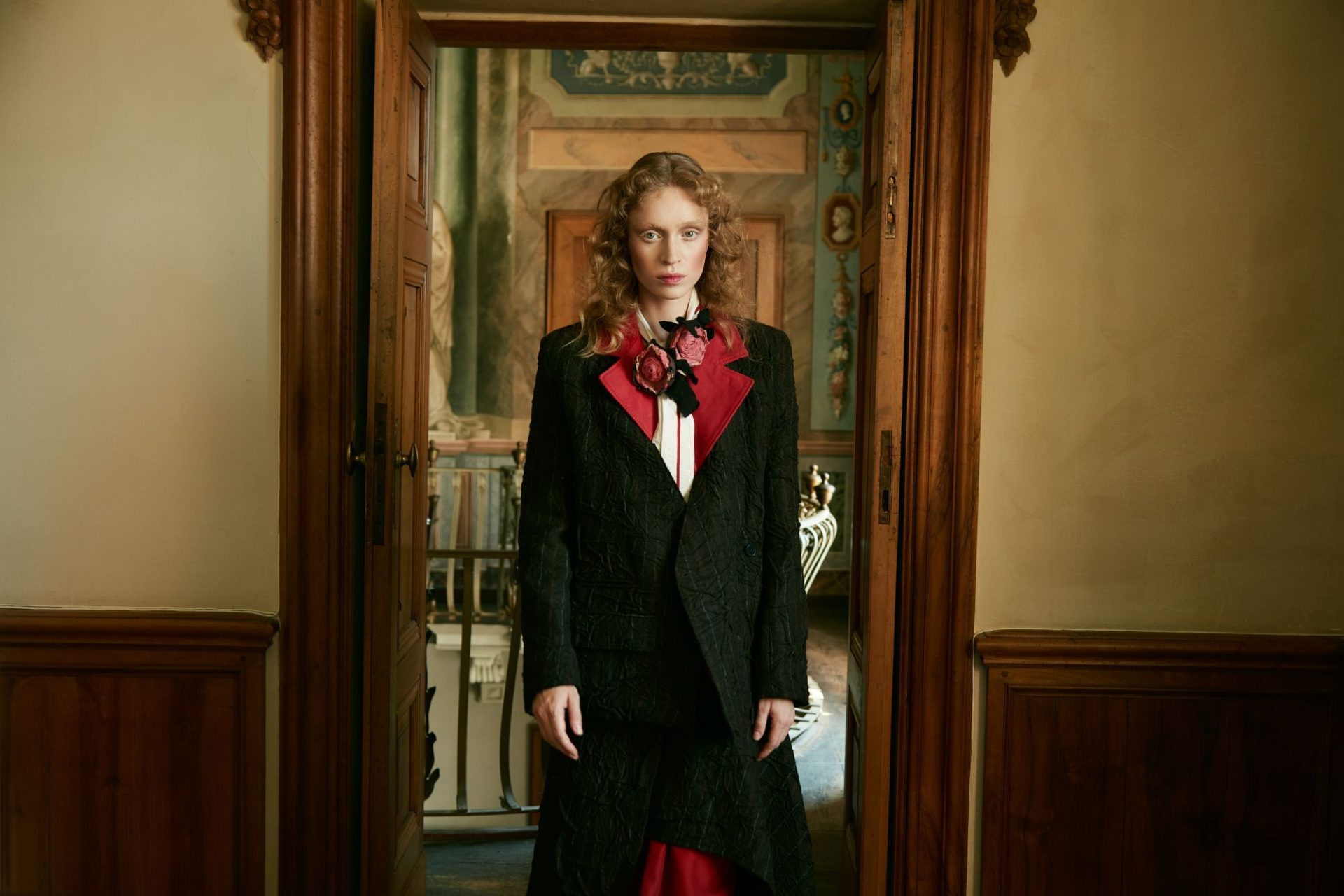
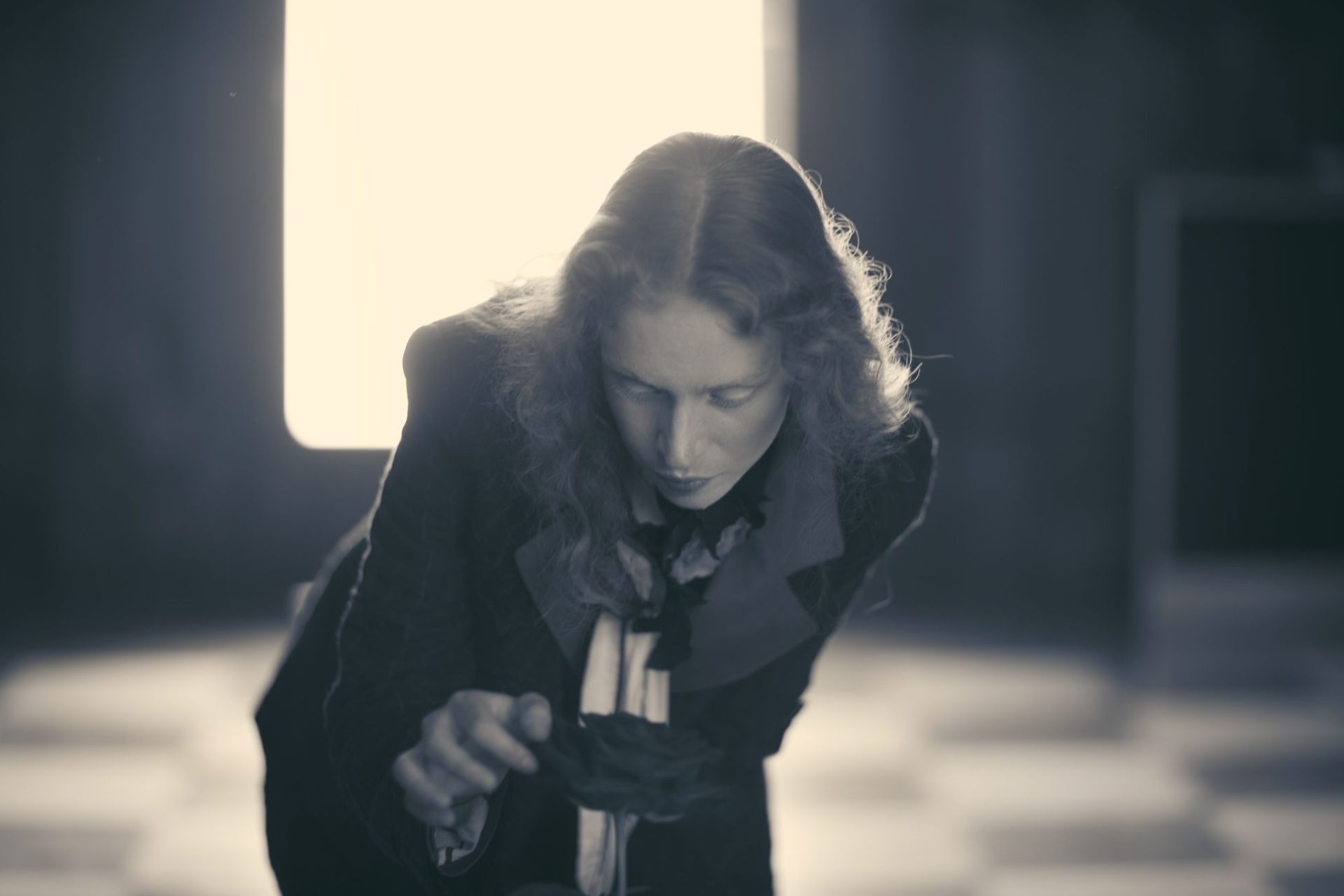
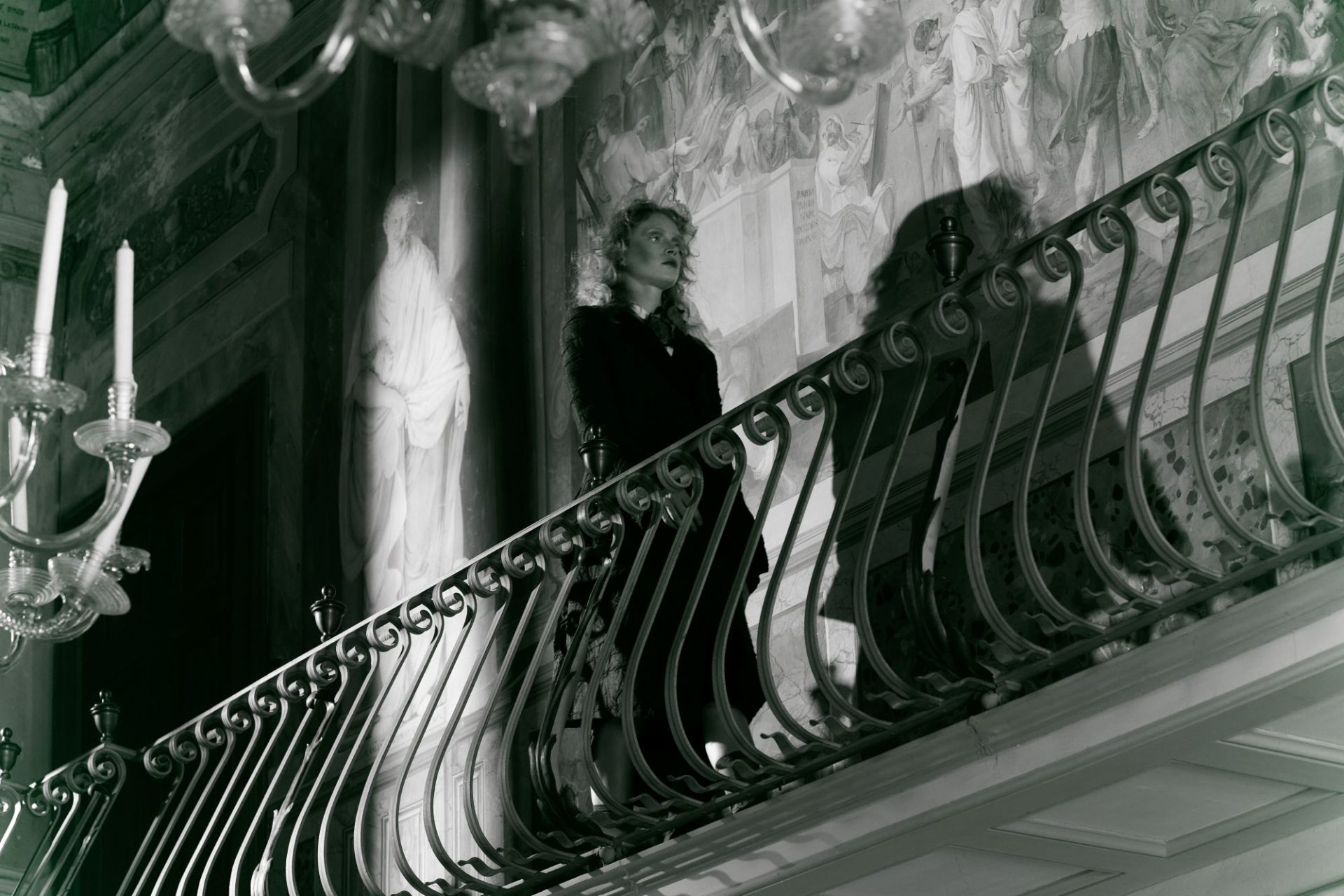
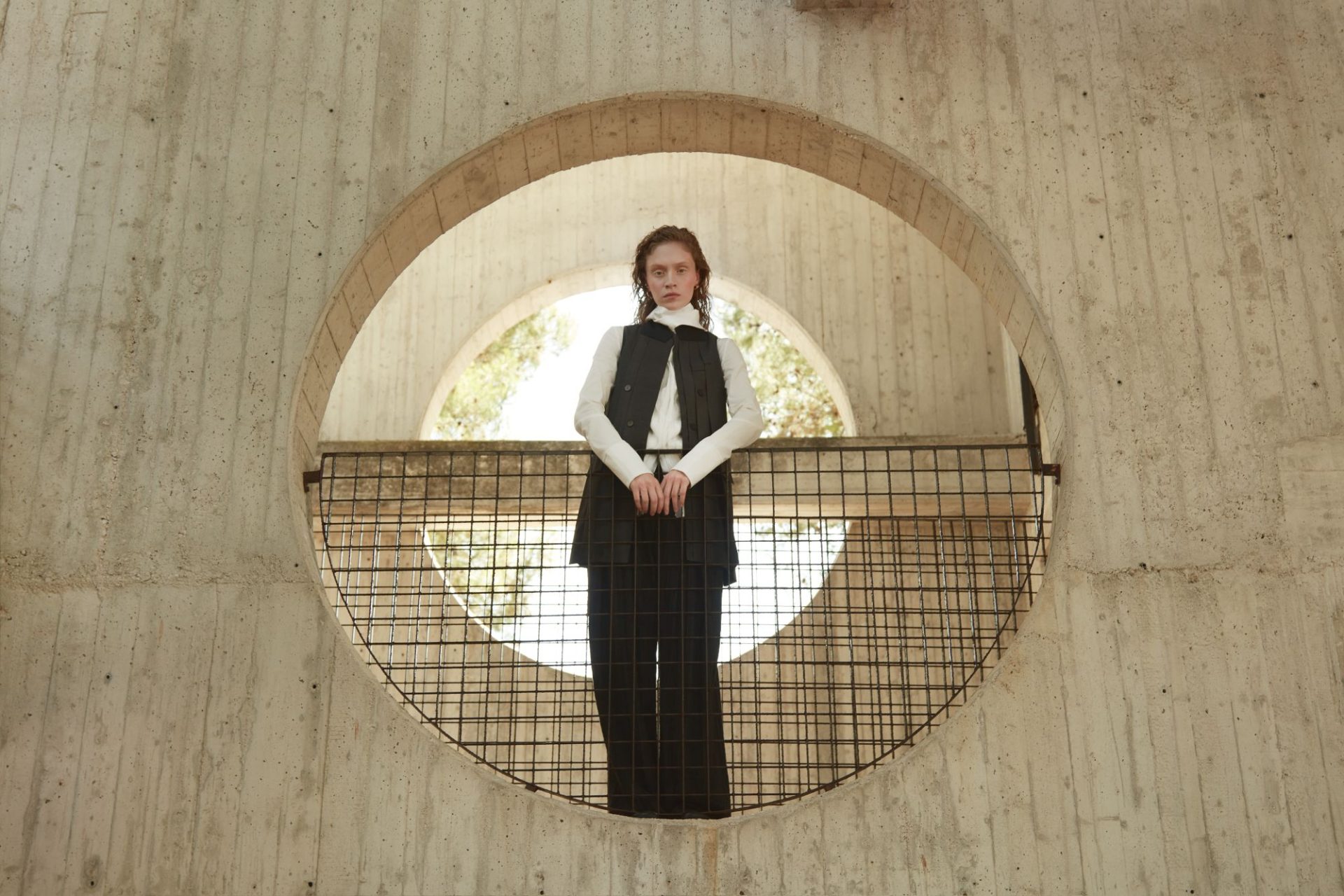
The new collection brings to the surface what usually remains concealed. The intimate structure of the garment becomes a statement; its interiority is made visible. The moda film inherits this same logic, because dreams too are built in layers, weaving images, symbols, and emotions into an immersive narrative.
The result is an aesthetic suspended between memory and present, between shadow and light. To be two things at once is not a contradiction. It is awareness.
Watch the film:
Video Credits
Direction, Screenplay, Editing, and Color Grading – Giulio Malloni
Creative Director – Floriana Orsetto
Style Director – Chiara Acquarelli
Creative Art Director – Gaia Benedetti Perinetti Casoni
Styling Assistant – Manuel Sarchiè
MUAH – Giulia Gaetani
Starring Marica Ranno
Executive Production – Multivideo
Line Producer – Mario Tordini
Production Assistant – Maria Pia Mozzoni
Director of Photography – Mattia Saggiomo
1st Assistant Camera/Focus Puller – Marco Conti
Camera Assistant – Alessandro Moglie
Gaffers – Riccardo Ruscello – Paolo Muti
Sound Recordist Francesco Aquilanti
Unit Still Photographer Andrea Orsetto
Architectural Couture and the Language of Interiority
The Autumn/Winter 2026-2027 collection translates the film’s central thesis into a tangible vocabulary of construction. Malloni has long championed a philosophy where the architecture of a garment rivals its surface beauty, and this season the house turns that principle inside out. Seams traditionally hidden within linings are exposed as decorative topstitching; boning channels, usually the silent scaffolding of tailoring, surface as graphic corsetry worn over knitwear. This deliberate inversion mirrors the protagonist’s journey in The Flower Code, where vulnerability is recast as structural integrity.
Fabric selection reinforces this dialogue between shelter and revelation. Heavy boiled wools and technical double-face cashmeres provide the “geometric and radical” armor, their density sculpting sharp, architectural silhouettes that stand away from the body. Countering this rigidity, the “romantic and decadent” dimension emerges through devoré velvets, silk chiffons layered until opaque, and hand-embroidered organzas where floral motifs appear to bloom from the fabric’s interior. The color palette negotiates the same tension: charcoal, flint, and military olive anchor the collection, while bruised amethyst, aged rose, and translucent cream inject the softness of the dream state.
Giulio Malloni's Cinematic Authorship
That Giulio Malloni serves as director, screenwriter, editor, and colorist for The Flower Code signals a rare convergence of fashion authorship and cinematic vision. This multidisciplinary control ensures the film never functions merely as a lookbook in motion; rather, it operates as an independent artwork that expands the collection’s narrative universe. Malloni’s editing rhythm favors linger over cut, allowing the camera to study the texture of a wool crease or the tremor of a chiffon sleeve in wind-details that retail imagery typically flattens. The color grading deserves particular attention: a desaturated, almost archival palette for the geometric sequences shifts imperceptibly toward warmer, grain-rich tones as the floral motif takes hold, visualizing the protagonist’s psychological thaw without resorting to exposition.
The collaboration with Director of Photography Mattia Saggiomo yields a visual language rooted in analog sensibility despite digital capture. Practical lighting-harsh directional beams slicing through smoke for the rigid sequences, diffused golden-hour glow for the romantic passages-creates a tactile depth that CGI cannot replicate. Sound design by Francesco Aquilanti layers the industrial hum of a loom with the organic rustle of dried petals, an auditory metaphor for the collection’s duality. This holistic approach positions Malloni within a lineage of Italian houses-think early Prada or Marras-where the moving image is treated as a primary design medium rather than a marketing afterthought.
Styling as Narrative Choreography
Under the direction of Style Director Chiara Acquarelli and Creative Art Director Gaia Benedetti Perinetti Casoni, the film’s styling operates as a choreography of revelation. The protagonist, portrayed by Marica Ranno, does not simply wear the collection; she inhabits its argument. Early sequences present her in layered, almost defensive ensembles: a structured coat buttoned to the chin over a high-neck knit, gloves concealing hands. As the flower motif recurs-first as a printed lining glimpsed at a cuff, then as a three-dimensional appliqué migrating across shoulders-the styling unbuttons, unfurls, and peels away. This progression is calculated; each look in the film corresponds to a specific emotional coordinate in the screenplay, a mapping the styling team developed in tandem with Giulio Malloni’s script.
Accessories punctuate this arc with surgical precision. Architectural leather belts cinch waists in the first act, their hardware echoing the collection’s exposed metal zippers. By the final act, those belts are discarded or repurposed as neckpieces, while footwear transitions from rigid lace-up boots with vibram soles to soft, unstructured leather pouches that mold to the foot’s anatomy. Even the MUAH design by Giulia Gaetani follows the narrative: a severe, matte complexion with geometric eyeliner softens into dewy skin and stained lips the color of the film’s central flower. This totalizing attention to detail transforms styling from curation into co-authorship, ensuring every frame advances the film’s thesis: that wholeness requires the courage to be seen in layers.