
Creating a home theater no longer requires a massive renovation budget or years of saving. Better technology, wider product selection, and flexible payment methods have made premium entertainment setups more realistic for many households. Whether your goal is family movie nights, immersive gaming, or a dedicated place to enjoy live sports, investing in a thoughtfully designed home theater can transform how you spend your free time. The key is making smart decisions that balance comfort, performance, and long-term satisfaction without overspending.
Start With a Realistic Budget
Before shopping for televisions, surround sound systems, or reclining seating, determine how much you can comfortably spend. That simple step prevents impulse purchases while helping you prioritize the features that matter most. If your television is the centerpiece of the room, allocate more of the budget there and build the rest of the setup over time. If immersive audio is your priority, plan around quality speakers instead.
For shoppers who want to spread out expenses, Best Buy’s buy now, pay later options make this easy because they let you pay qualifying purchases over time instead of requiring one large upfront payment. That flexibility can make it easier to purchase the television or projector you really want while leaving room in your budget for accessories such as streaming devices, speaker stands, or blackout curtains later. Regardless of how you finance a purchase, staying within a payment amount that comfortably fits your monthly budget should remain the priority.
Design Around Your Space
A great home theater doesn’t require a massive basement or a custom-built room. Many living rooms, bonus rooms, or finished garages can become excellent entertainment spaces with thoughtful planning. Measure the room carefully before buying furniture or electronics. Viewing distance, wall placement, and seating arrangement all influence the overall experience.
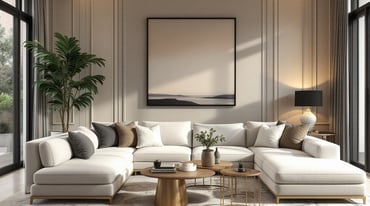
Think about how your home’s style fits into the design as well. A modern home may look best with clean-lined furniture, hidden wiring, and minimalist shelving, while a traditional space may benefit from warm wood finishes and built-in cabinetry that blends naturally with the existing decor. Rather than making the theater feel separate from the rest of the house, using familiar colors and materials creates a polished, intentional look.
Lighting deserves equal attention. Dimmable fixtures, blackout curtains, or layered lighting can dramatically improve movie viewing while still letting the room work for everyday activities.
Focus on Audio and Comfort
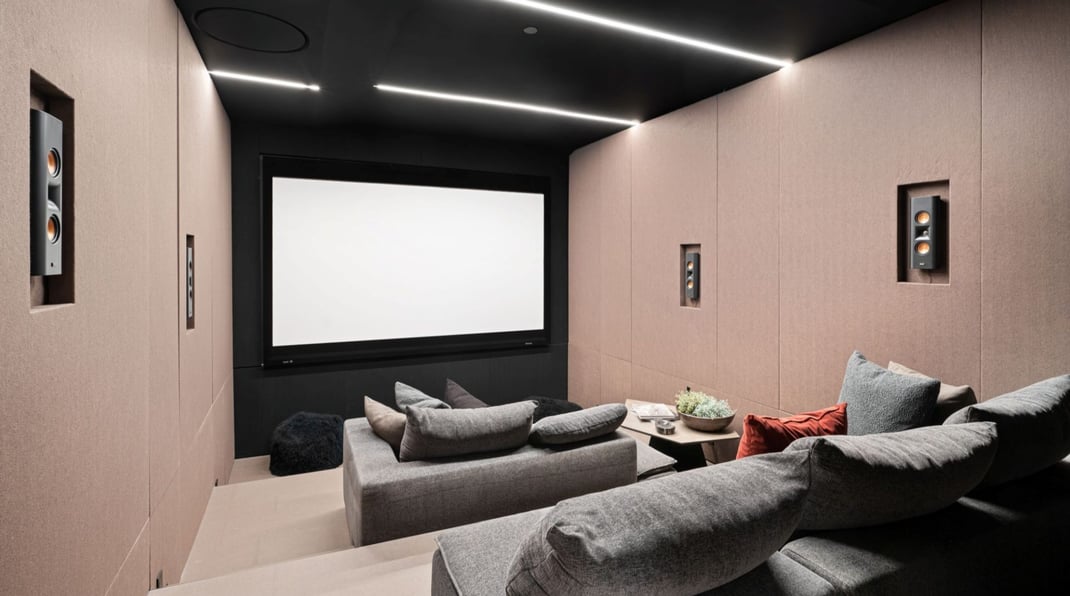
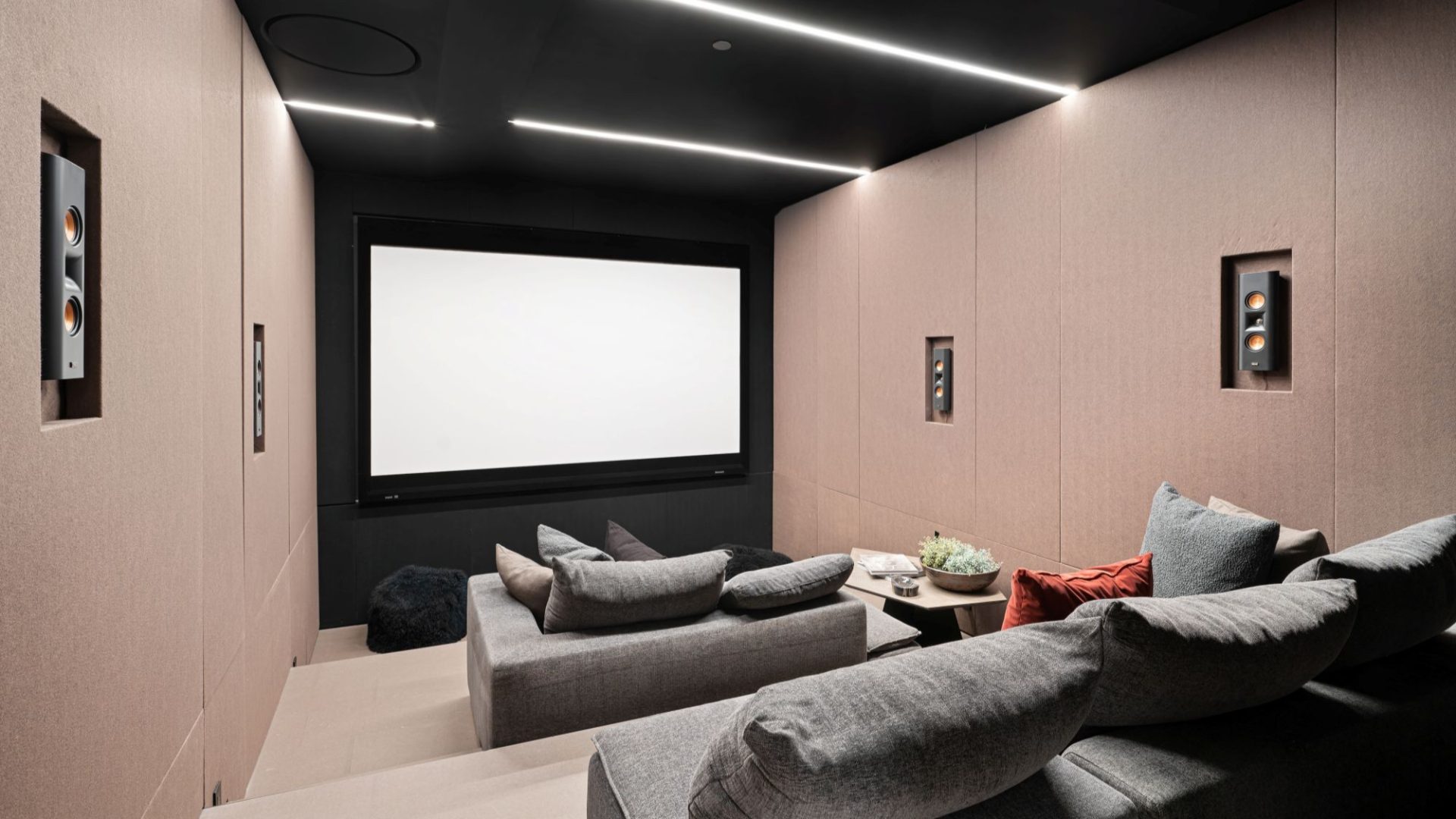
Many buyers spend nearly their entire budget on the television while overlooking sound quality. That often leaves them with an impressive picture paired with underwhelming audio. A quality soundbar can substantially improve on built-in TV speakers, while a full surround sound system creates a far more immersive experience for movies and sporting events.
Comfort also deserves attention because people typically spend hours in a home theater at a time. Seating should support long viewing sessions without sacrificing the room’s layout. Some homeowners choose dedicated theater recliners, while others prefer oversized sectionals that provide flexibility for families and guests. The right choice depends on how you’ll use the room throughout the week.
Acoustic improvements can make an equally noticeable difference. Area rugs, fabric curtains, upholstered furniture, and even decorative wall panels help reduce echoes that can interfere with dialogue and overall sound quality. These additions often improve the room without requiring expensive construction.
Build It in Stages
Many of the most impressive home theaters were assembled gradually rather than all at once. Purchasing every component in a single shopping trip may not always be necessary or practical. Starting with a quality television and a reliable sound system lets you enjoy the room immediately while leaving room for future upgrades.
As your budget allows, you can add improved seating, upgraded speakers, additional storage, or smart home features that automate lighting and audio settings. This gradual approach often leads to better decisions because you gain experience using the room before deciding what truly needs improvement.
Technology also changes rapidly. Waiting to buy every accessory can give you access to newer features or better pricing as products evolve. Taking your time helps avoid replacing equipment sooner than expected.
Enjoy More Time at Home
A thoughtfully planned home theater offers benefits that extend beyond watching movies. It creates a comfortable gathering place for family game nights, championship sporting events, holiday traditions, and casual evenings with friends. Instead of searching for entertainment outside the home, many people spend more quality time together in a space designed specifically for relaxation.
The experience becomes even more rewarding when every element reflects your personal preferences, from the seating arrangement to the lighting and sound system. Carefully building the room, buying equipment with intention, and upgrading over time often produce better long-term results than rushing to finish everything at once.
Even modest improvements can dramatically enhance everyday entertainment. By focusing on practical budgeting, smart purchasing decisions, and thoughtful design, you can create a home theater that delivers years of enjoyment without straining your finances.