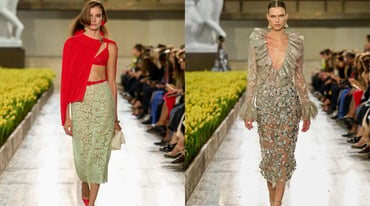
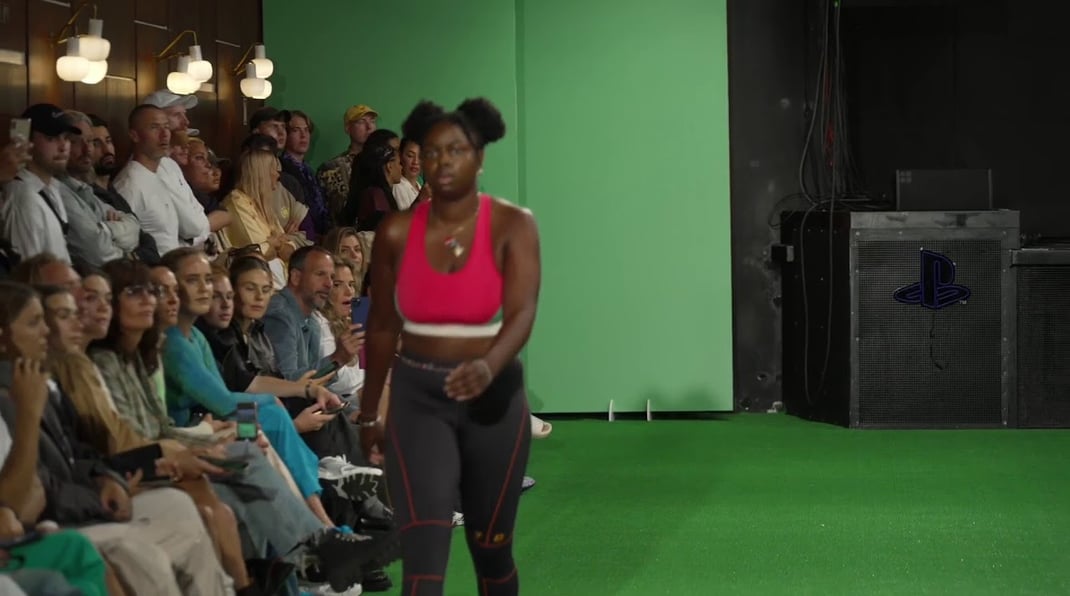

The SS26 line introduces AI-personalized fit technology and bio-based performance fabrics developed in partnership with European textile innovators.
The Evolution of 7 DAYS Active Across Seasons
Since its inception, 7 DAYS Active has positioned itself at the intersection of urban utility and refined sportswear. The Spring/Summer 2022 collection established a vocabulary of modular layering, technical tailoring, and a restrained color palette anchored in charcoal, sand, and muted olive. Those foundational pieces emphasized mobility without sacrificing the silhouette expected of downtown New York dressing. Each subsequent season has iterated on that language rather than reinventing it, allowing the consumer to build a cohesive wardrobe over time.
The transition toward the SS26 season marks a significant inflection point. Where previous collections relied on mechanical stretch and conventional synthetic blends, the current lineup integrates algorithmic fit mapping. This system analyzes anonymized biometric data from opt-in wearers to refine pattern grading across six key movement zones. The result is a garment that anticipates articulation at the shoulder girdle, hip flexor, and lower back without adding bulk. It is a shift from static ergonomics to dynamic responsiveness, aligning the brand with the expectations of a clientele that moves between boardrooms, transit systems, and training facilities in a single day.
Bio-Based Performance Fabrics and European Innovation Partnerships
The material strategy for SS26 centers on a consortium of textile mills in Northern Italy and Southern Germany. These partners have spent the last decade replacing petroleum-derived polymers with feedstocks derived from castor oil, corn glucose, and industrial hemp. The flagship fabric, internally designated “Bio-Shell 3L,” achieves a 20,000 mm water column rating and 40,000 g/m²/24h breathability while reducing carbon intensity by 62 percent compared to its fossil-based predecessor. A secondary knit, “Bio-Jersey Motion,” incorporates a bio-elastane that maintains 95 percent recovery after 500 stretch cycles, addressing the historic durability gap in plant-based stretch textiles.
Development followed a closed-loop protocol. Dye houses utilize supercritical CO2 application, eliminating aqueous effluent. Finishing agents are fluorine-free, relying on dendritic polymer structures for durable water repellency. Every component, from zipper tape to seam sealing tape, has been audited for material health compliance under the ZDHC Manufacturing Restricted Substances List. This rigor extends to the supply chain: blockchain-tracked certificates accompany each roll from polymer pellet to finished garment, granting the end consumer verifiable transparency via a QR code embedded in the care label.
Styling the System: From Commute to Court
The SS26 assortment is engineered around a “three-piece logic” – shell, mid-layer, base – that compresses into a self-stowing pouch no larger than a paperback novel. The shell jacket features a deployable hood that stows into the collar with a magnetic closure, articulated sleeves with thumb loops, and a two-way front zipper for seated comfort. The mid-layer is a half-zip pullover constructed from Bio-Jersey Motion with laser-perforated vent zones mapped to thermal imaging data. The base layer is a seamless long-sleeve tee utilizing graded compression zones to support postural alignment during prolonged sitting.
Colorways remain disciplined: Graphite, Mineral, Dune, and a single accent tone, Verdigris, reserved for zipper pulls and reflective piping. Footwear compatibility was tested against the most prevalent minimalist trainers and leather sneakers in the New York market. Accessories include a RFID-shielding card wallet that bonds magnetically to the shell’s interior chest pocket and a packable tote rated for 15 kilograms that doubles as a laundry bag for the return journey. The system demands no compromise; it simply removes the friction between intention and execution.