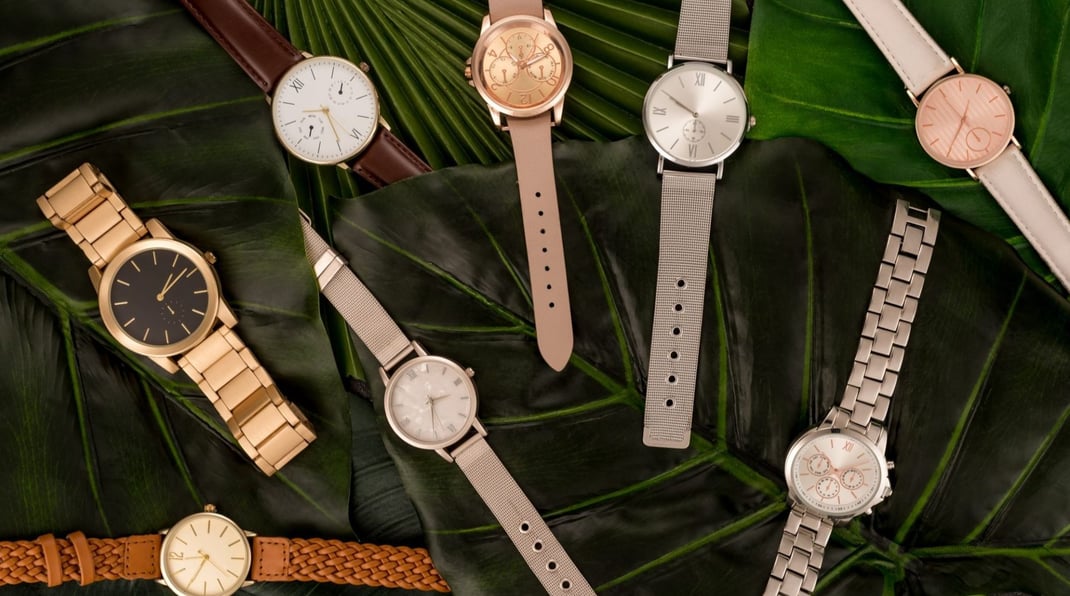

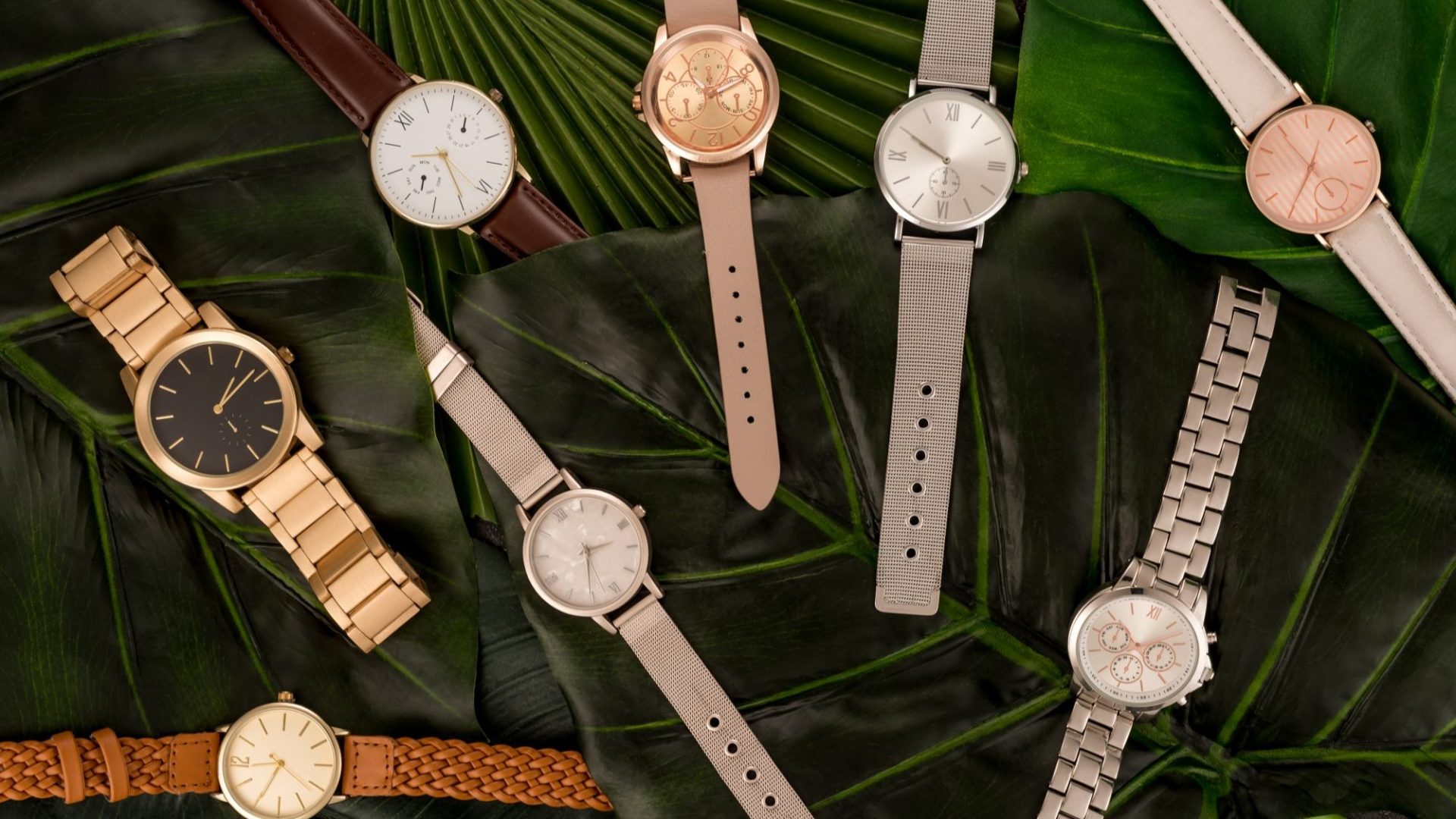
New York is a city that doesn’t linger on trends for long, but occasionally, something classic reappears in the spotlight. The wristwatch, once dismissed as outdated in the era of smartphones and innovative tech, is suddenly back on wrists across the boroughs. This isn’t about checking the time. It’s about how to start a watch collection that feels personal, intentional, and tied to identity. From subway platforms to gallery openings, the quiet tick of a mechanical watch has become a statement again, one rooted in craft and self-expression rather than convenience.
You can trace this shift to a growing fatigue with disposable tech and fleeting digital fads. A wristwatch is an anti-scroll accessory. It doesn’t buzz with notifications or demand attention. It sits there, reliable, purposeful, and often beautiful. For many New Yorkers, slipping one on in the morning has become a small act of rebellion against the chaos of constant connectivity.
The Watch As A Style Language
New York fashion is about nuance. It’s not always what you wear but how you wear it. The same holds for watches. A clean stainless-steel case paired with a slim leather strap conveys a distinct message compared to a chunky diver with patinated lume. Watches have become another dialect in the city’s endless conversation about personal aesthetics.
Walk through the Financial District and you’ll see understated vintage Omegas peeking out from under tailored cuffs. In Brooklyn, the crowd leans toward heritage divers, Seikos, and indie microbrands, pieces that nod to character over price. The beauty of it all is how nonconformist the trend feels. In a city obsessed with individuality, the wristwatch has become one of the few accessories that can say something deeply personal without shouting.
The Revival Of Craft Over Convenience
Part of what’s fueling this return is the broader cultural appetite for analog craftsmanship. The same people who buy vinyl or frequent bespoke tailors are often drawn to mechanical watches for the same reason. Something is grounding about gears and springs, about knowing a human hand assembled what’s on your wrist.
The charm of a mechanical movement isn’t just nostalgia. It’s precision art. Every rotation of a rotor, every tick of a balance wheel, is a reminder that not everything needs to run on Wi-Fi. In a city known for efficiency and hustle, taking a second to wind your watch becomes its own kind of mindfulness ritual.
Collectors and enthusiasts are also finding new homes. Manhattan’s vintage dealers, once quiet corners for the initiated, now hum with newcomers eager to learn. Watch meetups in Brooklyn draw creatives and tech workers alike, each swapping stories about their latest find. It’s not about status anymore; it’s about story.
Trends In Watches And The New York Influence
The city’s influence on watch trends has always been outsized, but it is now evident. The shift toward minimalist, versatile timepieces mirrors the New York wardrobe, sharp, functional, effortlessly cool. Gold tones are back, but they’re worn casually with denim instead of tuxedos. Field watches and chronographs are making a comeback, not as nostalgia pieces but as everyday staples.
Meanwhile, pre-owned and vintage markets are thriving. Platforms and boutiques specializing in authenticated secondhand watches report that Manhattan and Brooklyn comprise a significant portion of their clientele. The appeal lies in character—watches with history, with nicks and stories that mirror their owners’. It’s a rejection of overbranding and a quiet celebration of individuality, something New Yorkers have always understood instinctively.
Where Heritage Meets The Modern Wrist
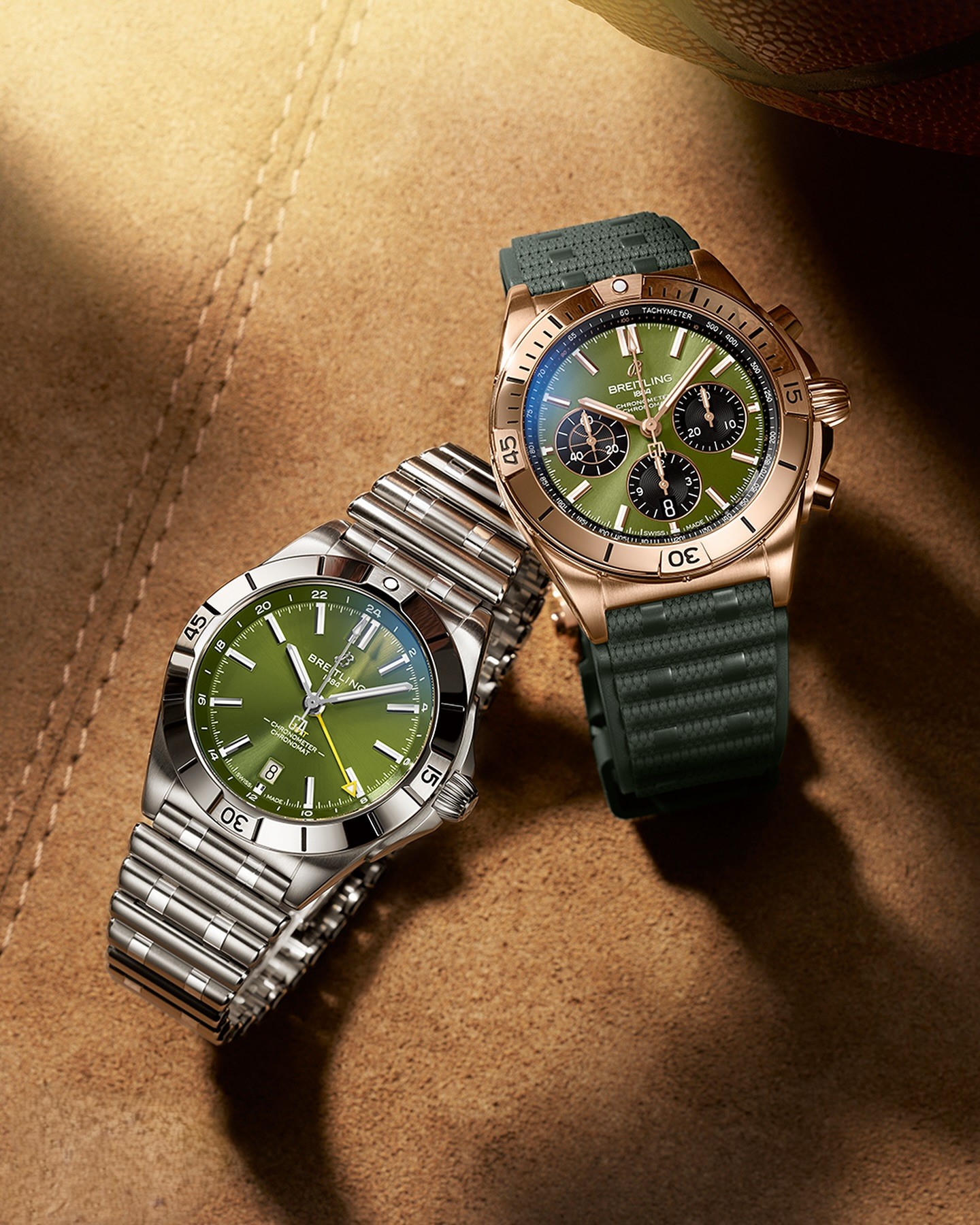
What’s striking about New York’s renewed love affair with the wristwatch is how easily heritage and modernity coexist. On one wrist, you’ll spot a mid-century Rolex that’s outlived a dozen tech cycles; on another, a sleek solar-powered Citizen that never needs winding. The city has a way of blurring eras without losing authenticity. That’s the pulse of New York, it respects the past while sprinting into the future.
You’ll find this balance in boutiques across Soho, where independent brands share space with century-old maisons, and in coffee shops where startup founders wear heirloom watches as naturally as they do sneakers. Collectors aren’t loyal to categories anymore; they’re mixing digital and analog, steel and ceramic, mechanical and quartz, creating collections as diverse as the city itself.
In a world obsessed with what’s next, New York is quietly reminding everyone that what’s lasting still matters. The wristwatch has found its place again, not as a relic, but as a rhythm, a small, steady heartbeat in a city that never stops moving.
A City That Still Runs On Time
For all its pace and energy, New York still respects time. The return of the wristwatch is proof that some traditions can survive the digital tide. It’s a nod to those who value presence over pings, and to those who see beauty in the details. Wearing a watch here isn’t an affectation; it’s an act of quiet defiance against distraction.
Maybe that’s why this trend feels so different from most. It’s not about nostalgia or resistance for their own sake. It’s about living deliberately in a city that rarely slows down. And as more wrists catch the light of a polished case or a brushed steel link on the sidewalk, it’s clear that New Yorkers aren’t just bringing watches back—they’re reminding the world what real style looks like when it ticks.