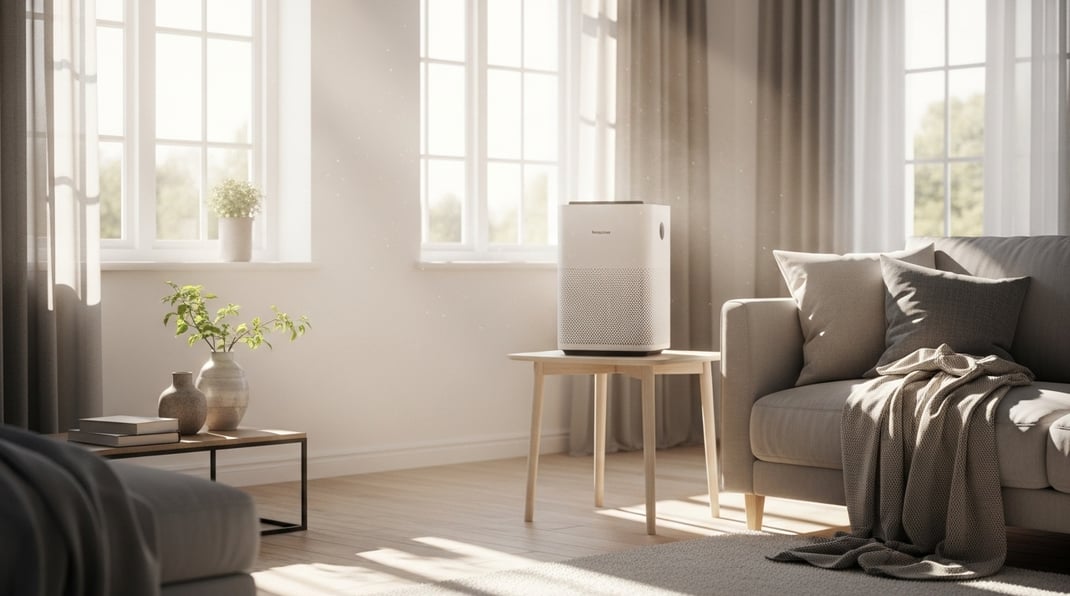

The air we breathe indoors has a profound impact on our daily health and well-being, yet most people don’t realize that indoor air can be 2-5 times more polluted than outdoor air. This startling fact reflects how pollutants, allergens, and excess moisture become trapped in our homes, creating environments that can harm rather than heal. Managing humidity levels with devices like a umidificador helps prevent dry air from making irritants worse, while a well-rounded approach to air quality tackles multiple problems at once. The good news? Simple, practical changes can dramatically reduce respiratory problems, allergies, and that persistent fatigue many of us experience—offering real benefits for anyone looking to create a healthier home environment.
Understanding Indoor Air Quality and Its Impact
Indoor air quality (IAQ) describes the cleanliness and safety of air within buildings, shaped by various contaminants like dust, volatile organic compounds (VOCs), mold spores, and harmful gases. When air quality suffers, so do we—respiratory irritation flares up, allergies worsen, and asthma attacks become more frequent. Over time, breathing poor-quality air can even compromise lung function and lead to more serious health issues.
The Environmental Protection Agency advocates for a three-part strategy to tackle IAQ problems: controlling pollution sources, improving ventilation, and cleaning the air itself. Once you understand these core principles, you can make smarter choices about your home’s environment.
Source Control: Eliminating Pollution at Its Root
The most effective way to improve indoor air quality is to stop pollution before it starts. Many everyday household items create problems—gas appliances release combustion byproducts, cleaning products emit chemical vapors, older homes may harbor asbestos, and furniture or paint can off-gas VOCs for months after installation.
Here’s how to tackle sources head-on:
– Have asbestos professionally sealed if you live in an older lar
– Select low-VOC alternatives when buying paints, adhesives, or furniture
– Keep smoking outdoors and use candles sparingly
– Ensure gas stoves burn cleanly with proper adjustment
– Test for radon using inexpensive home detection kits
– Reduce fragrance products and aerosols in confined spaces
Real families have seen remarkable changes from these steps. Those who choose low-VOC paints during home renovations frequently notice fewer allergy symptoms and better sleep within just a few weeks.
Optimizing Ventilation for Fresh Air Circulation
Good ventilation dilutes indoor pollutants and brings in cleaner outdoor air. Natural ventilation can be as simple as opening windows for 10 minutes or more each day—an incredibly effective method when outdoor air quality is good.
For mechanical solutions, consider running exhaust fans in kitchens and bathrooms, keeping your HVAC system well-maintained with regular duct cleaning, and creating pathways for airflow throughout your home. Monitoring CO2 levels helps you ventilate effectively without wasting energy on heating or cooling.
Pro tip: When opening windows for ventilation, make sure your carbon monoxide detectors are working correctly, especially if you have gas appliances.
Balancing Humidity to Prevent Mold and Discomfort
Keeping humidity in that sweet spot between 30-50% creates an environment where dust mites, mold, and bacteria struggle to thrive, while also preventing the scratchy throats and dry skin that come with overly dry air. Dehumidifiers work wonders in chronically damp spaces like basements, and a good hygrometer helps you track moisture levels accurately.
Many homeowners discover that simply monitoring bathroom humidity consistently can eliminate mold problems. Quick action when levels climb above 50% prevents expensive mold remediation down the road and protects everyone’s breathing.
Air Cleaning Technologies and Maintenance
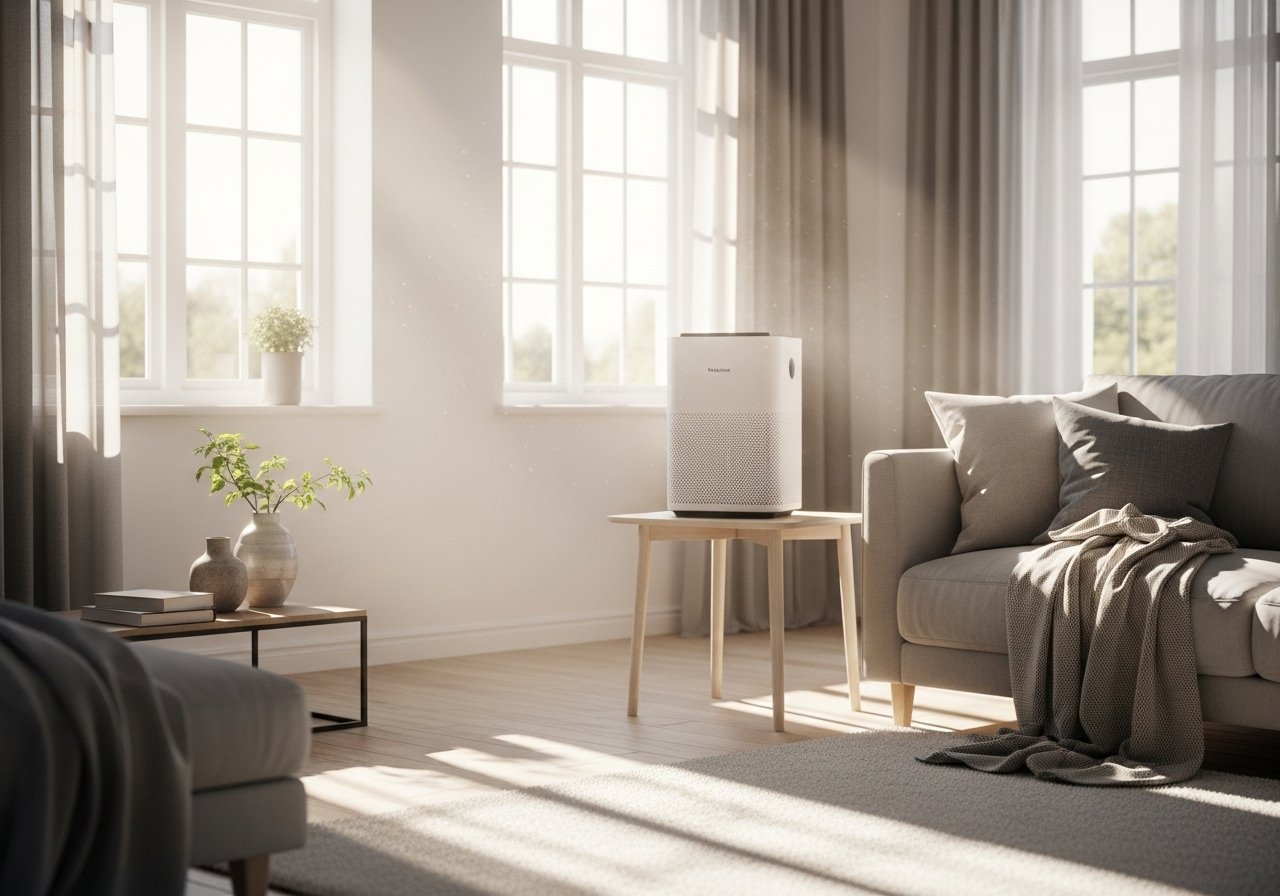
High-efficiency particulate air (HEPA) filters excel at capturing 99.9% of airborne particles and work best when integrated into your HVAC system (look for MERV-13 ratings) and vacuum cleaner. Portable air purifiers that combine HEPA filtration with activated carbon tackle both particles and chemical odors, provided they’re properly sized for your room.
| Filter Type | Captures | Melhor para |
|---|---|---|
| HEPA | 99.9% particles | Dust, allergens |
| Activated Carbon | VOCs, odors | Chemicals, smells |
| MERV-13 | Fine particles | HVAC systems |
These systems only work when properly maintained—regular filter changes and the use of HEPA-equipped vacuums keep everything running at peak performance.
Everyday Habits and Monitoring for Sustained IAQ
Building consistent cleaning habits forms the backbone of healthy indoor air. Weekly dusting and surface cleaning, along with washing bedding in hot water, dramatically reduce allergen buildup. While houseplants do absorb some pollutants, research on their overall air-cleaning impact remains inconclusive.
Air quality monitors that track particles, VOCs, CO2, and humidity give you real-time feedback on how well your efforts are working. Many people find that weekly HEPA vacuuming makes a visible difference in dust accumulation and overall air clarity.
Long-Term Strategies and Professional Insights
For greater improvements, consider upgrading to efficient electric heating systems and boosting your home’s insulation to reduce combustion-generated particulates. Some situations call for professional help—duct cleaning, asbestos inspection, and radon mitigation all require specialized expertise.
Health organizations such as the Asthma and Allergy Foundation of America repeatedly emphasize that even modest IAQ improvements can yield significant health benefits when implemented consistently over time.
Conclusão
Creating cleaner indoor air through source control, improved ventilation, and smart air-cleaning transforms your home into a healthier space for your family. These practical strategies don’t require major investments but deliver lasting improvements to your well-being. Begin with a simple IAQ assessment using free checklists from health authorities to pinpoint your most significant opportunities, then take the first steps toward breathing easier at home.