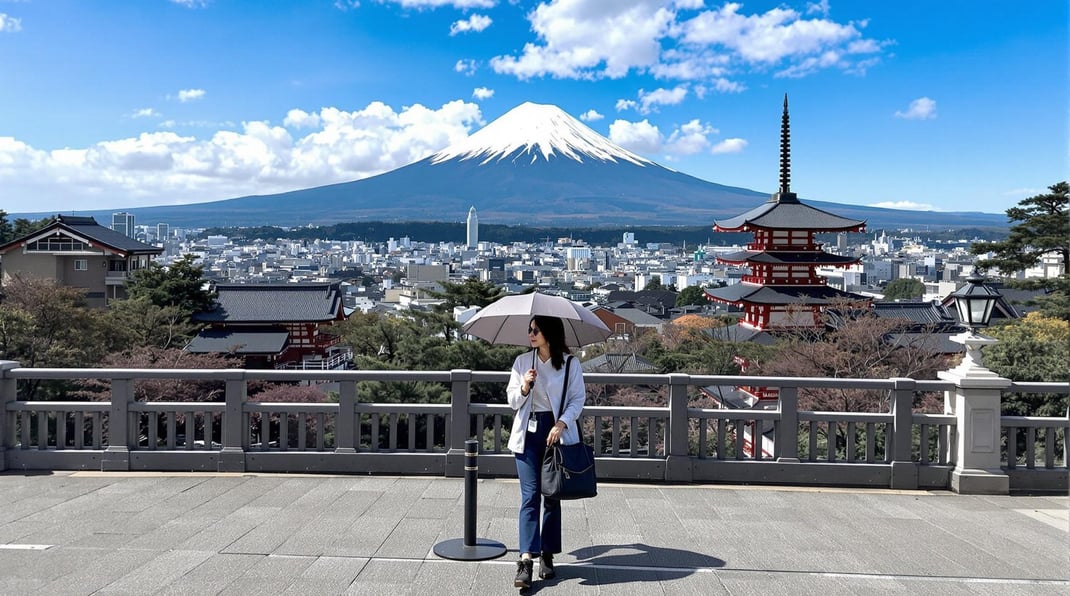

Ask anyone what comes to mind when they think of Japan, and you’ll likely hear about cherry blossoms, bullet trains, or sushi. But beneath the well-known icons lies a rich musical culture that stretches from centuries-old rituals to futuristic pop spectacles. Exploring Japan through its music is one of the more rewarding ways to understand its soul, and it’s an experience many visitors overlook.
The Sounds of the Past: Traditional Japanese Music
To hear Japan’s history, you only need to listen. Traditional Japanese music, or hogaku, has been shaped by centuries of spiritual practice, court rituals, and folk storytelling. Some of its core instruments, like the shamisen, kotoe shakuhachi, are still played today in temples, cultural festivals, and concert halls.
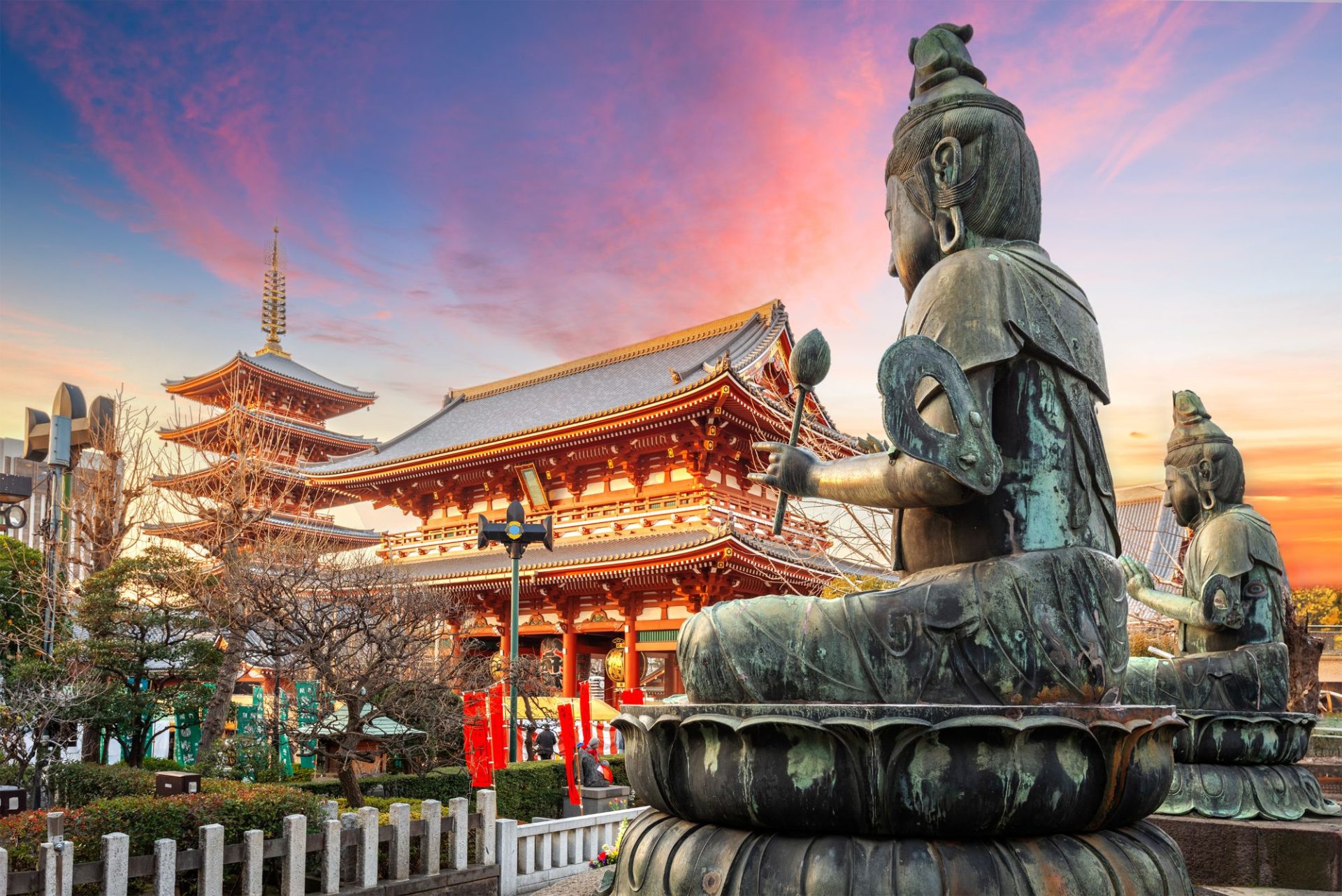
Attending a gagaku (ancient imperial court music) performance or a noh theatre show offers a glimpse into music that’s often slow, deliberate, and layered with meaning. The rhythms may feel unfamiliar to Western ears, but they’re deeply rooted in nature and seasonal change. There’s something powerful about watching a performance in a Kyoto temple or hearing a lone flute echo across a quiet shrine.
Folk traditions are equally captivating. In rural areas, particularly in northern regions like Tohoku, community events and festivals feature local songs and dances that have been passed down for generations. These are not polished performances, they’re community expressions, rich with regional identity.
Taiko: Power and Precision
Among the more striking traditional art forms is taiko drumming. Watching a taiko group perform is a visceral experience, the synchronised movements, thunderous sound, and intense focus create a show that is both athletic and artistic.
Taiko has evolved over time, with many modern troupes blending it with other musical styles or choreography. Groups like Kodo have helped bring taiko to global audiences, but seeing it in Japan, whether at a local festival or a dedicated performance hall, adds a level of authenticity and cultural depth.
J-Pop and the Bright Lights of Tokyo
On the other end of the spectrum is Japan’s modern music scene, led by the endlessly creative and visually explosive world of J-Pop. Tokyo, in particular, offers a front-row seat to the genre’s dizzying variety, from idol groups with cult-like fanbases to independent artists pushing the boundaries of pop music.
Places like Shibuya, Harajuku, and Akihabara are packed with live venues, record shops, and themed cafés that give visitors a direct line into the J-Pop universe. For the curious, catching a live show, even from a lesser-known artist, can be an eye-opening look at how deeply music is woven into youth culture.
Beyond J-Pop, cities like Tokyo and Osaka have thriving underground scenes. Live houses (small live music venues) are scattered across urban districts, featuring everything from punk and jazz to electronic experiments. It’s a side of Japan rarely found in guidebooks but deeply rewarding for those willing to explore.
Anime and Game Music: A Genre of Its Own
Anime and video game soundtracks are more than just background noise, they’ve become a genre in their own right, with concerts dedicated entirely to scores from beloved series. Whether it’s a full orchestra performing the soundtrack of Final Fantasy or a solo pianist interpreting Studio Ghibli themes, these performances draw fans of all ages.
In Tokyo, venues like Tokyo International Forum or Suntory Hall often host themed concerts, and it’s not unusual to see fans arriving in cosplay. Even if you’re not a die-hard anime viewer, the emotion and craftsmanship in these scores are hard to ignore.
Music as a Gateway to Local Culture
Travelling for music doesn’t have to mean attending ticketed events. One of the most enjoyable aspects of Japan’s musical landscape is how seamlessly it blends into daily life. You’ll hear traditional folk songs playing over loudspeakers in countryside towns, encounter street performers mixing beatboxing with shamisen, or stumble upon jazz bars hidden down narrow alleyways.
Music is present in department stores, train stations, convenience shops, each with its own carefully chosen jingle or theme. For visitors who tune in, these soundscapes add another layer of richness to the experience.
And for those compiling a list of things to see in Japan, a live music performance, be it ancient, contemporary, or somewhere in between, deserves a spot alongside temples and Mount Fuji.
Respecting the Experience
When attending music performances in Japan, there’s a strong sense of etiquette. Audiences are often quiet and attentive, especially at classical or traditional events. Photography might be restricted, and late arrivals are generally frowned upon. Taking the time to understand and respect these customs only enhances the experience, allowing you to connect more deeply with the performance and its setting.
Considerações finais
Music may not be the first reason people travel to Japan, but it’s one of the most memorable. Whether you find yourself mesmerised by a taiko drumline, humming along to a city pop classic, or caught up in the energy of a local street festival, music has a way of grounding you in a place.
It’s not just a background track, it’s part of the journey. And in Japan, that journey is as varied and dynamic as the country itself.