Luxury shopping in 2025 is no longer about flexing the highest price tag. It’s about making every dollar work harder through stronger resale values, rising retail prices, and smarter sourcing.
The most sophisticated buyers now treat designer handbags, watches, and ready-to-wear as appreciating assets instead of seasonal splurges.
Success comes from looking past the boutique markup and focusing on craftsmanship, rarity, and future demand.
Whether you’re after a Hermès Birkin, Chanel classic flap, a discontinued Rolex, or quiet-luxury staples from The Row and Loro Piana, the goal is the same: own pieces you love that hold or increase in value over time.
This guide reveals seven proven strategies used by collectors and insiders to buy luxury at the right price, in the right condition, from the right places.
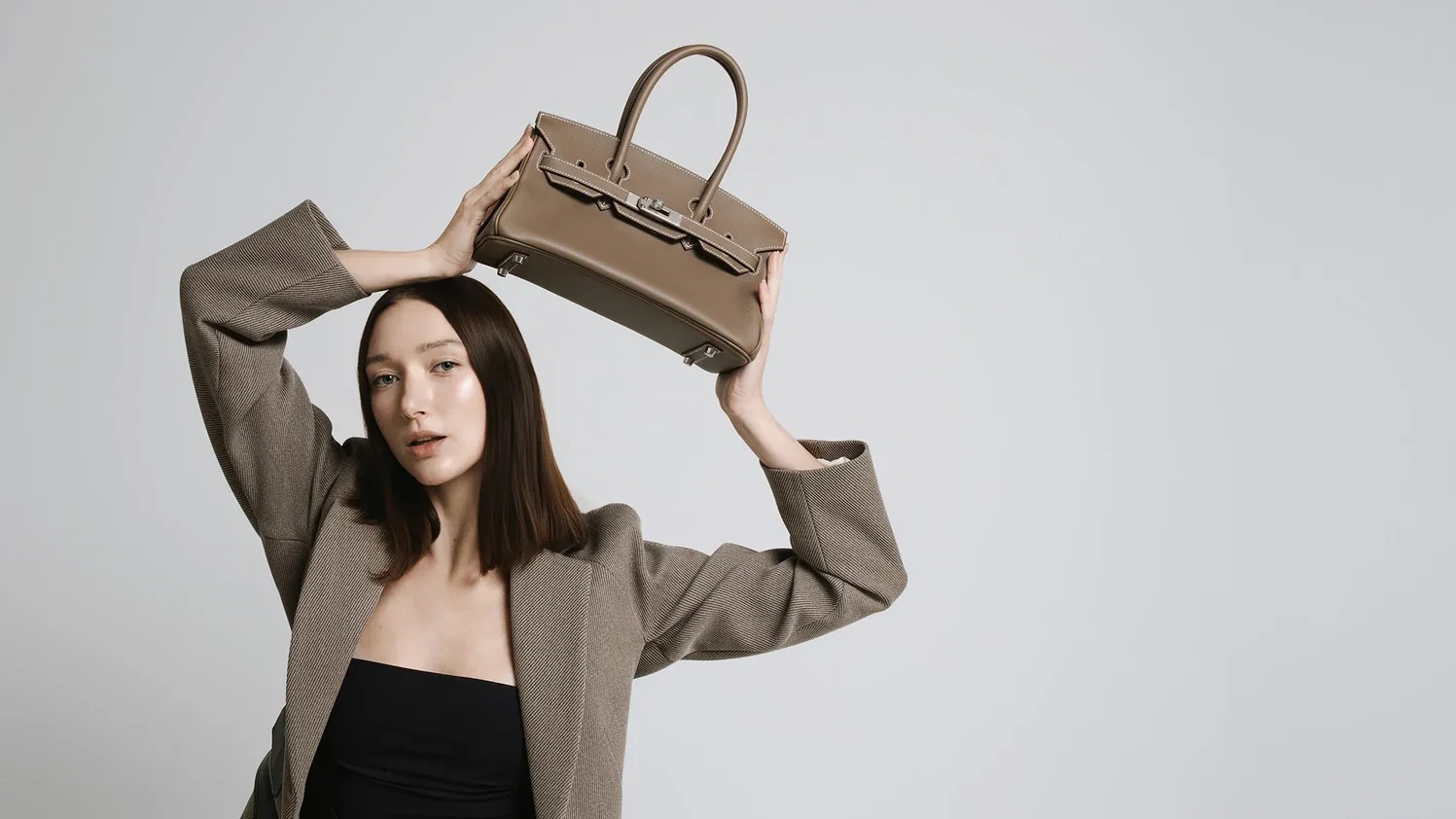
1) Consider Pre-Owned for Rare or High-Demand Items
The pre-owned luxury market has grown significantly over the past few years. We now have access to designer pieces that would be difficult or impossible to find in stores.
Limited-edition bags, discontinued styles, and vintage watches often appear on resale platforms before they appear anywhere else.
Buying pre-owned doesn’t mean settling for lower quality. Many luxury items hold up remarkably well over time because they’re made with superior materials and craftsmanship.
We can find pieces in excellent condition that look nearly new but cost considerably less than retail prices.
The authentication process has also improved across most platforms. Trusted resale sites now verify items before listing them, which protects us from counterfeit products. This means we can shop with confidence when seeking hard-to-find pieces.
If we’re hunting for something truly specific, like a rare colorway or a collection that sold out instantly, the pre-owned market almost always delivers faster than hoping for a restock.
You can actually shop rare Hermès handbags in Canada through trusted, authenticated resale platforms and finally own something that rarely becomes available otherwise, all while making a much more sustainable choice.
2) Prioritize Timeless Pieces Over Fast Trends
When we shop for luxury, our goal should be to find pieces that remain relevant for years. Trendy items might look exciting now, but they often lose appeal quickly.
Classic designs hold their value better than seasonal styles. A well-made trench coat or structured handbag works across multiple years and occasions. These items form the foundation of our wardrobe and mix easily with other pieces we own.
We should look for neutral colors and simple silhouettes when investing in designer goods. Black, navy, beige, and gray rarely go out of style. Clean lines and quality materials matter more than eye-catching details that might feel dated next season.
Heritage brands often create pieces with lasting appeal. Their designs build on decades of craftsmanship rather than chasing what’s popular this month. This approach gives us confidence that our purchase will remain stylish.
Before buying, we can ask ourselves a simple question: Will this piece still feel right in five years? If the answer isn’t clear, it might be better to keep looking.
3) Research Craftsmanship and Materials Before Buying
We should always examine how our luxury pieces are made before spending our money. Taking time to learn about construction methods and fabric quality helps us make better choices.
Start by checking the materials used in each piece. Natural fibers like silk, wool, and cashmere typically offer better quality than synthetic alternatives. We can look at how the fabric feels, its weight, and how it drapes.
Next, we need to inspect the construction details. Check the seams, linings, and hardware carefully. Quality stitching should be even and tight, with no loose threads. The hardware on bags and clothing should feel solid and operate smoothly.
Learning about the brand’s heritage and production process matters too. Find out where the materials come from and how the items are assembled. Many luxury brands share this information on their websites or product descriptions.
We can also research what makes specific products special. Understanding the unique techniques or materials a brand uses helps us recognize genuine value. This knowledge protects us from overpaying for items that lack true quality.
4) Review the Item’s Resale Value Before Making a Purchase
We constantly check the resale potential of luxury items before buying them. Some designer pieces hold their value better than others, and knowing this helps us make more intelligent choices.
Recent data shows that shoppers are now considering resale value before purchasing. This approach reduces buyers’ guilt and increases our confidence in spending on quality items.
Heritage brands with strong reputations typically perform best on the secondhand market. Classic styles from established fashion houses maintain their worth more consistently than trendy pieces.
When we shop, we look at current secondhand prices for similar items. This gives us a realistic picture of what we might recoup if we decide to sell later. Online resale platforms make it easy to research these values quickly.
Specific categories consistently deliver strong returns. Iconic handbags, timeless watches, and signature jewelry pieces often appreciate over time or maintain most of their original value.
5) Authenticate Everything, Even When Buying from Popular Marketplaces
We need to verify the authenticity of luxury items before buying them, no matter where we shop. Even popular online marketplaces can contain fake products alongside real ones. The luxury resale market is expanding rapidly, which has also led to an increase in counterfeit products.
It’s wise to use authentication services to verify luxury items before purchasing, as many companies now use advanced technology to help ensure products are genuine.
These services work by taking detailed photos of items and comparing them to a database of real and fake products.
When we shop on marketplaces, we can’t always trust that verification systems catch everything. Some platforms verify users through email, but this doesn’t guarantee product authenticity.
We recommend getting items authenticated by a third-party service, even when buying from trusted sellers. This extra step protects our investment and gives us peace of mind. Many authentication services offer money-back guarantees if they make a mistake.
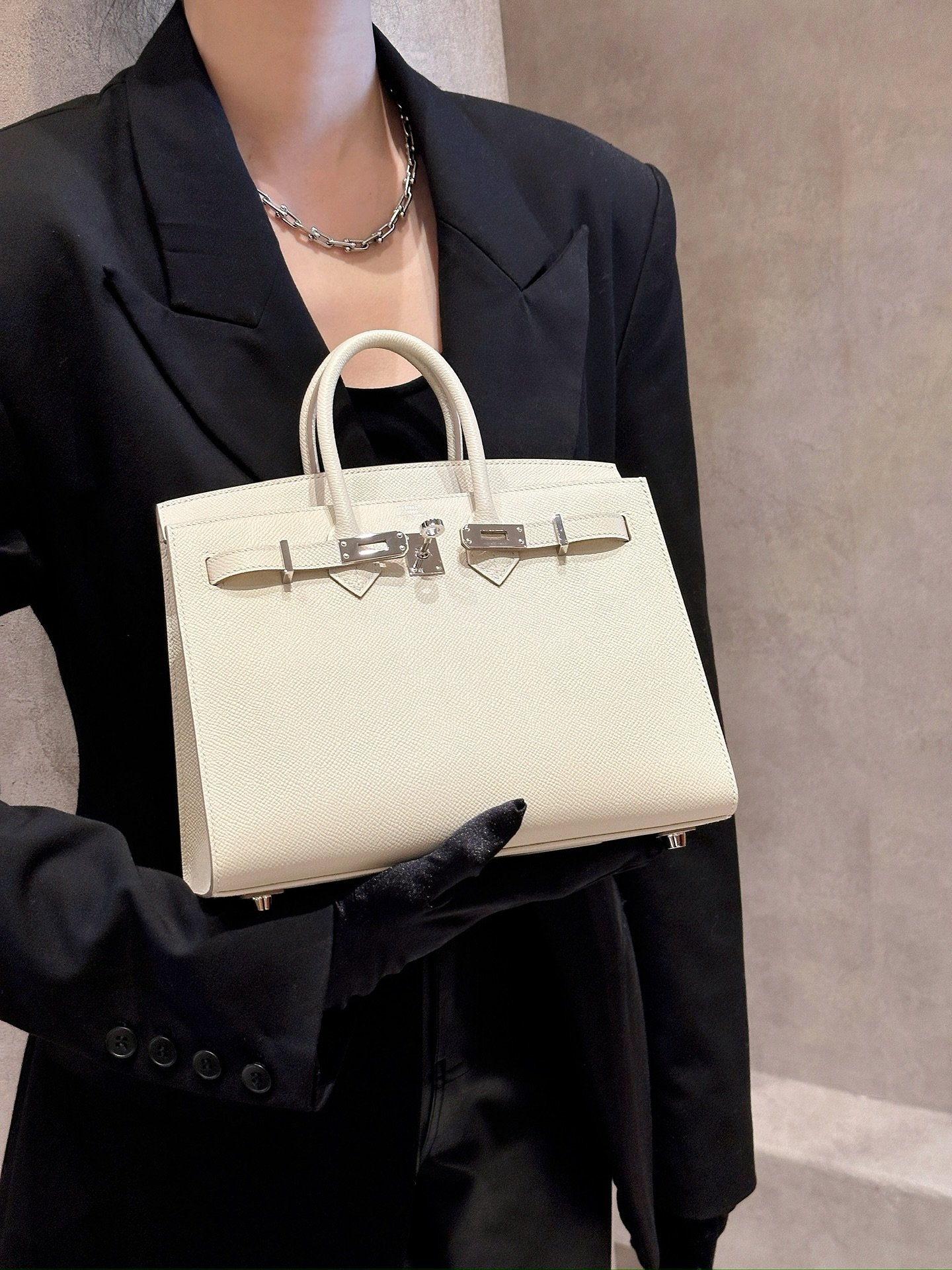
6) Compare Prices Across Multiple Channels
We can find significant price differences for the same luxury item across different retailers. A designer handbag might cost hundreds less at one store compared to another, even when both are authorized sellers.
Price comparison websites and apps make this research quick and easy. These tools scan multiple retailers at once and show us where to get the best deal. We save time by avoiding manual checks of each store’s website.
We can compare prices across a wide range of online retailers using tools like Google Shopping or dedicated price comparison platforms that track luxury goods across department stores, brand websites, and authorized resellers.
Some retailers offer price-matching policies. When we find a lower price elsewhere, we can ask our preferred store to match it. This gives us the best price while shopping in the place where we feel most comfortable.
We should check both online and physical store prices. Sometimes, in-store exclusives or online-only sales offer better value. Authorized outlet stores and official brand websites often have different pricing than third-party retailers.
7) Take Advantage of Seasonal Promotions and Insider Access
We can maximize our luxury shopping budget by timing purchases around key seasonal events. Brands typically offer their best promotions during specific periods throughout the year, from end-of-season sales to holiday shopping events.
Many luxury retailers provide exclusive access to private sales for their loyal customers. We should sign up for brand newsletters and loyalty programs to receive early notifications about these opportunities.
These insider events often feature deeper discounts before items become available to the general public.
The spring and fall transitions offer excellent timing for luxury purchases. Retailers need to clear inventory to make room for new collections during these periods. We can find substantial savings on pieces from the previous season that remain timeless in estilo.
January sales events capitalize on post-holiday shopping momentum, while summer promotions help brands move merchandise before autumn arrivals. Planning our purchases around these predictable cycles helps us secure designer items at better prices.
Building relationships with sales associates at our favorite luxury retailers can open doors to private shopping appointments and early access to sales. These connections often lead to personalized notifications about promotions that match our preferences.
Perguntas frequentes
Shopping for luxury goods in 2025 requires understanding market dynamics, authentication processes, and value retention. These answers address the practical concerns buyers face when investing in designer pieces today.
What are the most effective strategies for securing luxury items at a better value in 2025?
We focus on timing our purchases to coincide with seasonal sales and end-of-season clearances when retailers need to move inventory. Shopping at outlet stores and authorized resellers gives us access to authentic pieces at reduced prices.
The pre-owned market offers some of the best opportunities for value. We can find rare items and discontinued styles through authenticated resale platforms. Signing up for brand newsletters and loyalty programs provides early access to promotions and special pricing events.
Building relationships with sales associates helps us learn about upcoming sales before public announcements. Many stores offer private shopping events for their best customers with exclusive discounts.
Can you share some tips for identifying authentic luxury deals amid market saturation?
We always verify seller credentials and check for authentication guarantees before buying. Legitimate luxury resellers provide detailed photos, original receipts, and certificates of authenticity.
The price serves as our first indicator. If a deal seems unreasonably low compared to market rates, we investigate further. Real luxury discounts typically range from 20% to 40% off retail, not 70% or 80%.
We examine craftsmanship closely by checking stitching quality, hardware weight, and material texture. Authentic items show consistent, precise construction. Serial numbers and date codes should match the brand’s formatting standards for that production year.
Buying from established platforms with authentication services protects our investment. We avoid sellers who refuse to provide additional photos or detailed information about the item’s condition and provenance.
What should a savvy shopper know about the resale value when investing in designer pieces?
Classic styles from heritage brands hold their value best over time. We look for neutral colors and timeless silhouettes that remain desirable regardless of current trends.
Limited edition pieces and items with strong brand recognition typically maintain higher resale values. Handbags from some luxury brands often retain a significant portion of their original value when well cared for.
Condition matters significantly for resale potential. We keep original packaging, dust bags, and authentication cards. Regular maintenance and proper storage preserve the item’s quality and marketability.
Popular sizes and versatile styles sell faster on the secondary market. We consider demand when making purchases, knowing that specific collections appreciate while others depreciate quickly.
What are the insider secrets to navigating exclusive luxury shopping events and flash sales?
We create accounts on luxury retailer websites well before major sale events to ensure smooth checkout. Adding items to wish lists helps us act quickly when prices drop.
Following brands on multiple platforms increases our chances of catching announcements. Some companies share sales information on Instagram before updating their websites or sending emails.
Private sales often require invitation codes or membership status. We build relationships with personal shoppers and brand representatives who can provide access to these exclusive events.
Shopping during off-peak hours gives us a better selection and less competition. Early morning launches work best for online sales, while evening private events at physical stores offer relaxed browsing with personalized attention.
Is it possible to balance sustainability with luxury, and if so, what approaches are recommended for eco-conscious consumers?
Buying pre-owned luxury items represents one of the most sustainable choices we can make. Extending the lifecycle of existing products reduces demand for new production and associated environmental impact.
We research brands committed to ethical manufacturing and transparent supply chains. Many luxury houses now publish sustainability reports detailing their environmental initiatives and labor practices.
Investing in timeless, well-made pieces that last for decades proves more sustainable than frequently replacing lower-quality items. We prioritize craftsmanship and durability over trendy designs that quickly go out of style.
Proper care and repair services significantly extend the life of luxury goods. Some brands offer lifetime repair programs that support long-term ownership.