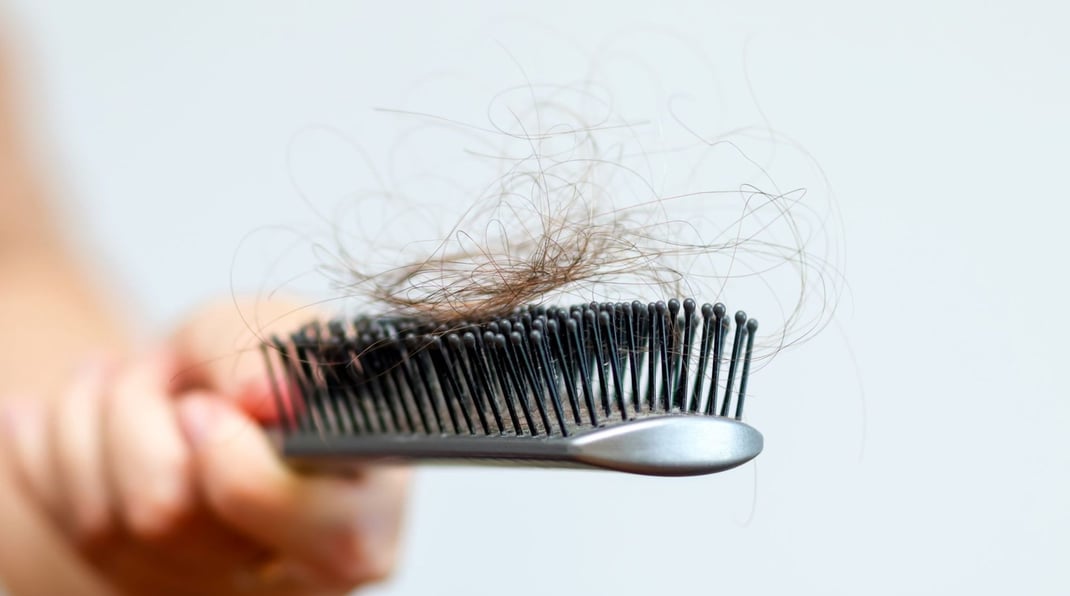

Everybody wants long, beautiful, healthy, and lustrous hair. Thinning hair can feel like a ticking time bomb, and every strand of hair on your comb may seem like a defeat. There are many reasons why individuals experience hair loss. Sometimes, the reasons are within our control; other times, not so much.
Genetics and medications are two primary factors responsible for hair thinning, and to be honest, there’s not much you can do about them. However, other aspects, such as maintaining a balanced diet, leading a healthy lifestyle, managing stress, and incorporating good haircare products into your routine, are within your control. In addition, the following tips for making your hair grow faster can also help promote healthy hair growth and prevent further hair loss. In this article, we’ll look at some of the reasons why people experience hair loss and discuss some simple yet effective ways to prevent it.
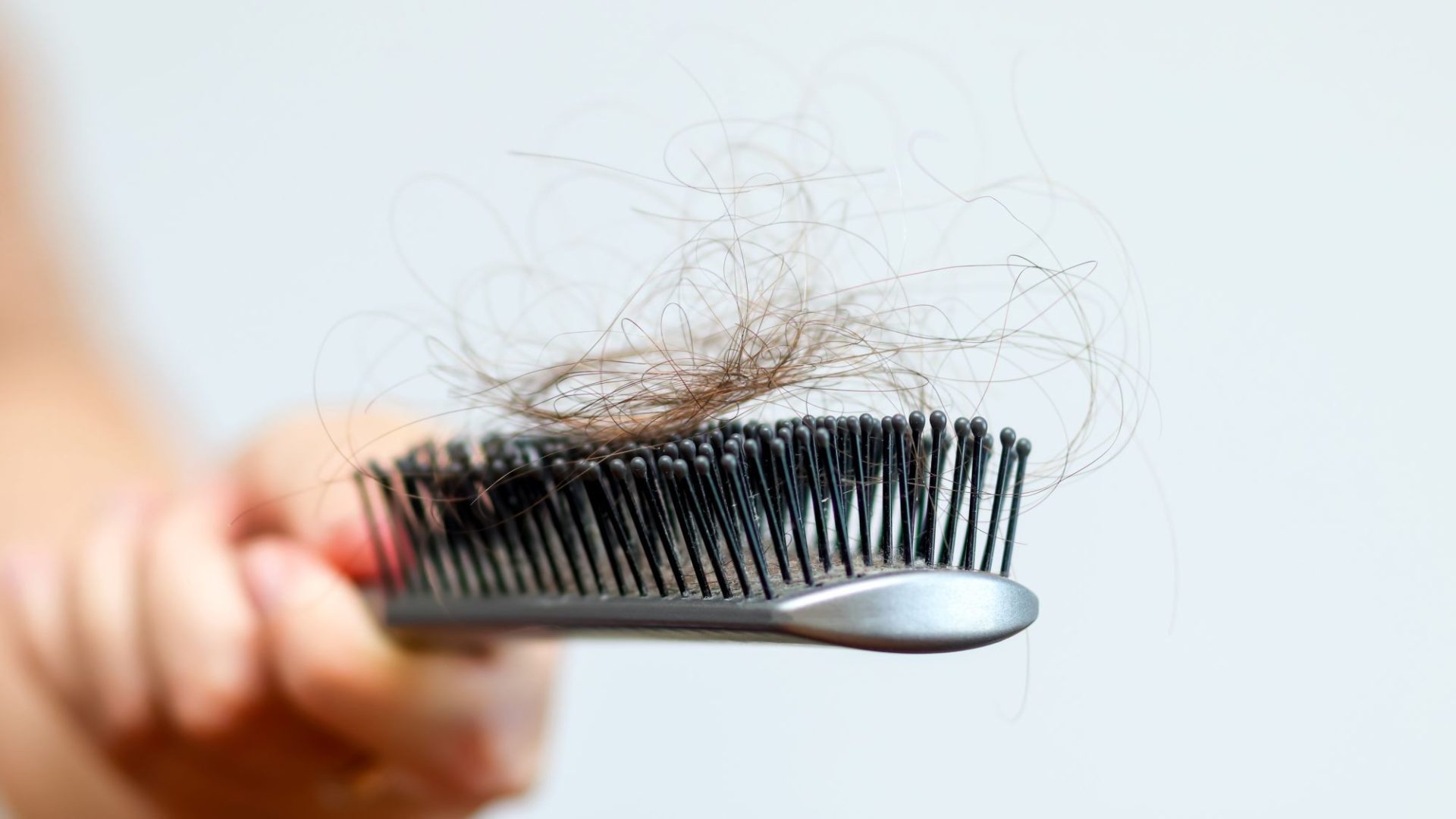
Reasons for Hair Fall
There are several reasons why you may be experiencing hair fall. Here are some common ones:
Genetic Makeup
Some people experience hair fall because of genetics, and this normally becomes more prominent with age. This usually occurs in a predictable pattern. First, the hairline starts receding, and then you’ll experience bald patches. After a while, you’ll see your hair thinning along the crown. If hair loss runs in your family, you’re more likely to experience it too.
Medical Conditions and Medications
If you’re undergoing a medical condition or are currently taking any strong medicines, you may experience temporary hair thinning. Most often, the hair fall comes under control once you’ve recovered or are off the medication. Conditions like thyroid disorders, hormonal imbalances, and certain autoimmune diseases can all contribute to hair loss.
Unchecked Stress
People who go through a stressful time or event often experience hair loss. Physical and emotional shock can trigger your body into fight or flight mode, leading to hair shedding. This type of hair loss, called telogen effluvium, is usually temporary but can be significant during periods of high stress.
Hairstyles and Treatments
Hairstyles that require a lot of harsh products and heated tools lead to hair fall. Tight ponytails, braids, and extensions can cause traction alopecia, which is hair loss from constant pulling. This is why it’s important to opt for hairstyles that are simple and don’t cause hair damage. Additionally, if you undergo any harsh cosmetic hair treatments like bleaching, perming, or chemical straightening, you may also experience hair loss. Your hair needs a break from all that stress!
Nutritional Deficiencies
Not getting enough of certain vitamins and minerals can lead to hair thinning. Iron deficiency, vitamin D deficiency, and low protein intake are common culprits. If your body isn’t getting what it needs, your hair will show it.
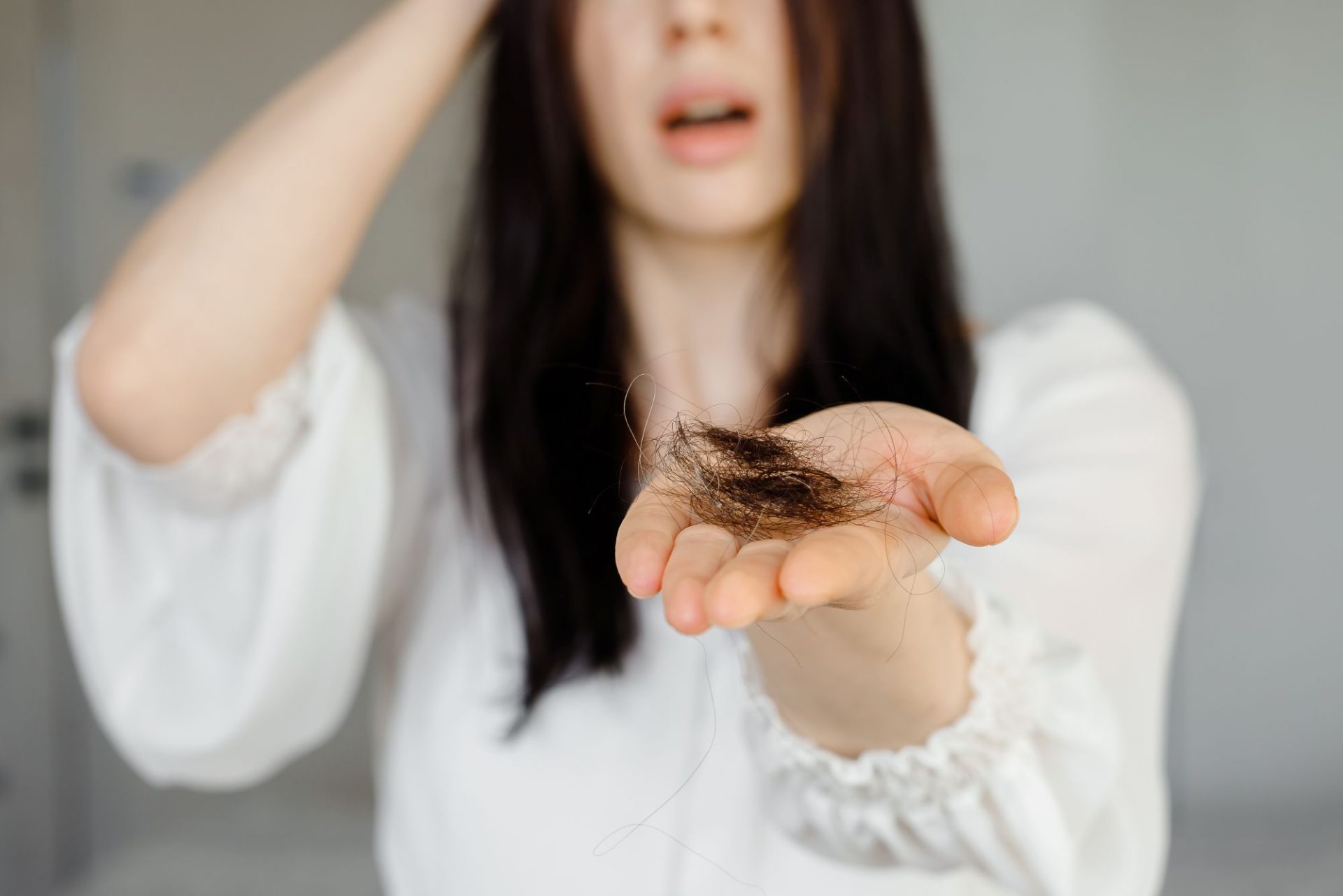
Preventing Hair Fall
There are a few situations where you can’t do much about thinning hair. But for the situations that are under your control, the following tips are going to help you:
1. A Balanced Diet
The first contributor to healthy hair is having a healthy diet. You must have a balanced diet that includes essential nutrients, such as protein, vitamins, biotin, and minerals like iron and zinc. This will form the foundation for external treatments that you apply to reduce cabelo fall.
Think of your diet as the building blocks for your hair. Without proper nutrition, no amount of products can fully compensate. Include plenty of leafy greens, lean proteins, nuts, seeds, and colorful fruits and vegetables in your meals. Your hair will thank you from the inside out!
2. Managing Stress
As mentioned above, stress is one of the primary reasons why people experience hair loss. If your stress levels aren’t under control, you can’t stop hair fall. Several techniques, such as meditation, yoga, deep breathing, and practicing mindfulness, help reduce stress and also have a positive impact on your hair health.
Even something as simple as taking a 10-minute walk outside or listening to your favorite music can make a difference. Find what works for you and make it a regular part of your routine. Your mind and your hair will both benefit.
3. Adding Good Haircare Products
Good haircare products mean products that suit your scalp type. So, every time you choose a shampoo, conditioner, mask, or any other hair product, ensure it suits your hair type. If your scalp is oily, don’t use heavy, moisturizing products. If it’s dry, skip the clarifying shampoos that’ll strip away moisture.
Another thing to remember is that your haircare routine must be simple and easy to follow for consistency. A complicated routine that you can’t stick to won’t help. Focus on the basics: gentle cleansing, proper conditioning, and nourishing treatments that work for your specific needs.
4. Scalp Care Matters
Don’t forget about your scalp! Healthy hair grows from a healthy scalp. Regular scalp massages can boost blood circulation and help stimulate hair follicles. You can use your fingertips or a scalp massager tool to gently massage for 5 to 10 minutes a few times a week.
Using scalp-specific treatments like oils infused with rosemary or peppermint can also help. These ingredients are known to promote circulation and create an environment where hair can thrive.
5. Regular Trims
Regular trims help prevent split ends and also protect your hair from further damage. Getting a trim every 6 to 8 weeks is essential to ensure your hair grows healthy and strong.
We know it seems counterintuitive to cut your hair when you’re trying to grow it, but trust the process. Those split ends will travel up the hair shaft and cause more breakage if left unchecked. A fresh trim keeps your ends healthy and your hair looking its best.
6. Getting Blood Work Done
If you’re experiencing hair loss even after taking essential measures, you should consult a specialist and have blood work done. This will provide you with information about any nutritional deficiency that’s causing hair loss.
Sometimes, hair loss is your body’s way of telling you something is off internally. Low iron, vitamin D deficiency, thyroid issues, or hormonal imbalances can all show up as thinning hair. A simple blood test can give you the answers you need to address the root cause.
A linha de fundo
Beautiful hair can transform a person’s entire personality, making them look and feel confident. However, when someone experiences extreme, unexplained hair loss, it’s normal for them to feel underconfident. There can be many reasons for hair loss, and some of the common ones are stress, genetics, medication, hair care products, and hair treatments.
Now, if you’re following the tips mentioned in the article and still not seeing any positive results, it’s essential to consult your doctor to check for underlying issues and get proper guidance. Remember, hair growth takes time and patience. Be kind to yourself during this journey. With the right combination of good nutrition, stress management, proper hair care, and sometimes medical support, you can support your hair’s health and potentially slow or reverse hair loss.
Your hair is unique to you, so what works for someone else might not work for you. Pay attention to how your hair responds to different treatments and adjust accordingly. Consistency is key, so stick with your routine and give it time to work. You’ve got this!