

Summer Wedding Trends from Joy 2026: What Couples Are Actually Doing This Year
There is a quiet revolution unfolding across the summer wedding season, and it is happening in the most unexpected place: the dress code line. Drawing on proprietary data from more than 2.5 million celebrations planned on Joy, the all-in-one wedding platform, a clear portrait of the 2026 couple emerges. They are polished but never stiff, personal but never chaotic, and above all, they are finished with rigid matching for its own sake.
More than one in three celebrations on Joy this year fall between June and August, which makes summer the defining stage for the season’s biggest style shifts. From the aisle to the 패션 guests choose for the occasion, here is how couples are rewriting the rules.

Cocktail Attire Reigns, but Custom Is the Real Story
Among actively planned celebrations on Joy, Cocktail Attire is the reigning dress code at 41 percent, climbing 13 points year over year. It is the elegant middle ground of the moment: refined enough to feel like an occasion, relaxed enough to carry you to the last dance. Formal holds firm at 16 percent, the timeless choice for couples who want a touch of ceremony.
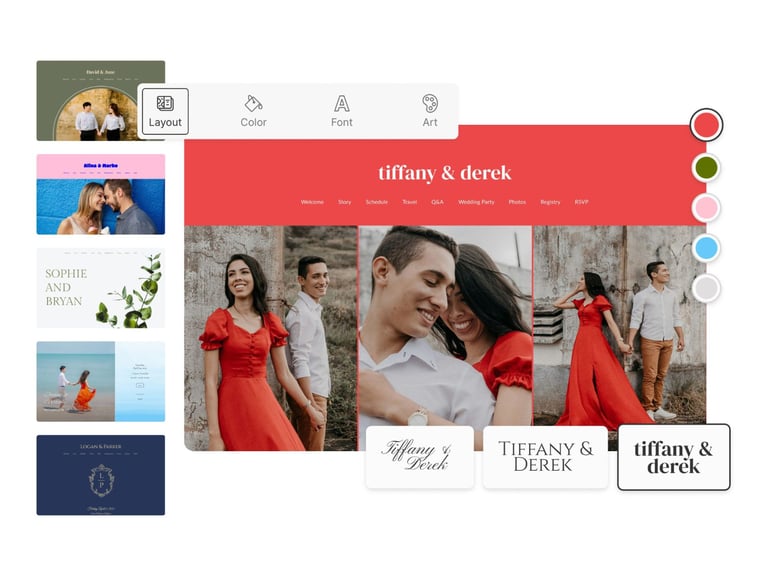
Yet the most telling number is not a category at all. More than one in five couples, some 21 percent, now write a fully custom dress code, skipping the dropdown entirely to say something that sounds like them. When couples genuinely personalize their wedding website, that instinct only intensifies.
Vishal Joshi, CEO of Joy, puts the shift plainly: “Style is the first thing guests notice on a couple’s wedding website, and right now couples are making a clear statement: polished but not stiff, personal but not chaotic. The era of rigid matching is over. Couples want a curated look that still lets everyone feel like themselves.”
The scale behind that shift is considerable. “We see more than two million celebrations on Joy, and the data tells a fascinating story about how couples communicate their style to their guests. More and more, dress codes are not just a formality. They are a design decision, and couples are getting remarkably specific about what they want,” Joshi adds.
Dress Codes Read Like Love Letters Now
The custom dress code has become the season’s most charming canvas. Some read like poetry, others like a fashion brief texted to a stylish friend. Summer couples on Joy are extending an invitation to a mood rather than a mandate: “Think summer wedding: light and elegant. Linen suits, floaty dresses, and anything comfortable yet chic for a warm Italian afternoon.” Or the irresistible: “Formal, bright, fabulous, exciting and positive colours: leave the boring, drab neutrals at home!”
Seasonal modifiers are quietly becoming their own genre. “Summer Cocktail,” “Summer Garden Party,” and “Summer Black Tie” all signal an awareness that fabric and comfort matter as much as formality once the temperature climbs. On either end of the spectrum sit two emerging poles: “Dress to Impress,” for couples who want guests to go all out, and “Come as You Are,” a note of radical inclusivity. Both are outpacing every traditional label.
For couples wondering how to strike that tone, Joshi offers a simple rule: “Write your dress code like you are texting your best friend who has never been to a wedding before. ‘Think the nicest outfit you would pack for a stylish Italian vacation’ tells a guest more than ‘semi-formal’ ever will. The more specific you are, the more confident your guests feel showing up.”
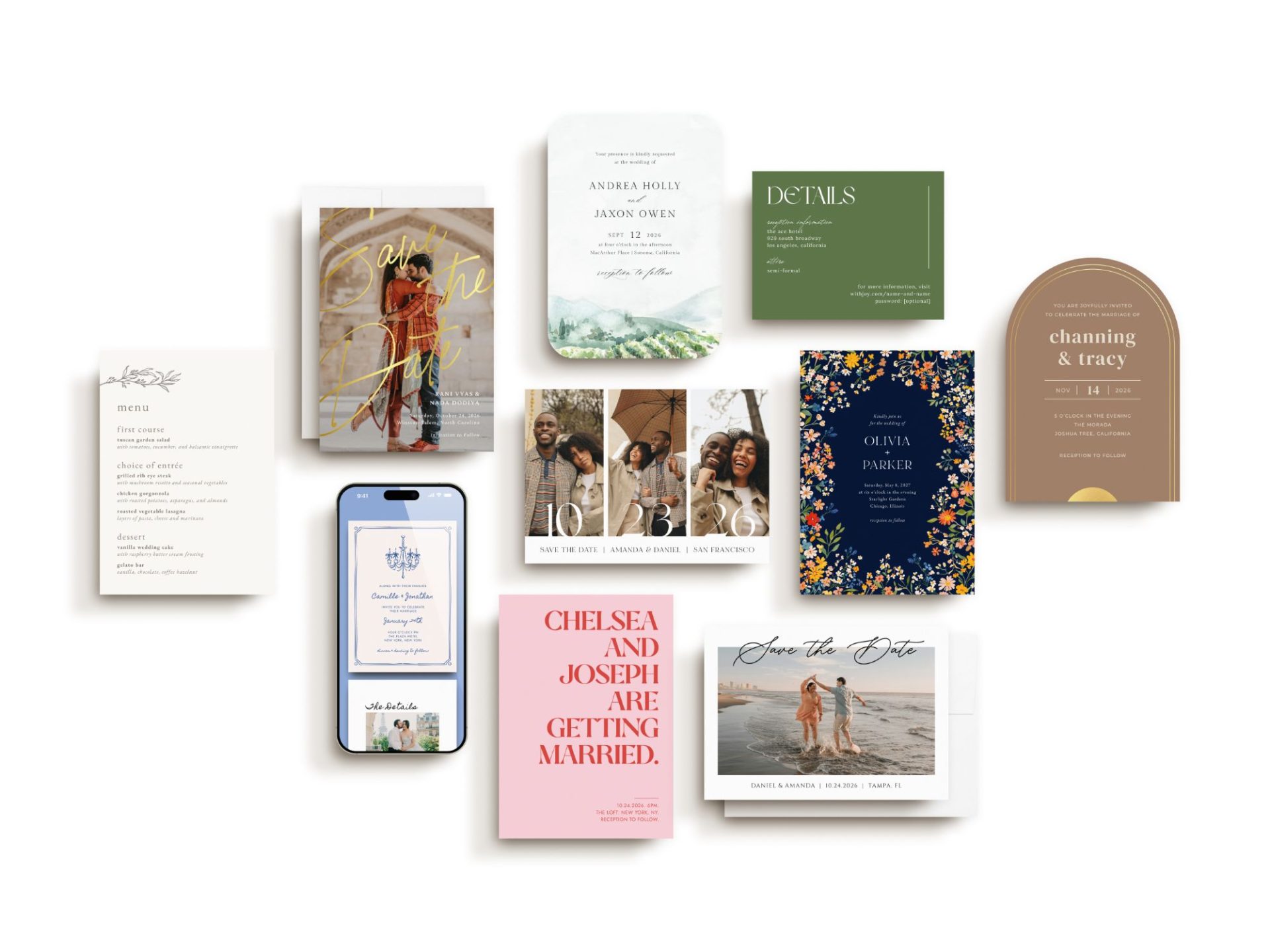
Coordination Over Matching: The New Wedding Party
The era of identical bridesmaid dresses is gracefully bowing out. In its place arrives tonal coordination, where each member of the party chooses a silhouette that flatters while staying within a shared palette. Joy couples are getting specific, writing guidance like “Focus on sunset colors: oranges, pinks, yellows, and green” and “No black, please. Color and texture encouraged.” Linen, chiffon, and light satin are the fabrics referenced most, chosen for the way they move in the summer air.
That same spirit of openness is redrawing cultural lines with grace. Hundreds of 2026 celebrations explicitly invite guests to choose between traditional cultural dress and Western formalwear, with “Indian Traditional,” “Regal Indian,” and “Traditional or Western Formal” among the fastest-growing custom codes on the platform. It is a season built so that every guest can feel most like themselves.
That evolution, Joshi says, is really a change in tone: “When we look at how couples describe their dress codes on Joy, the language has shifted. It used to be about rules. Now it is about mood. Couples write things like ‘Summer cocktail. Colors and florals encouraged or ‘Garden party style. Wear what makes you feel good.’ They are setting a vibe, not enforcing a uniform.”
Style as Hospitality: What Couples Tell Their Guests
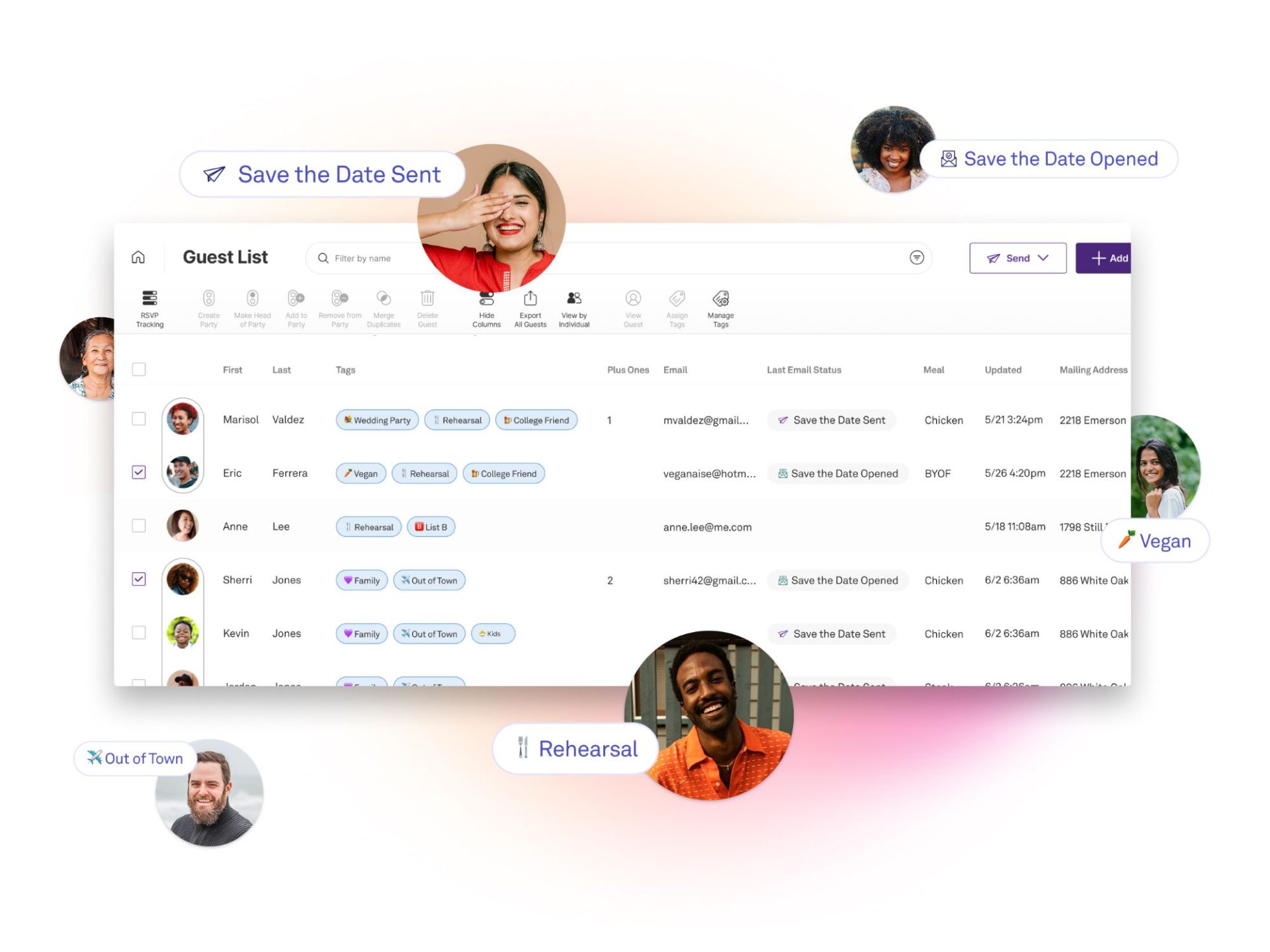
More than one in three celebrations on Joy in 2026 fall in the summer months, and those couples face a distinct challenge: staying elegant while keeping everyone comfortable. Increasingly, they are solving it through the wedding website itself, embedding footwear notes, color encouragement, layering reminders, and sun protection directly into their event descriptions.
Joshi sees the website as the couple’s most valuable tool: “Your wedding website is your best communication tool for a summer event. Use the schedule to tell guests what to expect: ‘The ceremony is outdoors on grass; bring comfortable shoes and sunscreen.’ Use the dress code to set the vibe: ‘Breezy and colorful, leave the dark suits at home.’ Guests want to be told. They would rather know than guess.”
That level of detail, he notes, is a form of care: “Summer couples on Joy are some of the most thoughtful communicators we see. They are not just saying ‘cocktail attire.’ They are saying ‘cocktail attire, but bring comfortable shoes because the ceremony is on grass, and a wrap because the reception is air-conditioned.’ It is hospitality, expressed through style.”
“We see thousands of couples using their Joy website to give guests a heads-up about the weather, the terrain, even what shoes to wear,” Joshi says. “That is not over-communicating. That is good hosting. The more your guests know going in, the more relaxed they are when they arrive.”

Dressing for the Heat: Linen, Parasols, and the Ice Cream Truck Moment
Summer couples are treating comfort as a design decision rather than an afterthought. Custom dress codes spike in the warm months, reaching 24 percent of summer couples compared with 20 percent the rest of the year, and Garden Party nearly doubles in popularity. Linen has been promoted from a casual fabric to the defining material of the season: “Elegant Summer Formal. Given the summer heat, we encourage lightweight, breathable fabrics. For gentlemen: ties are optional.”
The hospitality runs deeper than wardrobe. Couples are building genuine heat plans into their celebrations, offering fans and parasols for sun-soaked ceremonies and turning dessert into climate control. Ice cream trucks, popsicle bars, and custom lemonade stations now appear as dedicated moments on the schedule rather than menu footnotes.
His advice for outdoor ceremonies is refreshingly practical: “If your ceremony is outdoors in July or August, plan for the heat the same way you plan for the food. Have a hydration station ready before guests arrive. Offer fans or parasols. Keep the ceremony short. The couples who think about comfort first are the ones whose guests actually enjoy being outside.”
As Joshi puts it: “One trend we love seeing on Joy is couples scheduling an ice cream truck or lemonade bar between the ceremony and reception. It solves two problems at once: it gives guests a moment to cool down, and it creates one of those fun, unexpected moments everyone remembers.”
For Joshi, the season is not a problem to manage but a mood to embrace: “Do not fight the summer. Lean into it. The most memorable summer weddings on Joy are the ones where the couple made the season part of the experience: linen dress codes, sunset ceremonies, cocktails on the lawn, ice cream for dessert. Summer is not an obstacle to plan around. It is the atmosphere.”
The All White Guest List Goes Global
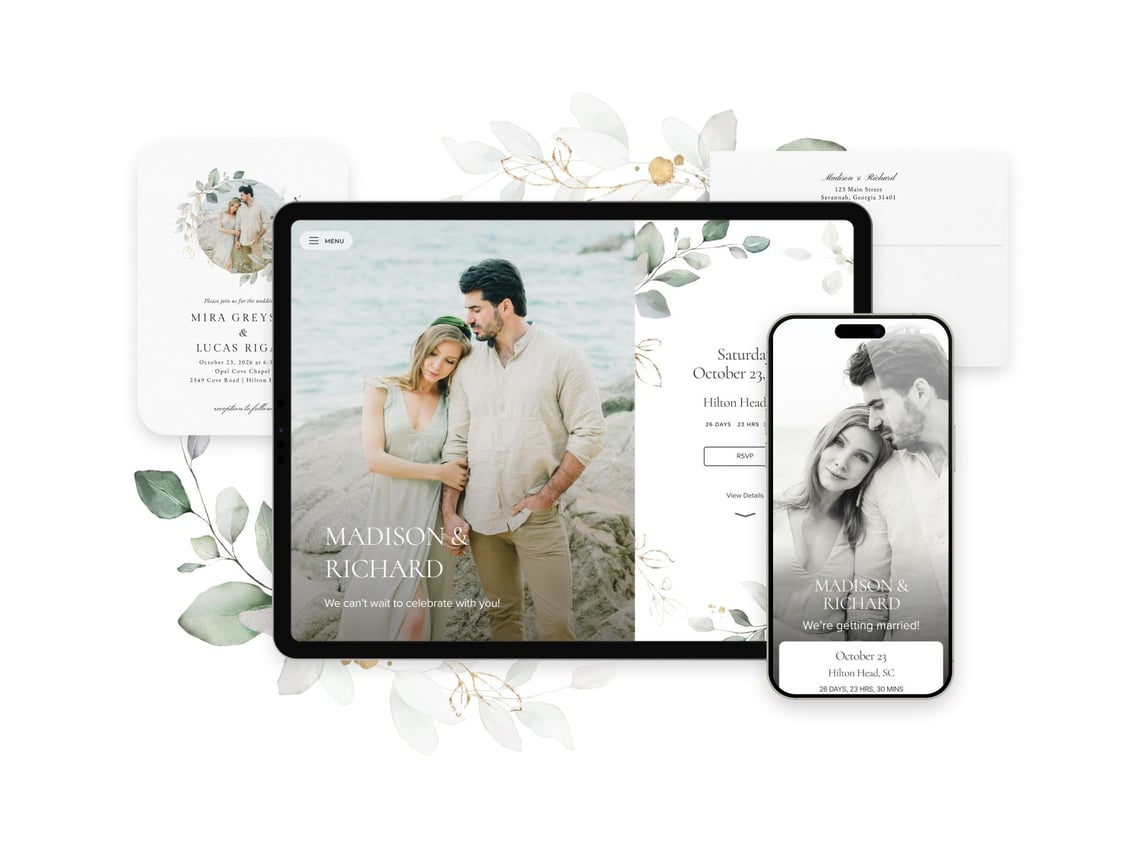
Once reserved for the bride alone, all white is having a collective moment. Nearly 90 summer 2026 celebrations on Joy specified an all-white dress code for guests, and the trend is almost entirely a passport story: 47 percent take place at international destinations, from Tuscany and the Amalfi Coast to Santorini, Punta Cana, and Bali, while another 18 percent unfold at beaches, resorts, and waterfronts. It is style as spectacle, a visual moment that works precisely because everyone is in on it together.
Joshi sees it as style turning experiential: “The all-white dress code is a perfect example of how style is becoming experiential. Nearly every white event on Joy this summer is a destination wedding or resort celebration. Couples are not just choosing a color. They are creating a visual moment that only works because everyone is in on it together.”
Themes, Personality, and a Farewell to the Boring Neutral
If there is a single through line to summer 2026, it is self-expression. Themed dress codes are proliferating with delightful specificity, from “Formal Wildflower Western: hats, boots, bolo ties!” to “Garden Tea Party: think florals and pastels” and even “Swimwear” for the poolside celebration. Garden Party remains the fastest-growing category of all, nearly doubling year over year as vineyard, botanical, and estate venues reshape what outdoor formality looks like. Sustainability threads through it too, with nature-forward aesthetics dominating couples’ 라이프스타일 and design choices alike.
The shift, Joshi says, has been swift: “Five years ago, dress codes were a formality. Now they are a creative statement. Couples on Joy are writing things like ‘Formal Wildflower Western: hats, boots, bolo ties’ or ‘Dress to impress, it might be Northern Ireland but think bright, summery and fun.’ The dress code has gone from a line on the invitation to a design decision.”
His advice to guests is simple: “If you are attending a summer wedding this year, pay close attention to the dress code. Couples are putting real thought into it. When they say ‘Garden party: bright colors encouraged,’ they genuinely want you to show up in something vibrant. Match their energy.”
The takeaway for anyone lucky enough to hold a summer invitation this year is simple: read the dress code closely, because the couple meant every word of it. When they ask for color, wear color. When they say breezy, pack the linen. This is a season that rewards showing up, fully and joyfully, as your most stylish self.
자주 묻는 질문
What are the biggest wedding trends in 2026?
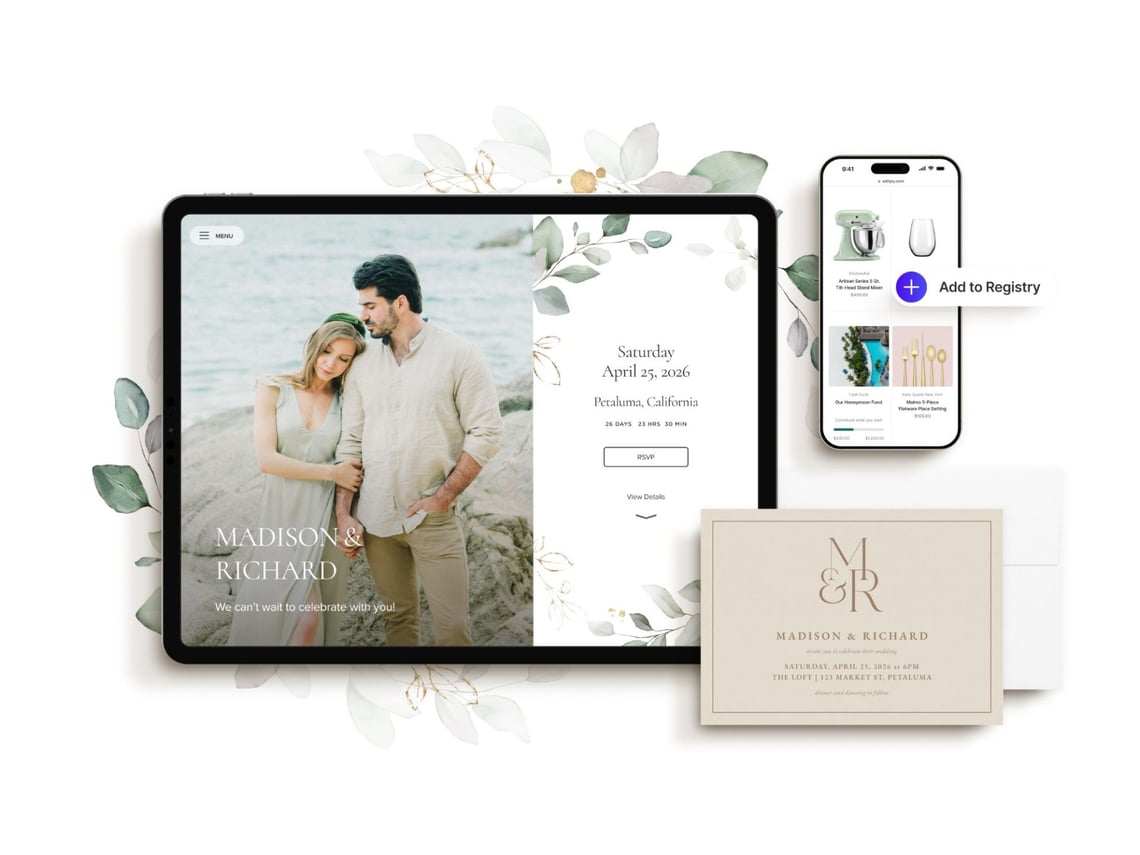
The biggest 2026 wedding trends are the wedding website as a central planning hub, experiential celebrations designed around the guest experience, experience-based registries including honeymoon and cash funds, destination and multi-day celebrations, smaller and more intimate guest counts, opalescent and nature-inspired color palettes, deconstructed timelines, statement lighting, and content creators supplementing traditional videographers.
What wedding trends are going out of style in 2026?
Wedding trends going out of 스타일 in 2026 include overly themed weddings, generic wedding favors guests do not want, rigid traditional timelines, and one-size-fits-all ceremonies that do not reflect the couple’s personality.
What colors are trending for weddings in 2026?
The top 2026 wedding color trends are opalescent and iridescent palettes, soft neutrals with warm accents (champagne, terracotta, deep navy), nature-inspired greens and muted blues, and bold jewel tones for couples who want more visual impact.
Are small weddings still trending in 2026?
Yes. Intimate weddings with smaller guest counts are a strong trend in 2026. Couples are scaling back guest lists and reinvesting the budget into higher-quality food, personalized details, and a better experience for the guests who are there.
What is a honeymoon fund registry?
A honeymoon fund is a registry option where guests contribute money toward the couple’s honeymoon instead of buying physical gifts. Couples can set up specific experiences (a cooking class, an excursion, a hotel stay) or a general travel fund. It is especially popular among couples who already live together and do not need traditional household items.