
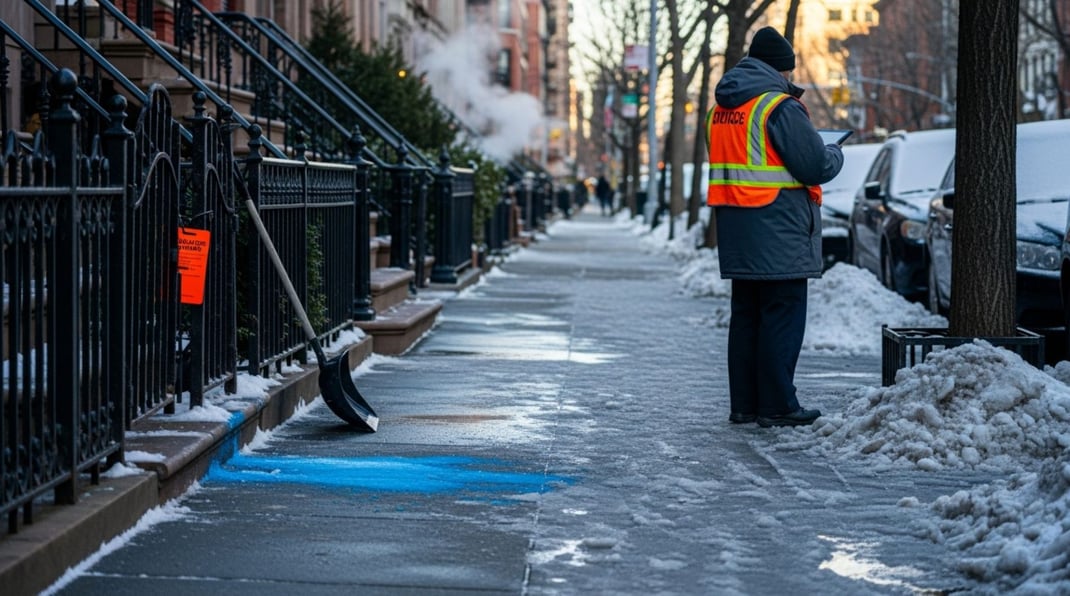

뉴욕시, 인도 제설 작업 강화로 막대한 벌금 부과
Winter in New York City is a spectacle of style and energy. The air is crisp, the streets are dusted in a magical coat of white, and chic, layered outfits become the city’s unofficial uniform. It’s a season defined by a certain kind of urban resilience, a collective hum that buzzes even as temperatures drop.
But beneath the romance lies a less glamorous reality: navigating the treacherous, uncleared sidewalks that can turn a morning commute into an obstacle course. This isn’t just an inconvenience; it’s a city-wide safety issue with serious consequences. As recent storms have shown, the Department of Sanitation has issued thousands of fines to negligent property owners, underscoring the city’s zero-tolerance policy for hazardous walkways.
Consider this your definitive guide to mastering this essential part of NYC winter life. We’re breaking down the city’s strict rules, the potential costs of ignoring them, and how to empower yourself as a pedestrian to navigate the season with both confidence and flair.
The Sidewalk Mandate: NYC’s Snow Removal Rules Explained
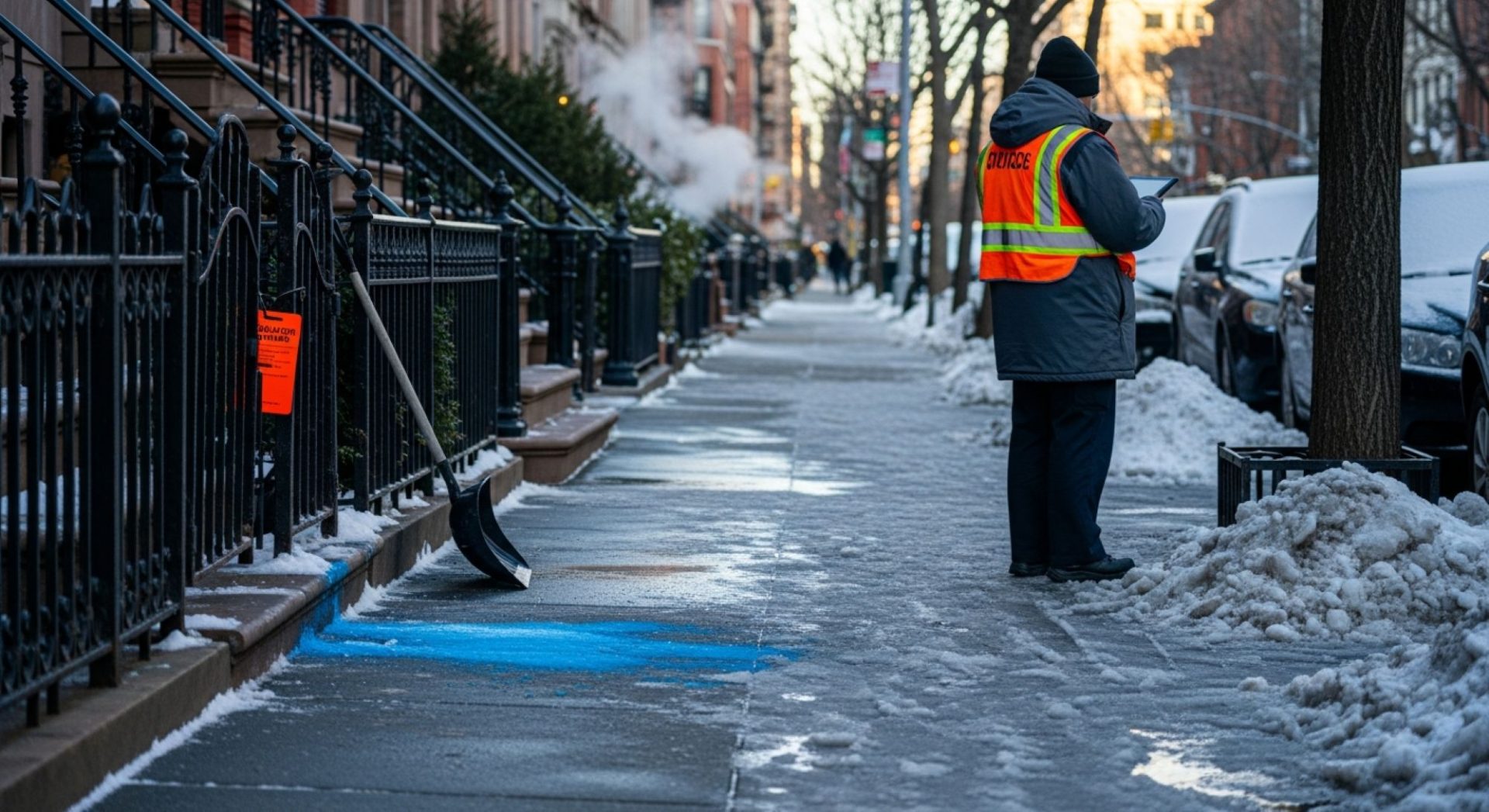
For savvy New Yorkers, understanding the city’s rhythm includes knowing the non-negotiable rules that keep it moving safely. When it comes to snow, the city’s mandate for property owners is clear and aggressively enforced. The core of the regulation is the 4-Hour Rule, which requires property owners to clear snow and ice from their sidewalks within 4 hours of a storm ending. According to the Department of Sanitation (DSNY), if the snow stops falling overnight, the deadline is 11 a.m. the following morning.
This isn’t a friendly suggestion—the DSNY is actively enforcing the mandate, issuing thousands of tickets after major snowfalls. The cost of negligence is high, with fines starting at $150 for a first offense and escalating to $350 for repeat violations. These hefty penalties reflect the city’s serious commitment to pedestrian safety and its expectation that every property owner does their part to maintain accessible public pathways.
To stay on the right side of the law and ensure community safety, property owners must adhere to several key requirements:
- Timely Clearing: All snow and ice must be removed from sidewalks within 4 hours of snowfall stopping, between 7 a.m. and 9 p.m.
- Creating a Safe Path: It’s not enough to just shovel. A path at least four feet wide must be cleared to allow for safe passage and ensure clear access to crosswalks, as required by city regulations.
- Proper Snow Placement: Shoveling snow into the street is strictly prohibited and can result in additional fines. Instead, snow should be moved to a front yard, a grassy curb strip, or behind the stoop line.
- Black Ice Prevention: The responsibility extends beyond just removing visible snow. As temperatures fluctuate, dangerous black ice becomes a major concern, and property owners are required to address these invisible hazards with salt or other de-icing agents.
The Pedestrian Playbook: Navigating Winter Streets with Style and Safety
For the daily commuter, the rules enforced upon property owners directly shape the urban landscape. The frustrations are universal and a frequent topic of conversation across the five boroughs: impassable snow mounds blocking crosswalks, hidden icy patches, and narrow, slushy pathways. The surge of 311 complaints after every major storm reflects a city of residents demanding safer conditions for their daily journeys.
This is where personal preparedness becomes paramount. Dressing for the destination is a New York art form, but in winter, dressing for the journey is a necessity. With falls being the leading cause of emergency room visits nationwide, accounting for over 8 million visits annually, the right footwear is more than a fashion statement—it’s an essential piece of safety equipment. Choosing practical yet stylish winter boots is the first step to confidently navigating the city’s post-snow terrain.
Fashion vs. Function: The Ultimate Winter Boot Guide
| Footwear Style | Style Score (1-5) | Safety/Traction Score (1-5) | The Insider Take |
|---|---|---|---|
| Insulated Snow Boots | 3 | 5 | The non-negotiable choice for navigating the city immediately after a storm. Prioritize function when conditions are hazardous. |
| Waterproof Lug-Sole Boots | 4 | 4 | The chic workhorse of a New Yorker’s winter wardrobe. Offers excellent traction and style for most post-snowfall days. |
| Classic Leather Boots | 5 | 2 | Best reserved for days when sidewalks are fully cleared and dry. A stylish option, but not for trekking through slush. |
| Heeled Fashion Booties | 4 | 1 | Strictly for indoor events or when traveling door-to-door by car. Avoid any significant walking on winter streets. |
When a Misstep Happens: Knowing Your Rights After a Fall
A slip and fall on an icy sidewalk is more than just an embarrassing moment; it can have severe and lasting consequences. These accidents can lead to serious injuries, significant time away from work, and staggering medical expenses. The average hospital cost for a slip and fall injury is between $30,000 and $40,000, and victims miss an average of 11 days of work while recovering.
It is crucial to understand that a property owner’s failure to comply with snow removal laws isn’t just a violation of a city ordinance—it’s a form of negligence. When that negligence directly causes an injury, the property owner can be held legally accountable for the resulting damages. The DSNY fines serve as documented proof that the owner failed to meet their legal duty to provide a safe environment.
In the immediate aftermath of a fall, it is vital to document the scene by taking photos of the icy or snowy sidewalk and seeking prompt medical attention for any injuries. This documentation can become critical evidence. When an injury occurs on an uncleared sidewalk, the situation can become legally complex. When do you need a slip and fall attorney? Knowing this is crucial for victims to understand their rights and explore options to secure compensation for medical bills and other damages. The team at Pianko Law specializes in these cases, guiding New Yorkers through the process of holding negligent property owners accountable.
Mastering Winter in the City
Winter in New York City demands a unique combination of style and savvy. Being aware of the city’s strict snow removal rules, choosing the right footwear for both fashion and function, and understanding your rights as a pedestrian are all part of navigating the season with unshakable confidence. This knowledge transforms the challenges of winter into manageable elements of city life.
The city’s vibrant energy doesn’t pause for the snow, and neither do its residents. Armed with this essential information, you are fully equipped to embrace the stunning beauty of a New York winter, ensuring every step you take is both safe and chic. It’s about mastering the environment, not just enduring it, and moving through the city with the grace and awareness of a true insider.