
Now entering its final weeks, this rare showing of three Monet paintings is on view through Oct. 25 at the Gibbes Museum of Art
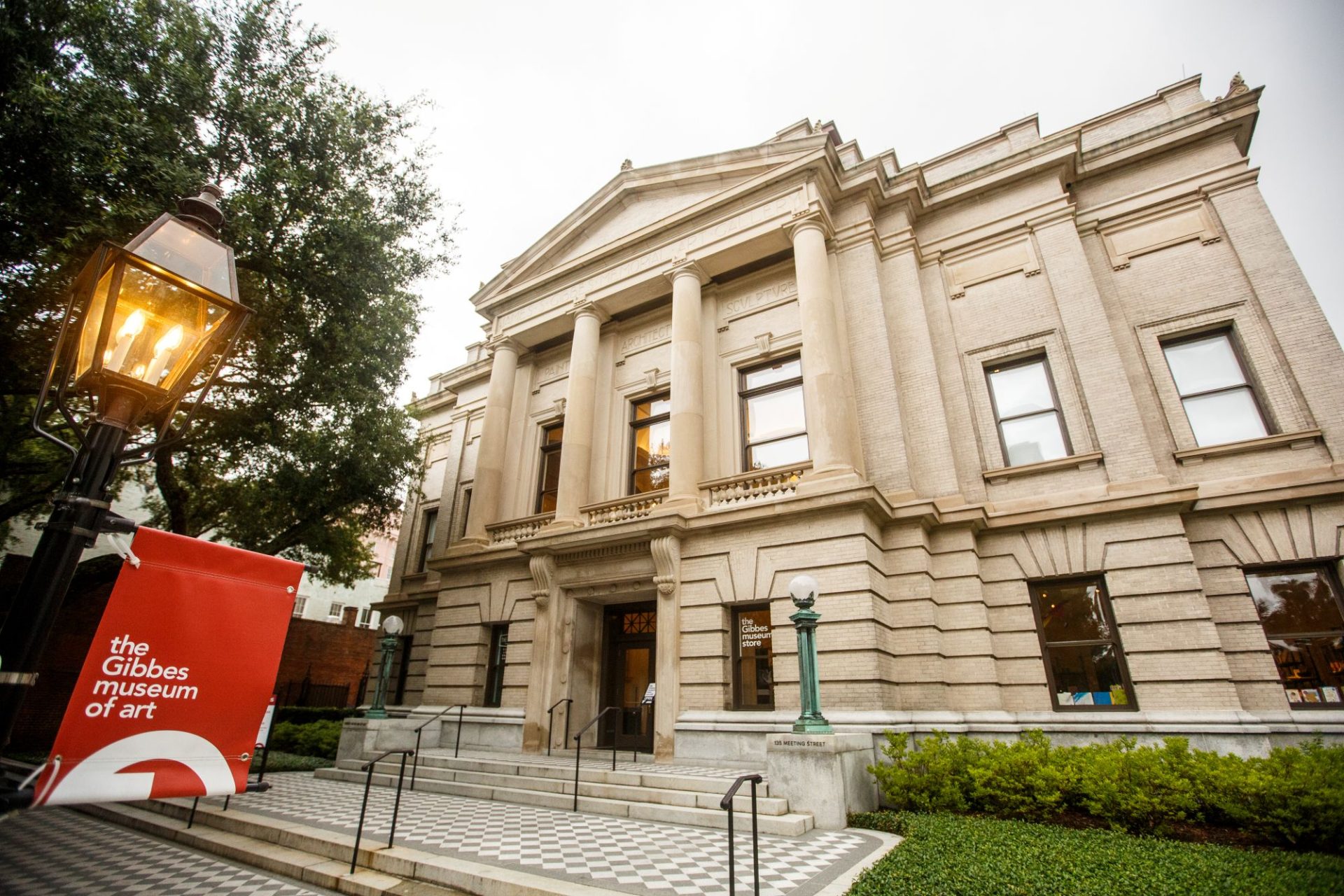
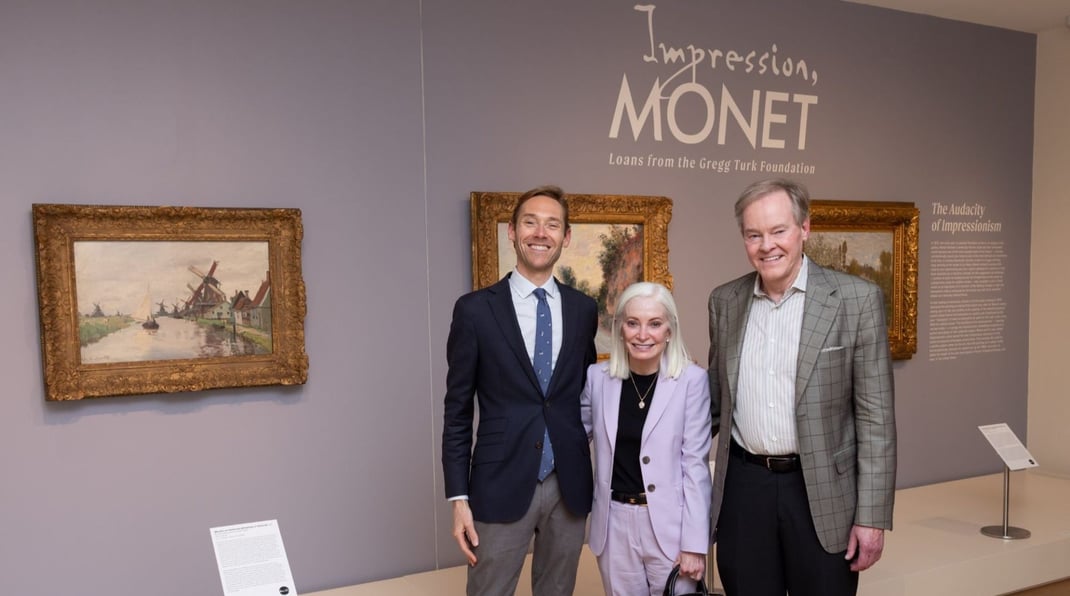
Now entering its final weeks, Impression, Monet: Loans from the Gregg Turk Foundation (on view through Oct. 25) offers visitors to the Gibbes Museum of Art the opportunity to experience three extraordinary landscapes by Claude Monet (1840–1926), the pioneering French artist celebrated as a founder of the Impressionist movement. Monet’s revolutionary approach to light, color, and atmosphere helped transform the course of modern art.
The landscapes on view date from 1871, 1872, and 1885. This is the first time Monet paintings have been exhibited in Charleston by the Gibbes. All three paintings are privately held by the Gregg Turk Foundation, on special loan to the Gibbes for this exclusive showing, with generous support from Dr. Joseph and Meghan Scalea and Kiawah Partners.
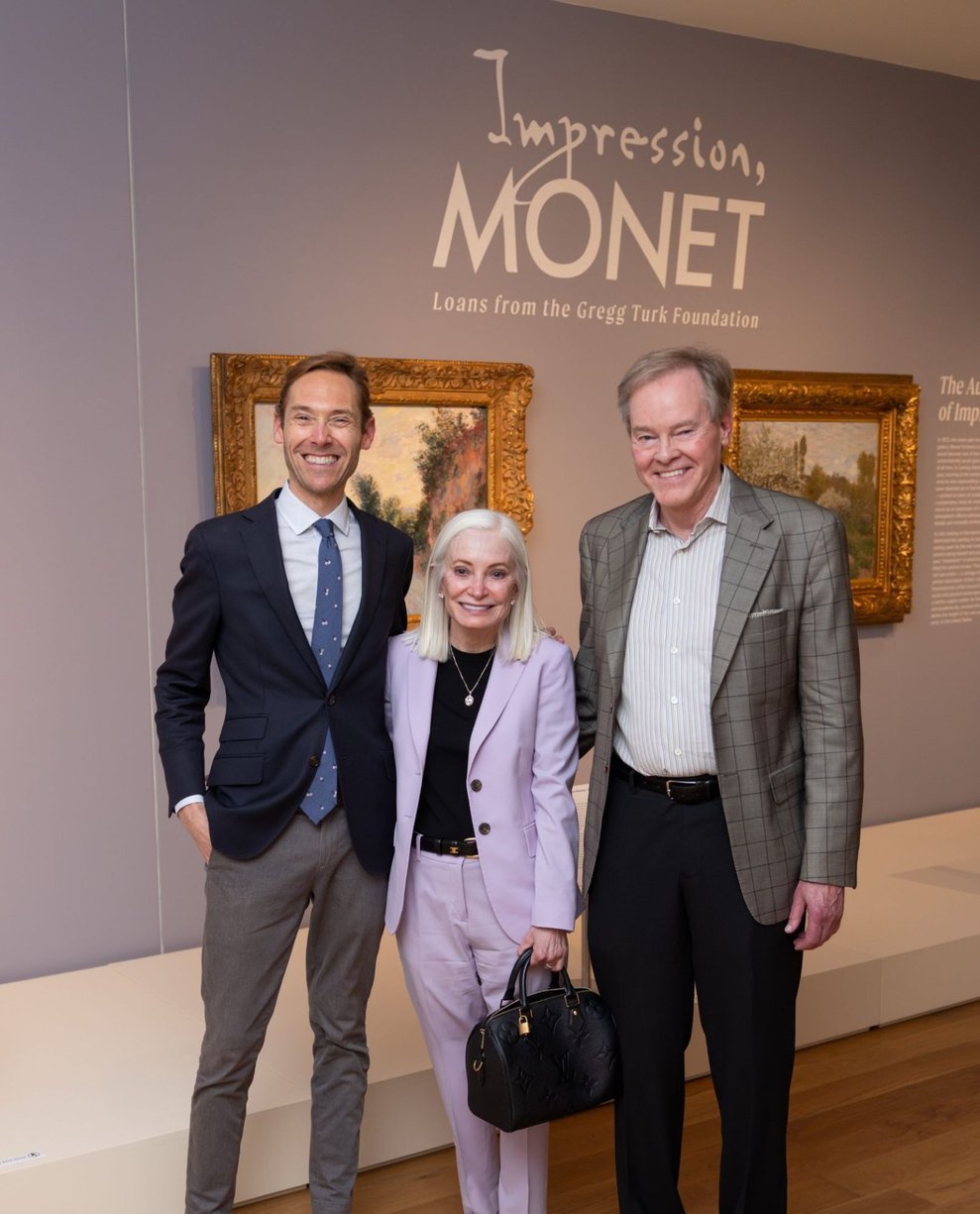
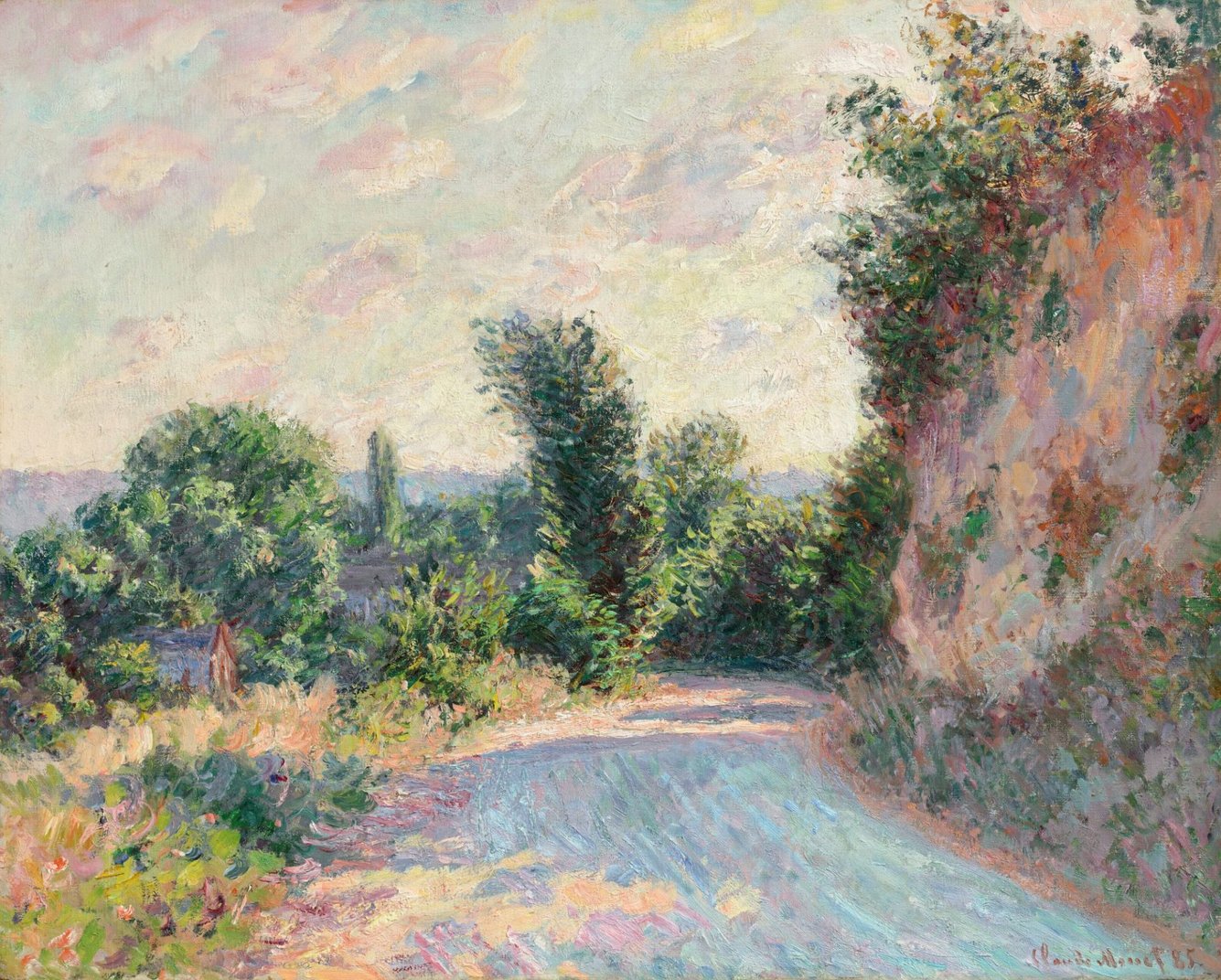
Presented at the Gibbes in recognition of the 100th anniversary of Monet’s death in 1926, Impression, Monet brings together three privately held landscapes painted at pivotal points in Monet’s career – Moulins en Hollande (1871), Pommiers en Fleurs (1872), and Route près de Giverny (1885) – spanning more than a decade of the artist’s development.
“We are thrilled to showcase these rarely seen works by Claude Monet at the Gibbes Museum of Art,” says Dr. H. Alexander Rich, the President and CEO of the Museum. “The response has been outstanding from art lovers in our community and from the many visitors to Charleston.” The exhibition also explores the artist’s enduring legacy and the catalytic impact of his creative vision on both sides of the Atlantic by engaging Monet’s paintings in conversation with selections from the Gibbes Museum’s permanent collection, illuminating his profound influence on American art and artists, including William Merritt Chase, Robert Henri, Childe Hassam, William H. Johnson, and Edmund Charles Tarbell.
“Impression, Monet: Loans from the Gregg Turk Foundation at the Gibbes Museum of Art presents the brilliance of Claude Monet within our galleries for the first time,” adds Dr. Rich. “The exhibition examines not merely Monet’s art historical legacy (100 years after his death), but also his resounding impact on art. A century after his passing, Monet continues to inspire audiences as the world’s most celebrated Impressionist painter.”
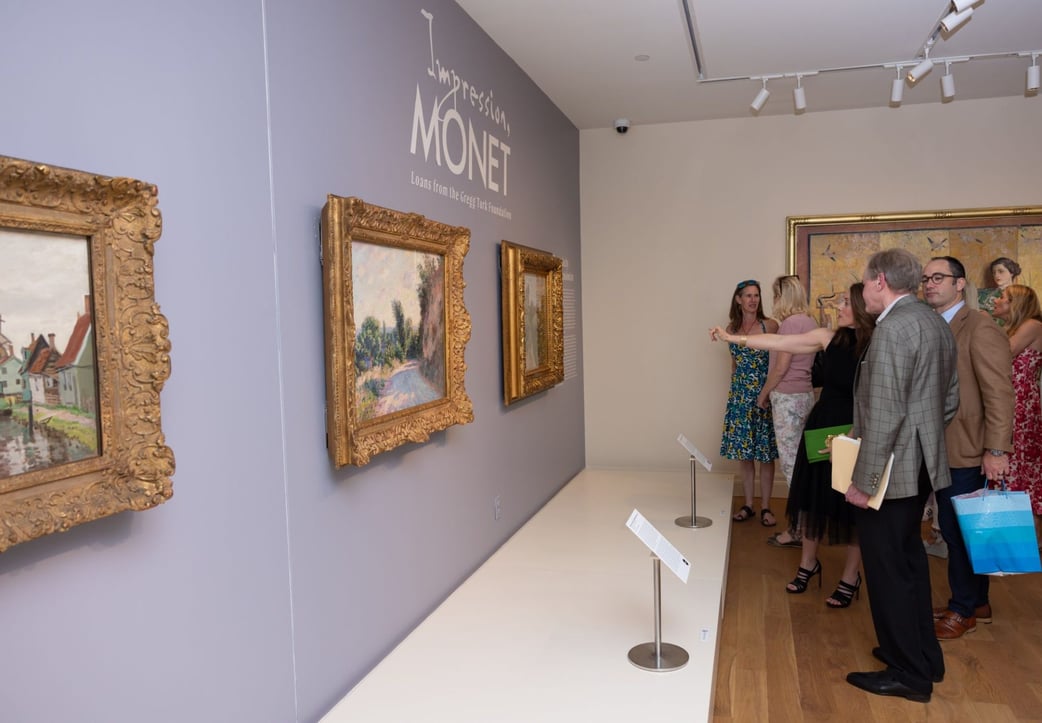
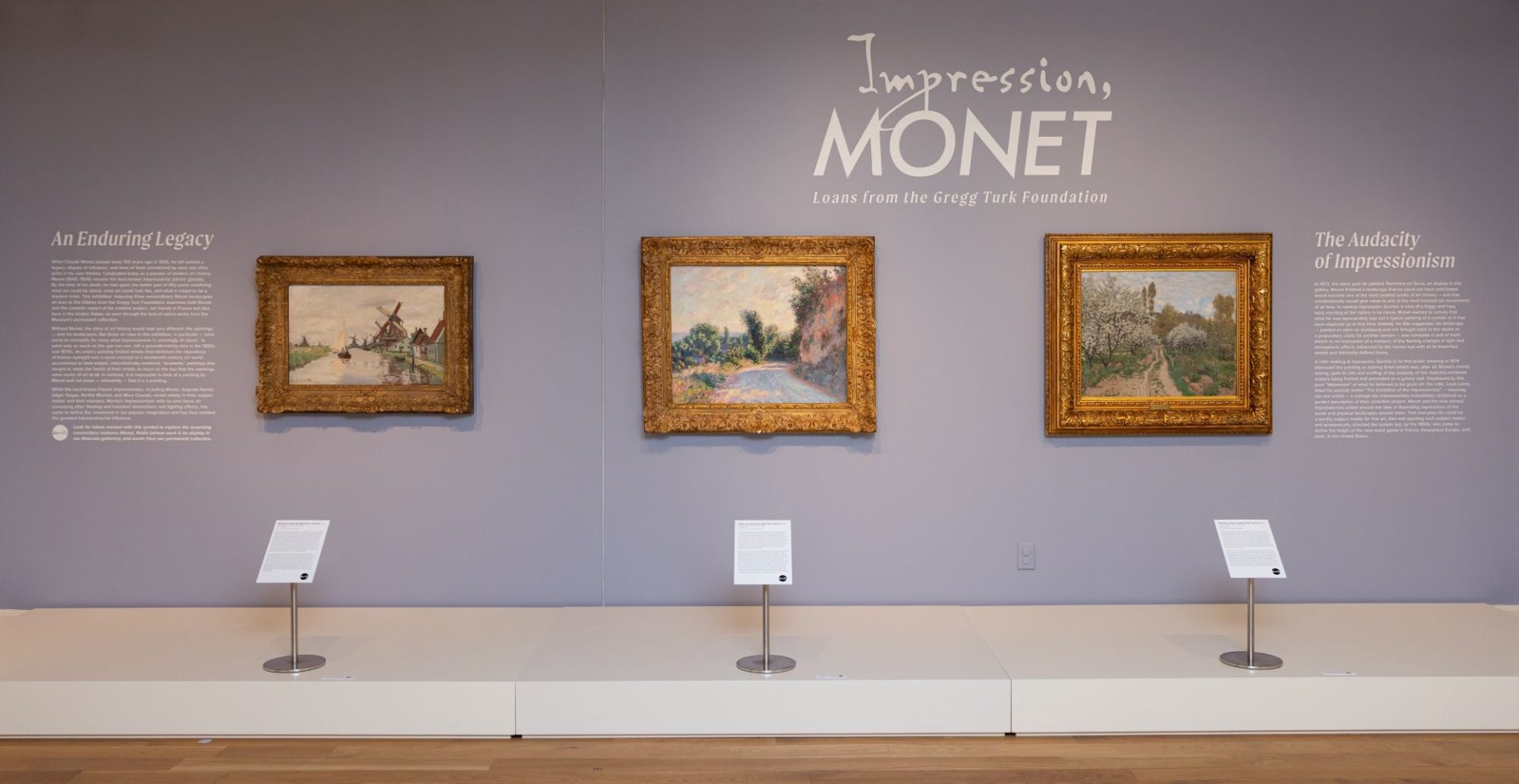
By the time of his death in 1926, Monet had spent the better part of fifty years redefining what art could be about, what art could look like, and what it meant to be a modern artist. His paintings – and his landscapes, like those on view in this exhibition, in particular – have come to exemplify for many what Impressionism is seemingly all about: to paint only as much as the eye can see, still a groundbreaking idea in the 1860s and 1870s. Monet’s Impressionism, with its core focus on conveying often fleeting atmospheric and lighting effects, has come to define the movement in our popular imagination and has had the greatest intercontinental influence.
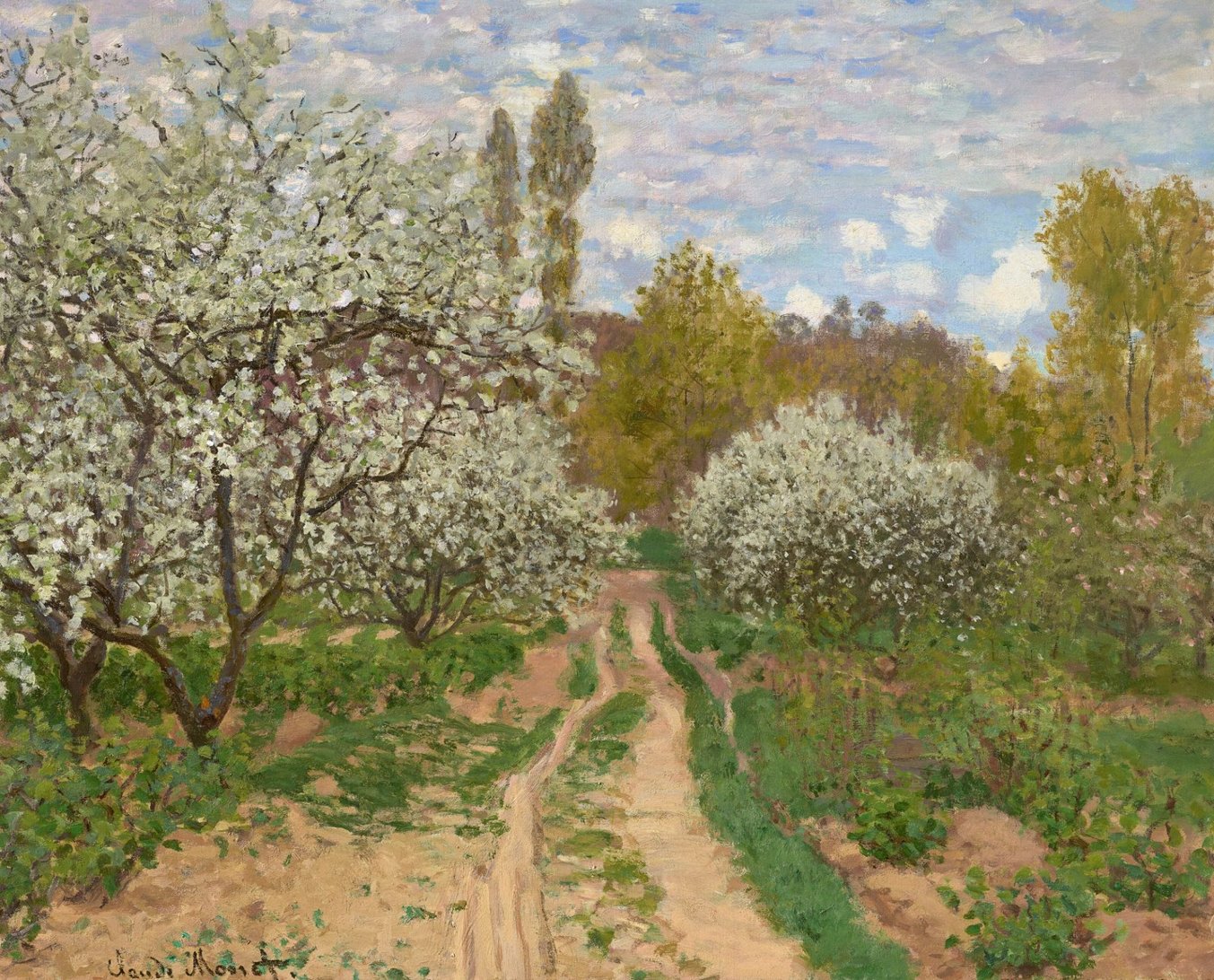
One of the three paintings at the Givens, Pommiers en Fleurs (shown above), was created in 1872 – the same year Monet completed his seminal painting titled Impression, Sunrise. Painted en plein air, or outdoors, Impression, Sunrise sought to capture a moment rather than present a meticulously finished landscape. When the painting was publicly exhibited in 1874, critic Louis Leroy seized upon its title in a satirical review and derisively referred to the participating artists as “Impressionists.” The artists soon embraced the name “Impressionists” themselves, and a term originally intended as criticism came to identify one of the most consequential movements in modern art.
Monet and the now-named Impressionists united around the idea of illustrating impressions of the social and physical landscapes around them. Everyday life and the changing social and physical landscapes around them became worthy subjects for fine art, while visible brushwork, shifting light, and minimally defined forms rejected the highly finished academic tradition. Initially shocking to the art establishment, Impressionism emerged by the 1880s as a leading avant-garde force in France and across Europe, soon exerting a powerful influence in the United States.
“Everyone discusses my art and pretends to understand, as if it were necessary to understand, when it is simply necessary to love,” Monet once said – a sentiment that resonates with an artist whose paintings continue to captivate audiences a century after his death.
About the Gibbes Museum of Art
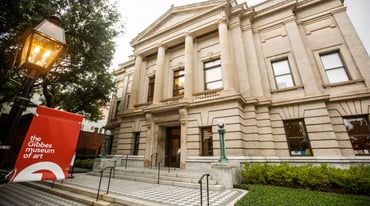
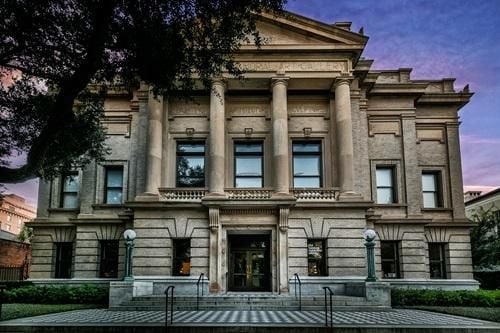
The Gibbes Museum of Art, a beacon of arts and culture in the American South since 1858, when the Museum’s art collection was founded as the Carolina Art Association, is heralded as one of the earliest and longest-standing arts institutions in the United States.
The Museum’s collection spans 350 years and features some of the country’s most celebrated artists, including contemporary, modern, and historical works.
With world-class rotating exhibitions and a dynamic visiting artist residency program, the Gibbes is a southern museum with a global perspective. The Museum’s mission is to enhance lives through art by engaging people of every background and experience with art and artists of enduring quality, providing opportunities to learn and discover and to enjoy and be inspired by the creative process.