
If you’ve ever ordered a custom hoodie, T-shirt, or sweatshirt, you’ve faced the same question: embroidery or print? Both techniques can produce striking results, but they behave very differently over time, and choosing the wrong one can leave you with a design that looks great in the parcel and disappointing after a few washes. Here’s a plain-English breakdown of what each method actually involves and which one is likely to suit you best.
How Embroidery Works
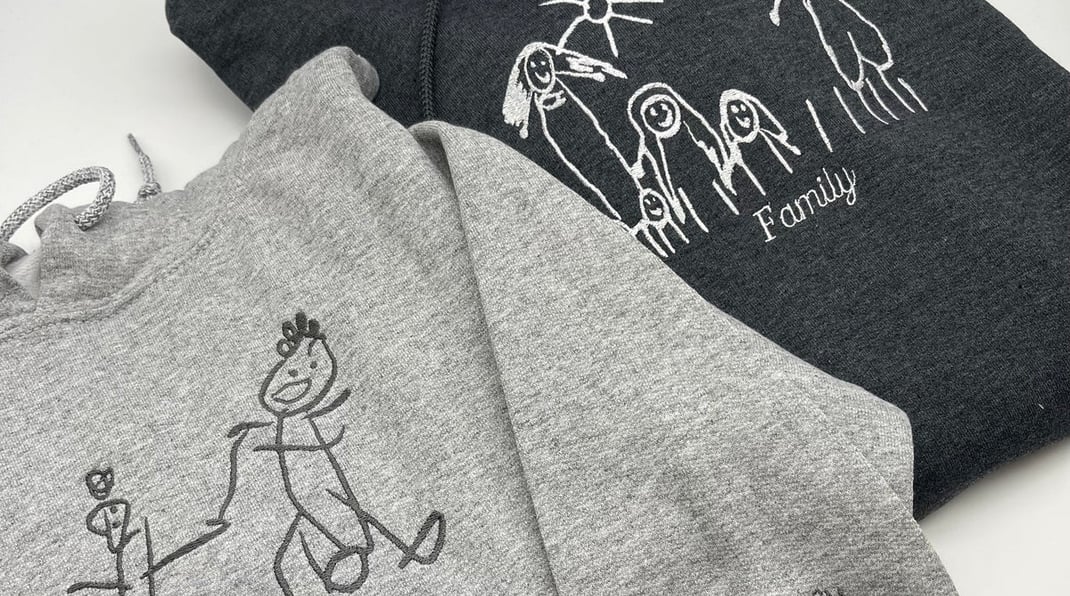
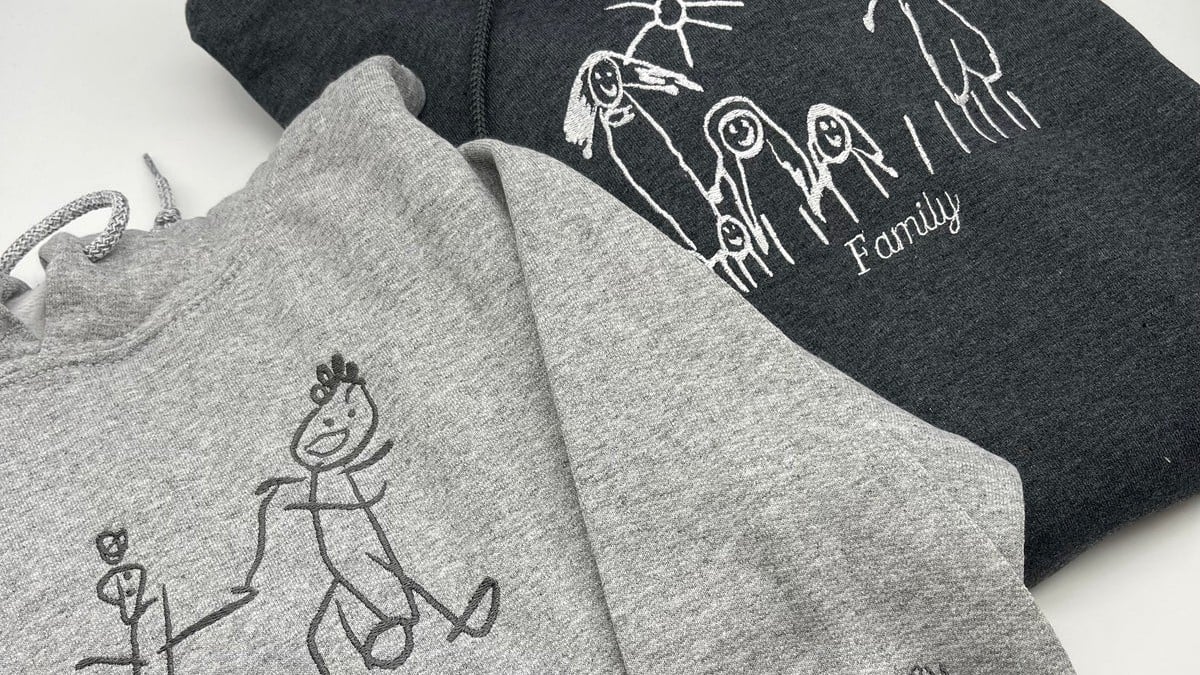
Embroidery uses a needle and thread to stitch a design directly into the fabric of a garment. Modern embroidery is typically done by computer-controlled machines that follow a digitised pattern, resulting in extremely precise and detailed work. The thread is actually woven into the garment’s fibres, meaning the design becomes part of the fabric.
This is how traditional embroidery has always worked, whether it was done by hand in the 16th century or by a high-speed machine in a UK studio today. Brands like Sketch and Stitch use precisely this approach, digitising your photos, pet portraits, or custom text and stitching them directly into premium-quality garments from their UK studio.
How Printing Works
All of these methods apply the design to the top of the fabric rather than integrating it into the fibres. That distinction matters more than it might seem at first. Compare a printed garment side by side with an embroidered picture sweatshirt, and the difference is immediately apparent; the stitched design has texture, depth, and a handcrafted quality that no ink-on-fabric process can replicate.
Durability: The Key Difference
Here’s where embroidery and printing diverge most significantly. Because embroidery is stitched into the fabric, it holds up extremely well over time. Regular washing, tumble drying, and everyday wear have very little impact on the design. An embroidered hoodie from a quality UK studio can easily last years, possibly decades, without any visible deterioration in the stitching.
Printed designs, by contrast, sit on top of the fabric and are vulnerable to wear and tear from regular use. Screen prints can crack and peel. DTG prints can fade. Heat transfers are particularly prone to lifting at the edges after repeated washing. This doesn’t mean printed clothing is necessarily poor quality — a well-executed screen print on a quality garment can look excellent for a reasonable period, but it will not outlast a good embroidery job.
Detail and Design Complexity
This is an area where printing has a genuine advantage. Because ink can replicate photographs, gradients, and extremely fine detail, printing is the better option if you want a design with multiple shades, photographic realism, or very small, intricate elements.
Embroidery, however, has its own aesthetic strengths. The texture of the thread adds dimension and depth that printing simply cannot replicate. A beautifully embroidered design, particularly a photo outline or a line-art piece, has a handcrafted, premium quality that stands out. Many people who initially think they want a printed garment are won over when they see an embroidered alternative in person.
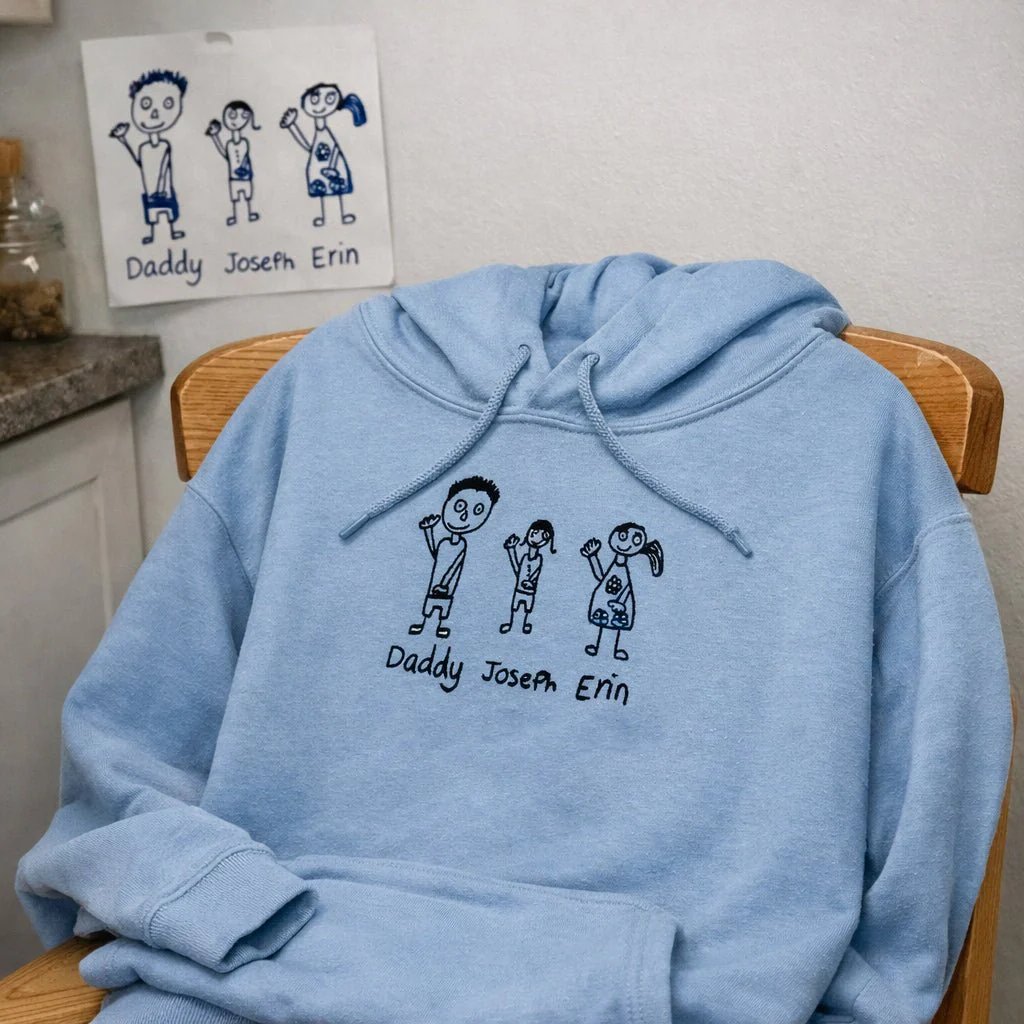
Modern embroidery studios have also become increasingly sophisticated at handling detailed designs. Techniques like outline stitching can capture a photograph or a child’s drawing with remarkable accuracy, making embroidery a more versatile option than it was even five years ago.
Cost Considerations
Generally speaking, embroidery costs more than basic printing, particularly for one-off or small-quantity orders. The digitisation of a design (converting it into a file that an embroidery machine can follow) takes time and expertise. The stitching process itself is slower than running a garment through a DTG printer.
That said, when you factor in longevity, the cost comparison shifts. A printed garment that needs replacing after 18 months works out more expensive in the long run than an embroidered piece that lasts for years. If you’re buying a personalised gift or treating yourself to something you’ll genuinely keep, embroidery tends to represent better value over time.
Which Should You Choose?
The honest answer is: it depends on what matters most to you. Here’s a simple way to think about it:
- Choose embroidery if you want a lasting, premium finish that won’t fade or peel, and you’re happy with a design that suits thread-based rendering (outlines, text, initials, portraits).
- Choose printing if your design requires photographic realism, multiple gradients, or a very large surface area, and longevity is less of a priority.
- Choose embroidery for gifts; the texture and quality of stitched clothing communicate care and craftsmanship in a way that printing rarely does.
- Choose embroidery for hoodies and sweatshirts specifically, where the fabric is thick enough to carry the weight of the thread comfortably, and the resulting texture looks particularly striking.
結論
Both embroidery and printing have their place in custom clothing. But if you’re looking for something that will stand the test of time, feel premium in the hand, and carry genuine sentimental or personal value, embroidery is the clear choice. It’s not just a technique; it’s a commitment to quality that you can see and feel every time you wear the garment.
As more UK shoppers look to move away from disposable fashion and towards pieces they’ll actually keep, it’s no coincidence that embroidered personalised clothing is having its moment. Some things genuinely are worth doing properly, and when it comes to custom clothing, embroidery is exactly that.