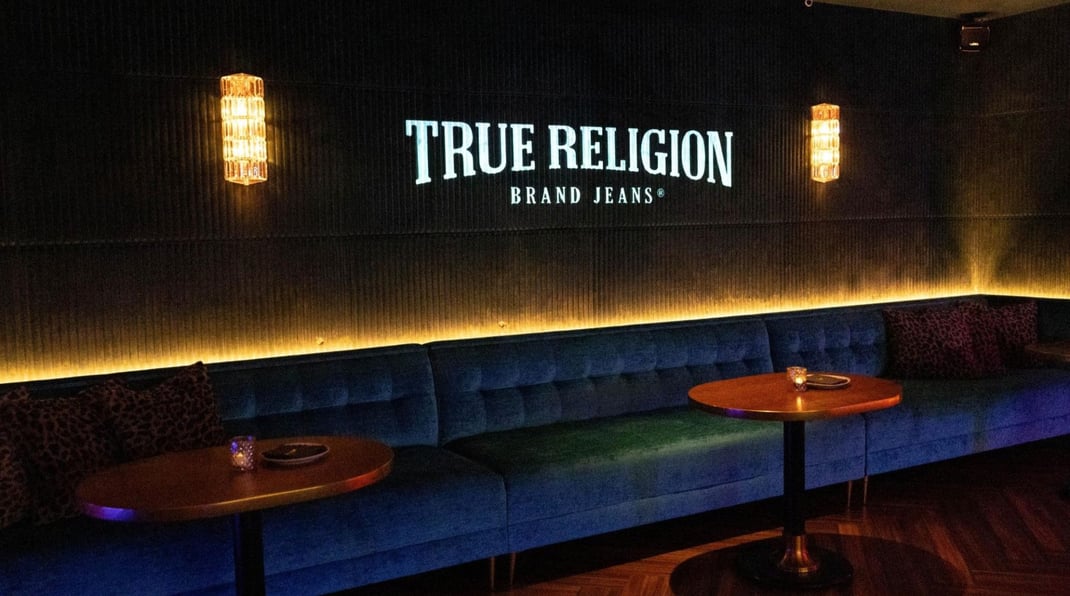

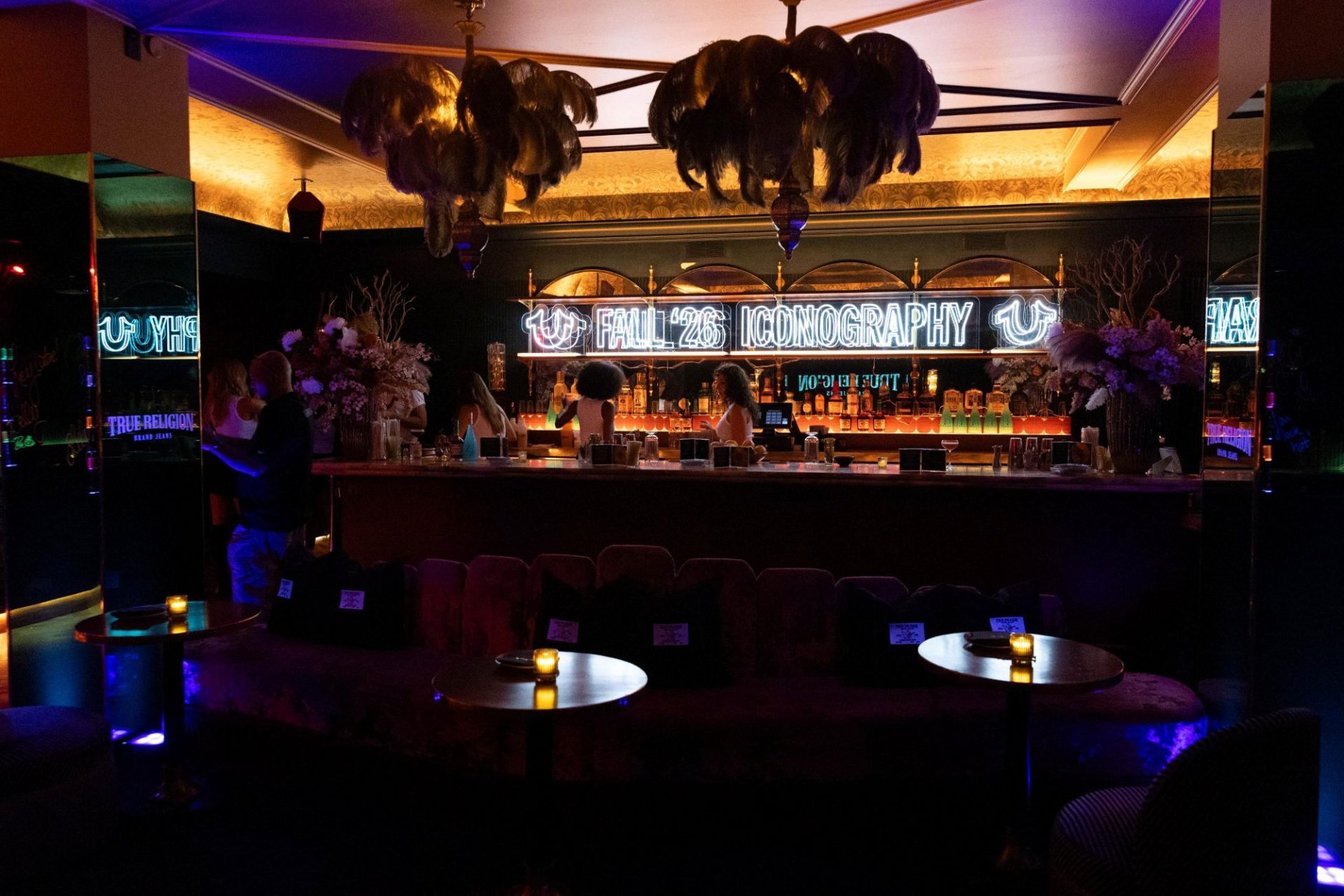
On Sunday, September 13th, True Religion brought the aughts back to NYFW, taking over Flyfish for “Iconography: That Was Then, This Is Now” and bringing together the icons who defined the era with the artists, creators, and cultural names defining what’s next.
Dès Dior hit the stage, Joey Bada$$ pulled up fresh off his sold-out run at New York’s Blue Note, and Fabolous surprised the room with an unannounced set. Then came the moment nobody saw coming: Ja Rule joined Fab at the DJ booth for “Ride for This.”
But there was history behind the night. Twenty-five years ago, Hpnotiq was preparing to launch to the world as the sponsor of Fabolous’ highly anticipated debut album, Ghetto Fabolous, at his release party on September 11, 2001. The celebration never happened. Last night, True Religion finally brought that unfinished New York moment to life: Hpnotiq behind the bar, Fab and Ja together, and a room that connected two generations of moda, music, and New York culture.
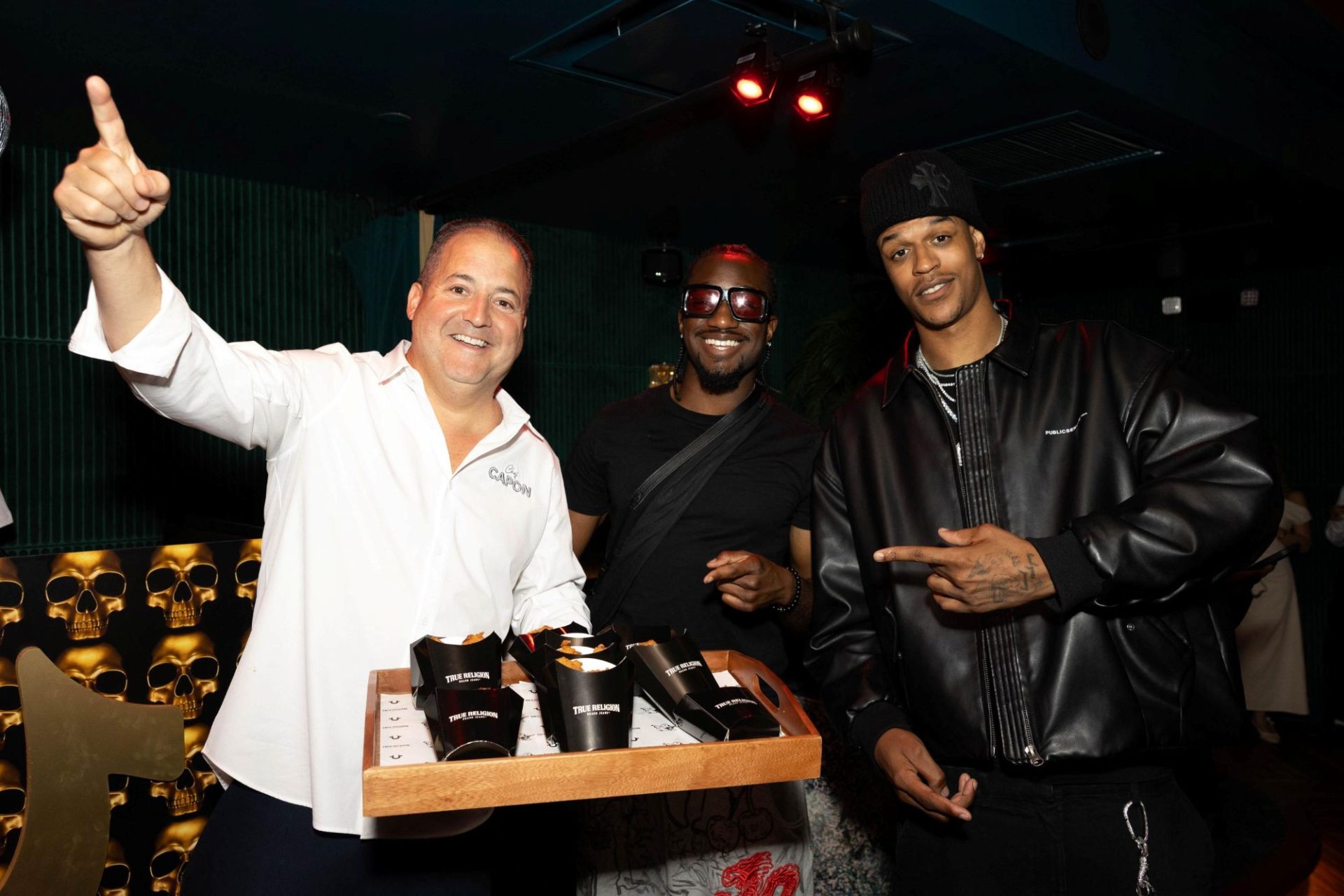
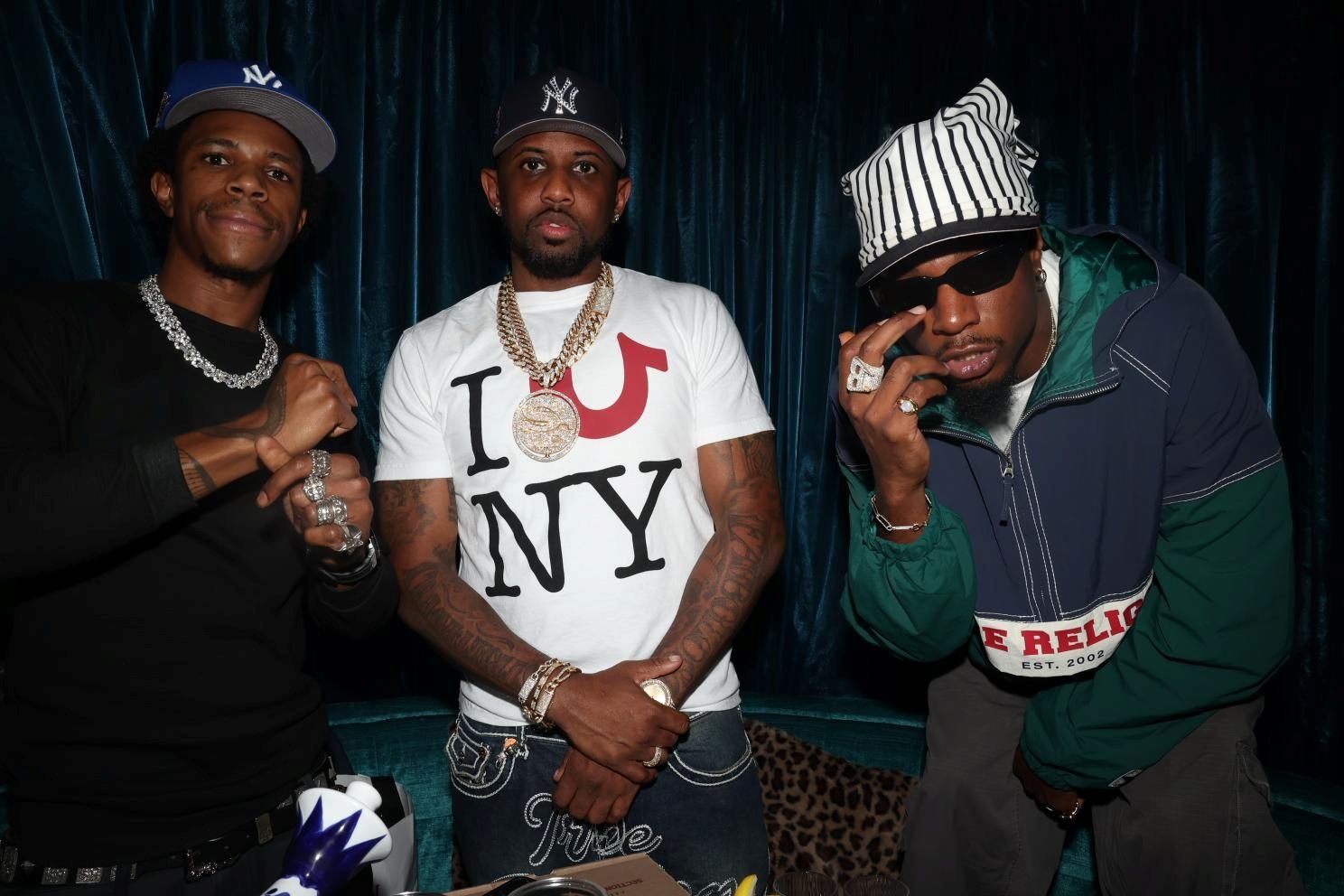
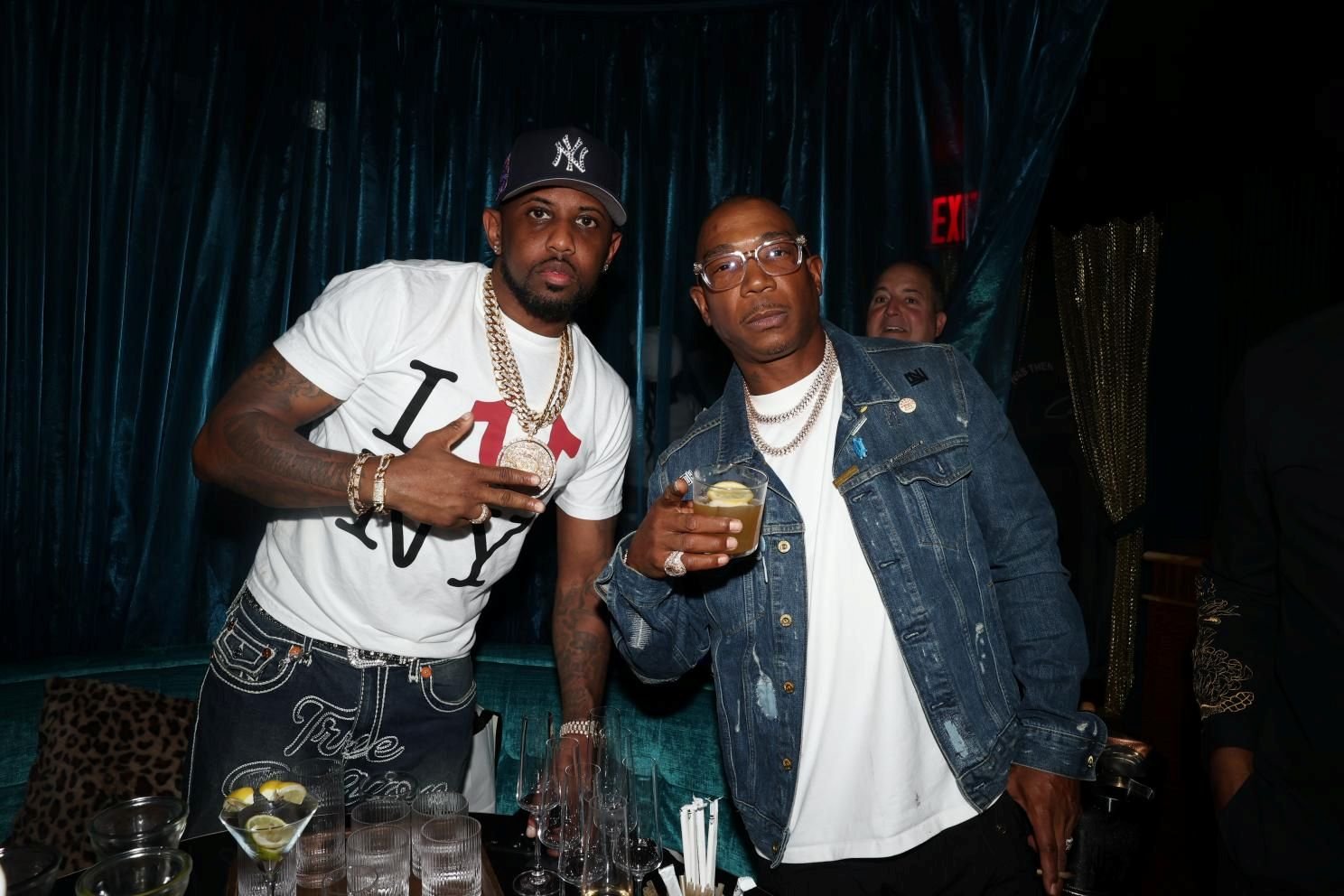
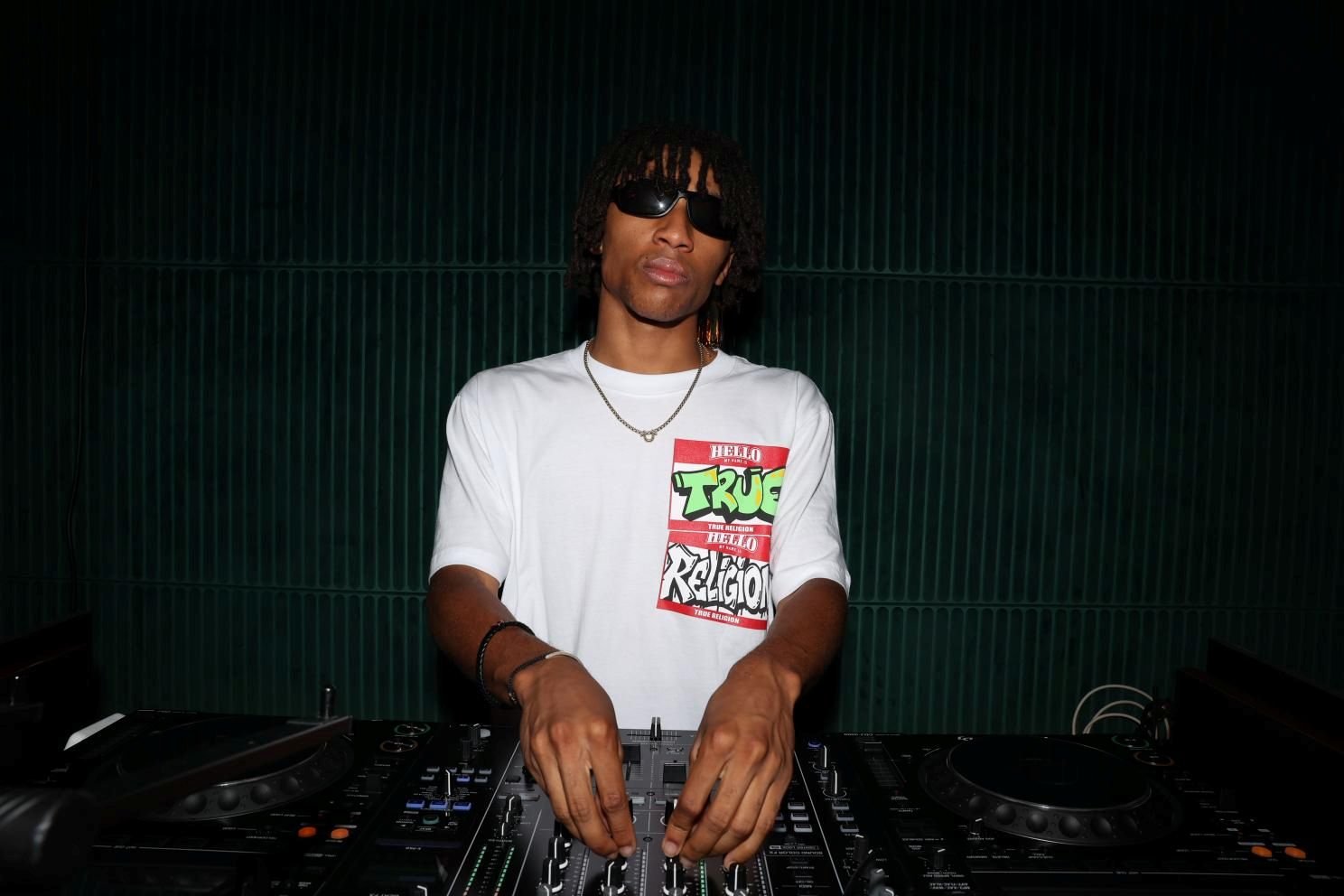
Attendees included Brooklyn rap icon Fabolous; Grammy-nominated rapper Ja Rule; Brooklyn rapper and actor Joey Bada$$; rapper and actor Dave East; multi-platinum rapper A Boogie wit da Hoodie; New York rapper Cash Cobain; rising rapper Dess Dior; Afrobeats superstar Davide; rising DJ DJ Chron; model and creative Julez Smith; the Combs Twins; Bronx rapper Fergie Baby; rapper Trim, known for his viral track “Coconut Water”; entrepreneur and influencer Jayda Cheaves; basketball players Shareef O’Neal and Shaqir O’Neal; DJ star Myles O’Neal; model and content creator Azzy Milan; Brooklyn hip-hop collective group 41; and former UFC welterweight champion Tyron Woodley, tra gli altri.
Guests and talent also stepped inside the True Religion gifting suite, where they were gifted and styled in pieces from True Religion’s Fall 26 Iconography capsule collection starring music star Cash Cobain and entrepreneur Jayda Cheaves. From fragrance to accessories and men’s and women’s wear, you can shop the looks here, including the No. 1 Logo Denim Print Bomber Jacket for him and matching sets like the Becca Low Rise Big T Cargo Bootcut Sweatpant for her.
True Religion didn’t recreate the aughts. It gave an unfinished New York moment the night it never had, 25 years later.
That was then. This is now.
The Evolution of Denim as Cultural Currency
True Religion’s presence at New York Fashion Week signals a broader shift in how heritage denim brands navigate relevance in a market dominated by fleeting trends. Founded in 2002, the label became synonymous with the premium denim boom of the early aughts, defined by its signature horseshoe stitching and exaggerated silhouette. Two decades later, the brand is not merely relying on nostalgia; it is actively recontextualizing its archive for a generation that views Y2K aesthetics through a curated, referential lens. The Fall 26 Iconography capsule exemplifies this strategy, blending archival proportions with updated fabrications that speak to contemporary styling sensibilities.
This approach positions denim as a living archive rather than a static category. By anchoring the collection in a specific cultural moment-the unrealized 2001 album release party-True Religion transforms product placement into storytelling. The bomber jacket and cargo bootcut sweatpants are not simply garments; they are artifacts of a narrative that connects hip-hop’s golden era to today’s genre-fluid landscape. For a global audience fluent in the visual language of music and fashion crossover, this methodology resonates across borders, translating New York street credibility into international commercial viability.
Flyfish Club and the New Paradigm of Exclusive Hospitality
The choice of Flyfish Club as the venue underscores a pivotal evolution in how fashion activations intersect with technology and membership culture. As the world’s first NFT-gated private dining club, Flyfish represents a new frontier of exclusivity where access is tokenized and community is blockchain-verified. True Religion’s takeover of this space signals an alignment with Web3-native audiences who value digital provenance as much as physical craftsmanship. The venue’s intimate, speakeasy atmosphere contrasted sharply with the spectacle of traditional runway presentations, favoring immersion over observation.
This strategic venue selection reflects a sophisticated understanding of modern luxury consumption. Attendees-ranging from legacy artists like Fabolous and Ja Rule to digital-first creators like DJ Chron and the 41 collective-navigated a space where analog performance met digital membership. The gifting suite, stocked with the Iconography capsule, functioned as a physical redemption layer for a brand increasingly engaged in phygital strategies. By hosting the event at Flyfish, True Religion positioned itself at the intersection of heritage Americana and decentralized culture, a coordinates few legacy denim labels have successfully navigated.
Intergenerational Dialogue on the Dancefloor
The evening’s most compelling dynamic was the unscripted interplay between artists separated by two decades of hip-hop evolution. When Ja Rule joined Fabolous at the DJ booth for “Ride for This,” the moment transcended performance; it became a living bridge between the Murder Inc. era and the current Brooklyn drill and Afrobeats-influenced soundscape represented by Cash Cobain and Davido. Joey Bada$$’s set, fresh from a jazz-inflected residency at the Blue Note, added a layer of musical sophistication that reminded attendees of hip-hop’s expanding artistic boundaries.
This intergenerational exchange extended beyond the stage. The attendee roster-spanning Shaqir and Shareef O’Neal, Jayda Cheaves, and Tyron Woodley-illustrated a cultural Venn diagram where sports, entrepreneurship, modeling, and music converge. True Religion facilitated a rare environment where legacy icons and rising stars occupied the same VIP sections, wore the same capsule pieces, and documented the night on the same platforms. In doing so, the brand validated a continuum of New York cool that refuses to be segmented by era. The message was clear: authenticity does not expire; it compounds.