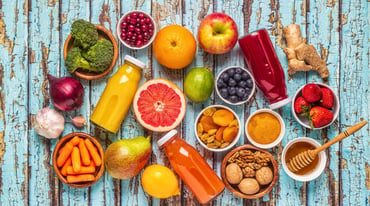

Sugar is a prevalent ingredient in many processed foods and beverages, contributing to an array of health issues such as obesity, type 2 diabetes, and heart disease. With the average person consuming far more sugar than recommended, making small changes to reduce sugar intake can have significant health benefits. If you’re looking to reduce sugar in your diet, here are some practical tips to help you cut back without feeling deprived.
Read Nutrition Labels Carefully
One of the easiest ways to identify hidden sugar in foods is by reading the nutrition labels. Even healthy foods, like yogurts, granola bars, or salad dressings, may contain added sugars. In the ingredients list, sugar may appear under many names, including high-fructose corn syrup, cane sugar, honey, agave nectar, and maple syrup. By getting familiar with these names, you can be more conscious of how much sugar you consume. Additionally, pay attention to the serving size, as products may have more sugar than you realize per serving.
Avoid Sugary Beverages
Sugary drinks like soda, sweetened coffee, and energy drinks are some of the biggest sources of added sugars in people’s diets. A single can of soda can contain up to 40 grams of sugar, which is more than the recommended daily limit for women. Opt for water, herbal teas, or sparkling water with a splash of lemon to hydrate without the sugar overload. If you crave something sweet, try infusing your water with fruits like berries or citrus for a naturally flavored alternative.
Opt for Whole Fruits Over Fruit Juices
While fruit juices seem healthy, they are often packed with sugar and lack the fiber in whole fruits. Fiber is important because it helps slow down the absorption of sugar into your bloodstream, reducing blood sugar spikes. Eating whole fruits like apples, berries, oranges will satisfy your sweet tooth and provide valuable nutrients and fiber. If you drink juice, ensure it’s 100% fruit juice with no added sugars, and limit your intake.
Use Natural Sweeteners
If you want to satisfy your sweet cravings, consider using natural sweeteners like stevia, monk fruit, or erythritol. These alternatives are low or zero-calorie and do not cause the same blood sugar spikes as refined sugar. For baking, you can use unsweetened applesauce, mashed bananas, or dates to provide natural sweetness without the need for extra sugar. These options also add extra nutrients to your recipes.
Be Mindful of Sauces and Condiments
Many savory foods contain added sugars, often in sauces or condiments. Ketchup, BBQ sauce, and some salad dressings are notorious for their sugar content. You can reduce sugar using smaller amounts of these condiments or make your own at home using simple ingredients like vinegar, mustard, and herbs. A fresh homemade pesto or guacamole can be a sugar-free alternative to store-bought sauces.
Cook More at Home
Cooking at home gives you full control over what goes into your meals. Many restaurant and take-out dishes, even savory meals, are laden with added sugars. By cooking at home, you can experiment with different spices and natural sweeteners to reduce your sugar intake. Preparing meals from scratch also allows you to incorporate whole, unprocessed ingredients, typically with little to no added sugar.

Choose Unsweetened Snacks
Processed snacks, such as granola bars, flavored yogurts, and breakfast cereals, often contain excessive amounts of sugar. Look for unsweetened or lightly sweetened versions of these products. For example, choose plain Greek yogurt and add your own toppings like fresh fruit, nuts, or a drizzle of honey if desired. This way, you control how much sugar is added, ensuring it stays within a healthy limit. You can even buy sugar-free chocolates if you are craving a cocoa-based snack.
Gradually Reduce Sugar Intake
One of the most effective strategies for cutting sugar is gradually reducing your intake. Sudden elimination of sugar can lead to intense cravings and feelings of deprivation. Start by reducing the sugar you add to your coffee or tea, or cut back on your dessert portion. Slowly train your palate to enjoy less sweetness; over time, you’ll need less sugar to satisfy your cravings.
Reducing sugar in your diet doesn’t have to be difficult, and you don’t need to deprive yourself of sweet treats altogether. By being mindful of your food choices and making gradual changes, you can reduce sugar intake while enjoying delicious, satisfying meals.