
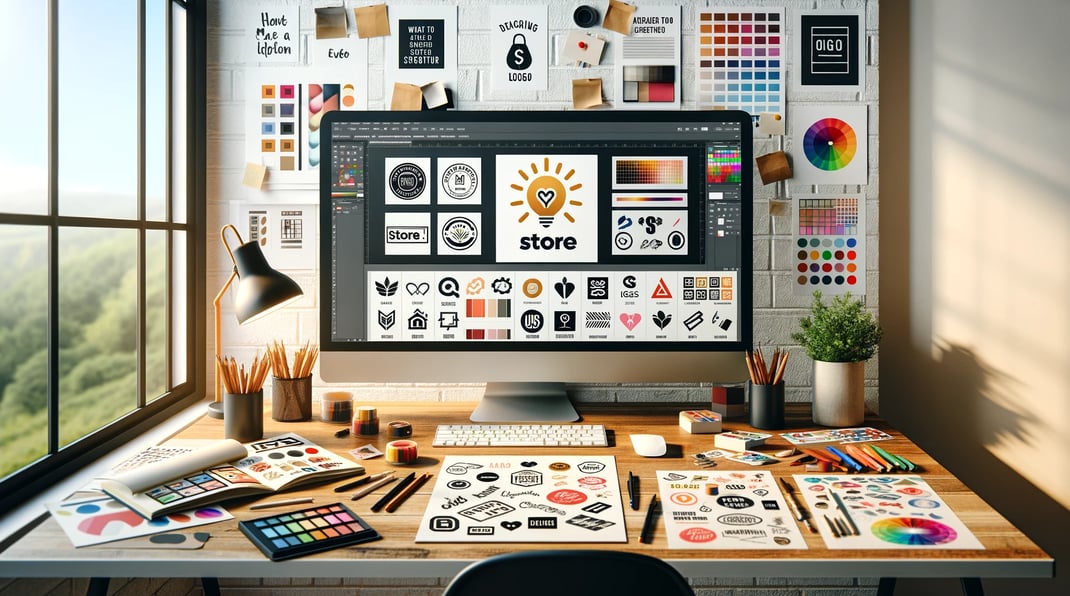

In today’s dynamic and competitive retail landscape, where first impressions matter more than ever, the significance of a compelling store logo cannot be overstated. Your logo is more than just a visual identifier; it is a powerful tool that encapsulates your brand’s essence and communicates with your audience on a profound level. As consumers are inundated with choices, a well-designed logo becomes the beacon that guides them to your unique offerings. This article will unravel the intricacies of creating a store logo, offering a step-by-step guide to ensure your logo not only captures attention but also ingrains itself in the minds of your customers, fostering brand loyalty. Let’s embark on this journey to transform your brand’s identity into a visual masterpiece.
Understanding the Importance of a Store Logo
In the cluttered marketplace, where consumers are bombarded with countless options, a store logo acts as a silent ambassador for your brand. It is the visual cue that sparks recognition, cultivates trust, and establishes a connection with your target audience. A well-crafted logo serves as a shorthand for your brand’s values, mission, and promises, making it an essential component in building brand equity. Beyond being a mere symbol, it is a key player in the overall brand experience, influencing customer perceptions and shaping their purchasing decisions. As we delve into the intricacies of crafting a store logo, recognizing its pivotal role in creating a lasting impression is the first step toward a successful branding journey.
Identifying Your Store’s Brand Identity
To create a store logo that truly resonates with your audience, a deep understanding of your brand identity is paramount. Your brand identity encompasses the unique personality, values, and attributes that set your store apart from others. Take a reflective journey into the core of your business – ask yourself what values drive your operations, what makes your products or services distinct, and how you want your customers to perceive your brand. By defining these aspects, you lay a solid foundation for a logo that authentically represents your store. This introspective process not only aids in crafting a visually appealing design but also ensures that your logo aligns seamlessly with the overarching narrative of your brand, fostering a cohesive and memorable marca identity.
Analyzing Your Target Market and Competitors
In the ever-evolving landscape of retail, understanding your target market and keeping a watchful eye on competitors is indispensable. Your store logo is not just a reflection of your brand; it’s a deliberate message aimed at a specific audience. Conduct thorough market research to comprehend the preferences, behaviors, and expectations of your target demographic. Identify the visual elements that resonate with them, ensuring your logo strikes a chord and remains relevant.
Simultaneously, studying competitors’ logos provides valuable insights into prevailing design trends within your industry. While originality is key, being aware of what works and what doesn’t in your market allows you to make informed design decisions. Aim for a balance between uniqueness and market familiarity, ensuring your logo stands out while communicating a visual language that your audience understands.
By amalgamating insights from your target market and competitive landscape, you lay the groundwork for a store logo that not only captures attention but also speaks directly to the hearts of your potential customers, fostering a connection that goes beyond the superficial.
Key Design Elements for Retail Logos
Once armed with a profound understanding of your brand identity, target market, and competitive landscape, it’s time to delve into the essential design elements that will shape your store logo. Simplicity reigns supreme in logo design; a clean and uncluttered logo not only enhances memorability but also ensures versatility across various platforms.
Consider incorporating timeless elements that withstand fleeting trends, providing longevity to your logo. A well-balanced combination of text and imagery should encapsulate the essence of your brand succinctly. Whether it’s an iconic symbol, a wordmark, or a combination of both, the design should reflect the unique personality of your store.
Scalability is crucial in a retail logo. Your logo will appear on everything from business cards to billboards, so it must retain its impact and clarity regardless of size. Aim for a design that remains recognizable in both digital and print formats, ensuring a consistent and professional representation across all mediums.
By adhering to these fundamental design principles, you set the stage for a retail logo that not only captures attention but also embodies the essence of your brand in a visually compelling manner.
Selecting Colors and Fonts That Reflect Your Store
Color and typography play a pivotal role in conveying the personality and mood of your brand through your store logo. Carefully chosen colors evoke specific emotions and contribute to brand recognition. Consider the psychological impact of colors on your target audience and align them with the overarching message you want your logo to convey. Whether it’s a bold and vibrant palette or a more subdued and elegant selection, the color scheme should harmonize with your brand identity and resonate with your customers. A Simple logo creator will help in choosing colors.
Similarly, font selection is an art that contributes to the overall tone of your logo. Fonts carry nuances – from being modern and sleek to classic and timeless. Align your font choice with the nature of your products or services and the personality of your brand. A script font may convey elegance and sophistication, while a sans-serif font exudes modernity and simplicity.
The synergy between colors and fonts in your store logo creates a cohesive visual identity that communicates with clarity and impact. Strive for a harmonious blend that not only reflects your store’s essence but also captures the attention of your target market, leaving a lasting impression.
Sketching and Conceptualizing Design Ideas
Before venturing into the digital realm, the preliminary stage of sketching is a crucial and often underestimated aspect of logo design. This creative process allows for the exploration of various concepts, visual elements, and layout possibilities. Grab a pencil and paper and let your ideas flow freely. Sketching provides the flexibility to experiment with different shapes, symbols, and text arrangements, helping you to refine and crystallize your initial thoughts.
During this phase, don’t be afraid to let your imagination roam. Consider the essence of your brand, the messages you want to convey, and the emotions you aim to evoke. Sketching allows for an organic and fluid development of ideas before committing to the more rigid digital design process.
Once you have a collection of sketches, assess them critically. Identify elements that resonate most with your brand identity and target market. This initial exploration sets the stage for translating your creative vision into a polished and effective digital design, ensuring that the final logo encapsulates the essence of your store.
Digital Design Tools and Software for Logo Creation
With your hand-sketched concepts in hand, it’s time to transition to the digital realm using powerful design tools and software. Adobe Illustrator stands out as an industry-standard tool, providing a plethora of features for vector-based design, ensuring scalability without loss of quality. Its versatility allows you to refine shapes, experiment with color palettes, and fine-tune every detail of your logo.
For those seeking user-friendly alternatives, Canva offers a more accessible platform. While less intricate than Illustrator, Canva is an excellent choice for beginners, providing a range of pre-designed elements and templates to kickstart your logo creation journey.
CorelDRAW is another robust option, offering advanced vector editing capabilities along with an intuitive interface. It allows for precision and customization, making it suitable for those who want more control over the design process.
Regardless of the tool you choose, mastering the digital design phase is pivotal. This is where you bring your conceptualized sketches to life, refining and enhancing them with the precision and flexibility that digital tools provide. The goal is to create a visually compelling and professionally polished logo that aligns seamlessly with your brand identity.

Creating a Versatile Logo for Different Uses
A successful store logo should be adaptable to various applications and contexts, ensuring consistent and impactful representation across diverse mediums. Consider the versatility of your design – it should maintain its integrity and effectiveness whether it’s displayed on a small business card, a website header, or a large storefront banner.
Aim for simplicity in your logo design, as intricate details may get lost in smaller formats. A scalable logo ensures that it remains recognizable and retains its visual impact, regardless of size or resolution. Test your logo in different sizes and backgrounds to ensure optimal visibility and clarity.
Moreover, contemplate how your logo will appear in both color and grayscale. A well-designed logo should be just as impactful in black and white, ensuring it remains effective in situations where color reproduction is limited.
By prioritizing versatility during the design phase, you create a logo that seamlessly integrates into various brand touchpoints, reinforcing your store’s identity consistently and coherently across all channels.

Gathering Feedback and Iterating the Design
Once you’ve crafted a preliminary version of your store logo, it’s imperative to seek feedback from diverse perspectives. Share your design with stakeholders, team members, and even potential customers to gather insights on how well the logo resonates with its intended audience. Constructive criticism at this stage can be instrumental in refining and strengthening your design.
Consider organizing focus groups or surveys to collect quantitative and qualitative feedback. Pay attention to how individuals interpret your logo – does it align with your intended message? Are there any elements that might be confusing or misunderstood? Use this feedback to identify areas for improvement and iterate upon your design accordingly.
Remember that the design process is often iterative. Be open to making adjustments based on the feedback received, but also maintain a balance to ensure that the essence and uniqueness of your brand are not compromised. This collaborative approach ensures that your final logo is a well-informed and refined representation of your store’s identity, poised for positive reception in the market.
Legal Aspects of Trademarking Your Logo
As you finalize your store logo, it’s crucial to navigate the legal landscape to protect your brand identity. Trademarking your logo provides legal recognition and exclusive rights to its use, preventing others from using a similar design that could confuse the marketplace. Consult with a legal professional or trademark attorney to understand the specific requirements and processes involved in securing trademark protection for your logo.
Conduct a comprehensive trademark search to ensure that your chosen logo is unique and not infringe upon existing trademarks. This step is vital to avoid potential legal disputes that could harm your brand in the future. Once you have confirmed the availability of your logo, proceed with the application for trademark registration, adhering to the guidelines and requirements set forth by the relevant intellectual property offices.
By securing the legal protection of your logo, you safeguard your brand from unauthorized use, establishing a solid foundation for its long-term success and recognition in the market.
Implementing Your Logo in Branding
With a finalized and legally protected logo in hand, the next crucial step is seamless integration into your store branding. Consistency is key to establishing a strong brand presence. Begin by incorporating your logo across all customer touchpoints – from storefront signage and business cards to packaging and digital platforms. Ensure that the colors, fonts, and overall aesthetic align with the visual identity established by your logo.
Consider the physical placement of your logo within your store. It should be prominently displayed, creating a focal point that reinforces brand recall for customers. Whether it’s on product labels, shopping bags, or even employee uniforms, the logo should become synonymous with the overall shopping experience.
In the digital realm, implement your logo across your website, social media profiles, and email communications. Consistent use of your logo online fosters a cohesive brand image and reinforces brand recognition among your online audience.
By thoughtfully integrating your logo into all aspects of your store branding, you not only create a visually unified and professional appearance but also enhance the overall brand experience for your customers. This comprehensive approach solidifies the impact of your logo as a symbol of trust, quality, and uniqueness associated with your brand.
Crafting a store logo is a meticulous journey that goes beyond the realm of design. It involves a deep exploration of your brand identity, an understanding of your target audience, and a commitment to legal considerations. A well-designed logo becomes the visual ambassador of your brand, leaving an indelible mark on the minds of your customers.
As you traverse through the stages of conceptualization, design, and implementation, remember that your logo is not static; it should evolve with your brand and adapt to the changing dynamics of your market. Continuously gather feedback, stay attuned to industry trends, and be willing to refine your logo to keep it relevant and impactful.
In the competitive retail landscape, a compelling store logo is a formidable asset that distinguishes your brand and fosters customer loyalty. It’s not merely a graphic; it’s a representation of your values, a beacon that guides customers to your offerings. Embrace the creative process, navigate the legal intricacies, and implement your logo cohesively across all platforms to witness its transformative power in building a robust and enduring brand identity for your store.