

Guizhou: The Value Of Craft Knowledge As A New Cultural Language
Following Shenzhen-Milan Lifestyle Week 2026, Hui Zhouzhao turns the dialogue between Italy and China into an experience of cultural immersion among people, traditions, and contemporary creativity.
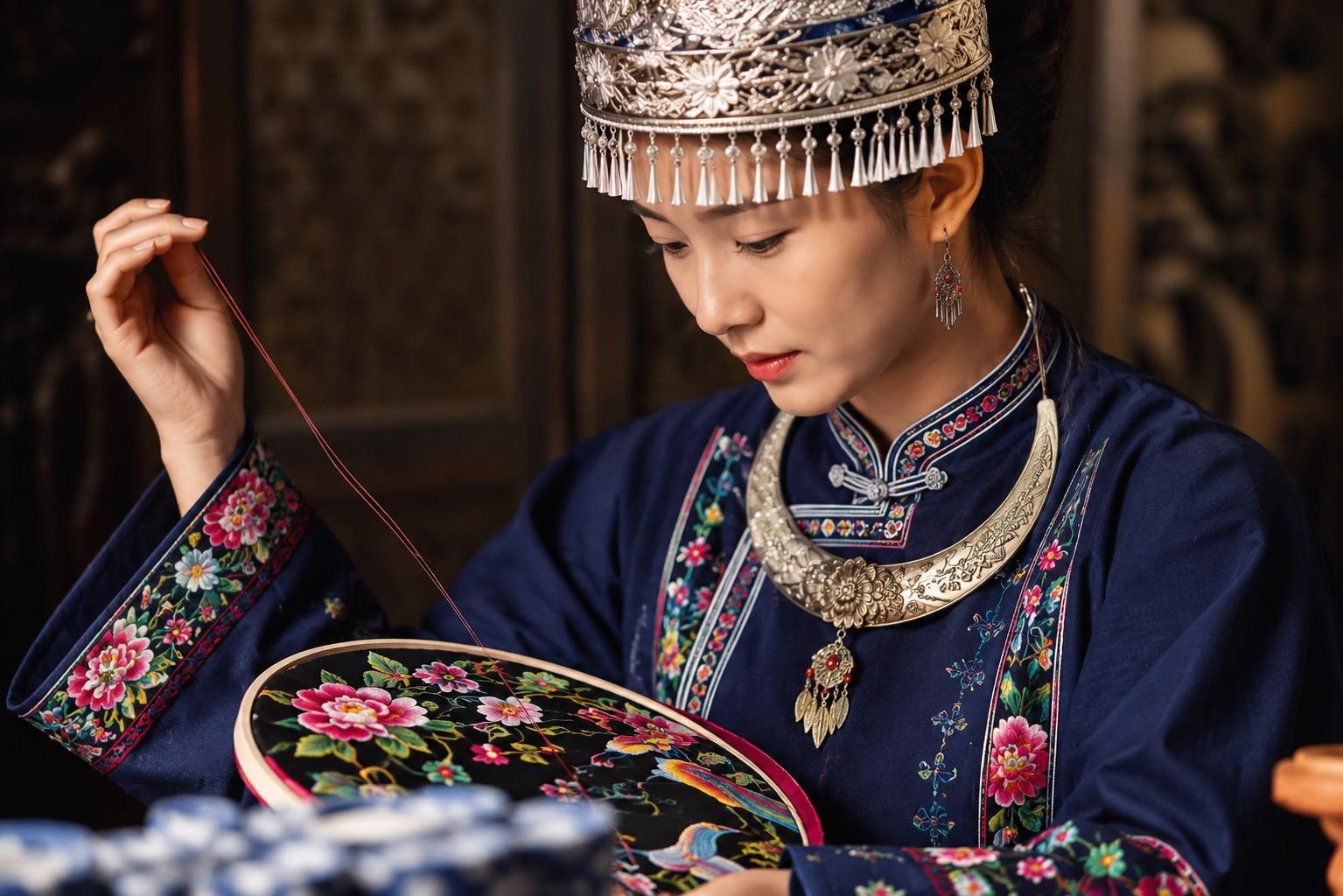
COME Shenzhen-Milan Lifestyle Week 2026 draws to a close, a Cultural Immersion Program takes shape, dedicated to the discovery of Guizhou, one of China’s culturally richest and most distinctive provinces. The project broadens the dialogue established between Shenzhen and Milan through an experience built around the value of craftsmanship, the transmission of knowledge, and direct encounter with local communities.
More than an extension of the official calendar, the programme has been conceived as an independent journey of cultural enquiry, designed to guide an international delegation through a heritage made of gestures, processes and forms of knowledge that continue to live in the present day.
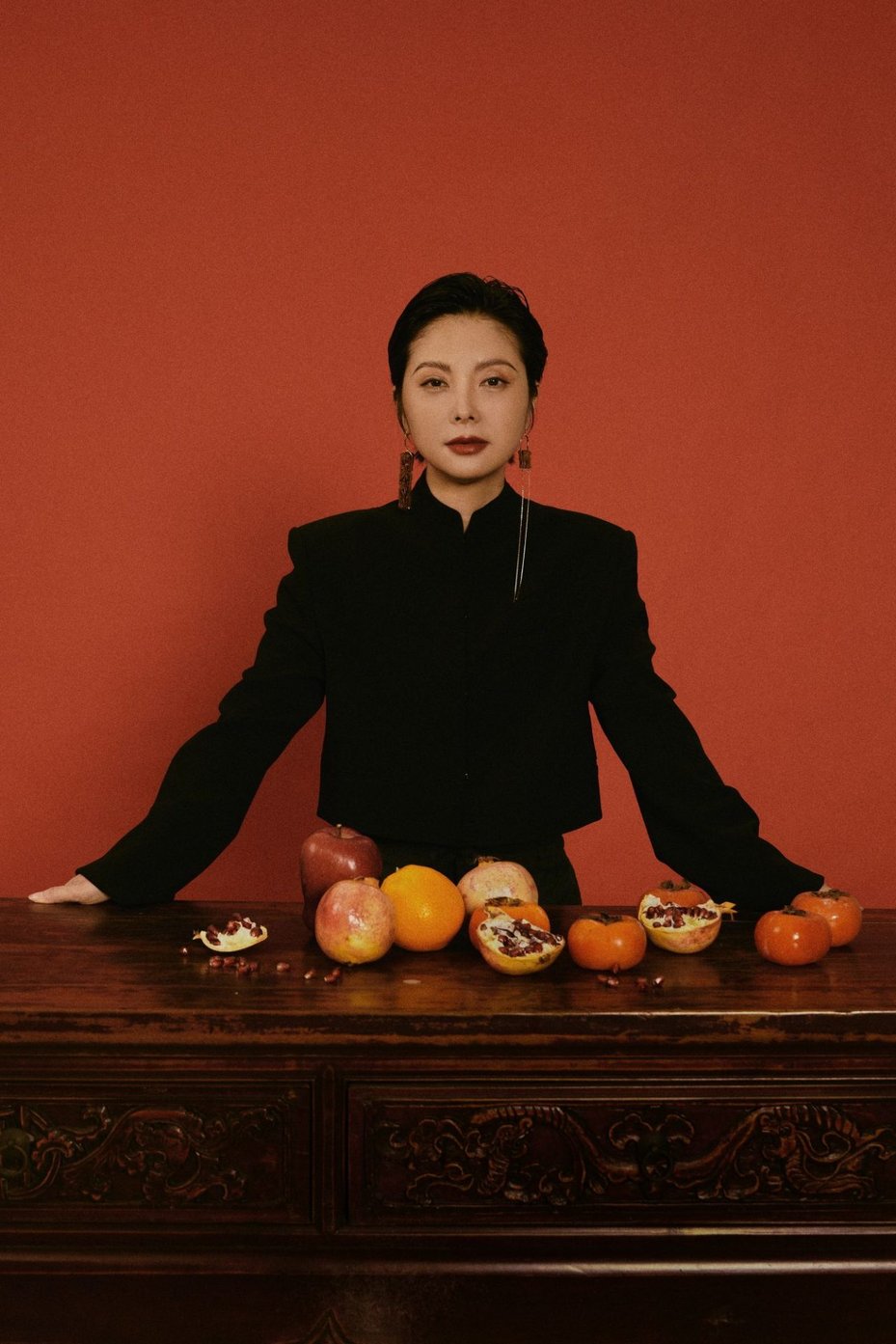
At the heart of the project, as both protagonist and promoter, is Hui Zhouzhao, designer of HUI Milano and promoter of China Style in Italy, who for years has brought to international runways a body of research built on the dialogue between Chinese cultural heritage and contemporary languages. Hers is a vision that does not confine itself to the aesthetic representation of tradition but translates into a tangible relationship with places, with people, and with the communities that safeguard this knowledge, creating new opportunities for learning and cultural exchange.
In Guizhou, the story takes shape through direct encounter with local communities, and in particular with the Miao women, custodians of a craft tradition handed down across generations and preserved within daily life. Embroidery, textile work, decorative techniques, fabric construction and handwork thus become not simply forms of production but cultural languages through which to read the relationship between identity, memory and transformation.
The experience will allow guests to come into contact with the creative processes underpinning these traditions, observing the artisans’ work at close hand and understanding the human and cultural value that accompanies every stage of its making.
Alongside the cultural immersion itself, the programme will include moments dedicated to discovering the expressions of the region through artistic content, insights into local material culture and itineraries linked to the gastronomic tradition, to offer a contemporary and multidimensional reading of Guizhou’s heritage.
Among the project’s central moments will be the presentation of a collaboration between HUI and the textile group of Guizhou province, through a narrative that brings together artisanal heritage, artistic languages and contemporary research. The programme will also include an artistic performance and a presentation dedicated to the dialogue between traditional manufacture and contemporary creative interpretation.
“Tradition is not something to be preserved statically, but a living heritage that continues to generate ideas, work, and cultura. Through this project, we want to create opportunities for real encounters between people and to celebrate the knowledge safeguarded by local communities,” says Hui Zhouzhao.
With this Cultural Immersion Program, the path begun between Shenzhen and Milan continues beyond the dimension of the event and becomes an experience of direct understanding, capable of connecting contemporary creativity, cultural heritage, and new perspectives for international dialogue.
Guizhou Craft Traditions: A Living Archive of Miao Textile Knowledge
The Miao people of Guizhou province represent one of the world’s most sophisticated and least widely documented textile traditions. Their embroidery, known as miao xiu, functions as a visual language encoding ancestral histories, cosmological beliefs, and community identity within every stitch. Unlike written records, these patterns carry genealogical information passed directly from grandmother to granddaughter, making the craftswomen themselves the primary repositories of cultural memory.
Specific techniques vary by village and sub-group, encompassing flat silk embroidery, counted-thread work, pleated fabric construction, and intricate batik dyeing using beeswax resist methods refined over centuries. The indigo-dyed pleated skirts associated with the Long-skirt Miao of southeastern Guizhou, for example, can require up to two years of continuous handwork to complete a single garment. Each surface treatment, motif, and colour combination carries layered meaning that demands direct transmission from practitioner to learner rather than instruction through written documentation.
The Cultural Immersion Program addresses precisely this vulnerability. By positioning international guests as active witnesses to the making process rather than passive consumers of finished objects, the programme creates conditions in which the intellectual and physical labour embedded in Guizhou craft becomes legible and, critically, valued by a global audience capable of amplifying that recognition across fashion, design, and cultural policy circles.
The Shenzhen-Milan Axis and Its Significance for Global Craft Dialogue
The Shenzhen-Milan Lifestyle Week framework is more than a bilateral cultural exchange between two design-forward cities. It represents a structural argument about where creative authority now resides in a world where the geography of design innovation has expanded well beyond its twentieth-century European centres. Shenzhen contributes technological agility, manufacturing expertise, and a manufacturing culture increasingly attentive to material authenticity. Milan brings centuries of craft pedagogy, a globally recognised luxury industry, and institutional frameworks for positioning artisanal knowledge within contemporary markets.
Hui Zhouzhao’s programme inserts Guizhou into this dialogue as a third term, one that complicates any simple binary between East and West, or between heritage and innovation. By routing international attention through a province rarely featured in mainstream fashion media, the initiative challenges assumptions about which geographies qualify as sources of creative authority and which are treated merely as production contexts.
For a New York audience accustomed to tracking global style conversations, this recalibration matters. The most compelling design narratives emerging from international weeks in 2026 are not those rehearsing familiar luxury codes but those establishing new relationships between maker, material, and meaning. Guizhou offers exactly this kind of narrative depth, grounding contemporary aesthetic language in a craft knowledge system that has demonstrated its resilience across centuries of social and political transformation.
Why Craft Knowledge Is Becoming Fashion's Most Consequential Currency
Across the global fashion industry, a decisive shift is underway in how value is created and communicated. Technical craft knowledge, once treated as a subordinate element of the design process, is now recognised as a primary driver of cultural credibility, consumer loyalty, and long-term brand distinction. This revaluation reflects several converging pressures: growing consumer demand for transparency in supply chains, increased scholarly and journalistic attention to the communities behind luxury production, and a broader cultural appetite for authenticity that mass manufacturing cannot credibly supply.
Within this context, Hui Zhouzhao’s approach to Guizhou craft is strategically astute as well as culturally sincere. By building a collaboration with Guizhou’s textile group around shared research and co-authorship rather than straightforward sourcing, HUI Milano positions itself within a model of creative partnership that the industry is beginning to recognise as both ethically and commercially superior to conventional heritage appropriation.
The programme’s inclusion of artistic performance, material culture education, and gastronomic heritage alongside textile workshops reflects an understanding that craft knowledge is never isolated from its broader social context. Embroidery patterns are inseparable from the ceremonies at which embroidered garments are worn; food traditions share the same seasonal and agricultural logic as natural dyeing processes. Presenting these connections to an international delegation produces a more complete and durable understanding of Guizhou’s cultural contribution, one that can sustain meaningful creative exchange long after the programme concludes.