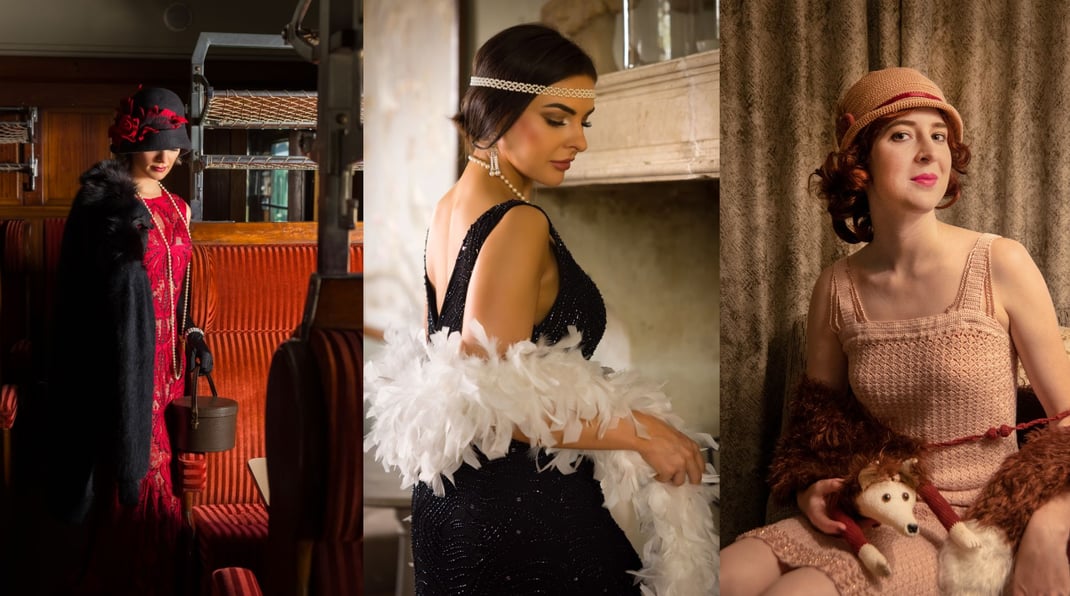

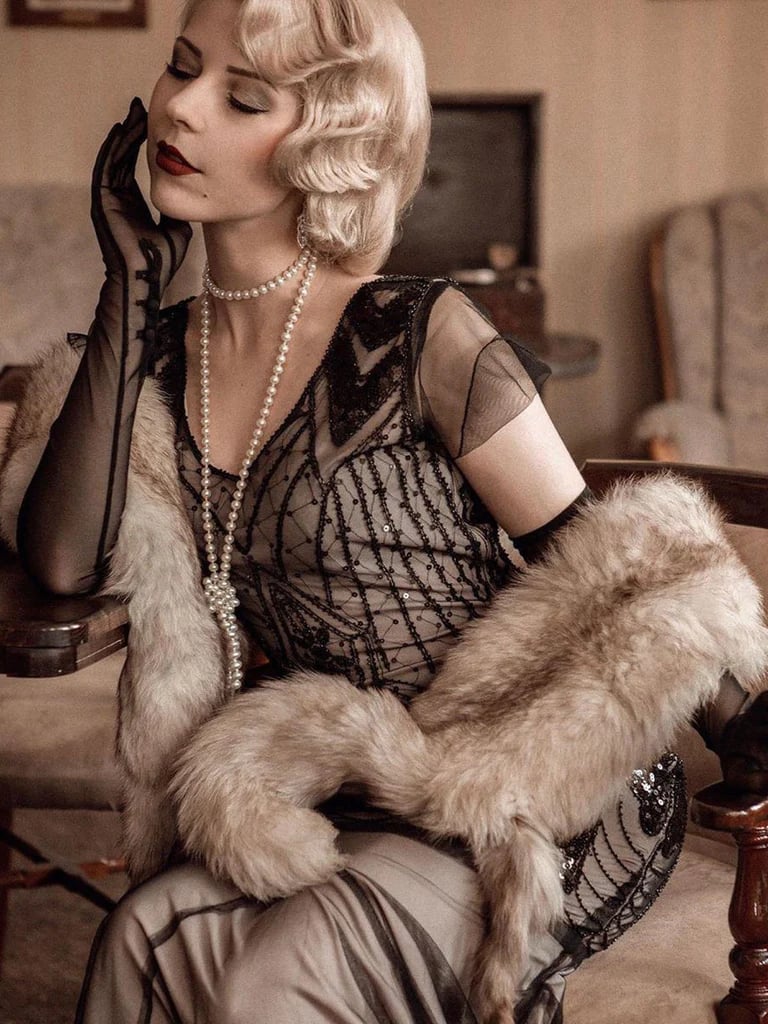
The 1920s was a transformative era in fashion history, marked by dramatic shifts in styles, silhouettes, and societal norms. Known for its revolutionary spirit, the decade saw women casting off the restrictive garments of the past in favor of more liberating and expressive attire. While the iconic flapper dress and finger waves often symbolize 1920s fashion, the era’s sartorial landscape was rich and varied. Let’s delve deeper into the vibrant world of 1920s fashion, uncovering the diverse trends and influences that defined the decade.
The Social and Cultural Context of the 1920s
The Roaring Twenties
The 1920s, often referred to as the Roaring Twenties, was a period of economic prosperity and cultural dynamism following the devastation of World War I. This decade was characterized by a booming economy, technological advancements, and a significant shift in societal attitudes. Jazz music, speakeasies, and a spirit of rebellion against traditional norms flourished. This cultural shift was reflected in fashion, with clothing becoming a symbol of newfound freedom and modernity.
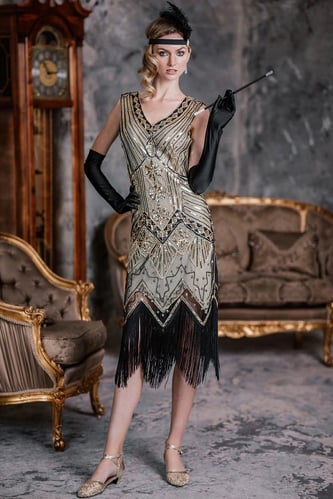
CHAMPAGNE 1920S SEQUINED FLAPPER DRESS
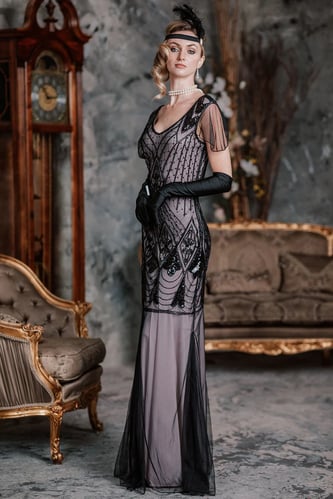
PINK 1920S CAP SLEEVE SEQUIN EVENING DRESS
Women’s Liberation Movement
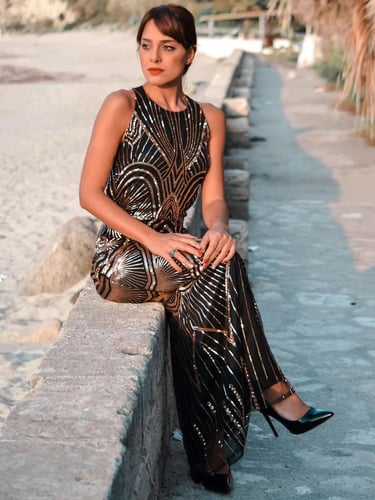
The women’s liberation movement played a crucial role in shaping 1920s fashion. The 19th Amendment, granting women the right to vote, marked a significant step towards gender equality. As women entered the workforce and gained more independence, their clothing evolved to reflect these changes. The rigid corsets and voluminous skirts of the previous era gave way to more practical and comfortable styles, allowing greater freedom of movement.
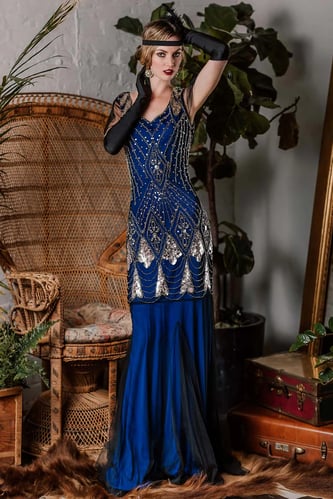
1920S SEQUINED MAXI FLAPPER DRESS
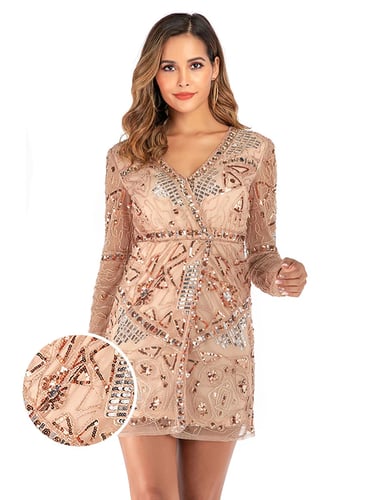
PINK 1920S SEQUINED LONG SLEEVE DRESS
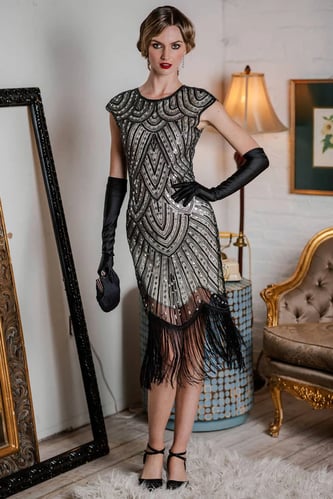
1920S V-NECK SEQUINED MESH MERMAID DRESS
Key Elements of 1920s Fashion
Silhouettes and Shapes
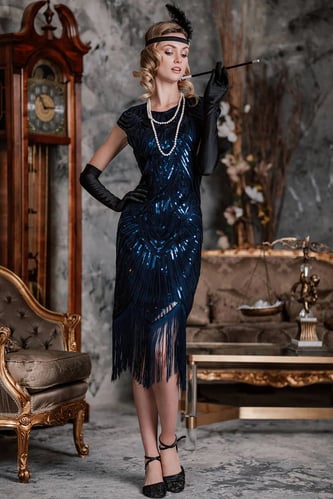
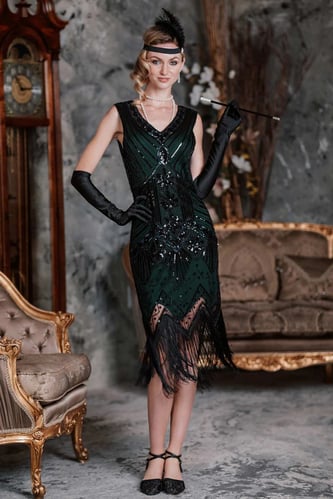
The 1920s witnessed a radical departure from the hourglass figure that had dominated fashion for decades. Women embraced more relaxed and androgynous silhouettes, characterized by dropped waists, loose-fitting dresses, and a straight, boyish figure. The flapper dress, with its knee-length hemline and fringe or bead embellishments, epitomized this new aesthetic, celebrating youth and modernity.
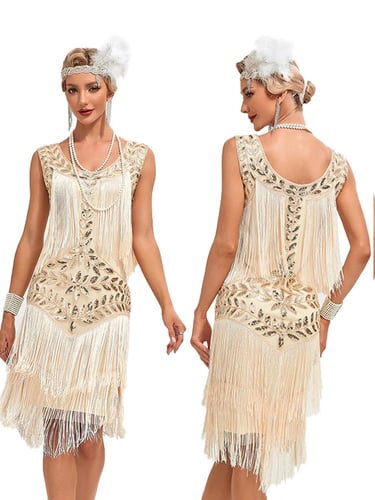
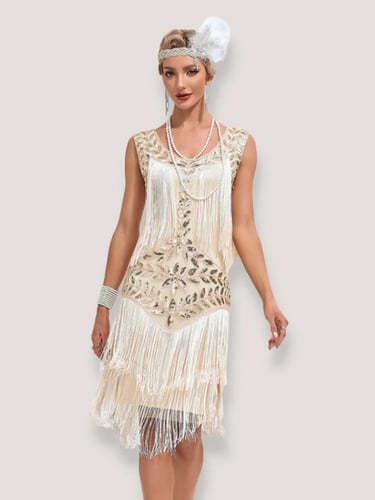
1920S FRINGED FLAPPER GATSBY DRESS
BLUE 1920S TASSEL GATSBY FLAPPER DRESS
DARK GREEN 1920S SEQUINED FLAPPER DRESS
Fabrics and Textures
Fashion in the 1920s featured a variety of luxurious fabrics and textures. Seta, velvet, and chiffon were popular choices, adding a touch of glamour to evening wear. These materials were often adorned with intricate beadwork, sequins, and embroidery, reflecting the opulence of the era. The use of these rich fabrics and detailed embellishments highlighted the importance of both visual appeal and tactile experience in fashion.
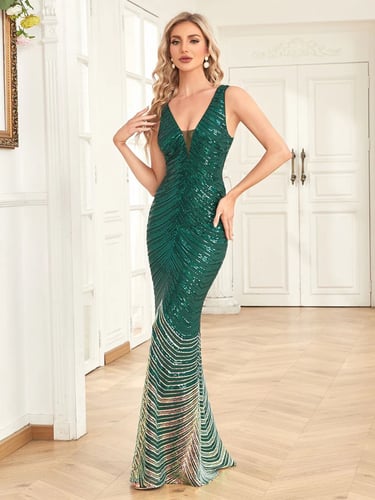
GREEN 1920S SEQUINED FISHTAIL SLEEVELESS DRESS
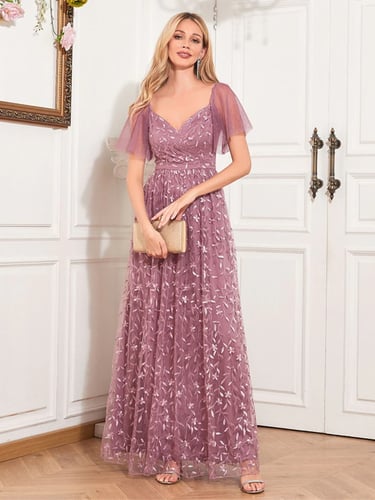
1920S SOLID SWEETHEART NECKLINE EMBROIDERED LONG DRESS
BELTED GRAY 1920S FRINGE GATSBY DRESS-US WAREHOUSE
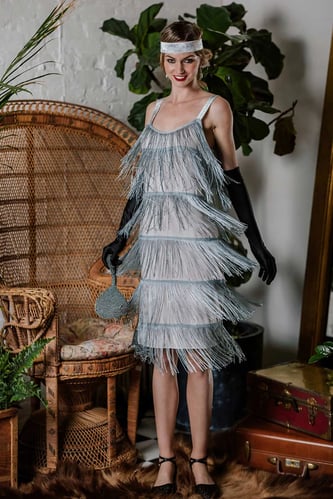
Colors and Patterns
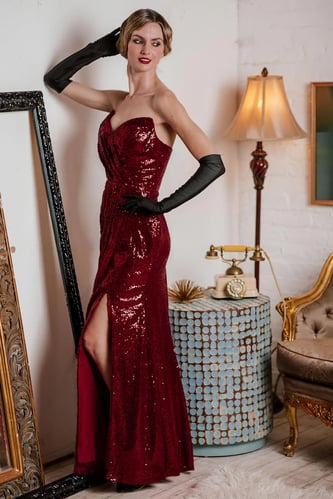
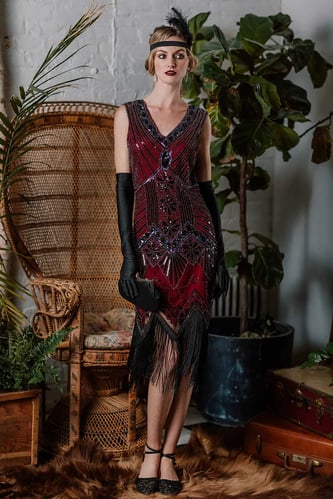
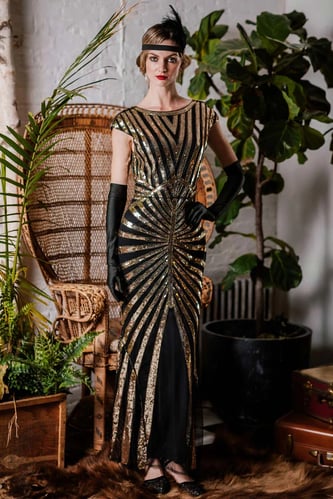
The color palette of the 1920s was diverse and vibrant. Bold colors such as deep reds, royal blues, and emerald greens were popular, alongside softer pastel shades. Art Deco influences brought geometric patterns and stylized motifs into fashion, creating a distinctive and modern look. These patterns were often seen on everything from evening gowns to everyday attire, showcasing the era’s penchant for innovation and creativity.
1920S STRAPLESS SEQUIN BRIDESMAID DRESS
1920S SEQUINED FRINGE DRESS
GOLD 1920S SEQUIN ART DECO MAXI DRESS
Iconic Clothing Pieces Beyond the Flapper Dress
The Cloche Hat
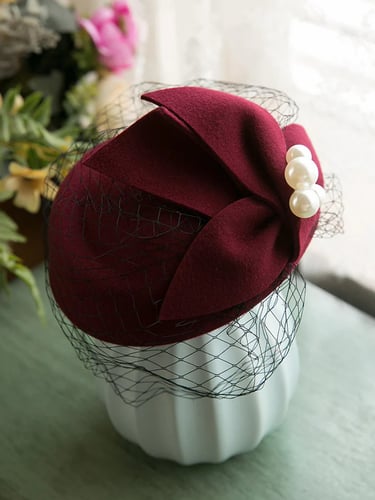
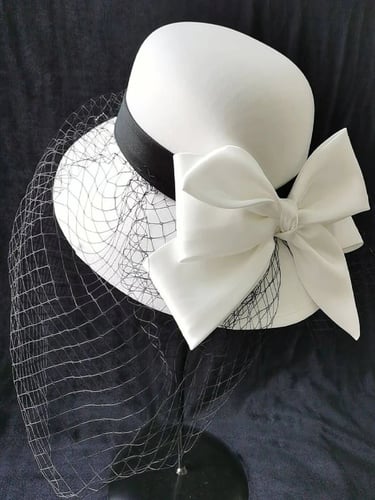
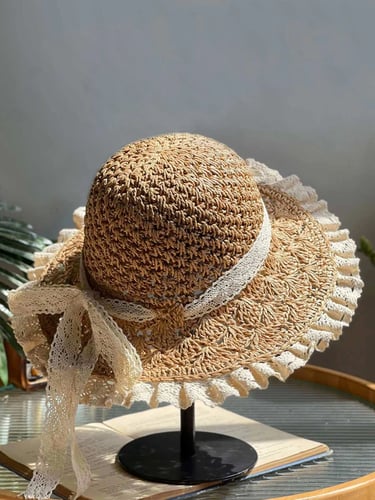
The cloche hat, a bell-shaped hat that fits closely to the head, became a defining accessory of the 1920s. Its sleek and simple design complemented the era’s streamlined silhouettes, and it was often adorned with ribbons, flowers, or jeweled brooches. The cloche hat was not only a fashion statement but also a symbol of the modern woman’s independence and sophistication.
VINTAGE PEARL DECOR MESH BERETS WOOLEN HAT
WHITE BOWKNOT MESH SOLID HAT
RETRO HAND-MADE LACE BOW SUN HAT
Daywear and Sportswear
Daywear in the 1920s reflected the changing roles of women in society. Practicality and comfort were key, with tailored suits, pleated skirts, and blouses becoming staples. Sportswear also gained popularity as women became more active. Tennis dresses, knitwear, and bathing suits were designed to be both stylish and functional, allowing greater ease of movement and participation in recreational activities.
PIPER SILK COTTON RIB POLO DRESS

GINZA RIB TWIST DRESS

SILK RACERBACK MIDI DRESS

Evening Wear and Gowns
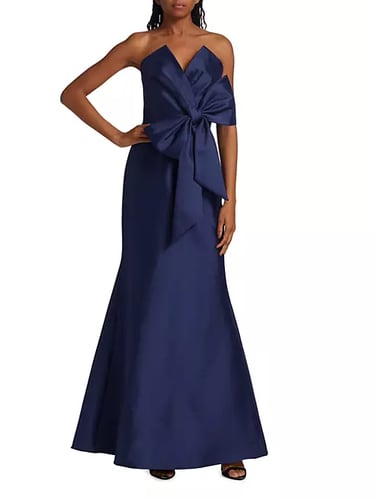
Evening wear in the 1920s was characterized by opulence and glamour. Long, flowing gowns made of silk and velvet were adorned with intricate beadwork and sequins. These dresses often featured daring necklines, open backs, and elaborate fringes, capturing the exuberant spirit of the era. Evening wear was a statement of elegance and sophistication, showcasing the era’s love for luxury and celebration.
Badgley Mischka Strapless Bow Gown
Marchesa Notte Anthousai Cutwork Fit & Flare Gown
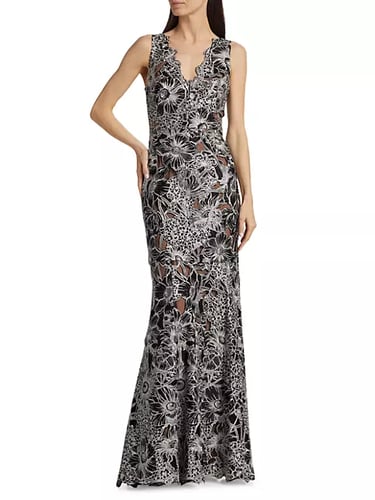
Jason Wu Collection Lace Peplum Gown
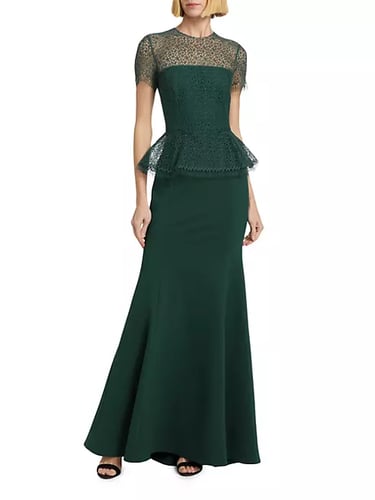
Outerwear and Accessories
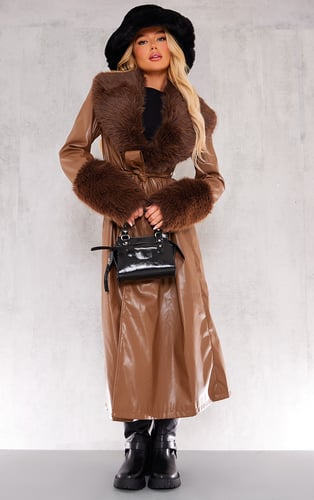
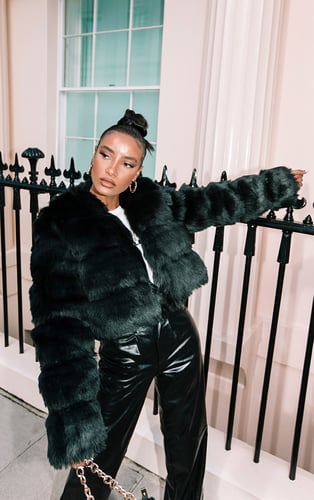
Outerwear in the 1920s included a variety of stylish coats and capes. Fur-trimmed coats, feather boas, and embroidered shawls were popular choices, adding a touch of extravagance to any outfit. Accessories such as long strands of pearls, beaded handbags, and silk stockings completed the look, reflecting the attention to detail and accessorizing that defined the decade.
Taupe Premium Faux Fur Trim Faux Leather Belted Trench Coat
Black Cropped Faux Fur Bubble Coat
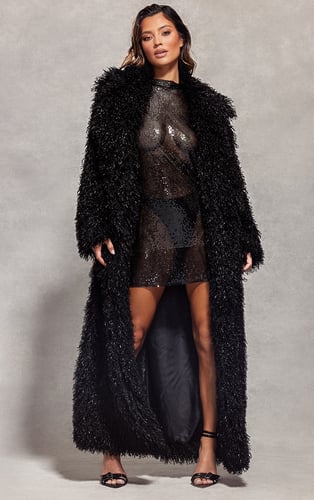
Black Faux Fur Oversized Maxi Coat
Men’s Fashion in the 1920s
Suits and Formalwear
Men’s fashion in the 1920s was marked by a classic and sophisticated style. The three-piece suit, consisting of a jacket, vest, and trousers, was a staple for formal occasions. Tailored to perfection, these suits often featured pinstripes or checks, adding a subtle flair. The tuxedo also became popular for evening events, exuding elegance and refinement.
Casual and Sportswear
The 1920s saw the rise of more casual attire for men. Knickerbockers, plus-fours, and sweaters became fashionable for leisure activities. This shift towards casual wear reflected the broader cultural movement towards relaxation and enjoyment. Sportswear, influenced by the growing popularity of golf and tennis, emphasized comfort and practicality without sacrificing style.
Accessori
Accessories played a significant role in men’s fashion during the 1920s. Fedoras, bowler hats, and newsboy caps were popular choices, complementing both formal and casual outfits. Shoes, such as two-tone oxfords and patent leather dress shoes, were carefully selected to complete the look. Ties, pocket squares, and cufflinks added a touch of individuality and sophistication.
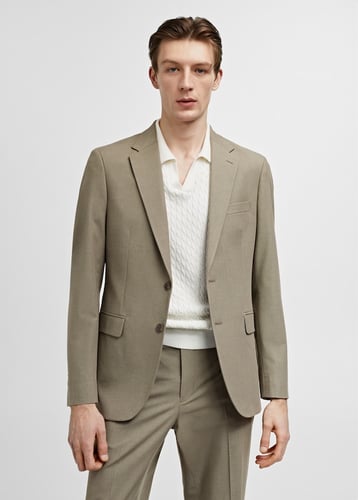
Stretch fabric slim-fit suit jacket
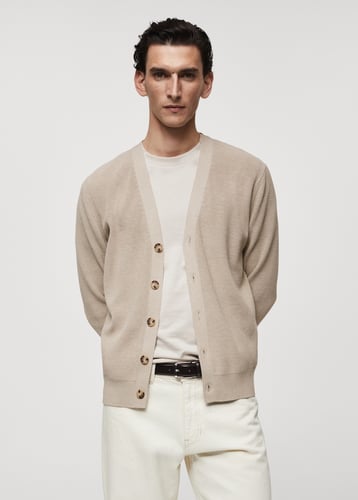
Buttoned ribbed cardigan
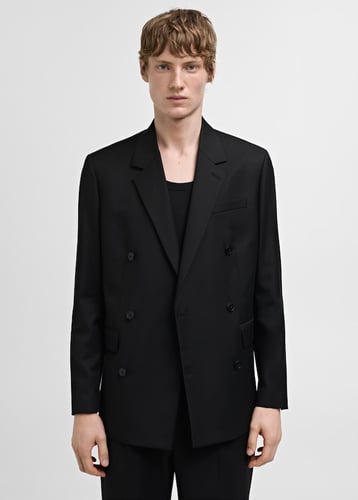
Double-breasted regular-fit suit jacket
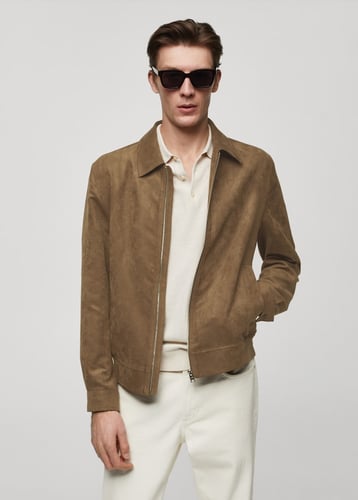
Suede-effect jacket with zip
Hairstyles and Beauty Trends
Short Haircuts and Bobs
The 1920s was a revolutionary decade for women’s hairstyles. The bob haircut, characterized by its short length and blunt edges, became a symbol of modernity and independence. Variations like the shingle bob and the Eton crop further pushed the boundaries, embracing even shorter lengths and more daring styles. These haircuts reflected the era’s embrace of simplicity and boldness.
Makeup Trends
Makeup in the 1920s underwent a dramatic transformation. Women began to use cosmetics more openly, with an emphasis on creating a bold and glamorous look. Dark, smoky eyes, thin eyebrows, and deep red lips were signature elements of 1920s makeup. Beauty icons like Clara Bow and Louise Brooks popularized these trends, influencing women across the globe to adopt a more dramatic and expressive appearance.
Influences and Legacy of 1920s Fashion
Hollywood and Celebrities
Hollywood played a pivotal role in shaping 1920s fashion. Film stars like Greta Garbo, Marlene Dietrich, and Rudolph Valentino became style icons, their on-screen attire influencing everyday fashion. The glamorous costumes and sophisticated looks showcased in films set trends and inspired countless admirers, cementing Hollywood’s influence on fashion.
Fashion Designers and Brands
Several key designers and fashion houses left an indelible mark on 1920s fashion. Coco Chanel revolutionized women’s fashion with her emphasis on simplicity, comfort, and elegance. Her introduction of the little black dress and the use of jersey fabric were groundbreaking. Jean Patou and Elsa Schiaparelli were other notable designers who contributed to the era’s innovative and modern styles.
Lasting Impact
The legacy of 1920s fashion continues to influence contemporary styles. Elements such as the bob haircut, drop-waist dresses, and Art Deco patterns frequently reappear in modern fashion. Designers today draw inspiration from the bold and experimental spirit of the 1920s, creating pieces that pay homage to the era while incorporating modern sensibilities. The enduring appeal of 1920s fashion lies in its celebration of freedom, innovation, and elegance.
APRICOT 1920S SEQUIN ART DECO MAXI DRESS
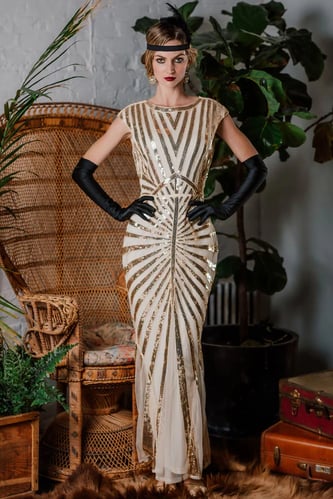
1920S V-NECK SEQUINED MESH MERMAID DRESS
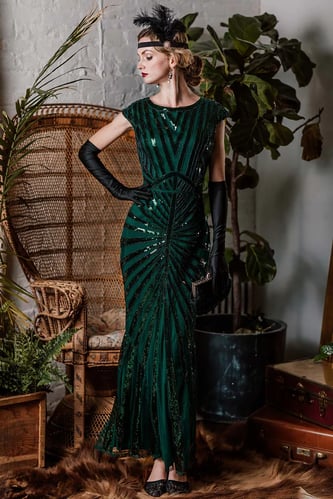
GREEN 1920S SEQUIN ART DECO MAXI DRESS
The fashion of the 1920s was a reflection of the era’s cultural and social transformation. Beyond the iconic flapper dress and finger waves, the decade was rich with diverse trends and influential styles that continue to resonate today. From the liberating silhouettes and luxurious fabrics to the revolutionary hairstyles and makeup, 1920s fashion was a celebration of modernity and independence. As we look back, we see not just a historical moment, but a lasting legacy that continues to inspire and captivate.