
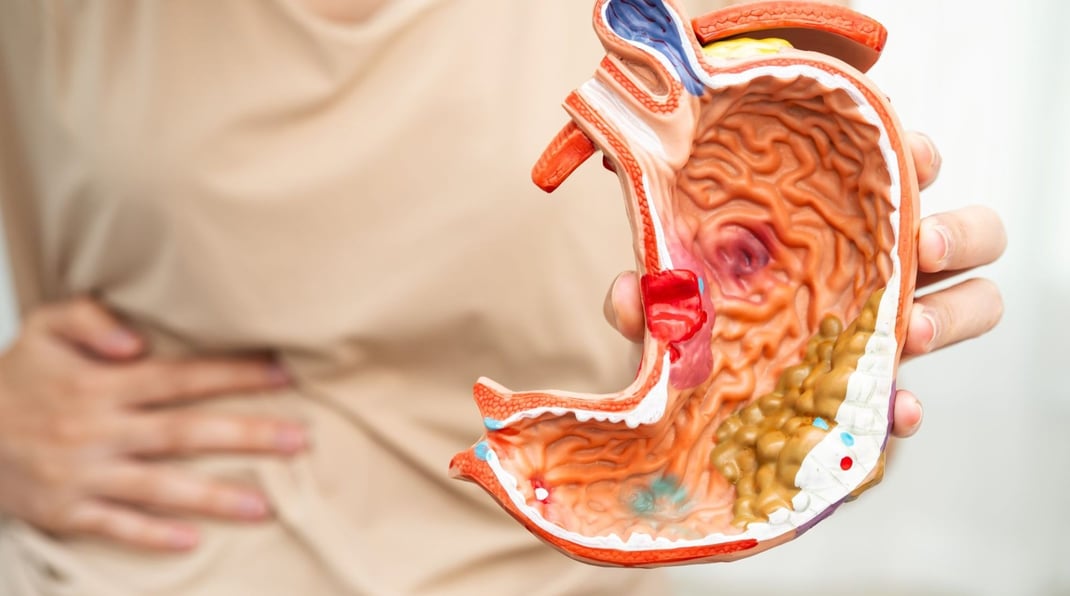

Choosing a medical weight-loss procedure is not a cosmetic decision. It’s a health decision; one that affects digestion, metabolism, daily habits, and long-term well-being. For many people exploring clinical options beyond diet and exercise alone, two procedures often rise to the top of the conversation: endoscopic sleeve gastroplasty (ESG) and gastric sleeve surgery.
While both aim to support weight loss by reducing stomach capacity, they differ significantly in how they are performed, who they are best suited for, and what the long-term implications look like. Understanding these differences is essential before making a choice that aligns with your health goals and lifestyle.
This guide breaks down the key facts and differences you need to know when comparing ESG and gastric sleeve, so you can approach the decision with clarity rather than confusion.

Understanding the Two Procedures
Before comparing ESG and gastric sleeve surgery, it’s important to understand how each procedure works and what differentiates them at a foundational level.
What Is ESG?
Many people begin their research by reviewing the facts about endoscopic sleeve gastroplasty, particularly because ESG is often misunderstood as a simplified or cosmetic alternative to surgery.
Clinics such as Bariendo emphasize the importance of patient education at this stage, helping individuals understand ESG as a clinically studied, minimally invasive option rather than a cosmetic shortcut.
Endoscopic sleeve gastroplasty is a minimally invasive, non-surgical procedure performed using an endoscope inserted through the mouth. During ESG, sutures are placed inside the stomach to reduce its volume, helping patients feel full sooner and eat smaller portions.
Key characteristics of ESG include:
- No external incisions
- No removal of stomach tissue
- Preservation of normal digestion
- Typically performed as an outpatient procedure
ESG is often positioned as a metabolic support tool rather than a surgical solution, intended to work alongside long-term lifestyle and nutritional changes
What Is a Gastric Sleeve?
Gastric sleeve surgery, also known as sleeve gastrectomy, is a surgical weight-loss procedure performed laparoscopically through small incisions in the abdomen. During the procedure, a surgeon removes approximately 75 to 80 percent of the stomach, permanently reducing its size and limiting the amount of food it can hold.
Key characteristics of gastric sleeve surgery include:
- Requires laparoscopic surgery with abdominal incisions
- Permanent removal of a large portion of the stomach
- Significant reduction in stomach capacity and appetite
- Irreversible anatomical change
Gastric sleeve surgery is typically positioned as a surgical intervention for individuals who require substantial weight loss and are prepared for permanent changes to their digestive anatomy, along with long-term nutritional monitoring and follow-up care.
Weight Loss Expectations and What the Data Shows
When comparing results, the Gastric Sleeve typically leads to greater weight loss because it combines physical restriction with powerful hormonal changes.
On average, patients who undergo Endoscopic Sleeve Gastroplasty lose 15% to 20% of their total body weight in the first year. For a patient weighing 250 Pounds, this equates to a loss of 37 to 50 Pounds.
In contrast, patients choosing Gastric Sleeve surgery often lose 25% to 30% of their total body weight in that same timeframe. For that same 250 Pound individual, the loss could reach 75 Pounds or more. While a 25 Pound difference may seem significant, many patients feel the trade-off for a non-surgical experience is worth the slightly lower total loss.
The Role of Hunger Hormones in Long-term Success
One nuance often missed in basic medical brochures is the role of Ghrelin, which is commonly known as the hunger hormone. Most Ghrelin is produced in the fundus, which is the upper part of the stomach.
In a Gastric Sleeve surgery, that part of the Stomach is physically removed from the body. This leads to a dramatic drop in Ghrelin levels. Patients often report that they simply forget to eat or lose the constant mental chatter about food. This metabolic shift is a primary reason why the surgical sleeve is so effective for those with severe obesity.
In ESG, the fundus is sutured and folded but remains inside the body. While the smaller stomach size helps you feel full faster, the hormonal reset is not as profound. If you struggle with intense physiological hunger cues, the surgical sleeve may offer a more robust tool for managing your appetite.
Recovery timelines and getting back to your routine
For many busy professionals and parents, the decision hinges on the downtime.
Endoscopic Sleeve Gastroplasty is often referred to as a Friday-to-Monday recovery. Because there are no abdominal wounds to heal, the recovery is remarkably fast. Most patients experience 24 to 48 hours of cramping and nausea as the stomach adjusts to the sutures. However, by day three or four, most people are back to light office work and daily activities.
Gastric Sleeve surgery requires more respect for the healing process. You are not just healing the Stomach tissue, you are healing the abdominal wall where the laparoscopic tools entered. Lifting restrictions are strict for at least a month to prevent hernias, and the general recovery period usually keeps people out of work for at least two weeks.
Recovery and long-term success with non-surgical stomach tightening are most effective when integrated with self-care stress relief strategies for a healthier you, allowing your body and mind to adapt to the changes together.
Comparing the Risks and Safety Profiles
No medical procedure is without risk, but the profiles for these two vary.
The primary risks of Gastric Sleeve surgery include staple line leaks, internal bleeding, and blood clots. While these are rare in the hands of experienced surgeons, they are serious complications that may require additional surgery. Long term, some patients also develop or worsen Gastroesophageal Reflux Disease because the high pressure in the narrow surgical sleeve can push acid back into the esophagus.
Endoscopic Sleeve Gastroplasty has a lower overall complication rate because it avoids the risks of abdominal surgery. The most common issues are temporary pain and nausea. While rare, sutures can pull apart, diminishing the effectiveness of the weight loss. Interestingly, ESG is often a better choice for patients with mild Reflux, as it does not seem to aggravate the condition as much as the surgical sleeve.
Nutritional Requirements and Life after the Procedure
Regardless of which path you choose, your relationship with food will change forever. Both procedures require a lifelong commitment to a high-protein, low-sugar diet.
However, the Gastric Sleeve carries a higher risk of vitamin deficiencies because the reduction in Stomach size and changes in acidity can affect how your body absorbs nutrients like Vitamin B12, Iron, and Calcium. Patients must be diligent with daily bariatric multivitamins and regular blood work.
In ESG, nutrient absorption is generally less affected because the entire stomach lining remains intact and functional. While supplements are still recommended, the risk of severe deficiency is lower.
Making the final decision based on your health profile
The choice between ESG and Gastric Sleeve often comes down to your Body Mass Index and your health goals.
ESG is generally ideal for individuals with a Body Mass Index between 30 and 40. It is a fantastic tool for those who have failed to lose weight through diet and exercise but are not yet candidates for, or are fearful of, major surgery. It serves as a middle ground between medication and invasive surgery.
Gastric Sleeve is typically recommended for those with a Body Mass Index over 40, or over 35 with underlying conditions like Type 2 Diabetes or Sleep Apnea. If you need to lose a significant amount of weight to resolve serious health issues, the surgical sleeve remains the gold standard for long-term metabolic health.
Conclusion
Both Endoscopic Sleeve Gastroplasty and Gastric Sleeve surgery are highly effective tools for reclaiming your health. ESG offers a quicker recovery and a less invasive approach for those with moderate weight loss goals. The Gastric Sleeve provides a more powerful metabolic and hormonal change for those facing more significant weight challenges.
The best way to decide is to speak with a multidisciplinary team that offers both options. They can evaluate your anatomy, your eating habits, and your medical history to ensure you choose the tool that will give you the most success.