
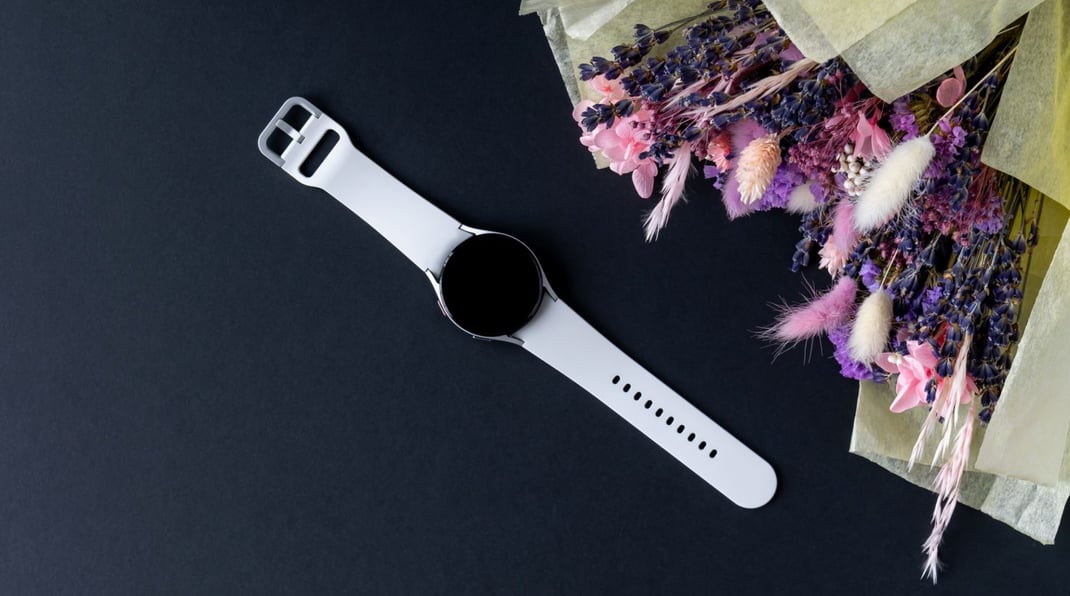

How the Right Watch Strap Can Transform Your Style
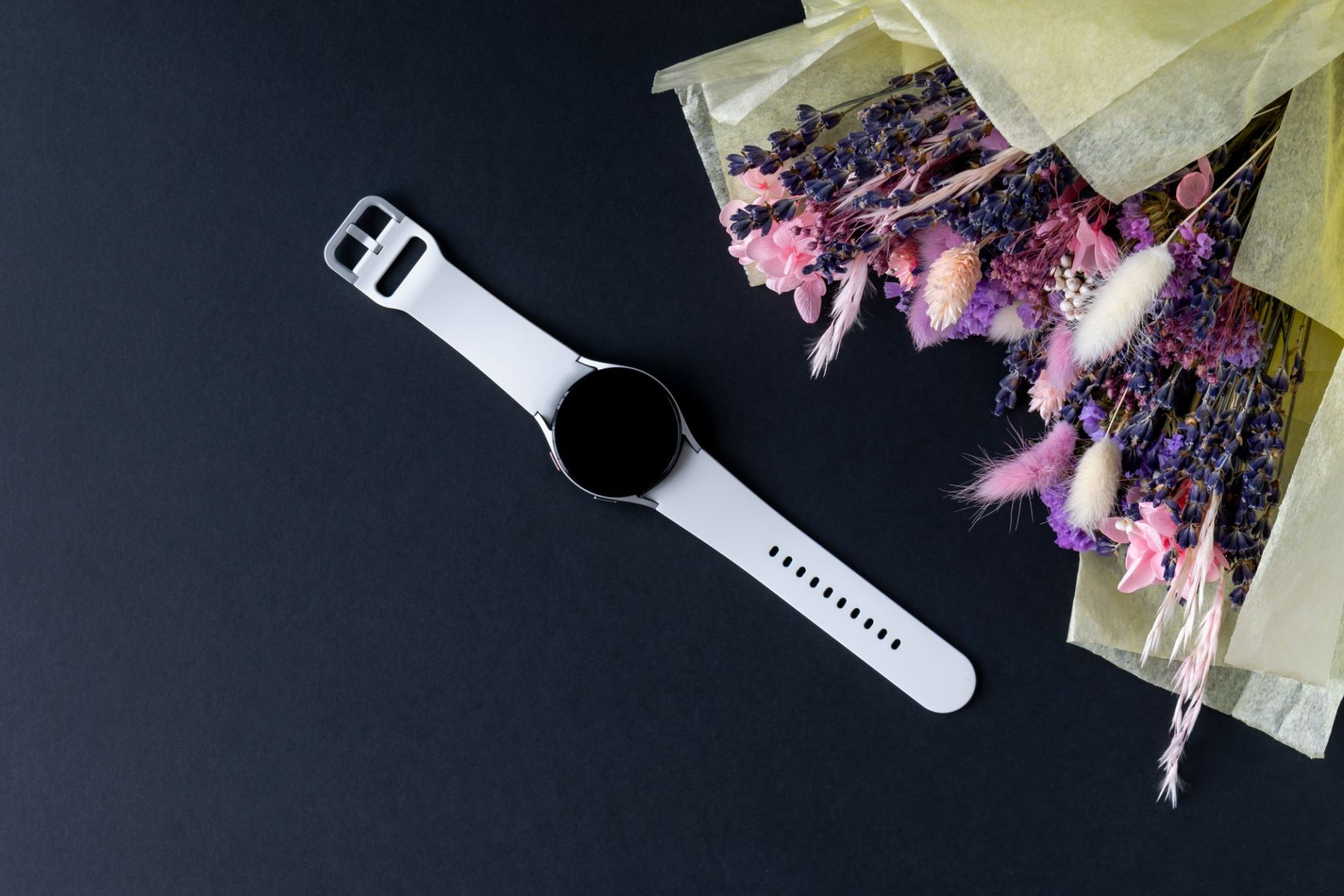
A watch is often treated as a fixed accessory, something chosen once and worn the same way day after day. In reality, its appearance is far more flexible than it seems. While the case and dial tend to define the watch’s core identity, the strap shapes how that identity is read in everyday life. Small changes in material, colour, or texture can alter whether a watch feels formal, relaxed, sporty, or understated. This is why changing your watch strap is frequently the simplest way to refresh personal style without replacing a watch that already feels familiar.
Why the Strap Matters More Than Most People Realise
When people notice a watch, they rarely isolate the case from the strap. Instead, the eye reads the watch as a single object, framed by what holds it to the wrist. A polished case paired with a stiff leather strap conveys something very different from the same case on a fabric or rubber strap. The strap sets the tone, acting almost like footwear does for an outfit: subtle, but decisive.
This framing effect explains why two people wearing identical watches can project entirely different impressions. One may appear formal and traditional, the other casual and modern, simply because of the strap choice.
Material as a Style Signal
Each strap material carries its own visual language. Leather is often associated with classic or professional settings, especially when finished in dark, neutral tones. Metal straps tend to communicate durability and precision, sometimes leaning toward a more technical or business-oriented look. Fabric and nylon straps introduce a relaxed, everyday feel, while rubber and silicone are commonly linked to active or outdoor use.
These associations are not rules, but they do influence perception. Choosing a strap is less about following trends and more about deciding which visual message fits a given context.
Colour and Contrast on the Wrist
Colour plays a significant role in how a watch integrates with clothing. A strap that closely matches the dial or case creates a cohesive, understated look. By contrast, a strap that deliberately contrasts with the watch head draws attention and becomes part of the outfit rather than a background detail.
Neutral colours tend to blend seamlessly into wardrobes, while brighter or patterned straps act as accents. Neither approach is inherently better; they simply serve different purposes depending on whether subtlety or expression is the goal.
Proportion and Comfort
Beyond appearance, a strap’s physical proportions affect how a watch feels and looks in use. A strap that is too narrow can make a larger watch appear unbalanced, while one that is too wide can overpower a smaller case. Thickness matters as well, as it influences whether a watch feels refined or rugged.
Comfort is closely tied to these proportions. A strap that sits naturally on the wrist and adjusts easily is more likely to be worn regularly. Style and comfort often reinforce each other: when a watch feels good to wear, it becomes part of daily life rather than an occasional accessory.
Adaptability Across Occasions
One of the most practical advantages of interchangeable straps is adaptability. The same watch can shift roles throughout the week, appearing professional in one setting and relaxed in another. This adaptability reduces the need to own multiple watches for different situations, allowing a single familiar piece to serve instead.
This approach aligns with broader shifts toward more intentional consumption. Rather than accumulating objects, many people look for ways to extend the usefulness of what they already own by recontextualising it.
Historical Perspective on Watch Customisation

Customisation is not a modern idea. Historically, watches were often sold with minimal focus on straps, which were replaced or repaired as needed. Over time, the strap became a defining part of a watch’s identity, even though it remains the most easily changeable component.
Organisations such as the British Horological Institute have documented how functional considerations, such as durability and wearability, influenced strap design long before watches were treated as fashion items. This history underscores how closely form and function have always been linked in watchmaking.
Social and Cultural Signals
A watch strap can also signal belonging or preference within certain social or cultural groups. Some strap styles are associated with professional environments, while others are associated with leisure or travel. These signals are often subtle, but they shape first impressions in much the same way clothing choices do.
Because of this, strap changes can be a way to align a watch with evolving personal identity, without abandoning the object itself. The watch remains constant, while the strap reflects shifts in lifestyle or taste.
A Small Change With Visible Impact
What makes strap changes especially appealing is the ratio between effort and effect. Few adjustments offer such a visible transformation with so little disruption. There is no learning curve, no need to adapt to a new watch, and no loss of familiarity. The difference is immediate and easily reversible.
Over time, this flexibility encourages experimentation. Trying different straps can sharpen awareness of how small design choices influence overall style, leading to more confident decisions across other accessories as well.
Rethinking the Watch as a Modular Object
Seen this way, a watch is less a static accessory and more a modular one. Its core remains the same, but its presentation adapts. This perspective shifts attention away from constant replacement and toward thoughtful modification.
In everyday terms, the right strap does not just complement a watch; it reshapes how that watch participates in daily life. By recognising the role the strap plays, it becomes easier to treat watches as evolving pieces rather than fixed statements, capable of changing alongside the person who wears them.