
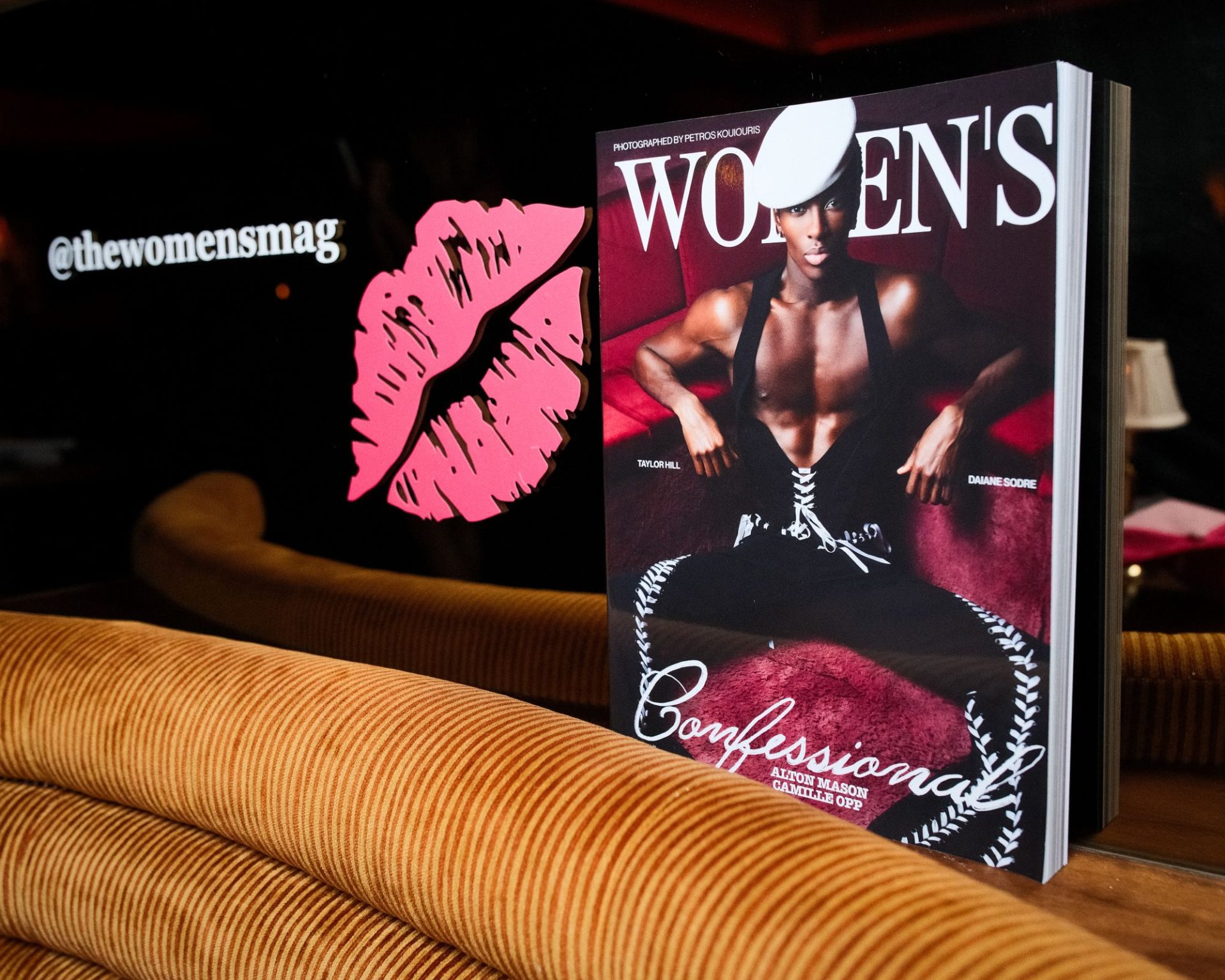
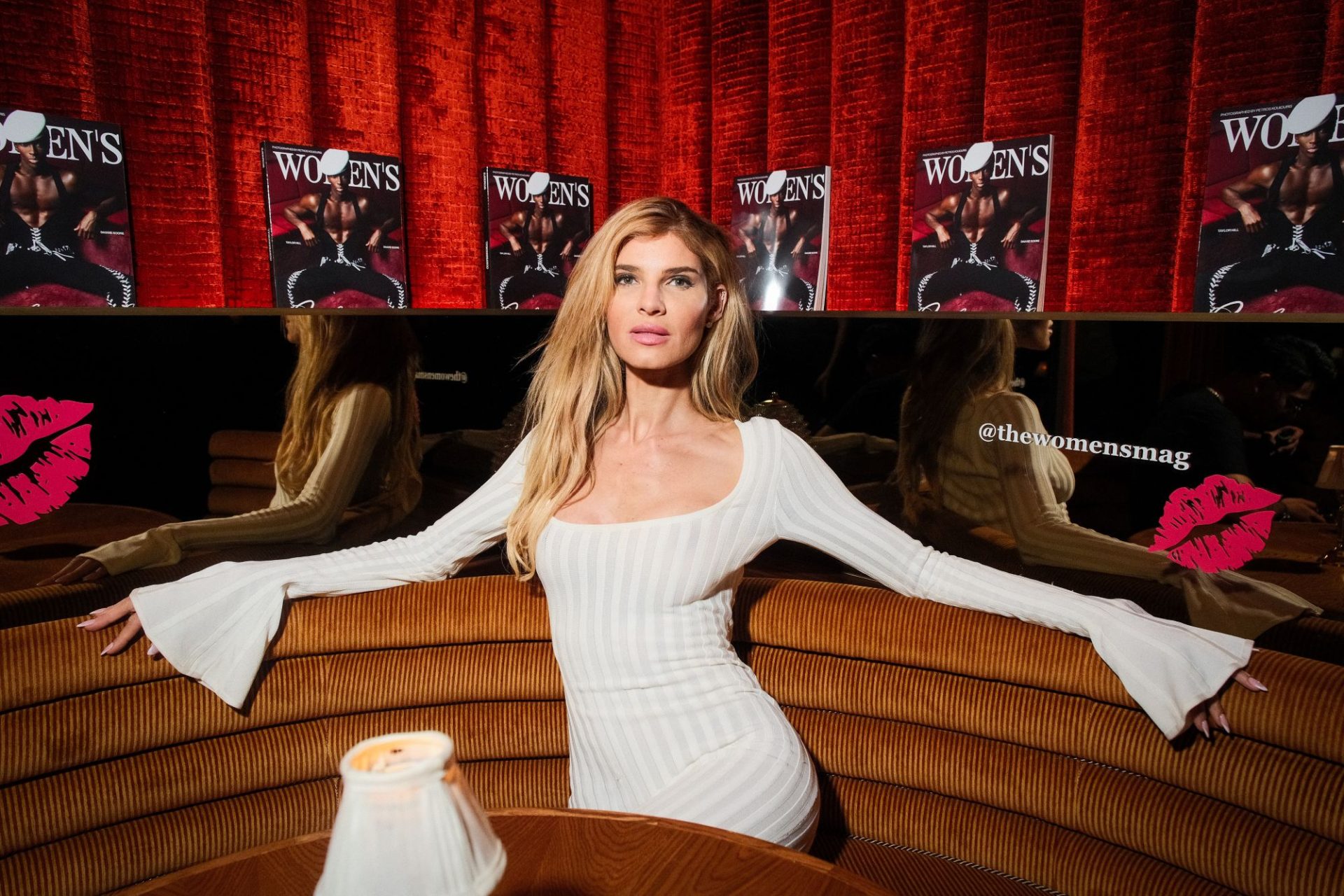
Women’s Magazine, Von Dutch and Reserve Jets brought fashion, music and culture together for New York Fashion Week on Sept. 11 at Crane Club Restaurant in New York City, for a late-night celebration hosted by entrepreneur, founder and creative director GiGi Burk.
Held in the bustling Meatpacking District, a hub of Fashion Week activity, the invitation-only event welcomed 400 guests for an evening that underscored Women’s Magazine’s growing position at the intersection of fashion, celebrity and contemporary culture, less than two years after its launch.
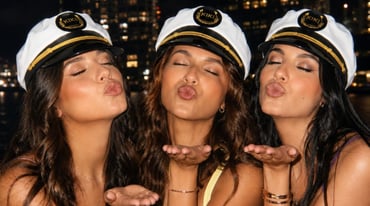
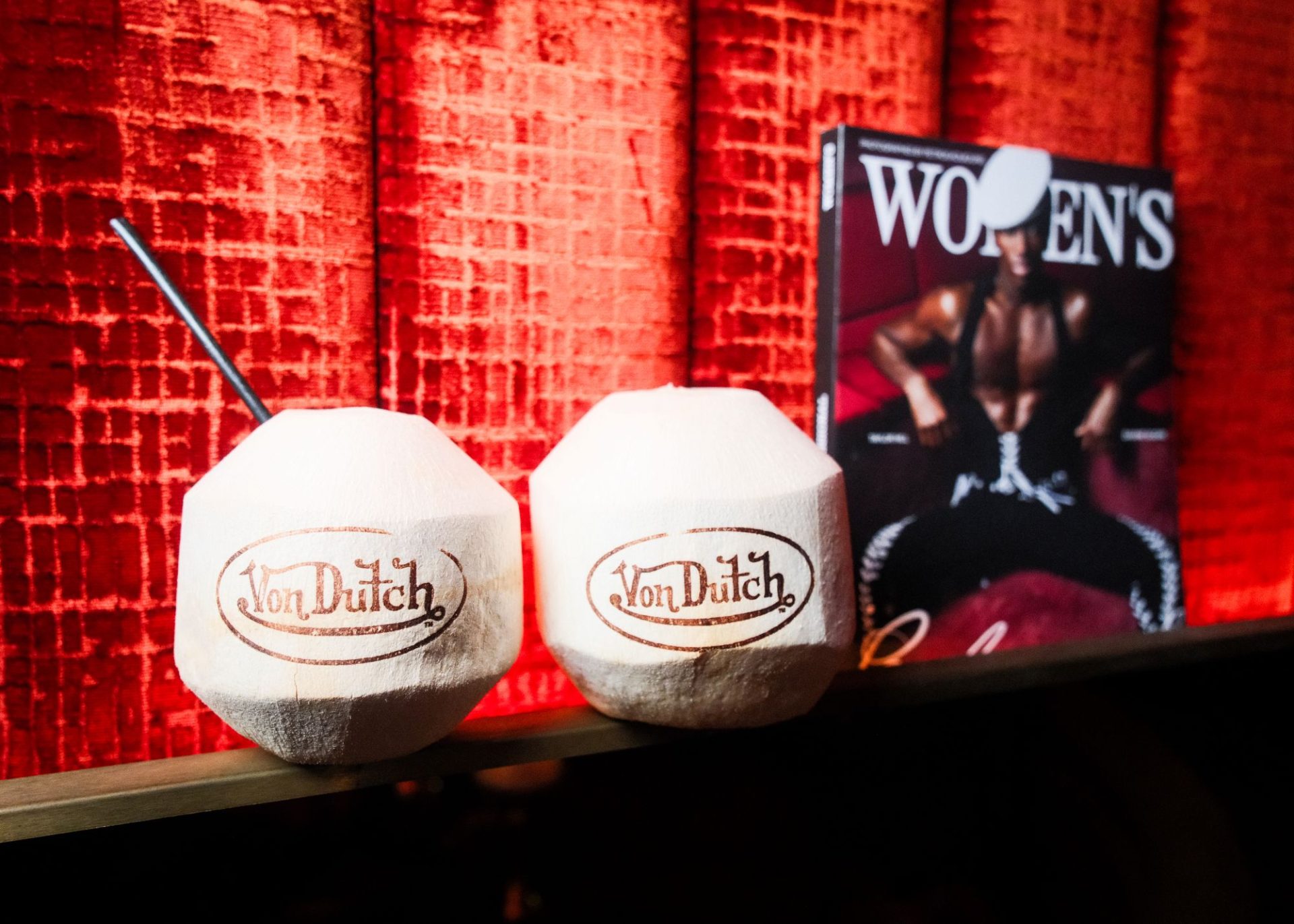
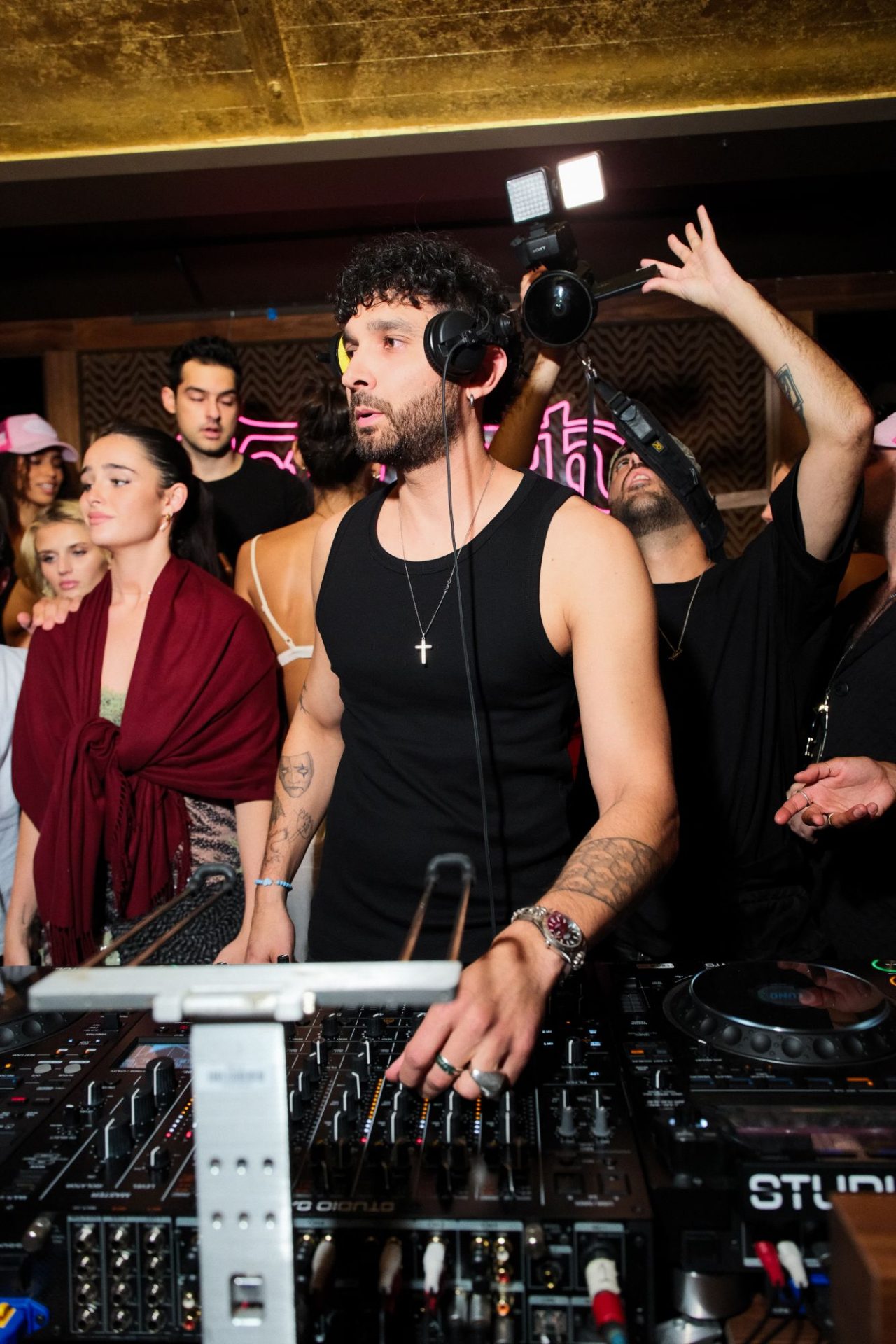
The night featured a set by Adriatique, the Zurich-based electronic duo known for its global dance-floor presence and headline performances worldwide. Partygoers sported custom Von Dutch NYFW pink trucker hats and moved through a series of branded experiences, including custom flash tattoos, Von Dutch-branded coconuts, an extravagant candy room, dancing, and bottle service. Immersive photo moments and branded mirrors filled the space.
The energy rose once Adriatique took over the DJ booth, and the lights dimmed. Pink neon Women’s Magazine and Von Dutch signs became the room’s main illuminated elements, casting the space in the brands’ signature glow.
The guest list brought together figures from fashion, entertainment, music and internet culture, including Women’s Magazine founder and creative director GiGi Burk, nightlife notable Luciano Scalioni, Reserve Jets founder Hassan Chowdhury, Ellen von Unwerth, Dixie D’Amelio, Ashley Haas, Syria Moskowitz, Jessee O., Irene Crespo, Grace Young, Taryn Grobbel, Elisabeth Edwards, Huddy, Mitsy Sanderson, Noor Zahra, Chris Theo, Sunny Suljic, Sofia Jamora, Olivia Alboher, Sergio Farias, Tika Camaj, Sophie de Han, Kaelin Dalzell, Cait Knight, Julia Ernst, Kaitelyn Ernst, Linn Aker, Maurice Fadida, Richie Romero and Ronnie Madra, as well as TAO Group founder Noah Tepperberg, among many others.
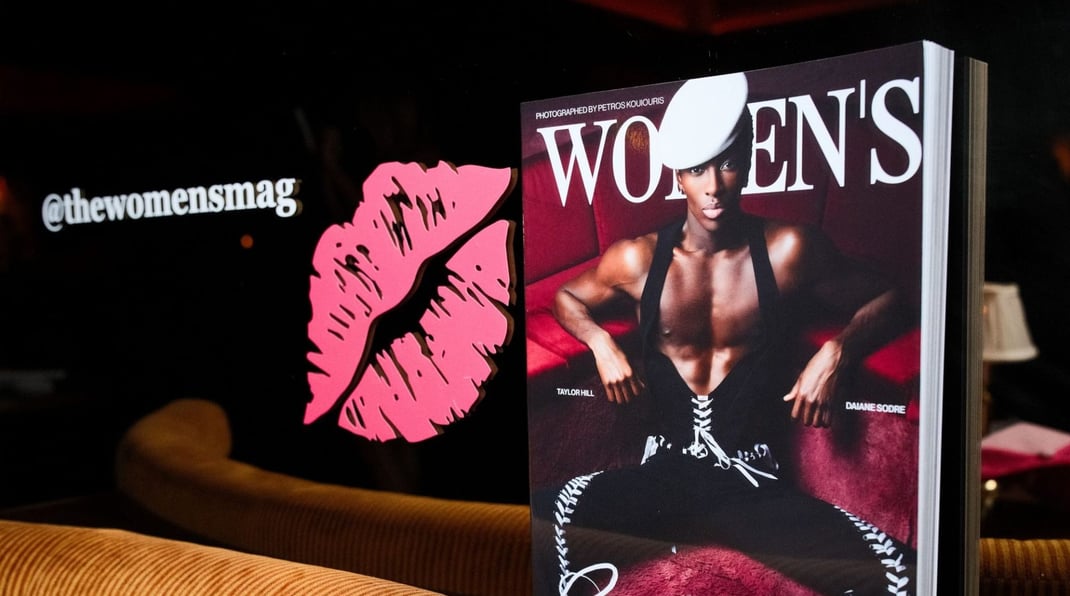
The 2026 NYFW event arrives one year after the launch of Women’s Magazine, the independent New York publication founded by Burk, who serves as editor-in-chief at 22. Since its debut in 2025, Women’s Magazine has sold out Issues N.01 and N.02, moving 8,000 copies in a single quarter and distributing across seven cities without paid acquisition. Its latest issue, N.03, features Teyana Taylor and Mick Jagger on the covers, alongside inserts by Ellen von Unwerth photographed in Saint-Tropez. The magazine will next activate at Paris Fashion Week later this month.
The magazine’s physical editions have been accompanied by an expanding live-events business.
The brand’s growing cultural footprint also extends to the Icon Society, an invitation-only community representing approximately 126 million combined followers, while Burk’s weekly interview series continues to build the publication’s digital audience. Approximately 80 percent of Women’s Magazine’s audience is between 18 and 34, placing the title within a demographic that traditional luxury and media brands have increasingly sought to reach.
Friday night’s celebration marked another chapter in a year of rapid growth for the independent title — one that began with a single printed issue and has since expanded into a multi-city editorial, digital, and experiential platform.
अनुसरण करना @vondutch @thewomensmag on social for news and updates.
Strategic Brand Partnerships and Experiential Design
The collaboration between Women’s Magazine, Von Dutch, and Reserve Jets represented a calculated alignment of distinct cultural signifiers. Von Dutch, a heritage label synonymous with early-2000s Americana and automotive culture, has undergone a deliberate repositioning under new creative leadership to capture Gen Z nostalgia while maintaining its rebellious edge. The custom pink trucker hats distributed at the event served as immediate visual currency, transforming attendees into walking brand ambassadors across social platforms. Reserve Jets introduced an aspirational mobility element, connecting the publication’s high-octane editorial voice with the logistical reality of a global fashion calendar. The Crane Club Restaurant, with its industrial-luxe aesthetic and private garden, provided a venue flexible enough to accommodate high-density networking and intimate brand activations simultaneously. Each touchpoint – from the flash tattoo station referencing Von Dutch’s tattoo heritage to the branded coconuts nodding to jet-set leisure – was engineered for maximum shareability without sacrificing editorial credibility. This multi-layered approach reflects a sophisticated understanding of modern event marketing where physical experiences must translate seamlessly into digital content.
The Business Model Behind an Independent Media Success
Women’s Magazine has disrupted conventional publishing economics by rejecting the advertorial-heavy, traffic-dependent model that plagues legacy titles. The publication’s ability to sell 8,000 copies per issue across seven cities without paid acquisition signals genuine audience demand rather than manufactured reach. Revenue streams now span print subscriptions, sponsored experiential activations, the Icon Society membership tier, and branded content partnerships that maintain editorial integrity. Burk’s decision to self-fund the launch and retain full creative control has allowed the title to move at the speed of culture rather than the pace of quarterly board reviews. The magazine’s physical scarcity – limited print runs, collectible cover variants, and insert artworks by photographers like Ellen von Unwerth – creates secondary market value and reinforces its position as a cultural artifact rather than disposable media. With approximately 80 percent of readers aged 18 to 34, the title commands premium CPMs from luxury houses struggling to reach this demographic through traditional channels. The upcoming Paris Fashion Week activation will test the model’s international scalability and its ability to convert European readership into the same engaged community built in New York.
Cultural Timing and the Rebirth of Nightlife as Media
Friday’s celebration arrived at a pivotal moment when nightlife has reasserted itself as a primary media channel for fashion and lifestyle brands. The post-pandemic recovery of New York’s after-hours economy has created a vacuum for curated, credentialed experiences that filter cultural noise into signal. Women’s Magazine has positioned itself as both chronicler and curator of this renaissance, leveraging Burk’s native fluency in downtown social dynamics. The presence of figures like Noah Tepperberg, whose TAO Group empire defined an earlier era of hospitality-meets-media, alongside internet-native creators like Dixie D’Amelio and Huddy, illustrated the event’s bridging function between establishment nightlife and creator economy power structures. Adriatique’s performance – melodic, atmospheric, and resolutely underground despite global festival headliner status – signaled a musical curation strategy that prioritizes credibility over mass appeal. This approach mirrors the magazine’s editorial voice: authoritative but accessible, niche but not exclusionary. As Fashion Week calendars fragment and brands redirect budgets from runway shows to targeted experiences, publications that own their distribution and physical touchpoints will capture disproportionate influence. Women’s Magazine’s evolution from print title to experiential platform may become the case study for the next generation of independent media.