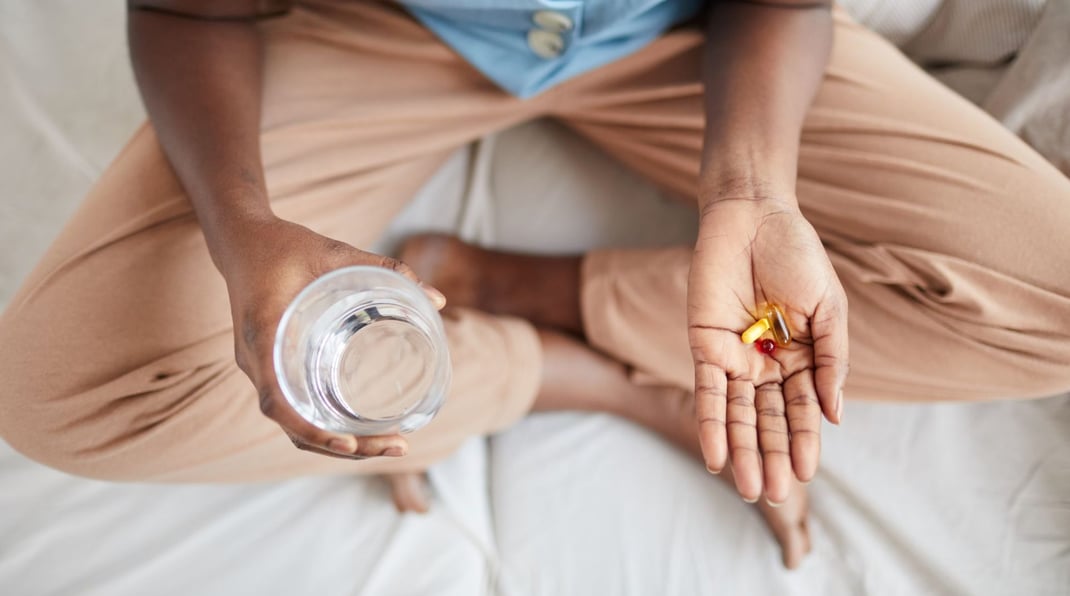

Healthy habits for 2026 may feel a bit different from those of past years, mostly because daily routines are shifting in ways experts believe may support long-term well-being. People are paying closer attention to how their bodies respond to stress, food, movement, and digital overload. The goal is a lifestyle that feels doable, not punishing. It is believed to help people stay consistent because habits grow with them rather than demanding an overnight overhaul. That spirit sets the tone for the year ahead and may guide a positive, constructive path forward.
Prioritizing Rest In A Noisy World
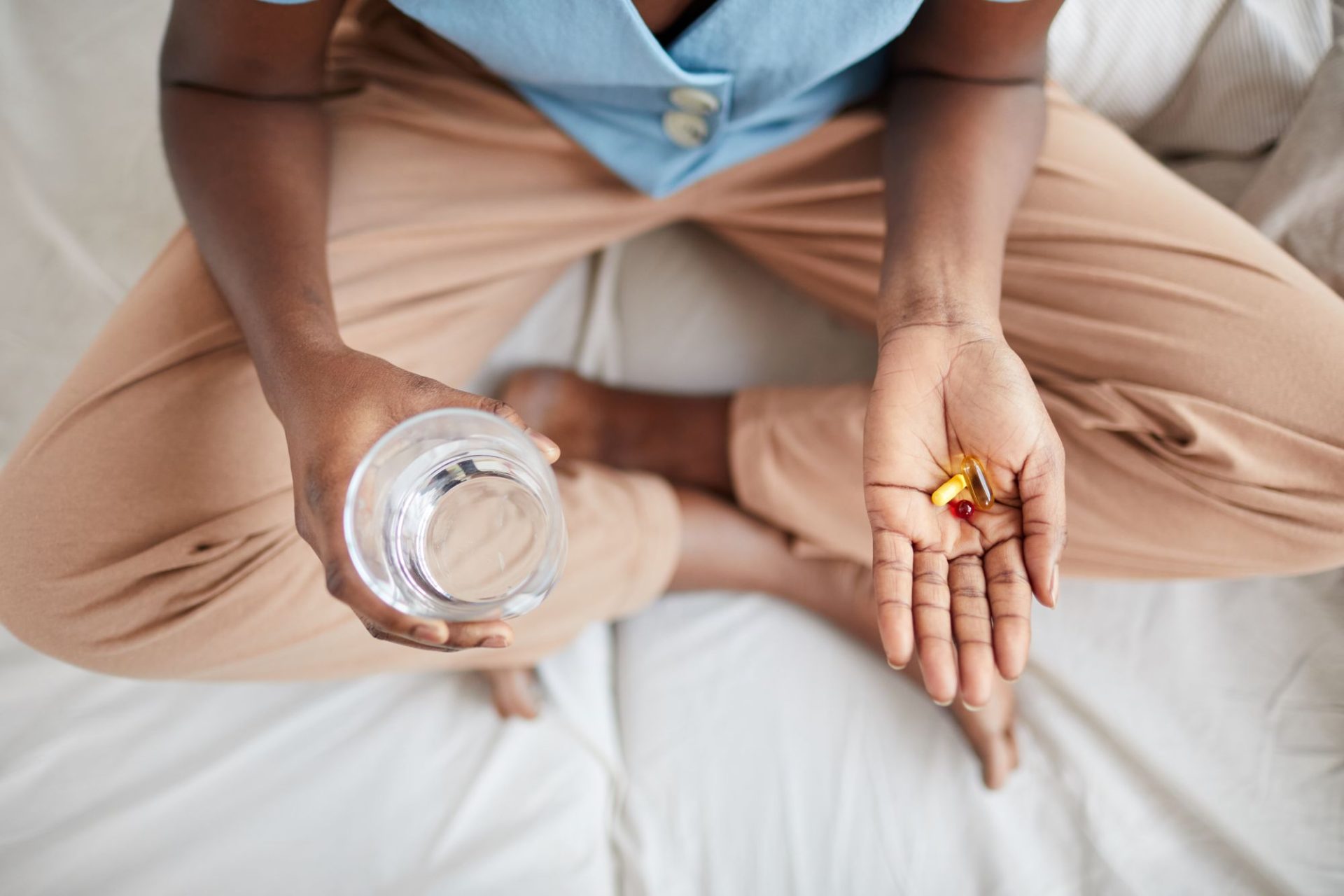
Rest may be the foundation of every other habit people want to build in 2026. Constant notifications and evening screen time have trained many minds to stay alert far longer than needed, which is believed to affect the depth and quality of nightly sleep. A shift toward calmer evenings, not elaborate routines, may help replenish energy reserves. Some individuals explore gentle support through sleep supplements such as melatonin and Valerian Root, which are believed to support relaxation and circadian rhythms. However, responses vary and should be approached with care. What matters most is finding practices that signal the body to settle, whether that is dimming lights, listening to something quiet, or choosing a consistent bedtime. These patterns may strengthen overall resilience and make the rest of the day far more manageable.
Building A Mindful Connection To Food
Food habits for 2026 may move away from labeling meals as good or bad and instead encourage paying attention to how certain foods feel once eaten. Many people are starting to notice hunger cues, fullness cues, and the emotional patterns that surround eating. This approach is believed to reduce the swings that sometimes happen with restrictive diets. A focus on slow, steady nourishment may lead to better energy levels, improved digestion, and a calmer relationship with mealtime. Cooking at home is enjoying renewed attention, partly because it can create a sense of structure and partly because it lets people choose ingredients that leave them feeling settled rather than sluggish. Nothing here needs to be complicated. Small, consistent choices often have a way of reshaping daily life without turning it into a project.
Returning To Movement That Feels Energizing
Movement may be one of the most intuitive habits to adjust as the new year grows closer. Many people have realized that they stick with activities they enjoy, not the ones that feel like punishment. Fitness culture is calming down a bit, and that change is believed to promote long-term consistency. Strength training continues to gain attention because it may support bone density, metabolism, and confidence. Group classes show no signs of slowing either, especially fitness bootcamps that offer a mix of community energy and targeted workouts. They may feel motivational for those who like structure without needing to plan every rep themselves. The real trend here is sustainability. People want movement that fits the body they have today and can evolve with them through the seasons.
Protecting Mental Space In An Overconnected Era
Mental space may become one of the most valued resources of 2026. As digital life expands, the mind takes in more information than it can realistically sort through. It is believed that small shifts, like creating tech-free zones or stepping outside for five quiet minutes, may soften the intensity of the day. Approaches rooted in mindfulness, breathing work, or simple grounding techniques may help people pause before stress spirals. This year is shaping up to highlight the idea that mental hygiene is just as meaningful as physical hygiene. People are learning that rest, boundaries, and small protective rituals may support emotional balance in ways that keep them steady during unpredictable weeks.
Recalibrating Daily Routines For Stability
Routines in 2026 may become more flexible and more personal. The habits that worked a decade ago no longer match a modern pace of work or family life. Experts believe that blending structure with adaptability may give people the best chance of maintaining consistency when plans inevitably shift. Morning rituals might be simpler. Evening routines might favor grounding over productivity. People are starting to create rhythms that feel intentional instead of rushed. This recalibration may also open the door to healthier work habits, such as taking breaks, resetting posture, or setting more sensible boundaries between professional and personal hours. The theme is steadiness and the belief that small daily behaviors may ripple into bigger outcomes over time.
Strengthening Community Connections For Wellbeing
Community may play a bigger role in wellness conversations in 2026. The past few years have shown many people how isolating certain routines have become, and there is a renewed interest in connection that feels supportive rather than draining. Social relationships are believed to influence long-term health markers, emotional resilience, and even motivation for other lifestyle habits. Finding a group, whether in person or virtual, that shares similar goals may help keep healthy habits from feeling lonely. Walking with neighbors, joining a local class, or cooking with a friend once a week are all small ways to build a more grounded sense of belonging. Wellness often grows stronger when shared, even in simple ways.
Healthy habits for 2026 may thrive when they feel kind, steady, and flexible. A positive shift is unfolding, one that replaces pressure with curiosity and long-term support. This mindset is believed to help people build routines that work with real life rather than against it, setting the stage for a year that feels nurturing and sustainable.