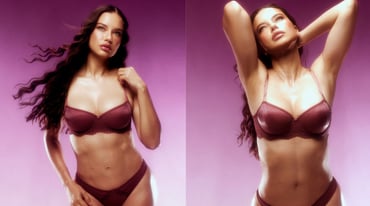


In New York, an outfit is rarely viewed from a single angle. It is seen while crossing a busy avenue, reflected in a shop window, photographed outside a restaurant, or compressed into the brief moment before subway doors close. Clothes need presence, but they also need practicality. Few accessories manage that balance as effectively as a well-chosen pair of sunglasses.
Sunglasses can change the mood of an outfit before anyone notices the label inside a jacket or the cut of a dress. A narrow rectangular frame can make relaxed denim feel sharper. A sculpted cat-eye can give simple tailoring a more confident finish. An oversized pair can turn an ordinary coat into something cinematic.
Their influence comes partly from their position. Sunglasses sit directly on the face, where they interact with the eyes, eyebrows, cheekbones, and hair. They are not a finishing detail hidden at the edge of an outfit. They help define how the entire look is read.
Choosing the right pair, therefore, involves more than following a seasonal trend. Shape, scale, material, color, and fit all matter. The strongest frames do not simply look attractive on their own. They become part of the wearer’s visual identity.

Why Eyewear Has Become Central to Personal Style
A handbag may be set down, a coat may be removed, and jewelry can disappear beneath clothing. Sunglasses remain immediately visible. They frame the face and often become the first accessory another person notices.
This visibility gives them unusual expressive power. Dark, angular frames can communicate precision and confidence. Thin metal frames feel lighter and more discreet. Rounded shapes may soften a tailored outfit, while lifted corners can introduce a sense of drama.
The same clothing can appear completely different when the eyewear changes. Consider a black blazer, white T-shirt, and straight-leg jeans. With classic tortoiseshell frames, the outfit feels relaxed and established. Add slim black rectangles, and it becomes more directional. Replace them with oversized tinted lenses, and the result feels glamorous.
This is why sunglasses deserve to be selected with the same care as shoes or a handbag. They may occupy less physical space, but their visual effect is often greater.
Start with Proportion, Not a Trend List
Traditional styling advice often reduces eyewear selection to a strict set of face-shape rules. Round faces are directed toward angular frames, square faces toward curves, and heart-shaped faces toward styles that balance the forehead.
These principles can provide a useful starting point, but they should not be treated as fixed instructions. Two people with similar face shapes may have different brow lines, cheekbone placement, hairstyles, and personal preferences. A frame that looks elegant on one may feel awkward on the other.
Proportion offers a more practical way to evaluate a pair.
The outer edges of the frame should relate naturally to the width of the face. Frames that extend far beyond the temples can look deliberately dramatic, but they should still feel balanced. Very narrow styles create a sharper effect and may place greater emphasis on the cheeks and brow.
The bridge also matters. A frame that sits too low can conceal the eyebrows and make the face appear visually compressed. One that rests too high may feel unstable or create an unnatural gap around the nose. Comfort and appearance are closely connected here; a poorly fitted bridge rarely looks effortless.
When comparing designer sunglasses for women, begin by considering the relationship among frame width, brow line, and bridge fit rather than focusing solely on a logo or decorative feature. The most convincing pair will look intentional from the front, side, and three-quarter view.
Rectangular Frames Bring Structure to an Outfit
Rectangular sunglasses have become a reliable choice for women who prefer clean, controlled styling. Their straight lines create definition, making them particularly effective with relaxed clothing.
A narrow rectangular frame can sharpen an oversized shirt, loose tailoring, or a simple knit dress. The contrast is important. When clothing has volume or softness, a precise frame gives the outfit a clear focal point.
Wider rectangular styles create a stronger architectural presence. They work well with long coats, structured blazers, and monochromatic dressing. Black frames feel direct and graphic, while brown or tortoiseshell versions introduce warmth.
Rectangular sunglasses also suit casual wardrobes. Worn with denim, a white shirt, and loafers, they add polish without making the outfit feel formal. With sportswear, they can create a deliberate high-low contrast that feels appropriate for city dressing.
The key is to avoid unnecessary competition. When the frame is bold, earrings and hair accessories can remain restrained. A strong shape already provides enough definition around the face.
Cat-Eye Sunglasses Offer More Than Retro Glamour
The cat-eye frame is often associated with vintage femininity, but contemporary interpretations can feel sharp, minimal, and modern. The defining feature is the upward movement at the outer corners, which naturally draws attention toward the temples and brow.
A subtle cat-eye works easily during the day. It can soften a trouser suit, refine a knit-and-denim combination, or add character to a simple summer dress. More exaggerated versions create stronger drama and work especially well with evening clothing.
The angle of the lift determines the overall effect. A gently raised corner feels elegant and versatile. A sharply pointed wing looks more theatrical. Thick acetate adds visual weight, while a slender metal construction keeps the silhouette light.
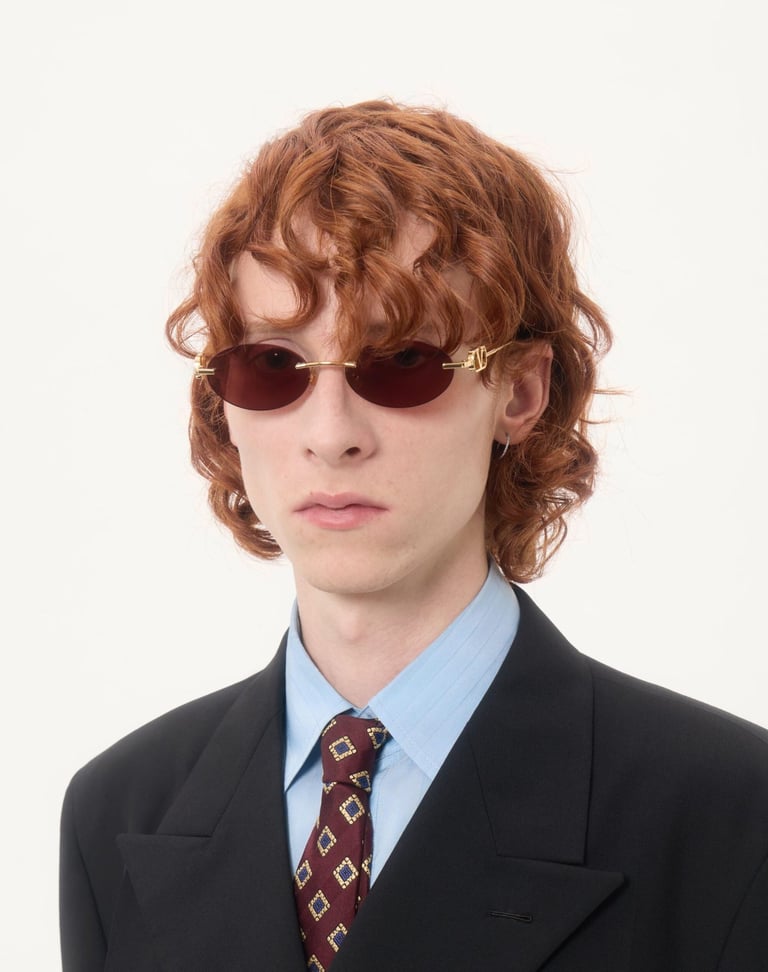
Color can also move the frame away from predictable retro styling. Deep burgundy, ivory, transparent grey, and warm brown feel distinctive without becoming difficult to wear. Black remains timeless, but it produces the strongest contrast and therefore requires the most attention to scale.
Cat-eye sunglasses are most successful when they feel connected to the wearer’s personality. The shape already carries confidence, so the rest of the outfit does not need to work too hard.
Geometric and Oval Frames Create Different Kinds of Impact
Geometric sunglasses introduce interest through unexpected lines. They may use angled corners, irregular lens shapes, or sculpted temples to create a more directional appearance.
These styles pair naturally with minimal clothing because the frame becomes the central design feature. A geometric metal pair can transform a plain black dress or neutral suit without requiring additional statement accessories. Acetate versions offer more visual weight and can hold stronger colors or patterns.
Because geometric frames are distinctive, fit becomes especially important. The angles should relate to the face rather than appearing disconnected from it. Trying the frame from several viewpoints is essential, as a design that looks balanced from the front may feel too wide or heavy from the side.
Oval sunglasses create a different mood. Their curved shape can appear understated, nostalgic, or playful depending on the scale. Small oval frames have a strong fashion identity, while larger versions feel softer and easier to wear.
They work particularly well when an outfit already contains straight lines. An oval frame can soften a sharp blazer, a square neckline, or a structured handbag. This contrast prevents the overall look from becoming too rigid.
Neither geometric nor oval eyewear should be chosen simply because it is fashionable. Their value lies in how well the shape supports the wardrobe already being worn.
Acetate and Metal Frames Communicate Differently
Material changes the personality of eyewear as much as shape does.
Acetate frames tend to have greater visual presence. They can support saturated color, transparent finishes, tortoiseshell patterns, and sculpted proportions. A thick acetate frame feels confident and graphic, while a thinner version appears more refined.
The depth of the material also affects how color is perceived. Transparent acetate interacts with light and skin tone, creating a softer effect than an opaque frame. Dark acetate produces stronger definition and may become the main focus of the face.
Metal frames feel lighter. They can appear almost jewelry-like, particularly when the temples or bridge include careful detailing. Gold tones add warmth, silver creates a cooler finish, and darker metal can provide definition without the weight of thick black acetate.
Mixed-material frames offer another possibility. Acetate around the lenses combined with metal temples can balance structure and lightness. These designs often work well for women who want a noticeable frame without making it the only element visible around the face.
The choice should reflect both style and use. A dramatic acetate frame may be ideal for occasions when the sunglasses are meant to lead the outfit. A fine metal pair can integrate more quietly into everyday dressing.
Color Should Work with the Wardrobe and Complexion
Black sunglasses are popular for good reason. They are versatile, easy to coordinate, and capable of creating immediate definition. They are not, however, the only practical choice.
Tortoiseshell is often softer against the face and works naturally with camel, cream, navy, denim, olive, and chocolate brown. The pattern adds depth without functioning like a bold print.
Warm brown frames can be particularly effective in wardrobes built around earthy colors. They also create less contrast than black, which may suit softer styling or daytime outfits.
Transparent and translucent frames offer a modern alternative. Clear grey, pale blush, champagne, and muted green can introduce color while allowing some of the wearer’s features to remain visible through the material.
White or ivory frames have a stronger graphic quality. They can look striking in black, summer neutrals, or bright colors, but they require confidence because they immediately draw attention.
Bright frames work best when they have a clear relationship with the outfit. A red pair can echo a handbag, lipstick, or small print detail. A blue frame may complement denim or contrast with warm beige clothing. Exact matching is unnecessary; the colors simply need to feel intentional together.
Lens color should also be considered. Grey and dark lenses tend to feel classic, while amber, rose or gradient lenses introduce more personality. The final choice should suit the situations in which the sunglasses will actually be worn, not just the way they look in a photograph.
Styling Sunglasses for a New York Wardrobe
A city wardrobe demands versatility. The same accessory may be worn during a morning commute, an afternoon meeting, and dinner later in the evening.
For workwear, sunglasses should complement the clothing’s structure. Rectangular frames pair well with tailored trousers, a clean shirt, and a long coat. A restrained cat-eye can introduce personality without disturbing a professional silhouette.
On casual days, eyewear can provide the polish that simple clothes need. Jeans, a fine knit, and flat shoes become more deliberate when finished with a strong acetate frame. The sunglasses act as the outfit’s main point of interest.
For evening, consider how the frame interacts with makeup, earrings, and neckline. Oversized or heavily detailed sunglasses may compete with statement jewelry. A cleaner frame often creates a more sophisticated transition from daylight to dinner.
Summer dressing allows more experimentation. Lightweight dresses, linen separates, and open necklines provide visual space for color, transparency, and sculpted shapes. In winter, darker frames can echo boots, gloves, and outerwear, creating a more unified composition.
Hair also changes how sunglasses appear. Frames worn with hair pulled back become fully visible and may look stronger. Loose hair partially conceals the temples, making even a bold design feel softer. Both approaches can work; they simply produce different results.
What Makes a Pair Worth Keeping
A successful luxury purchase should remain useful after its first season. Novelty may attract attention, but proportion, material, and craftsmanship determine whether the sunglasses remain relevant.
Look closely at the transition between the front of the frame and the temples. Hinges should feel secure, and decorative details should appear integrated rather than merely attached for no purpose. The frame should sit evenly and remain comfortable without constant adjustment.
Consider how often the shape can be worn. A highly distinctive pair may still offer excellent value if it suits the wearer’s lifestyle and appears regularly. A supposedly timeless design offers little value when it remains unused because the fit or color feels wrong.
It also helps to identify the role the sunglasses will play. Some women need one versatile pair that works with nearly everything. Others may prefer separate frames for professional clothing, weekends, and travel. There is no universal formula, but each purchase should have a clear place.
Proper storage matters as well. Sunglasses should be kept in a protective case rather than placed loose inside a handbag. Lenses need to be cleaned with an appropriate cloth, and frames should not be left where heat could affect their shape. Small habits can preserve both appearance and fitness.
The Frame Becomes Part of the Person
The most memorable sunglasses do not look as though they were selected from a trend checklist. They appear connected to the person wearing them.
Over time, a repeated shape can become a signature. It may be an oversized black frame, a narrow rectangle, a lifted cat-eye, or a delicate metal design. The consistency creates recognition, even as the clothing changes.
This does not mean committing to one silhouette forever. Personal style develops through experimentation. A woman who usually wears minimal frames may discover that a bold acetate pair gives simple clothing new energy. Someone drawn to dramatic eyewear may find that a fine metal design creates a more interesting sense of restraint.
The goal is not to find a pair that attracts the most attention. It is to find one that makes the entire look feel more complete.
Designer sunglasses succeed when they balance expression with ease. They frame the face, sharpen an outfit, and communicate personality without requiring explanation. In a wardrobe shaped by movement, changing occasions, and individual taste, that combination makes them far more than a seasonal accessory.