High-End Skincare Is More Than Packaging, but Is It Worth the Price Tag? Yes.
The skincare aisle is a confusing place to live. On one end, you have bargain cleansers that promise the moon for under ten dollars. On the other hand, there are high-end jars that resemble those found in a museum, with price tags that rival the cost of a dinner for two at a fine restaurant. It’s fair to wonder if the splurge is justified or if you’re buying fancy glass and marketing. The short answer is yes, high-end skincare has real merit, and it goes far beyond packaging.

A Different Standard of Formulation
When you examine the components of high-end skincare, it’s clear that the science behind them is often more advanced than that of the average drugstore product. These products typically contain higher concentrations of active ingredients and are formulated to be stable, effective, and often gentler, while delivering stronger results. A serum from a luxury line isn’t just a watered-down version of a mass-market counterpart with a shinier bottle. It’s typically the result of years of research, proprietary delivery systems, and patented compounds.
The difference often lies in how these formulas interact with skin over time. High-end brands invest heavily in bioavailability, ensuring the active ingredients are actually absorbed where they need to be, rather than simply sitting on the surface. Retinols, vitamin C, peptides, and growth factors, when stabilized and delivered effectively, can bring visible improvement without the irritation that comes from less sophisticated blends.
Texture plays a role, too. High-end moisturizers and creams are formulated to blend seamlessly into the skin, leaving minimal residue and no heavy film behind. That sensory experience isn’t just an indulgence — it’s also functional, ensuring the product spreads evenly and penetrates without clogging pores. It’s this balance of performance and feel that creates a tangible difference once you start using it consistently.
Where Routine Meets Ritual
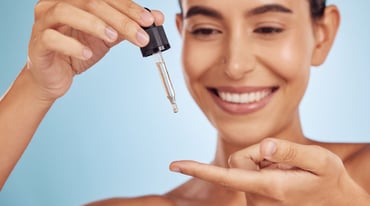
Luxury skincare isn’t just about results on paper; it’s about how people engage with their daily routine. Using a beautifully crafted cream or serum elevates what could feel like a chore into a small, ritualistic act. That ritual isn’t frivolous — it’s one of the reasons people stick to their regimen long enough to see lasting changes.
Consider the difference between rushing through a basic wash and slathering on products, or taking a deliberate moment with ones that feel indulgent yet purposeful. Skincare adherence isn’t often discussed, but it’s one of the most significant factors in determining whether results are visible or not. A high-end line can make that daily discipline something you look forward to.
For example, investing in a gentle face wash that removes impurities and makeup without stripping the skin can shift the tone of an entire evening routine. Instead of harsh lathering and tightness afterward, the skin feels clean yet balanced, setting the stage for serums and moisturizers to work as intended. That one experience can convert a rushed face wash into a soothing anchor for the day.
The packaging and scent are part of this psychological impact, but they’re not the whole story. It’s the design of the product — how it feels in hand, how it glides over skin, and how it leaves you after use — that ties into something more profound than simple function.

Full Body Care Deserves the Same Attention
High-end skincare doesn’t stop at the face, and it shouldn’t. The body has the largest surface area of skin and often gets the least thoughtful care. Drugstore lotions can temporarily ease dryness, but they rarely contain the same level of active ingredients as face creams. Luxury formulations for the body are beginning to change that.
This is where the concept of full-body skincare comes in. Brands are increasingly recognizing that treating the body with the same respect as the face makes a difference in skin health, tone, and texture. Think of firming body creams with peptides and niacinamide, or exfoliating lotions with stabilized acids that smooth without leaving skin raw. These aren’t overblown indulgences; they’re part of a comprehensive approach that takes skin seriously from head to toe.
When body products are formulated with the same level of precision as facial ones, the improvement can be noticeable in everything from hydration to resilience. And because skin on the body is exposed daily to environmental stressors — such as clothing friction, sun, and pollution — investing in better quality care is more than just cosmetic. It’s preventative, supporting long-term skin health.
The Role of Research and Innovation
Behind most luxury skincare lines is a level of research investment that’s often invisible to the consumer but fundamental to the difference in quality. Many high-end brands employ in-house dermatologists, biochemists, and even genetic researchers who study how skin behaves at a cellular level. That knowledge translates into products that address specific issues, from collagen breakdown to barrier repair, more precisely than generic formulas.
You’ll also see high-end lines bringing innovations to market first. Stabilized vitamin C was pioneered in prestige skincare long before it made its way to drugstore shelves. Encapsulated retinol, which allows for slow release and reduced irritation, followed the same path. Luxury skincare is often the testing ground for breakthroughs that later become industry standards.
Clinical trials, another costly endeavor, are more common in the high-end category. This means the claims on the jar are supported by measurable results, not just marketing language. While not every product is backed by extensive trials, those that are can give consumers a level of assurance that’s hard to find in cheaper options.
Sustainability and Craftsmanship
Another layer to consider is how these products are made. High-end skincare brands are under increasing pressure to align with sustainability goals, and many are leading the way with refillable packaging, responsibly sourced ingredients, and transparency in manufacturing. It’s not universal, but the trend is more visible here than among mass-market goods, where cutting costs often takes priority.
Craftsmanship also shows up in the finer details. Fragrance in luxury skincare, when included, is typically derived from higher-quality sources and used in carefully balanced amounts to avoid overwhelming the skin. Packaging isn’t just pretty; it’s often engineered to protect the stability of light- and air-sensitive ingredients, keeping products effective for longer. What appears to be aesthetic excess may actually be a functional design.
The Price of Confidence
At the heart of it, high-end skincare isn’t just selling creams and serums; it’s confidence in sales. But unlike the old cliché of “confidence in a bottle,” the confidence here comes from both science and sensory experience. If your skin responds well to an advanced formulation, you feel more at ease in your own appearance. And if the product makes you look forward to your routine, you’re more likely to keep up with it consistently, which is the real driver of transformation.
The higher price tag reflects the research, innovation, craftsmanship, and concentration of active ingredients inside. It’s not to say there aren’t excellent mid-range products that perform beautifully — there are. But when you ask if high-end skincare is worth it, the answer is yes, because it offers more than surface-level luxury. It delivers results while reshaping your daily skin care routine.
Closing Perspective
Skepticism about luxury skincare is healthy in a world where marketing often blurs lines between reality and aspiration. But when you strip away the noise, what remains is the combination of science, innovation, and experience that justifies the investment. High-end skincare isn’t about extravagance for its own sake; it’s about elevating both results and routine. And in that sense, yes, it’s worth the price tag.