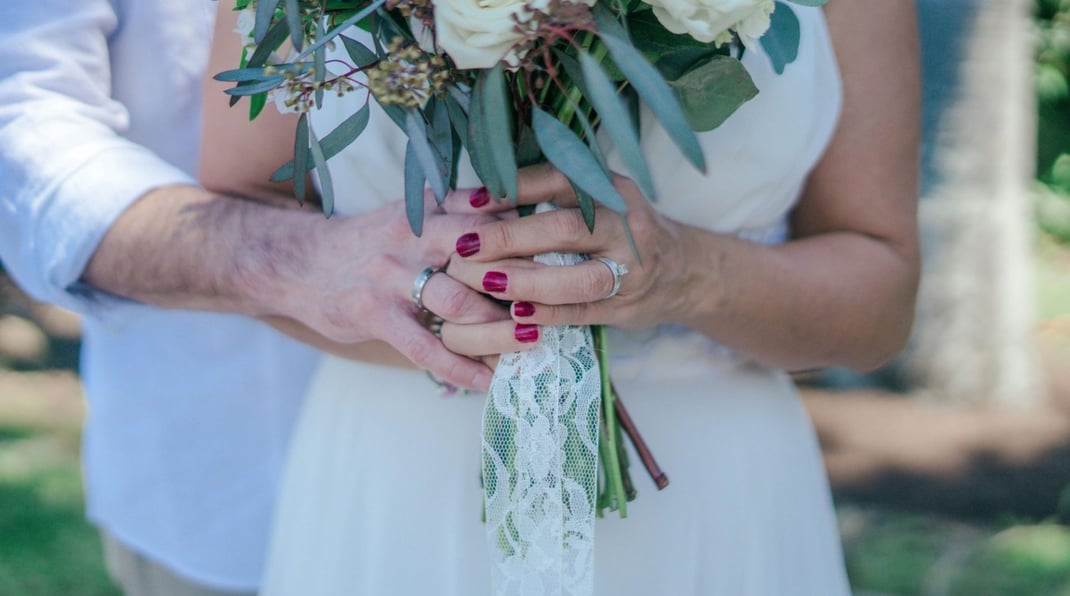

So you’re getting engaged. Congrats! Now comes the fun part, picking a ring that doesn’t make your bank account cry.
Let’s talk about Lab-Grown Diamond Rings, because they’re changing the entire Engagement Ring game in ways that actually make sense for modern couples.
They’re Real Diamonds (Seriously)
First thing everyone asks: “Are they real?”
Yes. They’re actual diamonds. Not cubic zirconia. Not moissanite. Not “diamond-like.” They’re chemically identical to mined diamonds, same carbon structure, same sparkle, same hardness that scratches literally everything else.
The difference? One was formed underground over billions of years. The other was formed in a lab over a few weeks using technology that recreates extreme pressure and heat.
A jeweler can’t tell them apart just by looking. They need specialized equipment to spot which one came from a lab versus a mine.
The Price Difference Is Wild
Here’s where it gets interesting. Natural diamonds of comparable quality are usually 60-80% costlier than lab-developed diamonds.
Real example:
- Quality 1ct natural diamond: $4,000–$6,000
- 1 carat lab diamond, same quality $800 — $1,500
That’s not a discount. That sits in a totally different price bracket.
What this Means for You:
- Get a way bigger stone for the same budget
- Spend less and use the money for something else (a honeymoon? a house down payment? student loans?)
- Upgrade the setting, the band, or add extra details you thought were out of reach
The math works better, and nobody looking at your hand will know (or care) which type you chose.
Your Ethics Stay Intact
Diamond mining has problems. Big ones that are hard to ignore once you know about them.
The Issues:
- Massive environmental damage from open-pit mining
- Water pollution is affecting local communities
- Questionable labor conditions in some regions
- Conflict diamonds fund violence despite regulations
- Nearly impossible to track a diamond’s complete journey
Lab-grown diamonds sidestep all of this. You know exactly where your diamond came from, a lab with an address, regulations, and workers with regular jobs. No ethical gray areas. No wondering if your symbol of love funded something awful.
For couples who care about where their money goes and what their purchases support, this transparency matters.
You Get More Design Freedom
When you’re spending less on the center stone, you’ve got budget left for everything else.
What Becomes Possible:
- Bigger carat sizes that would’ve been unaffordable otherwise
- More intricate settings with detailed metalwork
- Higher quality metals (platinum instead of white gold)
- Colored diamonds (pink, yellow, blue) without the luxury markup
- Custom designs instead of picking from what’s in stock
Traditional engagement ring shopping often means compromising. A smaller stone to afford a lovely setting. Simpler design to get the carat size you want. Good-but-not-great quality to stay in budget.
Lab-grown options eliminate most of those compromises. You can actually get what you want, not just what you can afford.
The Quality Is There
Some people worry that lab-grown means lower quality. It doesn’t.
Lab-grown diamond rings are graded using the same standards as natural diamonds, the famous 4Cs:
- Cut (how well it’s shaped)
- Color (how colorless it is)
- Clarity (how few imperfections it has)
- Carat (how big it is)
A high-quality lab-created diamond has the same appearance as a high-quality natural diamond. Because they’re both diamonds. No matter where [students] come from, you follow the grade standards.
Also, lab-created diamonds are as durable as natural diamonds and similar in all physical and chemical aspects. On the Mohs hardness scale, they also rate a 10 (equal to natural diamonds). Just like your engagement ring, it will last through the years and will withstand daily wear.
Nobody Can Tell the Difference
Now, let’s have a little honesty: most people out there, your friends, family, and the random person who is looking at your ring, aren’t going to be able to tell that it is lab-grown, unless you tell them.
Even trained professionals require specialist equipment to identify lab-grown diamonds. They are indistinguishable from naturally occurring diamonds in appearance, brilliance, and performance.
So if you’re having second thoughts about it, “looking fake,” or if people are questioning it, don’t. There is only a molecular-level difference that the scientific instruments can identify.
It’s Becoming the Norm
Lab-grown diamond rings aren’t some fringe alternative anymore. They’re mainstream.
The Shift:
- Major jewelry retailers now carry lab-grown options
- Celebrities are choosing them and talking about it publicly
- Younger couples (the ones actually getting engaged now) prefer them
- Even traditional jewelers who resisted are adapting
This isn’t a trend that’ll fade. It’s a fundamental shift in how people think about engagement rings and what actually matters when choosing one.
Where to Actually Buy
Choose lab-grown jewellery experts to avoid traditional jewellers who sell lab-grown as a side product.
Rosec Jewels caters exclusively to lab-grown, so you get more choice, more knowledge, and designs that are purposefully created for lab-grown stones and not just designs adapted from natural diamond designs to suit lab-grown. They know what the modern couple desires: quality, ethics & value that makes sense.
तल - रेखा
Have fun getting engaged, don’t stress out about the finances. With lab-grown diamond rings, you get the best of both worlds: an engagement ring you wanted without the compromise, without the guilt.
They’re real diamonds. They’re dramatically more affordable. They’re ethically clear. To everyone, from a professional Jeweler to the untrained eye, they are all but impossible to tell apart from natural diamonds. And if you put your future together first, that means getting an environment that fits you right ahead of a tradition that’s dated.