


You step outside on a sunny day or try a new skincare product, and suddenly, your face is burning, blotchy, or just… red. If this sounds familiar, you are not alone. Skin redness is one of the most common and frustrating skincare issues, especially for those with sensitive or reactive skin types. Skin redness, also known as erythema, is a visible sign of underlying problems, most commonly indicating inflammation or a compromised skin barrier.
This post will look at the causes of facial redness and the reasons for irritation as well as provide efficient tips to soothe and protect your skin. You will find out how to identify triggers, adopt a skincare routine for sensitive skin, and learn about modern solutions like stem cell serum to calm irritated skin on your face.
Hydrating products should be chosen based on the skin’s texture, sensitivity, and tendency to become congested. A richer cream may be suitable for dry or flaky skin. Sensitive skin that is also prone to clogged pores may benefit from Off We Glow rush hour serum, followed by moisturizer when additional hydration is needed. Fragrance-free, non-comedogenic products can help maintain moisture without introducing unnecessary irritants. Ingredients that soothe the skin and support its protective barrier are especially useful when redness or discomfort is present.
Common Causes of Skin Redness
Skin redness can be caused by a variety of factors, including environmental exposure and underlying medical conditions. Understanding these triggers is the first step to managing irritation effectively.
Environmental Aggressors
- Sun Exposure: Ultraviolet (UV) rays from the sun can damage the skin, leading to inflammation and redness. Even without a full sunburn, cumulative UV exposure weakens the skin barrier over time, making it more prone to irritation.
- Extreme Temperatures: Hot weather can cause blood vessels to dilate, resulting in flushing, while cold weather can dry out and irritate the skin, increasing sensitivity.
- Pollution & Irritants: Airborne particles, such as dust or smog, and chemical irritants in the environment can strip the skin of its natural oils, leading to dryness, flaking, and redness.
Skin Conditions
- Rosacea: This chronic condition causes persistent facial redness, often on the cheeks, nose, and forehead. It has four subtypes: erythematotelangiectatic (redness with visible blood vessels) and papulopustular (acne-like bumps). Triggers include sun exposure, stress, and certain foods.
- Eczema (Atopic Dermatitis): An inflammatory condition, eczema leads to itchy, red, and dry skin. It’s often triggered by allergens, irritants, or stress, and can appear on the face, hands, or other areas, according to WebMD.
- Psoriasis: This autoimmune condition causes rapid skin cell turnover, resulting in thick, red, scaly patches that can be itchy or sore. It commonly affects the elbows, knees, and scalp but can appear anywhere.
- Contact Dermatitis: Occurs when the skin reacts to allergens (allergic contact dermatitis) or irritants (irritant contact dermatitis), like certain soaps or plants such as poison ivy. Identifying and avoiding the trigger is crucial.
Lifestyle Factors
- Diet: Spicy foods, alcohol, and caffeine can dilate blood vessels, triggering redness, especially in those with sensitive skin or rosacea.
- Stress & Anxiety: The skin-brain connection means emotional stress can lead to physical symptoms, including redness or flare-ups of conditions like eczema or rosacea.
- Harsh Skincare Products: Over-exfoliating or using products with irritating ingredients, such as alcohol or strong acids, can disrupt the skin’s barrier, causing redness and sensitivity.
Allergic Reactions
- Cosmetics & Fragrances: Many skincare and makeup products contain allergens, such as fragrances or preservatives, that can cause redness and irritation. Patch testing new products can help prevent reactions.
- Environmental Allergens: Pollen, pet dander, and other airborne allergens can trigger allergic reactions on the skin, leading to redness, itching, or swelling.
Why Irritated Skin Happens
Your skin has a natural protective layer called the barrier, made of lipids, moisture, and skin cells. It keeps hydration in and irritants out.
However, when that barrier is compromised by weather, stress, harsh ingredients, or other factors, it becomes “leaky.” Redness, flaking, burning, and sensitivity follow.
Restoring the skin barrier is essential for long-term relief. Simply masking symptoms with heavy makeup or temporary fixes won’t address the root cause. Instead, focus on repairing and strengthening the barrier to prevent future irritation.
How to Calm Irritated Skin on Your Face: Strategies That Work
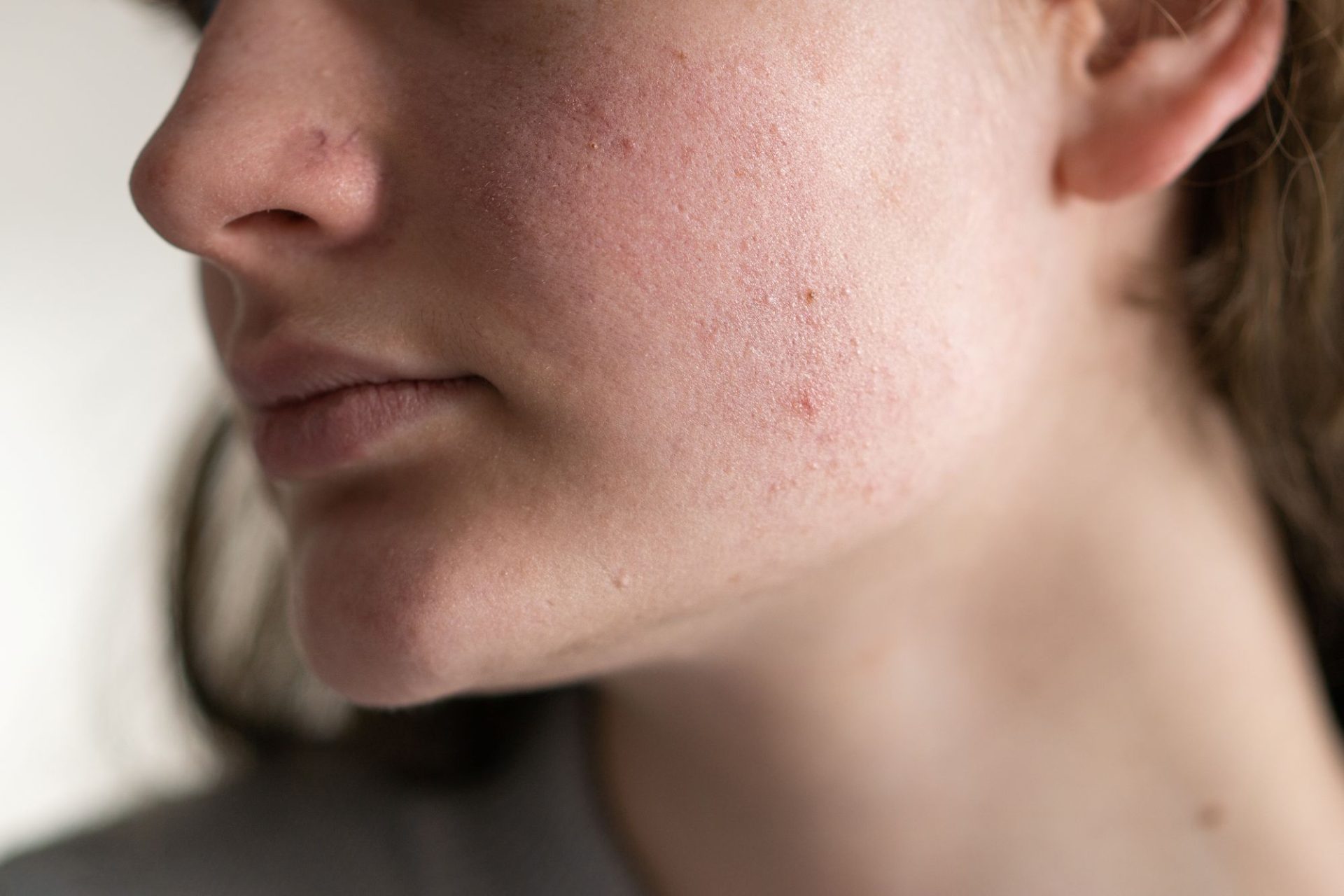
Managing skin redness requires a combination of gentle skincare practices, targeted ingredients, and lifestyle adjustments. Here’s how you can soothe irritated skin and prevent flare-ups.
1. Gentle Skincare Practices
- Use Mild Cleansers: Choose fragrance-free, non-foaming formulas that cleanse without stripping.
- Cleanse with Lukewarm Water: Hot water can worsen redness by dilating capillaries.
- Pat Your Skin Dry: Avoid rubbing with towels; be gentle.
2. Hydration is Non-Negotiable
- Barrier-Repairing Moisturizers: Look for ceramides, hyaluronic acid, and panthenol. These strengthen your barrier and hold in moisture.
- Sea coherente: Apply moisturizer morning and night, even when your skin “feels okay.” Prevention is key.
3. Soothing Ingredients to Look For
- Aloe Vera – Calms and hydrates with anti-inflammatory benefits
- Colloidal Oatmeal – Eases itching and soothes irritation
- Chamomile & Green Tea Extracts – Rich in antioxidants and skin-calming compounds
- Niacinamida – Reduces redness, strengthens the barrier, and controls inflammation.
4. Lifestyle Adjustments
- Identify and Avoid Your Triggers: Keep a skin journal to track diet, stress levels, or product reactions.
- Protect Your Skin Daily: Utilice un broad-spectrum SPF 30 or higher, even on cloudy days.
- Always Patch Test New Products: Wait 24–48 hours before applying something new to your face.
5. When to Seek Professional Help
If piel redness persists, worsens, or is accompanied by symptoms like swelling or pain, it may indicate an underlying medical condition, such as rosacea, eczema, or an infection. Consulting a dermatologist can provide an accurate diagnosis and a treatment plan that includes prescription creams, oral medications, or light therapy. Don’t hesitate to seek help if at-home remedies aren’t enough.
The Takeaway: Calm, Restore, Protect
Skin redness can be discouraging, but it is not unbeatable. The key is to understand how your skin reacts, develop a gentle routine, and be consistent.
Choosing calming ingredients, protecting your barrier, and considering modern solutions like stem cell skincare products give your skin a real chance to recover and thrive.