
The PVH-owned brand is leaning on its most reliable growth engine – and a second-generation famous face – to reassert its jeans credentials this fall.
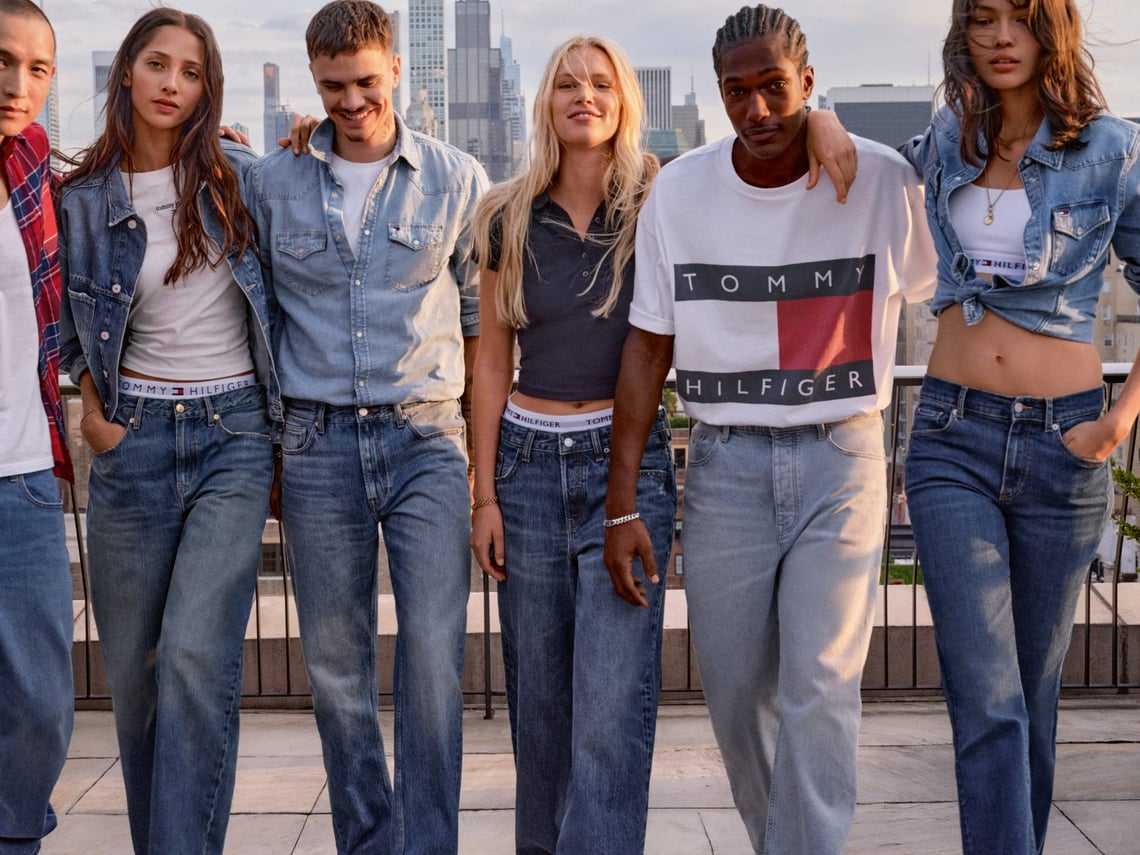
NEW YORK — Denim is Tommy Hilfiger’s oldest story, and the brand is once again betting that a fresh face can make it feel new.
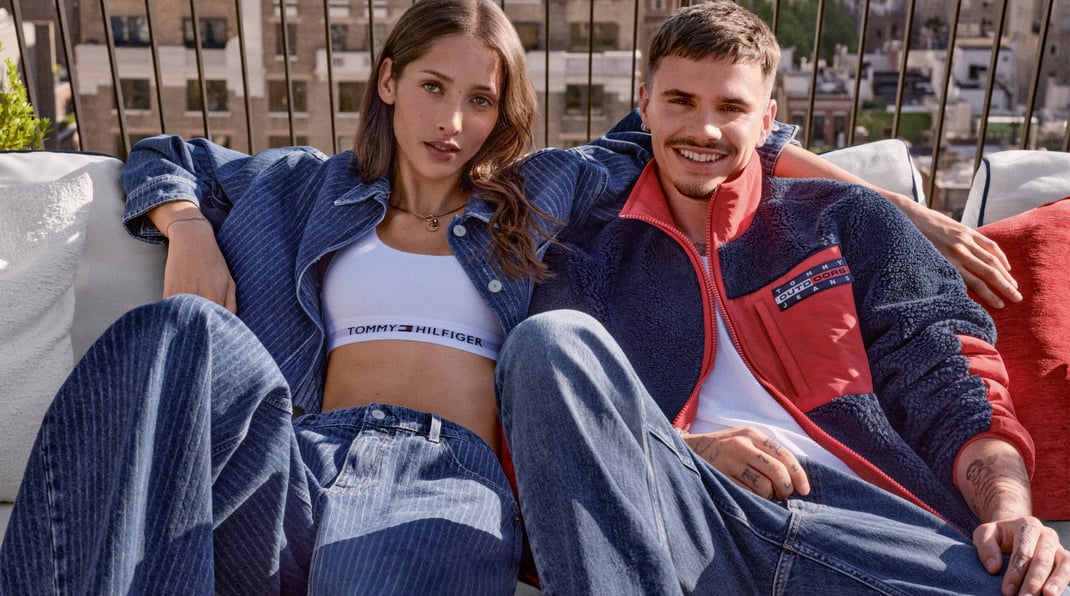
En PVH Corp.-owned label on Thursday unveiled its Fall 2026 “Always Denim” campaign, fronted by Romeo Beckham and shot on location at The Mark Hotel — the Upper East Side property long shorthand, in fashion circles, for downtown-meets-uptown New York cool. The 23-year-old son of David and Victoria Beckham is positioned less as a traditional ambassador than as a host, welcoming what the brand calls “a new generation of fashion insiders” into a rotating cast that includes Dutch model Yasmin Wijnaldum.


The casting is on-trend, if not exactly novel. Beckham joins a growing roster of designer and famous-family offspring fronting heritage denim and Americana campaigns, as brands chase the built-in social reach and tabloid-adjacent attention that comes with a recognizable surname — a strategy that has become nearly standard practice across the accessible-luxury tier as marketers compete for shrinking attention spans and rising media costs.
Para Tommy Hilfiger, the stakes are less about virality than category defense. The brand generated roughly $9 billion in global retail sales in 2025, and denim remains one of its most durable franchises, tracing back to the label’s 1980s Americana positioning and accelerating with the 1996 launch of Tommy Jeans. That sub-line, fronted a year later by Aaliyah, helped cement baggy fits and color-blocking as generational signifiers — a playbook the brand has revisited periodically, from the 2016 Tommy Jeans capsule with Lucky Blue Smith and Hailey Bieber to a 2021 Rolling Stones collaboration.
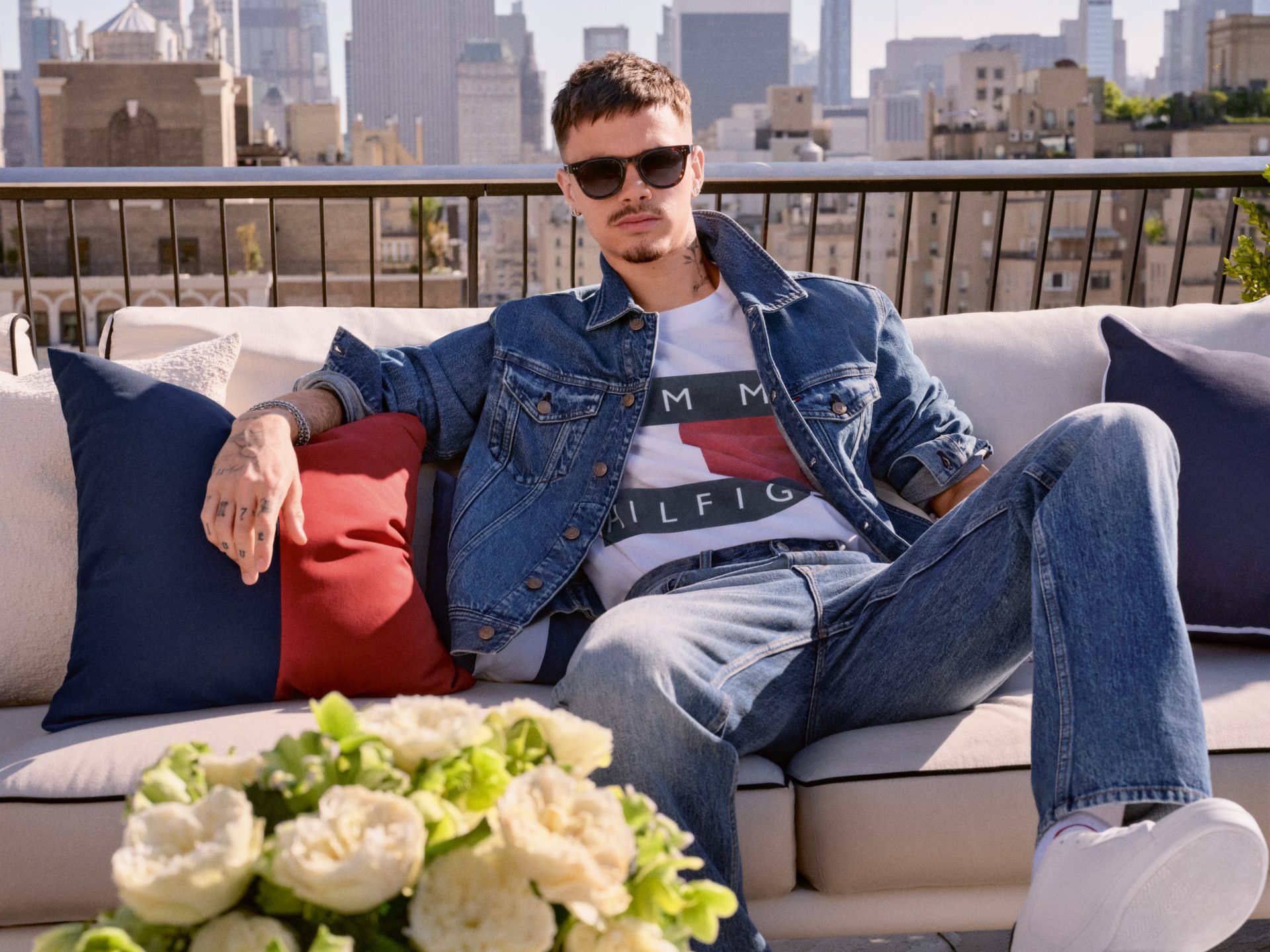
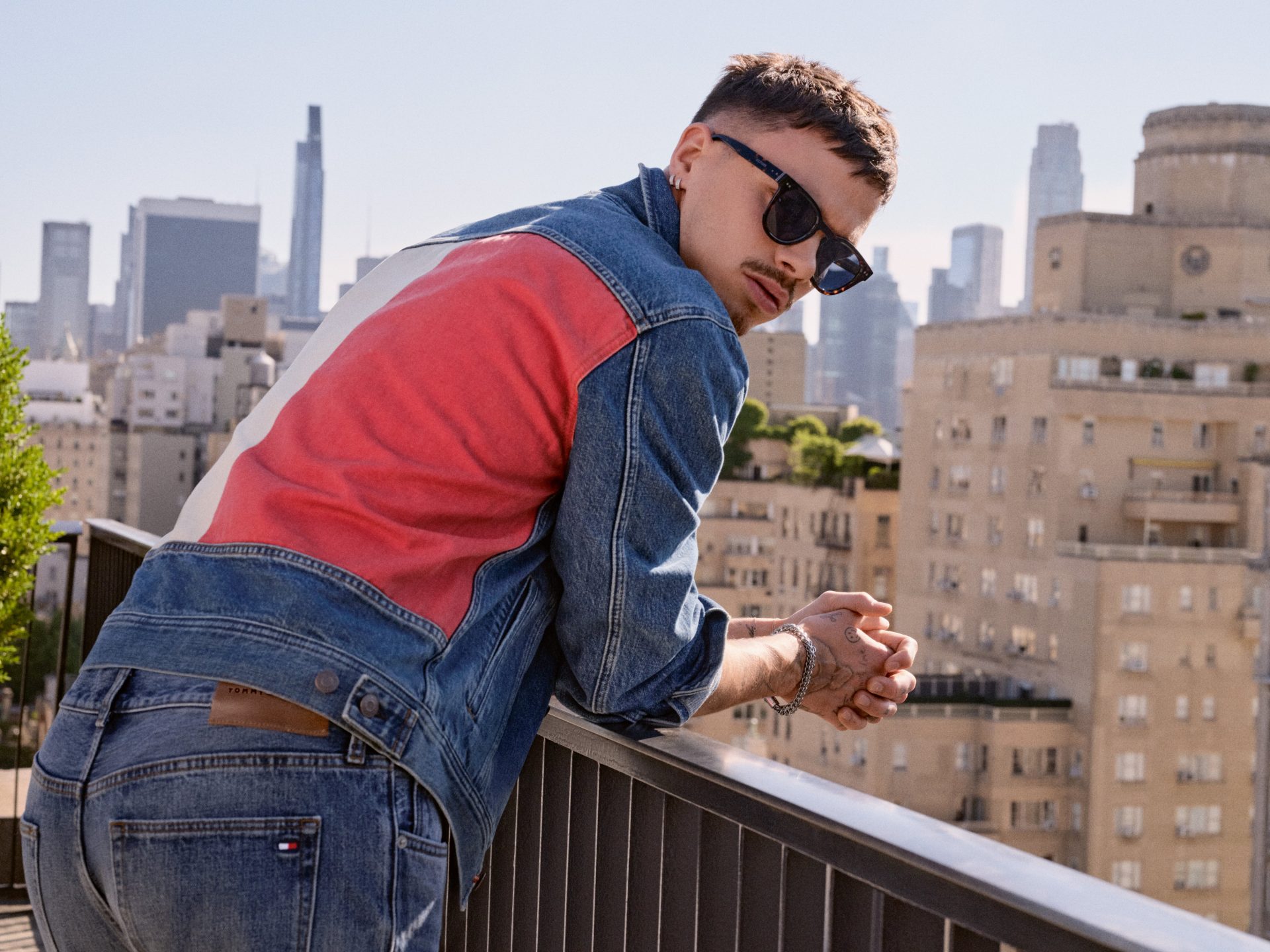
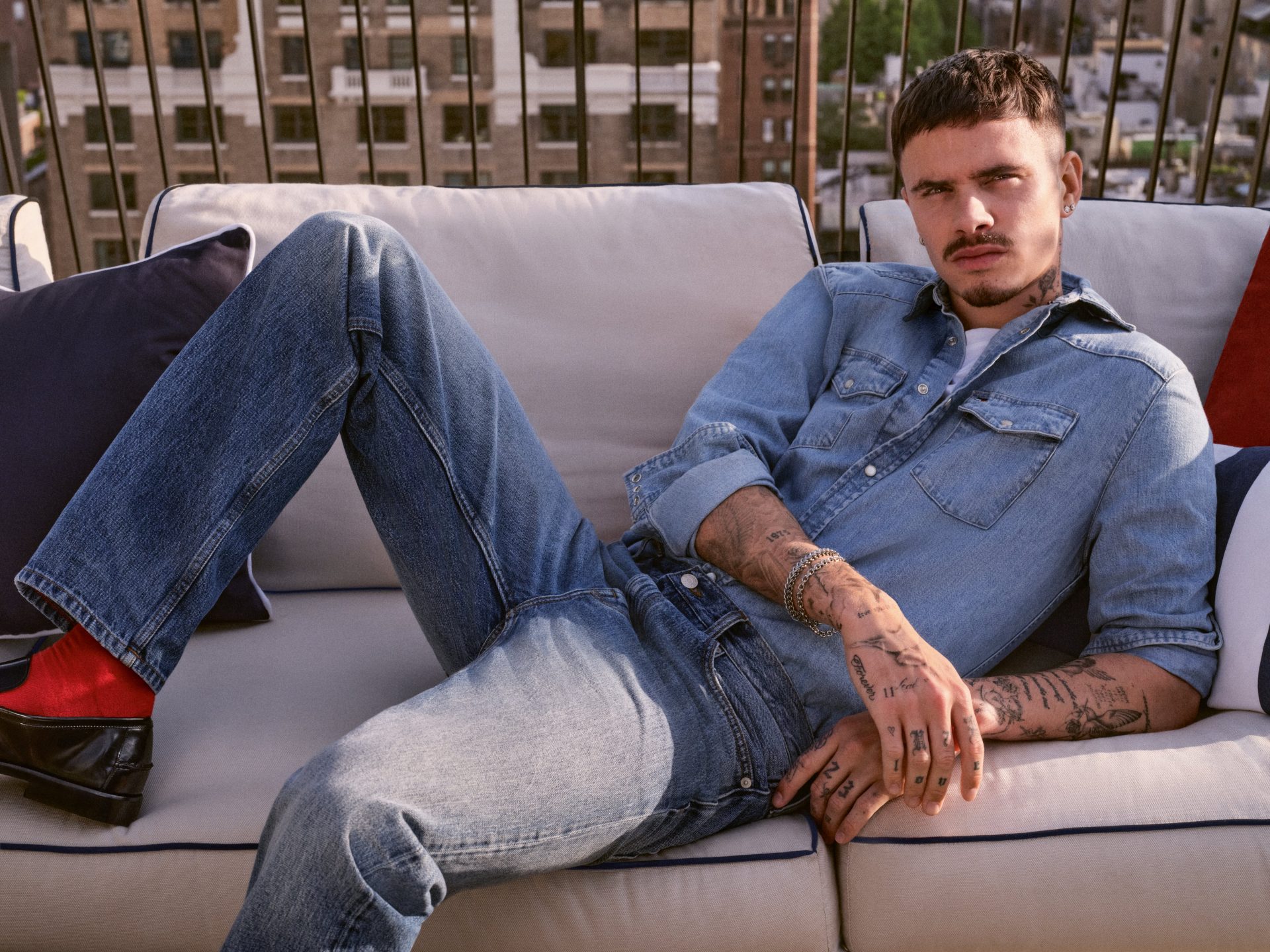
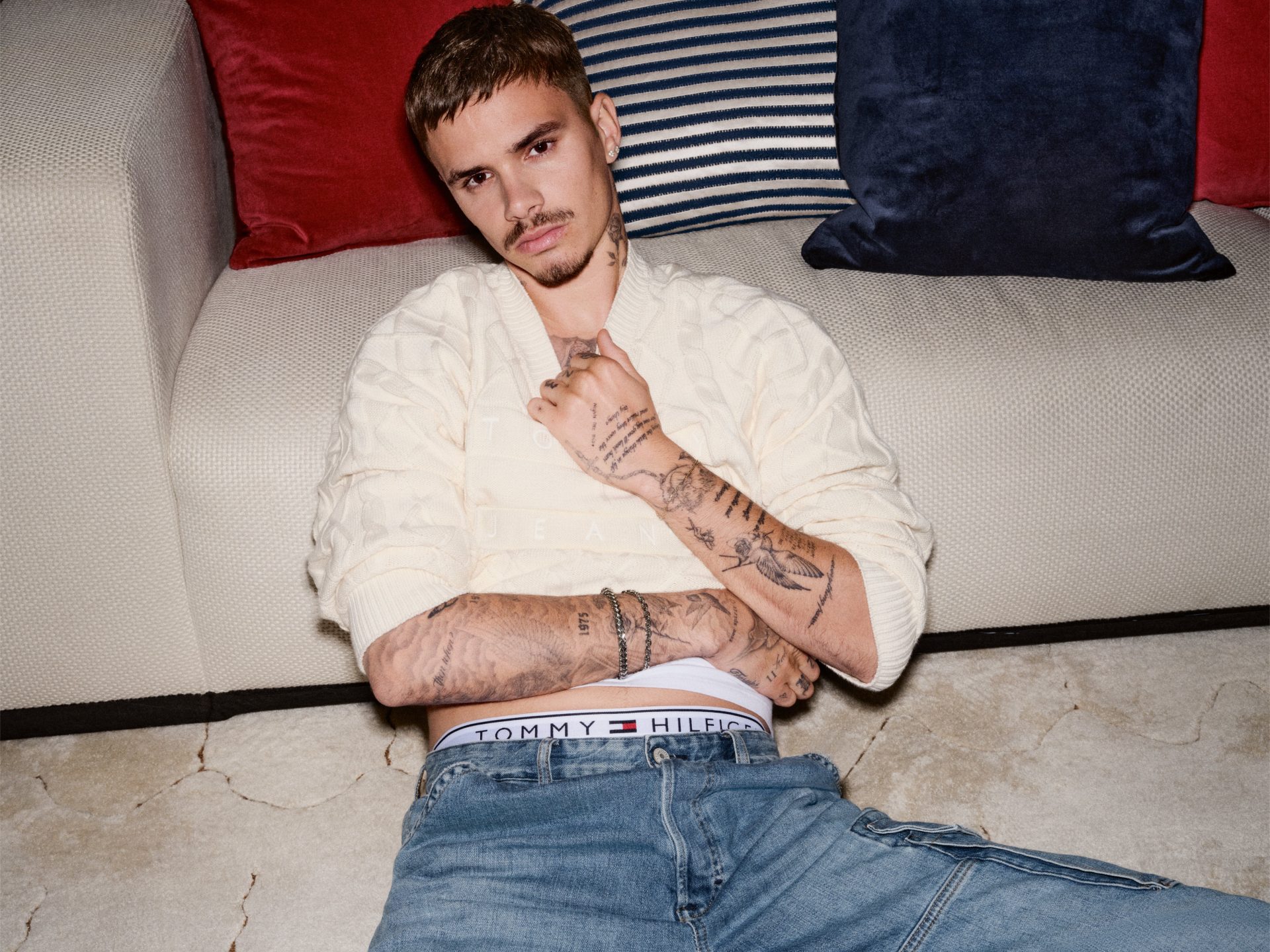
“Denim has always represented the pinnacle of self-expression to me,” said Tommy Hilfiger, invoking his own origin story of buying and customizing jeans as a teenager in Elmira, N.Y., and reselling them out of his car — a founder anecdote the brand leans on whenever it wants to reassert authenticity in the category.
The Fall lineup itself skews toward archive-driven silhouettes rather than logo-forward newness: a ’90s-inspired baggy fit called “Theo,” paired on Beckham with a cable-knit sweater; a classic straight-leg “Dover” estilo; and, on the womenswear side, a high-rise “Sarah” jean alongside a relaxed, low-rise “Daisy.” The range points to a brand hedging across denim’s current fit cycle rather than committing to a single silhouette bet.
“There’s no right or wrong way to wear denim,” Beckham said, describing his own rotation between leather jackets, white T-shirts and vintage references.
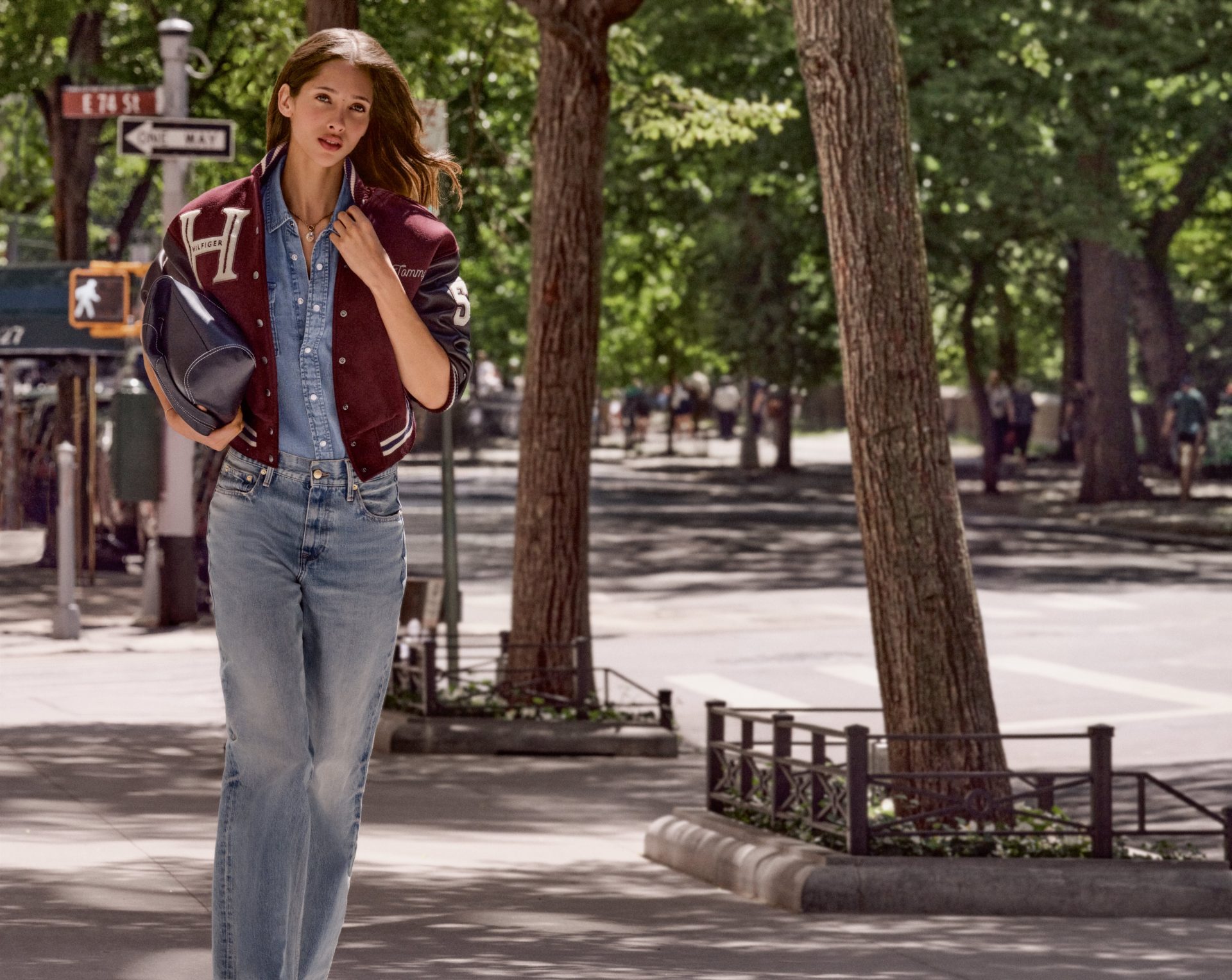
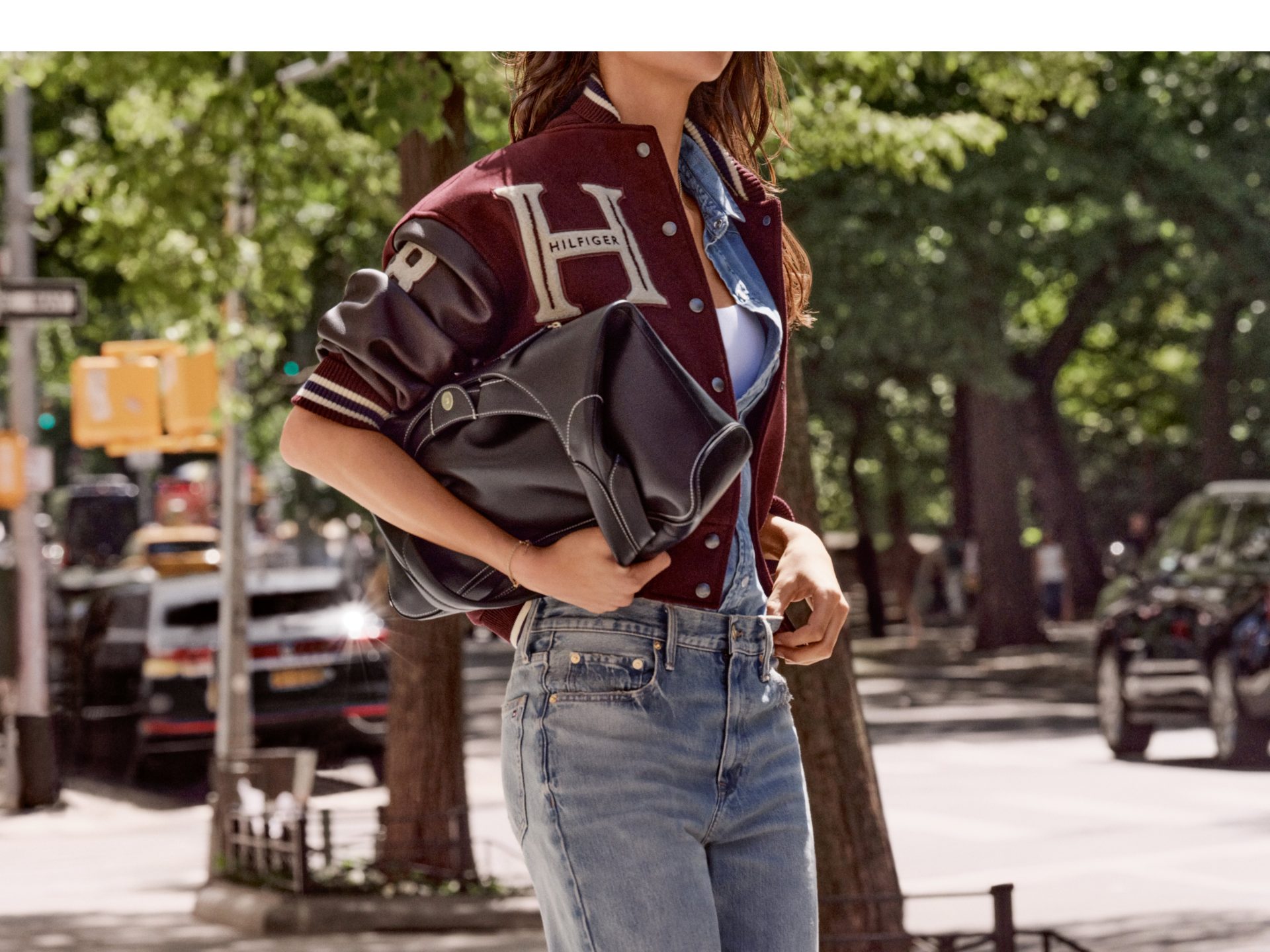
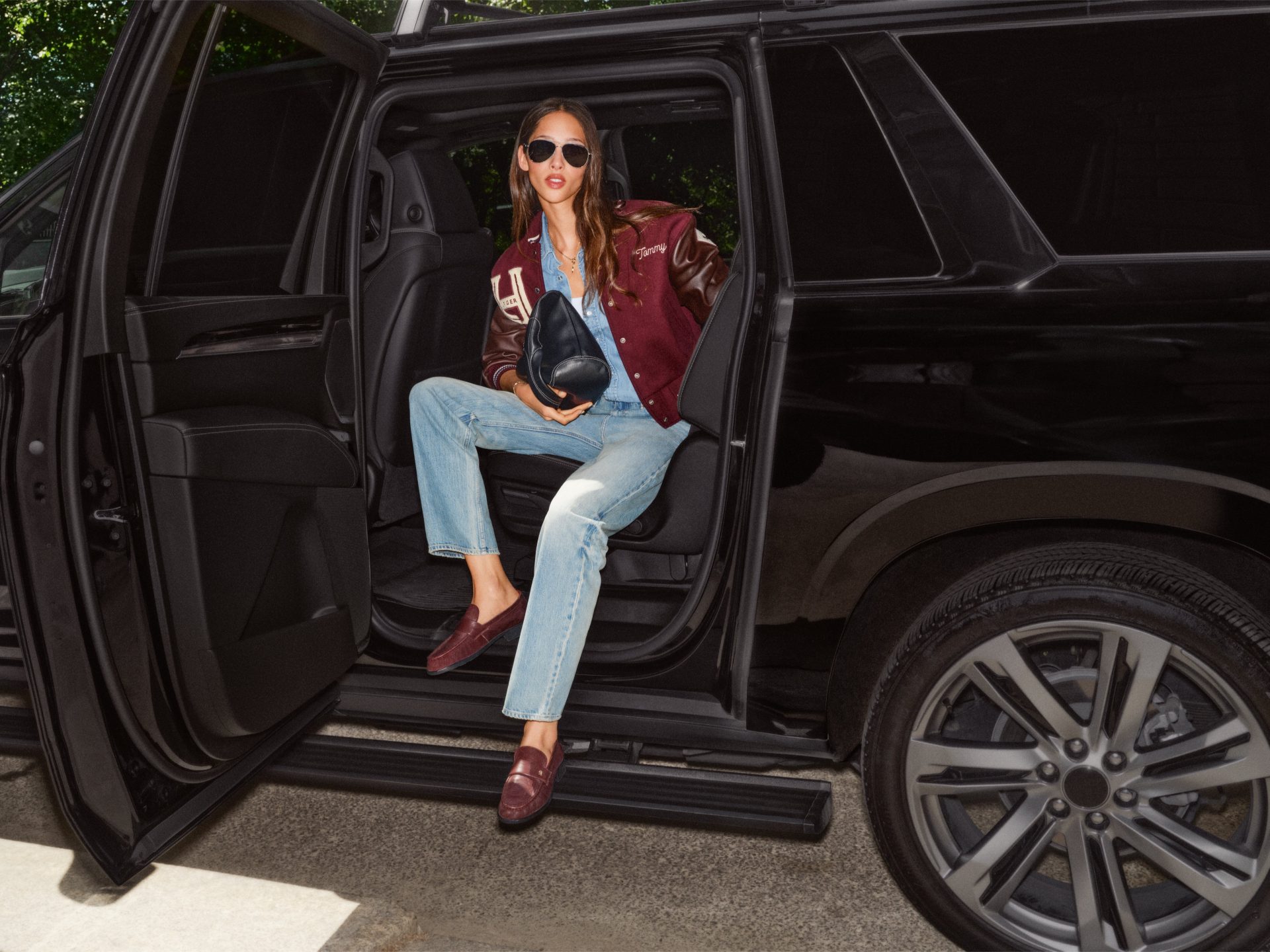
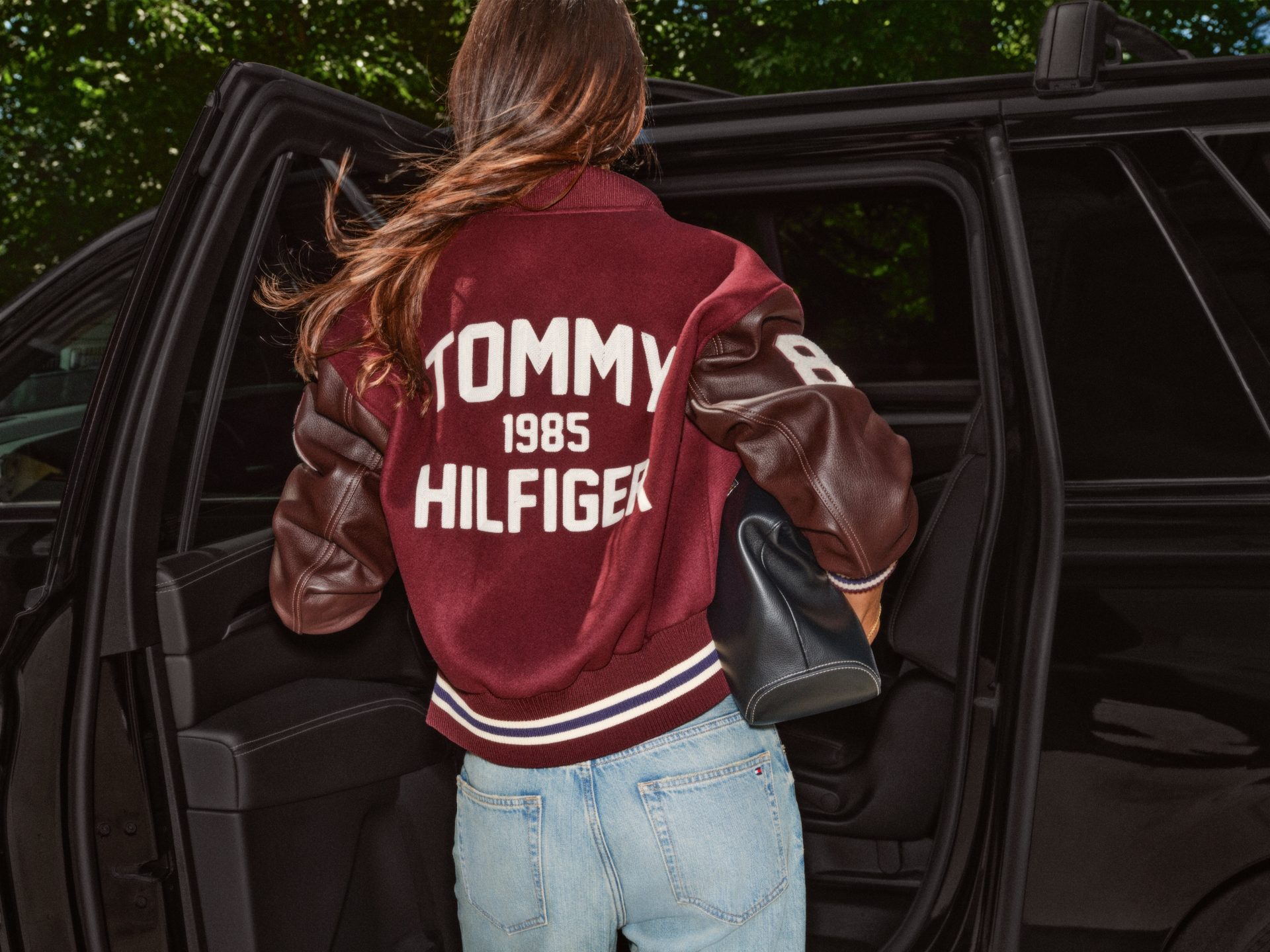
The campaign lands as PVH continues to lean on brand-building over pure promotion under chief executive officer Stefan Larsson, whose “PVH+” plan has prioritized full-price selling and marketing efficiency across Tommy Hilfiger and sibling brand Calvin Klein. The Fall 2026 collection rolls out on tommy.com, in Tommy Hilfiger stores and through select wholesale partners this season, with the brand pushing the campaign across social under #TommyHilfiger.


Whether a hotel residency and a Beckham surname move the needle on denim market share is a question for the next few quarters of PVH earnings. What’s clear is that Tommy Hilfiger is once again reaching for nostalgia — its own — to sell the future.
Imágenes cortesía de Tommy Hilfiger
En otras noticias de campañas de marca, Gap Fall 2026 Denim Campaign Starring Malcolm Todd and Inde Navarrette
The Denim Market Tommy Hilfiger Is Fighting For
“Always Denim” arrives amid a broader denim resurgence that has reshaped competitive dynamics across the accessible-luxury tier. Category sales have climbed steadily since 2023, according to industry tracking firms, as consumers pivot away from the athleisure-driven wardrobes of the pandemic era and back toward structured, heritage-coded basics. That shift has intensified pressure on legacy denim labels to reassert relevance without ceding ground to newer entrants.
Tommy Hilfiger’s competitive set has grown crowded. Levi’s has leaned on its own archive-driven marketing and celebrity partnerships, Calvin Klein, its PVH sibling, has pursued a parallel denim push under the same corporate umbrella, and Gap has recently tapped its own youth-oriented faces for Fall 2026 campaigns. Independent labels and resale platforms have further fragmented consumer attention, offering vintage authenticity that heritage brands can only simulate through marketing.
Against that backdrop, Tommy Hilfiger’s strategy is less about winning a single season than about maintaining category visibility long enough to capture spending as denim cycles back into favor. The brand’s decision to anchor the campaign in archive silhouettes, rather than chase a single viral fit, suggests an awareness that denim’s current moment rewards breadth over conviction, at least until fit preferences settle.
Yasmin Wijnaldum and the Rotating Cast Approach
While Romeo Beckham anchors the campaign’s imagery and press materials, Tommy Hilfiger has been deliberate in framing “Always Denim” as an ensemble effort rather than a single-face endorsement. Dutch model Yasmin Wijnaldum, a veteran of runway campaigns for labels including Chanel and Fendi, appears throughout the Mark Hotel imagery in the high-rise “Sarah” and relaxed “Daisy” silhouettes, giving the womenswear line its own distinct visual identity rather than positioning it as a footnote to Beckham’s presence.
The rotating-cast structure mirrors a tactic PVH has used previously across its brand portfolio: pairing a headline-generating name with working models who bring runway credibility and international recognition without the tabloid attention that can occasionally overshadow product. Wijnaldum’s inclusion also broadens the campaign’s reach into European markets, where her profile is arguably stronger than Beckham’s, reinforcing Tommy Hilfiger’s positioning as a genuinely transatlantic label rather than a strictly American export.
Whether this ensemble approach outperforms a single-ambassador strategy remains to be tested, but it does allow the brand to hedge its marketing bet across multiple audiences and platforms simultaneously, a increasingly common tactic as fashion marketing budgets are stretched across more channels than ever before.
Why The Mark Hotel Sets the Scene
The choice of The Mark Hotel as the campaign’s backdrop is not incidental. The Upper East Side property has, over the past decade, become a fixture of fashion’s cultural calendar, most notably as the traditional pre-Met Gala staging ground for celebrities and designers. Shooting “Always Denim” there allows Tommy Hilfiger to borrow that association, positioning its Fall 2026 denim as belonging to the same rarefied social world without the brand needing to stage its own gala-adjacent event.
The location also serves a narrative function within the campaign itself. By casting Beckham as a host welcoming guests into the hotel rather than as a traditional runway or studio model, Tommy Hilfiger frames denim as a passport into a specific New York social register, one defined by old-money architecture and new-generation faces. That juxtaposition, uptown setting against downtown-coded casting, echoes the brand’s original founding tension between preppy American style and streetwear-adjacent youth culture.
For a label whose growth strategy increasingly depends on brand storytelling over pure product news, the setting functions as shorthand, communicating aspiration and cultural fluency more efficiently than a traditional lookbook could.