
In a beauty market overflowing with trendy ingredients and complex routines, it’s easy to overlook the simple, science-backed solutions that quietly transform skin health. Enter hypochlorous acid spray , a multitasking skincare essential that’s rapidly gaining recognition among dermatologists, estheticians, and skincare enthusiasts.
If you’ve been struggling with persistent breakouts, irritated skin, redness, or slow-healing blemishes, you know the frustration of trying countless products without lasting relief. Hypochlorous acid spray isn’t just another fleeting beauty fad , it’s a naturally occurring, dermatologist-approved ingredient that works con your skin’s biology rather than against it.
Originally recognized for its powerful antimicrobial properties in wound care, hypochlorous acid (HOCl) is now making waves in skincare for its ability to calm inflammation, fight acne-causing bacteria, speed up skin recovery, and support overall barrier health , all while being gentle enough for sensitive skin.
What Is Hypochlorous Acid Spray and How Does It Work?
Hypochlorous acid (HOCl) is a naturally occurring molecule that your immune system produces to fight off harmful bacteria and promote healing. In your body, white blood cells generate HOCl as part of the immune response , think of it as nature’s own defense mechanism.
In skincare, HOCl is produced through a process called electrolysis of saltwater. This creates a safe, stable, and skin-compatible solution that retains its antimicrobial and anti-inflammatory properties.
Key Functions in Skin Health:
- Antimicrobial Action: Kills acne-causing bacteria (like Cutibacterium acnes) and other harmful microbes without disrupting beneficial skin flora.
- Anti-inflammatory Effect: Calms redness, swelling, and irritation, making it ideal for conditions like eczema, rosacea, and dermatitis.
- Wound-Healing Support: Stimulates fibroblast activity (cells that create collagen) and accelerates skin repair.
What makes hypochlorous acid spray stand out is its balance of potency and gentleness. Unlike harsh antiseptics, it doesn’t sting, dry out, or damage the skin barrier, making it safe for even the most sensitive complexions.
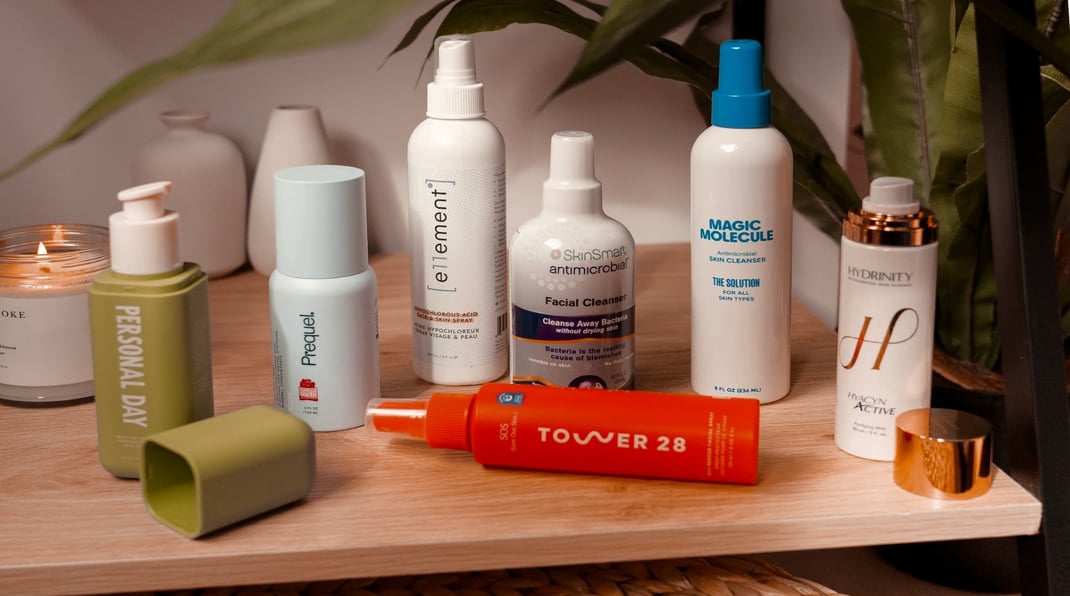
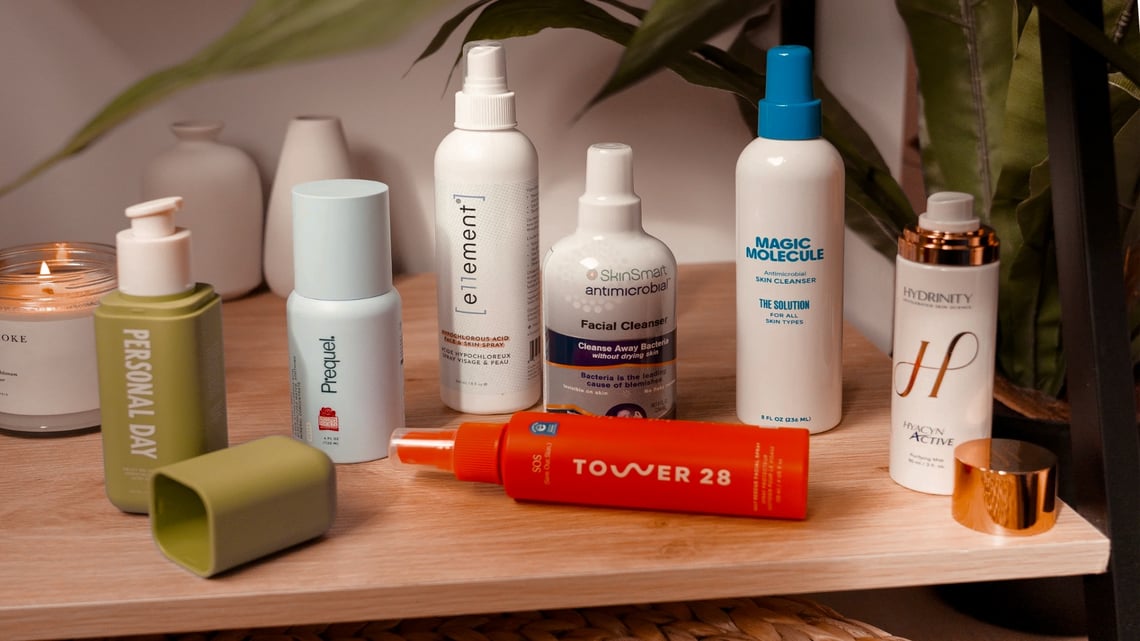
SOS Rescue Spray


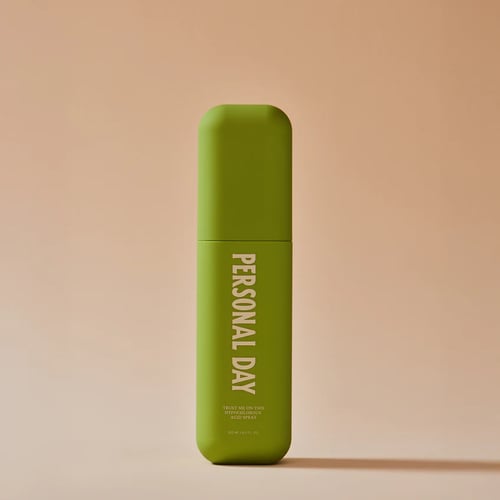
Trust Me on This Hypochlorous Acid Spray
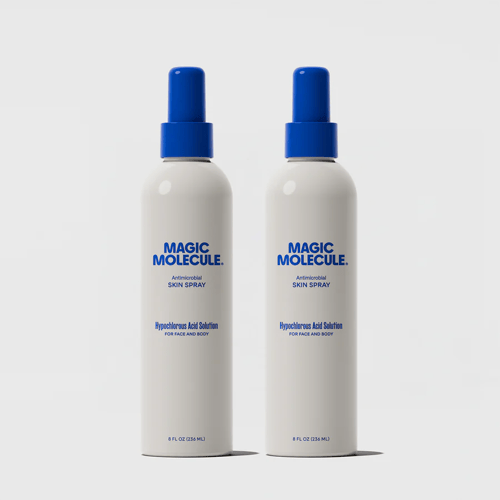
Magic Molecule Daily Skin Spray
The Science-Backed Benefits of HOCl for Your Skin
Dermatologists have long used hypochlorous acid in medical contexts, from surgical wound irrigation to post-laser care. Recent skincare research has shown its benefits extend far beyond healing cuts and scrapes.
- Acne Prevention and Treatment
HOCl disrupts bacterial cell walls, neutralizing acne-causing microbes on contact. But unlike benzoyl peroxide or alcohol-based toners, it doesn’t cause over-drying, which can actually trigger more oil production.
Clinical insight: A 2018 dermatology study found HOCl significantly reduced acne lesions and inflammation within four weeks, with minimal side effects compared to conventional treatments.
- Rapid Skin Recovery
If you’ve ever had a post-extraction breakout, laser session, or sunburn, you know recovery can take days. HOCl shortens that window by promoting faster tissue regeneration and reducing the risk of secondary infections.
- Soothing Sensitive and Reactive Skin
Because HOCl mimics the body’s own healing chemistry, it’s incredibly well-tolerated, even by people with rosacea, eczema, or post-procedure sensitivity.
- Anti-Aging Support
By lowering inflammation (a major driver of skin aging) and supporting collagen synthesis, HOCl contributes to a smoother, more even complexion over time.
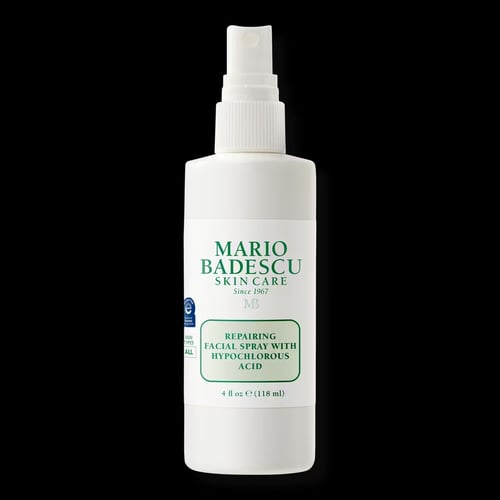
Repairing Facial Spray With Hypochlorous Acid
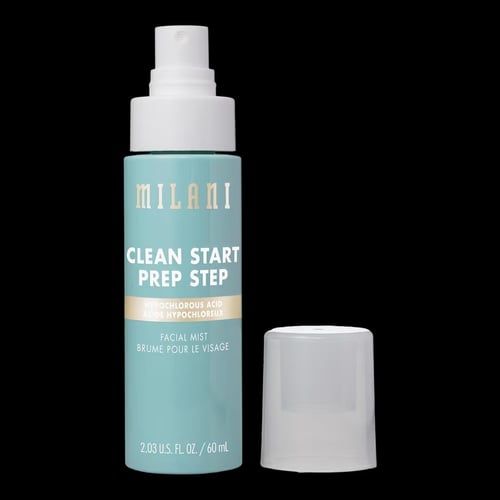
Clean Start Prep Step Hypochlorous Acid Facial Mist
How to Incorporate Hypochlorous Acid Spray Into Your Routine
One of HOCl’s biggest strengths is its versatilidad , it can be used at multiple steps in your skincare routine and for a variety of purposes.
Step-by-Step Use:
- Post-Cleansing: After washing your face, spritz HOCl to eliminate lingering bacteria and prepare your skin for serums.
- On-the-Go Refresh: Carry a travel-size bottle to sanitize skin after workouts or during travel.
- Post-Treatment: Use after microneedling, chemical peels, or waxing to reduce redness and speed recovery.
- Spot Treatment: Spray on a cotton pad and press onto breakouts or inflamed areas.
Tips for Best Results:
- Apply to clean, dry skin for maximum penetration.
- Follow with a moisturizer to lock in hydration.
- Use 1–3 times daily, depending on your skin’s needs.
Mini Hypochlorous Acid Spray
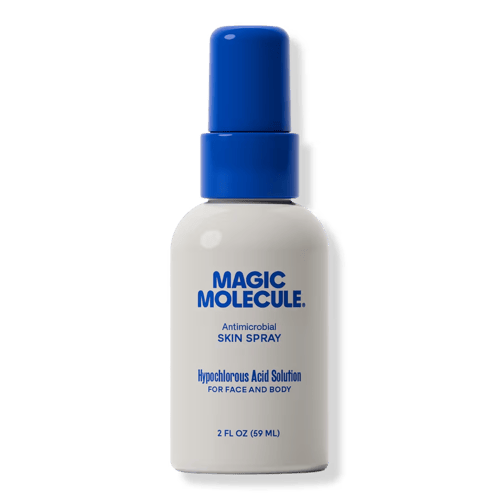
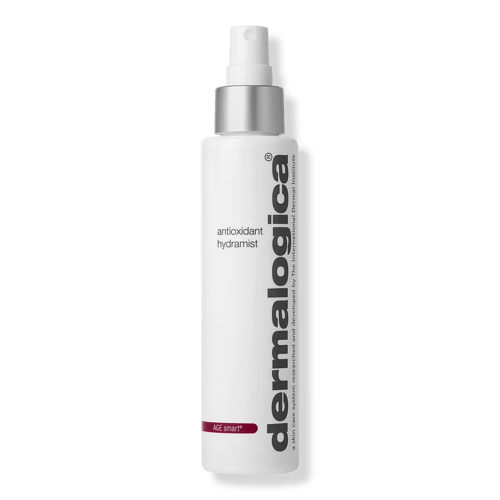
Antioxidant Hydramist Toner
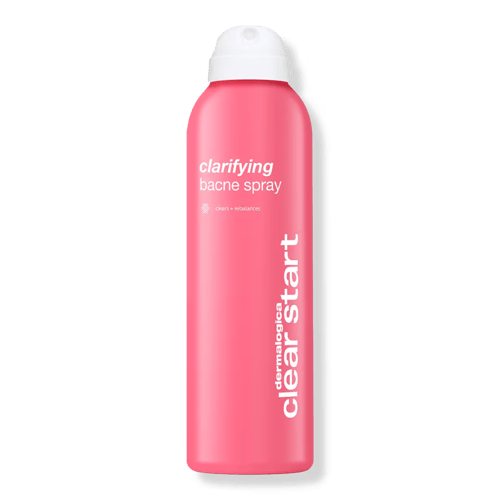
Clear Start Clarifying Bacne Spray
Choosing the Right Hypochlorous Acid Spray
Not all HOCl sprays are created equal , concentration, stability, and formulation matter.
What to Look For:
- HOCl Concentration: Skincare formulas typically range from 50–200 ppm (parts per million). Higher isn’t always better , 100–150 ppm is optimal for most skin concerns.
- pH Range: Look for a slightly acidic pH (around 4.5–5.5) for best skin compatibility.
- Preservative-Free Formulas: Hypochlorous acid is inherently antimicrobial, so extra preservatives aren’t always necessary.
- Opaque or UV-Protective Packaging: Helps maintain HOCl stability over time.
Consejo profesional: If you see “stabilized hypochlorous acid” on the label, it means the product has been formulated to maintain potency for longer.
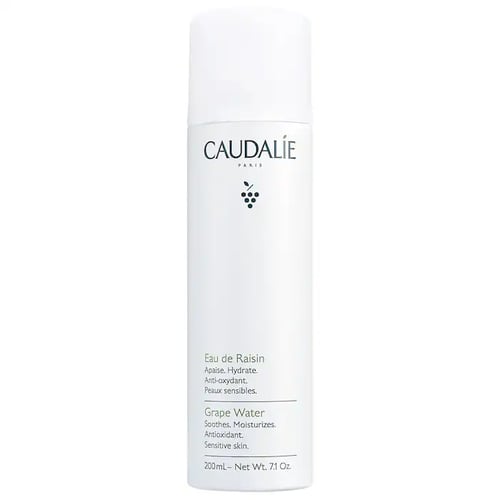
Caudalie Grape Water Moisturizing Face Mist
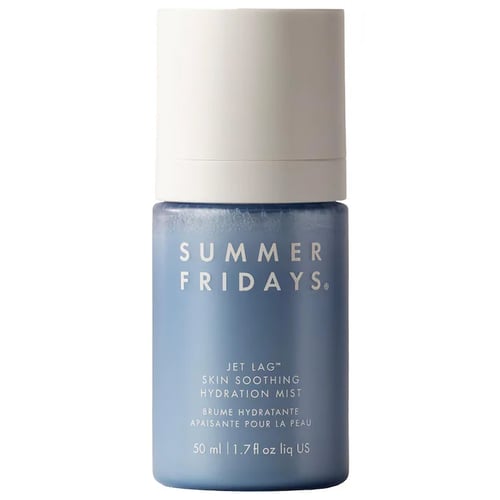
Summer Fridays Jet Lag Skin Soothing Hydration Mist
Myths and Misconceptions About HOCl
Like any trending skincare ingredient, HOCl has attracted its share of confusion. Let’s clear up a few points.
Myth 1: It’s just bleach in disguise.
Fact: While HOCl is related to chlorine chemistry, skincare formulas are vastly different from household bleach. The concentration, pH, and purity are specifically designed for skin safety.
Myth 2: It will dry out my skin.
Fact: HOCl is non-stripping and actually supports barrier function. Many people find it less irritating than traditional acne treatments.
Myth 3: It’s only for acne.
Fact: HOCl is a true multitasker, suitable for soothing redness, accelerating wound healing, refreshing skin, and even sanitizing maquillaje tools.
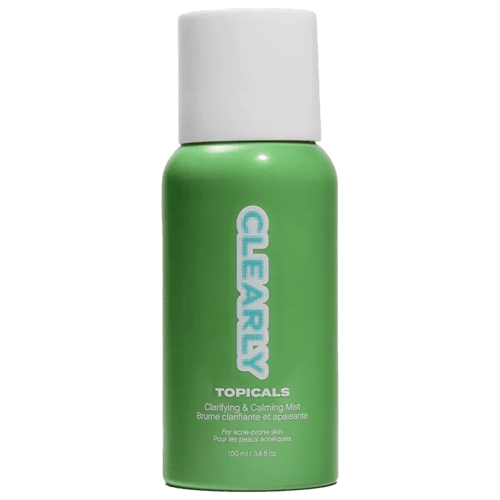
Topicals Clearly Clarifying & Calming Mist For Acne-Prone Skin
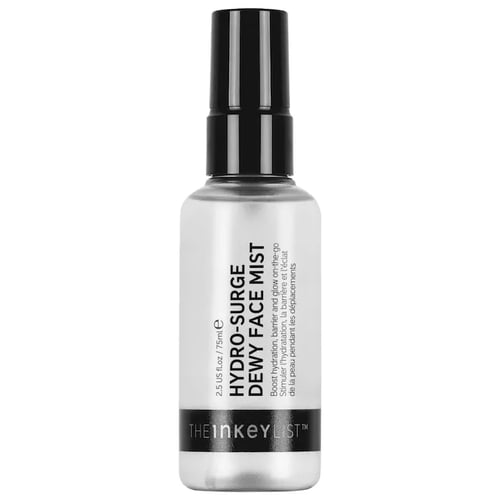
The INKEY List Hydro-Surge Dewy Face Mist
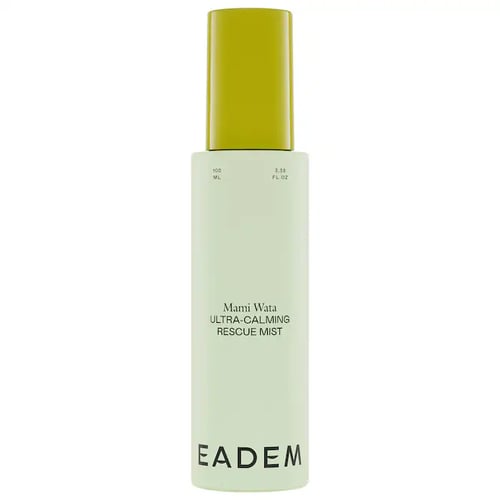
EADEM Mami Wata Barrier Strengthening Face Mist
Expert Tips to Maximize HOCl’s Skincare Benefits
- Pair with Barrier-Strengthening Ingredients: Use alongside ceramides, niacinamide, or hyaluronic acid for enhanced results.
- Avoid Contamination: Keep the nozzle clean to prevent introducing bacteria.
- Layer Wisely: HOCl can be used before active treatments like retinoids or vitamin C, helping minimize irritation.
- Test for Stability: If your HOCl spray develops a strong chlorine smell, it may have degraded , replace it.
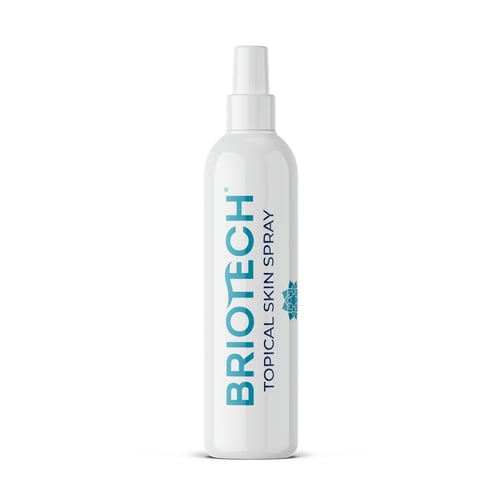
Briotech Topical Skin Spray, Hypochlorous Acid for Sensitive Skin
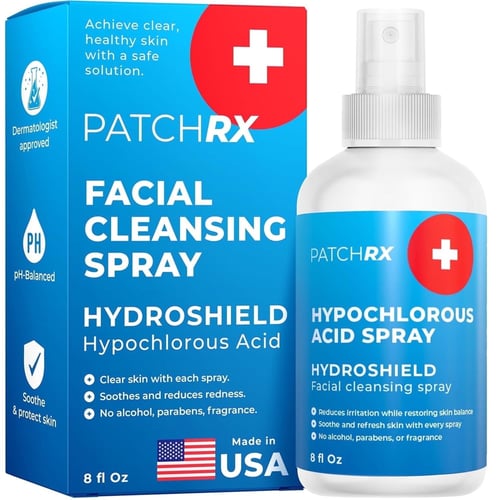
PatchRx Hypochlorous Acid Face and Body Spray with HOCL
In an era where skincare often feels complicated and overwhelming, hypochlorous acid spray is refreshingly simple, yet incredibly effective. It offers antimicrobial power, anti-inflammatory relief, barrier support, and healing acceleration in one lightweight mist.
Whether you’re battling breakouts, calming post-treatment redness, or just want to give your skin a daily dose of protective care, HOCl spray is the rare product that truly works for everyone. Safe for all ages, skin types, and lifestyles, it’s an easy, science-backed addition that delivers visible results without the guesswork.
The next time you’re refining your routine, consider adding this dermatologist-approved multitasker. Your skin , and your future self , will thank you.
FAQ: Hypochlorous Acid Spray in Skincare
- Is hypochlorous acid safe for daily use?
Yes , in skincare concentrations, HOCl is gentle enough for daily (even multiple daily) use on all skin types, including sensitive skin. - Can I use HOCl spray with other active ingredients?
Absolutely. It pairs well with retinoids, vitamin C, AHAs/BHAs, and peptides, and may even reduce irritation from stronger actives. - Does HOCl help with eczema or rosacea?
Many dermatologists recommend HOCl for calming inflammation and reducing flare-up bacteria in conditions like eczema and rosacea. - How long does a bottle of HOCl spray last once opened?
Stabilized HOCl sprays can last 6–12 months if stored in a cool, dark place. Unstabilized versions may lose potency in 2–3 months. - Is it okay to spray HOCl over makeup?
Yes, though for maximum antimicrobial and healing benefits, it’s best applied directly to clean skin.