
Inside the Brownstones: How to Handle Lock Repair on the Upper East Side Without Damaging Historic Fixtures
Walking along the tree-lined streets of Manhattan’s Upper East Side is like stepping back in time. Classic brownstones with ornate detailing and century-old facades whisper stories of old New York. For homeowners fortunate enough to reside in one of these historic gems, maintaining their authenticity is more than an aesthetic preference, it’s a preservationist’s duty. Yet, even the most beautifully restored brownstone can fall victim to a modern-day inconvenience: a malfunctioning lock. The challenge? Performing a lock repair, Upper East Side residents can trust that it will not compromising the craftsmanship and heritage of these iconic homes.
In historic residences, locks aren’t just functional devices, they’re architectural marvels. Decorative knobs, vintage keyholes, and cast-brass hardware often have as much historical value as the crown moldings or stone stoops. Standard lock repair techniques can easily damage these delicate components, leading to irreversible loss of original materials. That’s why homeowners need to tread carefully and work with specialists who understand both the mechanics of repair and the importance of historical preservation.
Understanding the Anatomy of a Brownstone Lock
Brownstones on the Upper East Side were built during an era when locks were manufactured with detail, care, and durability. Unlike today’s mass-produced hardware, many of these locks are part of larger decorative plate assemblies or integrated into woodwork that’s impossible to replace. That means any lock repair must start with an understanding of the specific hardware in use. These might include antique mortise locks, skeleton key mechanisms, or even rim locks that sit on the surface of the door rather than embedded inside.
Each type of lock has its own quirks, and many are no longer in production. Parts must often be sourced from architectural salvage yards, specialty dealers, or custom-machined by locksmiths with access to vintage lock restoration tools. When performing lock repair, Upper East Side professionals must approach these systems with patience and precision. Disassembling antique locks requires gentle handling and detailed knowledge of mechanisms that haven’t changed in over a century. A mistake could mean stripping the brass, cracking an escutcheon plate, or damaging the surrounding wood.
Why Preservation-Sensitive Locksmiths Make All the Difference
Not all locksmiths are created equal. While many professionals are excellent at replacing standard locks or working with modern hardware, very few are trained in preservation-sensitive repair techniques. This distinction matters deeply on the Upper East Side, where homes are not just residences, they’re protected historical assets. Buildings in historic districts must comply with strict guidelines from city preservation boards, and even minor alterations can invite scrutiny or require prior approval.
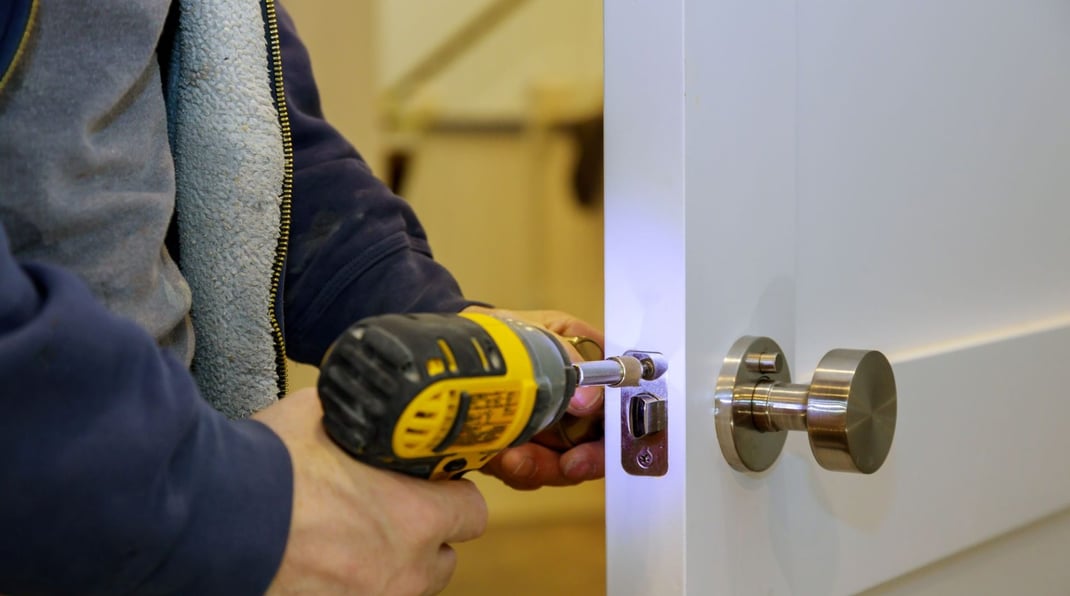
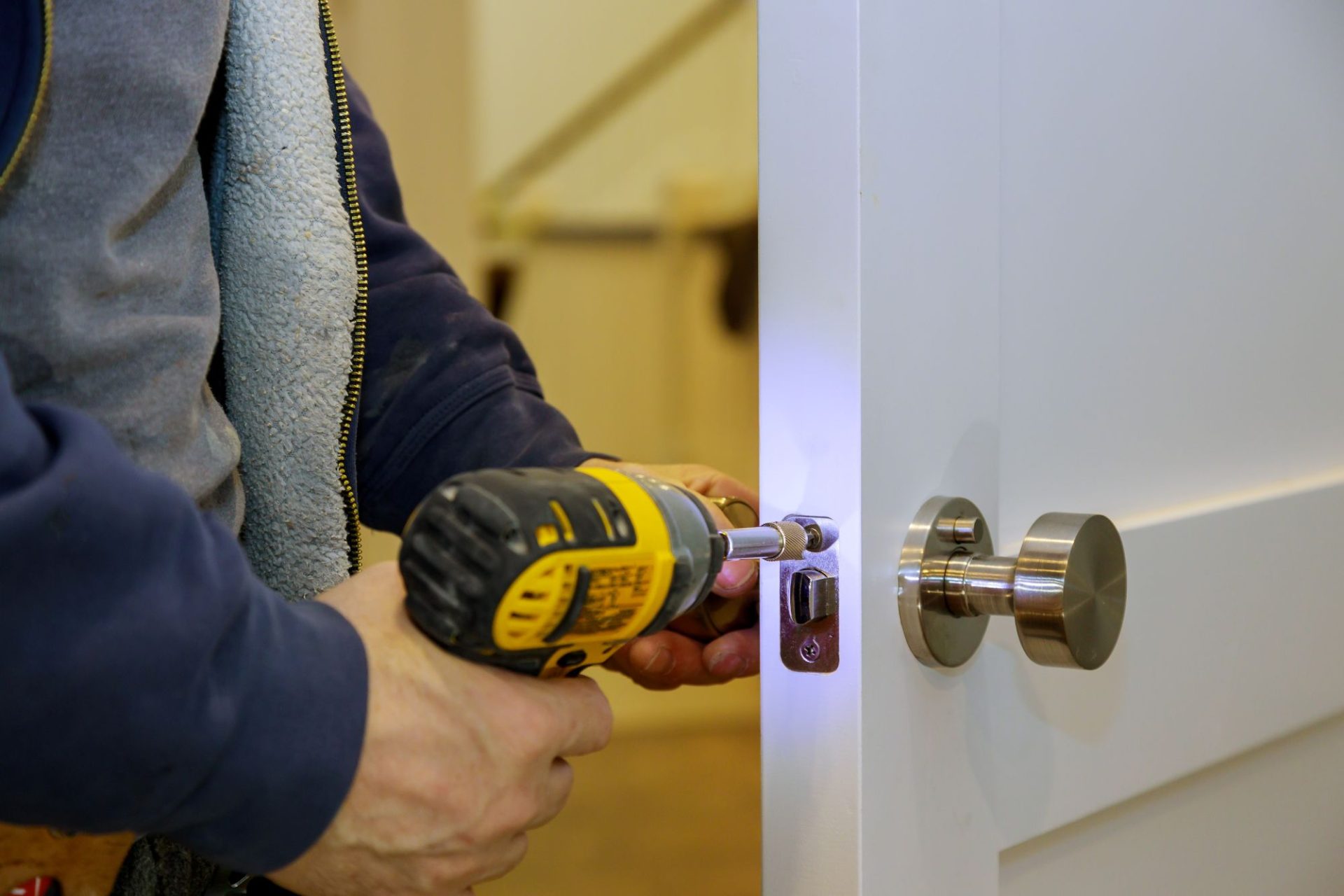
A locksmith with expertise in working on brownstones understands these limitations and works within them. They’ll evaluate whether the lock can be repaired in place, avoid using drills unless absolutely necessary, and prioritize retaining as much of the original material as possible. They’ll also know how to work with period-appropriate finishes and lubricants that preserve patina rather than strip it. The best lock repair Upper East Side specialists even document their work for homeowners who need to report modifications to preservation authorities.
Minimizing Damage During Emergency Repairs
Lock issues don’t always occur at convenient times. A key may break in the lock late at night, or a door may refuse to latch during a storm. In these high-pressure situations, the priority is regaining access quickly, but with brownstones, that urgency must be balanced with delicacy. Emergency repairs can become destructive if the locksmith lacks experience with antique materials.
To minimize damage, a qualified technician will first assess whether non-destructive entry is possible. For example, a vintage mortise lock might be picked open using tension wrenches and rakes specifically designed for its deeper cylinders. In cases where internal parts have failed, the locksmith may temporarily stabilize the mechanism until a proper repair can be scheduled during daylight hours, when they can see details more clearly and work more precisely. Emergency lock repair that Upper East Side homeowners trust is all about balancing rapid response with the patience needed for historical accuracy.
Matching New Components with Original Hardware
In some cases, repair may not be enough. If internal lock components are rusted beyond functionality or have broken altogether, partial replacement becomes necessary. But modern hardware is often incompatible with historic doors, either physically, aesthetically, or both. Standard deadbolts might be too bulky, use the wrong finish, or fail to align with older keyways.
The solution is to seek out reproduction hardware made to match historical standards. Specialty suppliers and restoration hardware companies carry period-appropriate locks, knobs, and escutcheons that replicate 19th-century design down to the casting technique. When necessary, a skilled locksmith can retrofit a modern lock cylinder into an antique housing, preserving the look while updating the function. This hybrid approach is common in Upper East Side brownstones, where authenticity and modern security must coexist.
Navigating Co-op and Condo Restrictions
Many brownstones on the Upper East Side have been subdivided into co-ops or condominiums, and this comes with an added layer of complexity. Individual units may still contain historic hardware, but the building as a whole may be governed by specific bylaws about alterations. In some cases, management companies restrict changes to exterior-facing doors or require approval for certain locksmith activities, even when repairs are urgent.
A seasoned locksmith who works regularly in the neighborhood understands these nuances and can help homeowners or tenants navigate the necessary approvals. They may also be familiar with which buildings allow internal lock upgrades, whether the exterior doors are subject to aesthetic rules, or how to coordinate repairs without violating shared entry protocols.
Balancing Modern Security Needs with Historic Integrity
As charming as antique locks may be, they weren’t built with today’s security challenges in mind. Some brownstone locks are surprisingly easy to pick or bump, making them more vulnerable than their modern counterparts. Yet replacing them entirely can be out of the question for homeowners who value authenticity, or who are bound by preservation board guidelines.
The key is to enhance security subtly. A locksmith might suggest adding a high-security cylinder to an existing mortise body or installing a secondary locking mechanism, such as a floor-mounted bolt or concealed latch. These additions are minimally invasive and reversible, meaning they won’t alter the door’s appearance or devalue its architectural integrity. For brownstones without internal alarm systems, locksmiths can also advise on adding discrete reinforcements to door frames or hinges.
Final Thoughts: Preserving the Past While Securing the Present
The brownstones of the Upper East Side are more than just places to live, they are a tangible connection to New York City’s architectural and cultural history. Maintaining their beauty and integrity requires a thoughtful approach, especially when it comes to something as essential and sensitive as lock repair. In these homes, a lock is never “just a lock.” It’s a piece of history, a work of craftsmanship, and a small but meaningful detail in a much larger narrative.
Finding a locksmith who understands that, and who can offer lock repair that Upper East Side residents trust, isn’t just about convenience. It’s about stewardship. With the right tools, training, and respect for the past, today’s locksmiths can ensure that these historic doors continue to open smoothly for generations to come, without ever compromising the elegance that makes them so iconic.