
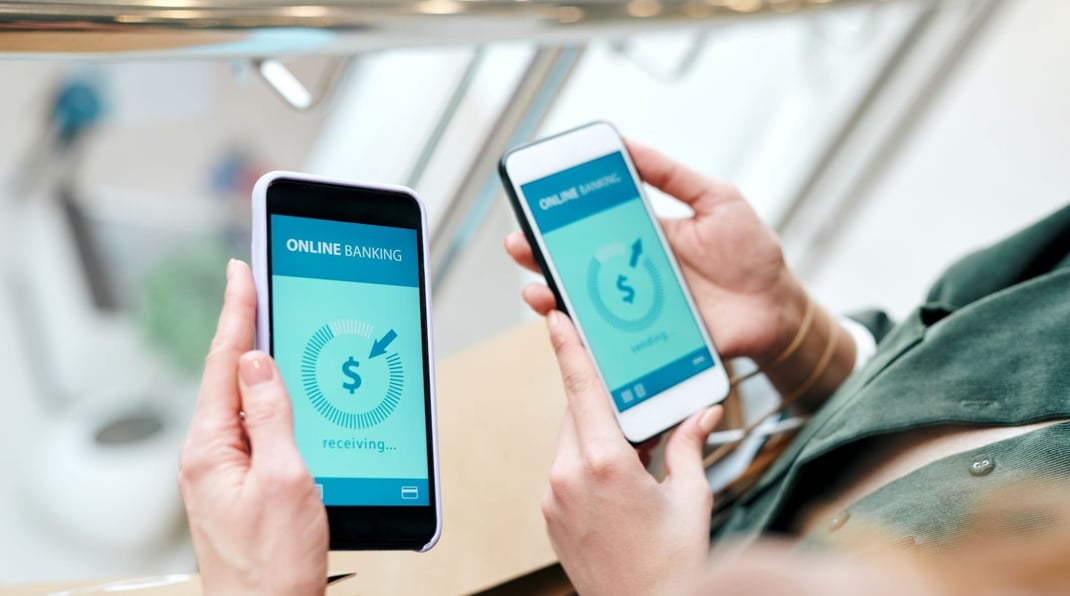

Checking accounts do a lot of heavy lifting. Rent, groceries, transit passes, autopay bills—they all run through the same hub. When a bank markets “free checking,” it sounds perfect. But “free” can hide a lot of exceptions. If you are hunting for a free checking account with no deposit, it helps to slow down, ignore the banner copy for a minute, and look at how the account will work in real life.
Start with the promise, then test it
No monthly fee is a good sign, but the fine print matters. Some banks waive maintenance fees and still charge for overdrafts, out-of-network ATM withdrawals, or paper statements. Think about your routine. Do you use cash a few times a month? Travel or move between campuses or cities? Send money to roommates? Your account should fit how you already bank, not the other way around.
Minimums that get out of your way
An account with no opening deposit removes a barrier. Maybe you are starting fresh after a move, or you keep most funds in savings and want checking to stay lean. A no-minimum setup means you can open the account now and build into it over time. If a bank requires a few hundred dollars on day one, that is a hurdle you do not need.
Everyday access is worth more than a sign-up bonus
Convenience wins over time. A strong mobile app, clean interface, fast logins, and dependable mobile check deposit save you from errand runs. Fee-free ATM access matters too; the right network keeps you from paying to reach your own cash. If the bank reimburses out-of-network fees, even better. Ten minutes of testing the app and skimming the ATM policy now will save you from recurring annoyances later.
Overdrafts happen—how does the bank handle them?
Even careful budgets dip once in a while. Some “free” accounts still charge steep overdraft fees. Others provide fee-free coverage up to a small amount if you meet simple conditions, or at least send real-time alerts so you can move money before a transaction fails. The best approach is clear, predictable, and forgiving enough to keep one slip from turning into a bad week.
Tools that quietly make life easier
Good checking should help you stay organized without extra effort. Look for automatic bill pay, customizable alerts, and the ability to lock or unlock your card instantly if it goes missing. Budget views and spending categories are nice to have, especially if they are simple. You want features you will actually use, not a maze of tabs you will avoid.
Clear rules, no surprises
Transparency is a filter. If fee schedules and policies are easy to find and written in plain language, that is a positive sign. If you have to dig for the basics, consider it a preview of future frustrations. A checking account should spell out fees, overdraft rules, ATM access, and any rate or bonus conditions so you can make choices with eyes open.

Think about the next step
Today you want easy, low-cost checking. Tomorrow you might want an attached savings bucket, goal tracking, or a simple way to boost protection. Choosing a bank with a path forward keeps you from switching later. Das is one example of a provider that pairs everyday checking with a broader digital setup, giving you modern tools now and room to grow as your needs change.
Bringing it together
The best free checking account is the one that stays out of your way. No deposit required, no monthly fee, straightforward rules, and tools that save time instead of stealing it. If you can imagine using the app without instructions, if the ATM policy makes sense, and if the overdraft approach is fair and clear, you are on the right track. Do a quick side-by-side comparison, pick the account that matches your routine, and let it do its job quietly in the background.